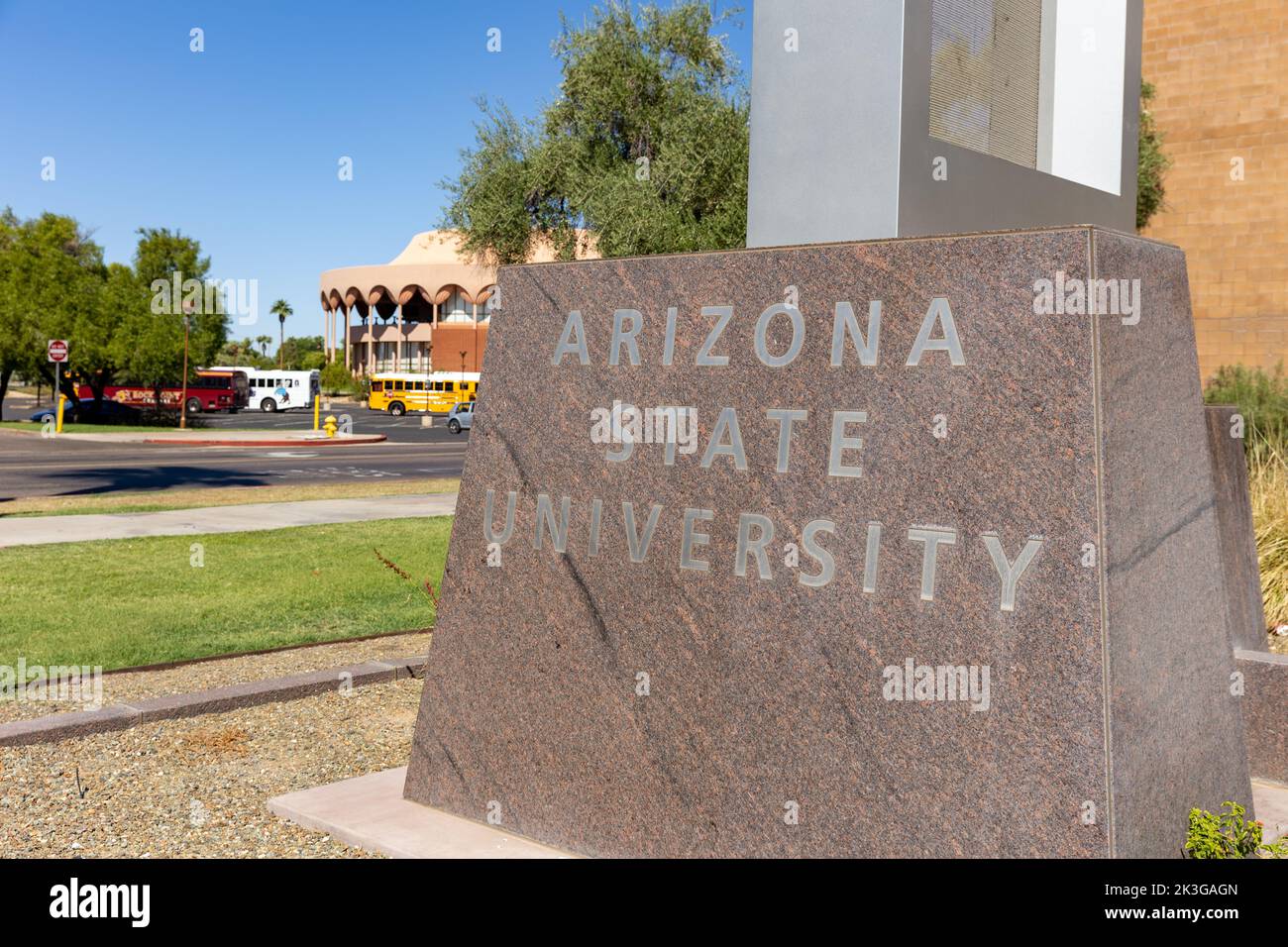
Arizona State University is located in Tempe, Arizona, serving as the institution's historic and largest campus within the Phoenix metropolitan area. Situated approximately eight miles east of downtown Phoenix, the Tempe campus functions as the primary academic and administrative hub for the university’s extensive research initiatives and student population.
As of 2026, the Tempe campus of Arizona State University (ASU) remains a cornerstone of the American Southwest’s educational landscape. Known for its sprawling urban layout, diverse architectural styles, and status as a "New American University," the Tempe location is far more than a collection of classrooms. It is a massive research engine and a cultural epicenter that defines the identity of the City of Tempe. Whether you are a prospective student, a visiting researcher, or a community member, understanding the layout, history, and functional logistics of this specific location is essential for navigating the university's many resources.
The Geographic and Historical Core of ASU
The Tempe campus is the original site of the university, founded in 1885 as the Territorial Normal School. While ASU has expanded to include major campuses in Downtown Phoenix, Mesa (Polytechnic), and Glendale (West Valley), the Tempe location remains the "mothership." It occupies roughly 660 acres in the heart of Tempe, bounded generally by University Drive to the north, Apache Boulevard to the south, Mill Avenue to the west, and Rural Road to the east.
The campus's location is strategically integrated into the city’s urban fabric. Unlike isolated "ivory tower" campuses, ASU Tempe is porous, with city streets like College Avenue serving as pedestrian thoroughfares that blend university life with local commerce. This integration has fostered a symbiotic relationship where the city's growth in the technology and hospitality sectors directly mirrors the university’s expansion in engineering and business programs.
The Evolution of the Tempe Landscape
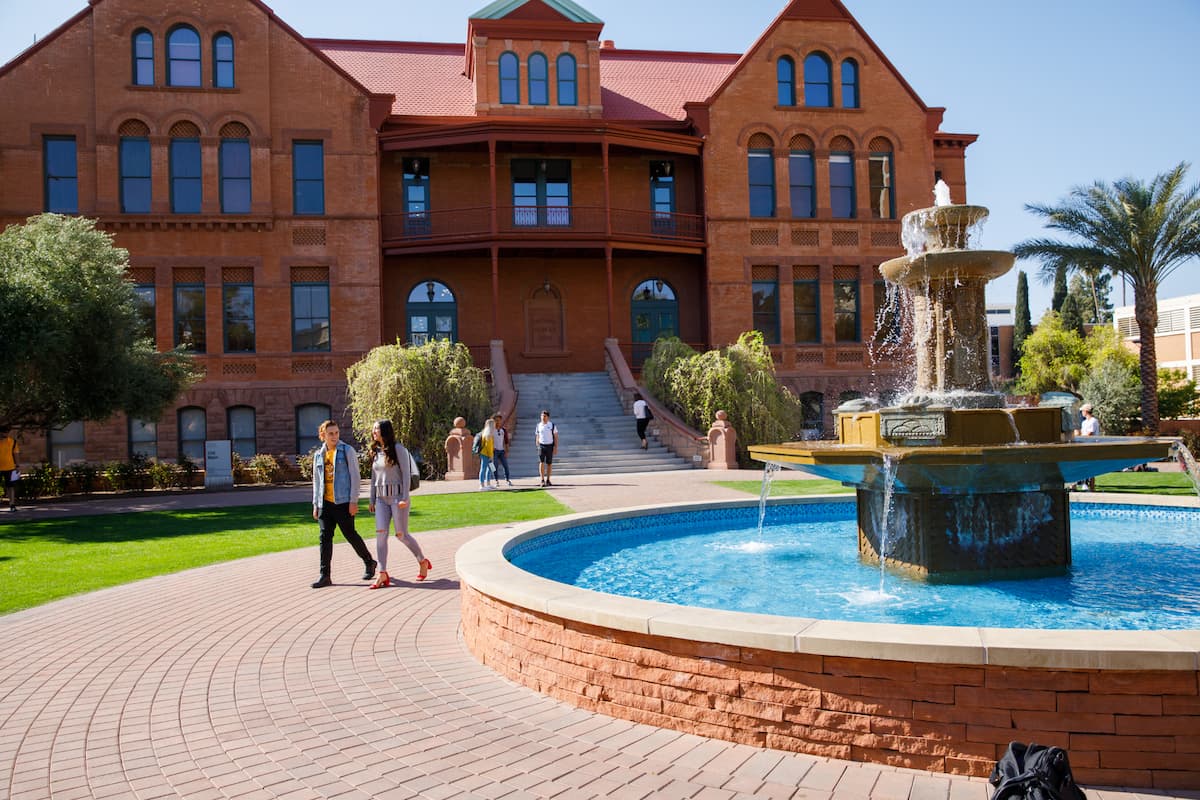
Over the last century, the campus has transitioned from a single schoolhouse surrounded by desert to a dense, pedestrian-oriented urban environment. The architecture reflects this journey, featuring 19th-century brick structures like Old Main alongside futuristic, LEED-certified research facilities like the Biodesign Institute. By 2026, the campus has further densified, emphasizing vertical growth and sustainable transit to accommodate its large student body while preserving historic landmarks.
Key Academic and Research Districts
To navigate the Tempe campus effectively, it is helpful to view it through its distinct functional districts. Each area of the campus possesses a unique character and houses specific academic disciplines.
The Historic North Campus
The northern section of the campus, near University Drive, is home to the most iconic landmarks. Old Main, dedicated in 1898, remains the university's oldest building and serves as a focal point for alumni events and administrative functions. Nearby, Palm Walk—a scenic pedestrian path lined with over 100 date palms—stretches from the University Bridge toward the center of campus. This area primarily houses the College of Liberal Arts and Sciences, the oldest and largest college at the university.
The Science and Engineering Corridor
The eastern and southern portions of the Tempe campus are dedicated to the intensive research activities of the Ira A. Fulton Schools of Engineering and the School of Life Sciences. This district includes the Biodesign Institute, a premier research facility focused on biomedicine, health, and sustainability. The buildings here are characterized by advanced laboratories and "maker spaces" where students engage in hands-on technical projects.
The Arts and Design District
On the western edge, near Mill Avenue, the campus focuses on creativity and performance. This area features the ASU Art Museum and the School of Music, Dance and Theatre. Perhaps the most significant landmark here is ASU Gammage, a performing arts center designed by the legendary architect Frank Lloyd Wright. Completed in 1964, Gammage remains one of the most prestigious venues for Broadway tours and cultural performances in the Southwest.
Student Life, Housing, and Services
Living and working on the Tempe campus requires an understanding of the facilities designed to support a population that exceeds 55,000 students on this single site.
Residential Life
ASU utilizes a "Residential College" model, where students live with peers who share their academic majors. In Tempe, this includes major housing complexes like Tooker House (for engineering students) and Barrett, The Honors College residential complex. These facilities are not just dormitories; they include dining halls, classrooms, and faculty offices, creating a 24/7 learning environment.
The Memorial Union (MU)
Located in the center of campus, the Memorial Union is the "living room" of the university. It provides a massive food court, meeting spaces for hundreds of student organizations, and essential services like the Sun Devil Card office. In 2026, the MU continues to serve as the primary meeting ground for students transitioning between classes.
Sun Devil Fitness and Recreation
The Sun Devil Fitness Complex (SDFC) in Tempe is a massive facility offering gym equipment, Olympic-sized pools, and indoor courts. It is a critical component of the university’s focus on student wellness, providing a space for intramural sports and physical health in the intense Arizona climate.
Transportation and Accessibility in 2026
Because the Tempe campus is located in a high-traffic urban area, transportation is a major consideration for everyone visiting or working at the site. The university has moved toward a pedestrian-first model, restricting vehicle traffic in the campus core to improve safety and sustainability.
The Valley Metro Light Rail
The Valley Metro Light Rail is the most efficient way to access the Tempe campus from other parts of the Phoenix metro area. There are multiple stops serving the campus, including:
- Veterans Way/College Ave: Ideal for the north campus and athletic facilities.
- University Dr/Rural Rd: Best for the engineering and science districts.
- Mill Ave/3rd St: Provides access to the western edge and the Downtown Tempe business district.
Biking and "Walk-Only" Zones
ASU Tempe is consistently ranked as a bicycle-friendly university. To manage the high volume of pedestrians, the university enforces "Walk-Only Zones" during peak class hours (typically 8:00 AM to 4:00 PM). In these areas, riders must dismount from bicycles, skateboards, and electric scooters to ensure pedestrian safety.
Parking and Logistics
For those who must drive, ASU provides several parking structures, such as the Apache Boulevard Structure and the Fulton Center Garage. However, parking in Tempe is limited and can be expensive. Visitors are encouraged to use the "Park and Ride" options offered by the Light Rail system or utilize mobile apps to reserve parking spaces in advance.
Comparing ASU Campus Locations
While Tempe is the primary location, it is important to understand how it differs from ASU’s other regional hubs.
| Feature | Tempe Campus | Downtown Phoenix Campus | Polytechnic (Mesa) | West Valley Campus |
|---|---|---|---|---|
| Primary Focus | Comprehensive Research, Arts, Engineering | Journalism, Law, Nursing, Health | Technology, Aviation, Management | Interdisciplinary Arts, Business |
| Atmosphere | Traditional, Large Urban Campus | Professional, Metropolitan | Industrial, Hands-on, Residential | Suburban, Small-College Feel |
| Key Landmark | Old Main / Gammage | Cronkite Building | Simulator Building | Sands Building |
| Student Pop. | ~55,000+ | ~12,000+ | ~6,000+ | ~5,000+ |
| Transit Access | Light Rail, Bus, Bike | Light Rail, Bus | Shuttles, Car | Shuttles, Car |
The Impact of the Tempe Location on the Local Economy
The presence of Arizona State University in Tempe has transformed the city into a global hub for innovation. The Novus Innovation Corridor, a multi-phase development on university-owned land, integrates office space, retail, and residential units directly with the campus. This development has attracted major corporations to Tempe, including regional headquarters for insurance, technology, and financial services firms.
Furthermore, the Mill Avenue District, located just steps from the western edge of campus, serves as the primary entertainment and dining destination for students and residents. This proximity ensures that the university is not an isolated entity but a primary driver of the local economy, generating billions of dollars in annual impact for the State of Arizona.
Visiting Arizona State University in Tempe
If you are planning a visit to the campus in 2026, several resources are available to help you make the most of your time.
- Scheduled Tours: The Undergraduate Admissions office offers guided walking tours that cover the main historic and academic highlights. These are highly recommended for prospective students.
- App-Based Navigation: The ASU Mobile App provides real-time maps, building locations, and even shuttle tracking for the "intercampus" buses that connect Tempe to the other three campuses.
- Public Events: Check the ASU Events Calendar for lectures, gallery openings at the ASU Art Museum, and PAC-12 (or successor conference) athletic events at Mountain America Stadium or Desert Financial Arena.
Safety and Security
The campus is patrolled by the ASU Police Department, a full-service law enforcement agency. Emergency "Blue Light" towers are located throughout the campus, providing an immediate link to dispatchers. Visitors should be aware of the desert climate; during the summer months, temperatures in Tempe regularly exceed 110°F (43°C), making hydration and sun protection vital for any outdoor activity on campus.
Frequently Asked Questions
Is ASU only located in Tempe?
No. While Tempe is the largest and original campus, Arizona State University has four major campuses in the Phoenix metropolitan area (Tempe, Downtown Phoenix, Polytechnic, and West Valley), along with a significant presence in Lake Havasu City, Washington D.C., and a massive online global campus.
How do I get from the Tempe campus to the Downtown Phoenix campus?
The most common way is the ASU Intercampus Shuttle, which is free for students, faculty, and staff with a valid ID. Alternatively, the Valley Metro Light Rail connects the two campuses directly, which is a popular option for visitors or those without university credentials.
What is the most famous building on the Tempe campus?
Most people consider Old Main the most historic building and ASU Gammage (designed by Frank Lloyd Wright) the most architecturally significant. Mountain America Stadium, carved into the volcanic buttes of the area, is also a major landmark known for hosting football games and large-scale events.
Is the Tempe campus open to the public?
Yes, the campus is generally open to the public. Many facilities, such as the Hayden Library (with certain restrictions), the ASU Art Museum, and various dining areas, are accessible to visitors. However, specific labs and residential halls require card-key access for security.
Where should I park when visiting ASU in Tempe?
Visitors should look for "Visitor Parking" signs. The Fulton Center Garage (University Dr and College Ave) and the Apache Boulevard Structure are the two most accessible visitor lots. It is advisable to use the "ParkMobile" app, which is widely used across Tempe for parking payments.
Practical Recommendation for Next Actions
For those intending to visit or relocate to the area, the first step should be to download the ASU Mobile App and review the digital campus map. If you are a prospective student, booking a tour through the official ASU Visit portal is essential, as these sessions provide specific insights into academic requirements and housing options that are not always visible to the general public. For community members, attending a performance at ASU Gammage or visiting the Biodesign Institute during a public showcase remains the best way to experience the university’s contribution to the cultural and scientific life of Tempe.