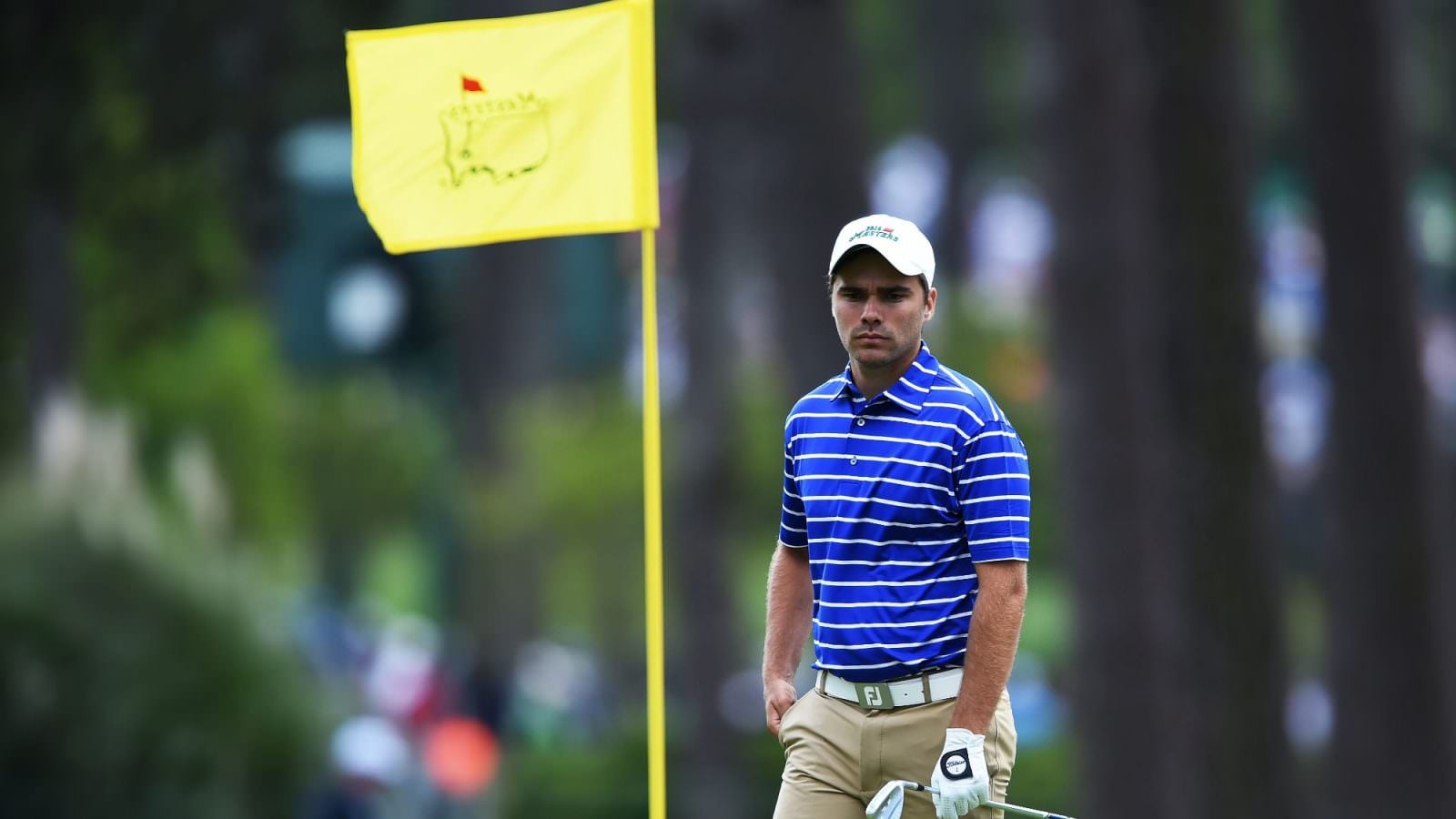
Making a debut at the Masters as an Arizona State University (ASU) Sun Devil carries a unique weight, given the program’s history of producing champions like Phil Mickelson and Jon Rahm. For an ASU golfer, a debut at Augusta National is the culmination of elite collegiate training and high-stakes amateur success, often earned through a U.S. Amateur victory or a high World Amateur Golf Ranking (WAGR).
The journey from the desert of Tempe to the towering pines of Georgia is one of the most storied pipelines in collegiate golf. In 2026, the focus remains on how the modern Sun Devil program prepares its athletes for the specific psychological and technical rigors of Augusta National. Whether it is a seasoned graduate student or a meteoric amateur talent, the ASU representative at the Masters is always a focal point for scouts and fans alike.
The Sun Devil Pipeline: Why ASU Dominates Masters Debuts
The frequency with which Arizona State golfers appear in the Masters field is not accidental. It is the result of a deliberate institutional culture focused on "Major-ready" development. Under the leadership of coaches like Matt Thurmond, the program has refined a blueprint that transitions players from the fast, firm conditions of the American Southwest to the complex, undulating demands of world-class venues.
Elite Training Environments
ASU players spend their collegiate careers at the Thunderbirds Golf Complex at Papago Golf Club. This facility was designed specifically to mimic the pressure of professional play. The "Launchpad" practice area and the diverse range of grass types allow players to practice the high-lofted, high-spin shots required to hold Augusta’s lightning-fast greens. When a Sun Devil makes their Masters debut, they often arrive with better short-game fundamentals than many seasoned professionals from other backgrounds.
The Recruitment of Global Talent
Arizona State has successfully leveraged an international recruiting model. By bringing in top-tier talent from Spain, China, and across Europe, the program creates a "mini-Tour" atmosphere within the locker room. This internal competition ensures that by the time a player earns an invitation to the Masters—typically by winning a qualifying event like the U.S. Amateur or the Asia-Pacific Amateur—they are already accustomed to playing against the best in the world.
The Amateur Experience: Staying in the Crow’s Nest
For many ASU golfers making their debut, the experience begins as an amateur. This provides the unique privilege of staying in the Crow’s Nest, the spartan but legendary living quarters atop the Augusta National clubhouse.
The Silver Cup Ambition
The primary goal for any amateur debutant is to make the cut and contend for the Silver Cup, awarded to the Low Amateur. ASU has a proud history here. Phil Mickelson won the Silver Cup in 1991, and more recently, the program has seen a surge in amateur qualifiers. Staying in the Crow’s Nest serves as a grounding experience, connecting the young Sun Devil to the history of the game before they step onto the first tee.
Managing the Media and Atmosphere
A Masters debut is as much a test of nerves as it is of skill. The ASU coaching staff often works with debutants to manage the "Augusta Aura." This includes navigating the Wednesday Par 3 Contest—a tradition where players often have family members or teammates caddy for them—while maintaining focus for the Thursday morning start. The transition from the relatively quiet collegiate tournaments to the roaring "patron" galleries at Amen Corner is a shift that Sun Devils are specifically conditioned for through high-level mental coaching.
Technical Challenges for the ASU Debutant
Augusta National is often described as a "second-shot course." For a golfer coming from the Arizona State system, certain aspects of the course play into their strengths, while others require significant adjustment.
Navigating the Elevation and Slopes
While Arizona golf is often associated with flat desert floors, ASU players frequently compete on varied terrains. However, nothing quite prepares a debutant for the massive elevation changes at Augusta, particularly the drop from the 10th tee to the green or the climb up the 18th fairway. A debutant must learn to play the ball from uneven lies—above and below the feet—while still controlling trajectory.
The "Augusta Green" Speed
The greens at Augusta National are kept at a Stimpmeter reading that often exceeds 13 or 14. For a debutant, the challenge isn't just the speed, but the complexity of the breaks. ASU golfers are taught to use "aim point" and other advanced green-reading techniques, but "local knowledge" is king at the Masters. This is where the ASU fraternity becomes an asset; it is common to see a debutant Sun Devil playing a practice round with Jon Rahm or Phil Mickelson to learn where not to miss on holes like the 11th or 12th.
Historical Performance of ASU Golfers at the Masters
The benchmark for any ASU debut is high. Below is a comparison of how notable Sun Devils fared in their first appearances at Augusta National.
| Player | Year of Debut | Status at Debut | Result | Notable Achievement |
|---|---|---|---|---|
| Phil Mickelson | 1991 | Amateur | T46 | Low Amateur (Silver Cup) |
| Billy Mayfair | 1988 | Amateur | CUT | Qualified via U.S. Amateur win |
| Paul Casey | 2004 | Professional | T6 | Best finish by a Sun Devil in debut |
| Jon Rahm | 2017 | Professional | T27 | Shot an opening-round 73 |
| Neal Shipley | 2024 | Amateur | T53 | Low Amateur; played with Tiger Woods |
| Josele Ballester | 2025 | Amateur | T42 | First Spanish Sun Devil debut since Rahm |
Note: Data reflects the historical entry points for these athletes and their initial impact on the tournament.
Strategic Preparation: The ASU Blueprint
As of 2026, the "ASU Blueprint" for the Masters involves a three-pillar strategy: Early Scouting, Equipment Calibration, and Fraternity Mentorship.
- Early Scouting: Most ASU debutants visit Augusta National in the weeks leading up to the tournament for private practice sessions. This allows them to see the course without the grandstands and crowds, helping them map out "go zones" and "no-go zones."
- Equipment Calibration: The turf at Augusta is notoriously tight. ASU players often work with their equipment sponsors to grind their wedges specifically for the Ryegrass overseed found at Augusta, ensuring they can nip the ball cleanly on delicate chips around the greens.
- Fraternity Mentorship: The "Sun Devil Family" is a real competitive advantage. Debutants often receive "The Book"—informal advice passed down from previous ASU players regarding how the wind swirls at the 12th hole or how to putt the 5th green.
The 2026 Landscape: New Stars and Expectations
In 2026, the collegiate landscape continues to funnel elite talent toward the Masters. With the expansion of the PGA Tour University program, ASU players are more incentivized than ever to maintain high amateur rankings, which frequently leads to Masters invitations via the U.S. Amateur, the British Amateur, or the Latin America Amateur Championship.
The expectations for an ASU golfer in their debut are no longer just to "make the cut." Because the program has produced multiple World No. 1s and Green Jacket winners, the standard is to compete. Fans looking at the 2026 field expect the Sun Devil representative to show the same poise that characterized Jon Rahm's rise.
Common Obstacles for Debutants at Augusta
Despite the elite training, several recurring issues can derail a debutant's performance:
- Over-Awe: Getting distracted by the history of the clubhouse or the presence of legends on the driving range.
- Misjudging the Wind at 12: The 12th hole, "Golden Bell," is the shortest par 3 on the course but the most psychologically taxing. The wind often swirls in the trees, making club selection a guessing game for the inexperienced.
- Aggression on the Greens: Newcomers often try to "make" too many putts, leading to three-putts. Veterans know that at Augusta, a "good miss" is often better than a bold attempt.
Frequently Asked Questions
Which ASU golfer has the best finish in a Masters debut?
Paul Casey holds the record for the best debut finish by an Arizona State alumnus, finishing T6 in 2004. While Phil Mickelson and Jon Rahm eventually won the tournament, their initial debuts were more modest (T46 and T27, respectively).
How does an ASU golfer typically qualify for their Masters debut?
Most ASU golfers qualify as amateurs by winning the U.S. Amateur Championship or the Asia-Pacific Amateur Championship. Others qualify shortly after turning professional by winning a PGA Tour event or reaching the top 50 in the Official World Golf Ranking (OWGR).
Why is Arizona State considered a "Masters Factory"?
ASU is considered a "Masters Factory" because of its consistent output of Major-caliber talent. The university has won multiple NCAA titles, and its alumni have accounted for several Green Jackets, most notably those won by Phil Mickelson (2004, 2006, 2010) and Jon Rahm (2023).
Do ASU golfers get special access to practice for the Masters?
While there is no "official" special access, the network of ASU alumni who are members at prestigious clubs or who have won the Masters provides debutants with unparalleled practice opportunities and strategic advice that other collegiate programs might lack.
What is the significance of the Silver Cup for an ASU amateur?
The Silver Cup is awarded to the amateur who makes the cut and has the lowest total score. For an ASU player, winning the Silver Cup is a rite of passage that signals they are ready for the professional ranks. Neal Shipley's 2024 performance is a recent example of a Sun Devil-affiliated player achieving this honor.
Final Recommendation for Following ASU Talent
If you are tracking an Arizona State golfer during their Masters debut, focus on their performance on the par 5s. ASU’s coaching emphasizes aggressive, smart play on long holes—a strategy that served Mickelson and Rahm well. A debutant who plays the par 5s in 8-under par or better for the week is almost certain to find themselves in the top 20 on Sunday, regardless of their experience level. Keep a close eye on the amateur rankings leading into the 2026 season to identify the next Sun Devil likely to walk the hallowed grounds of Augusta.