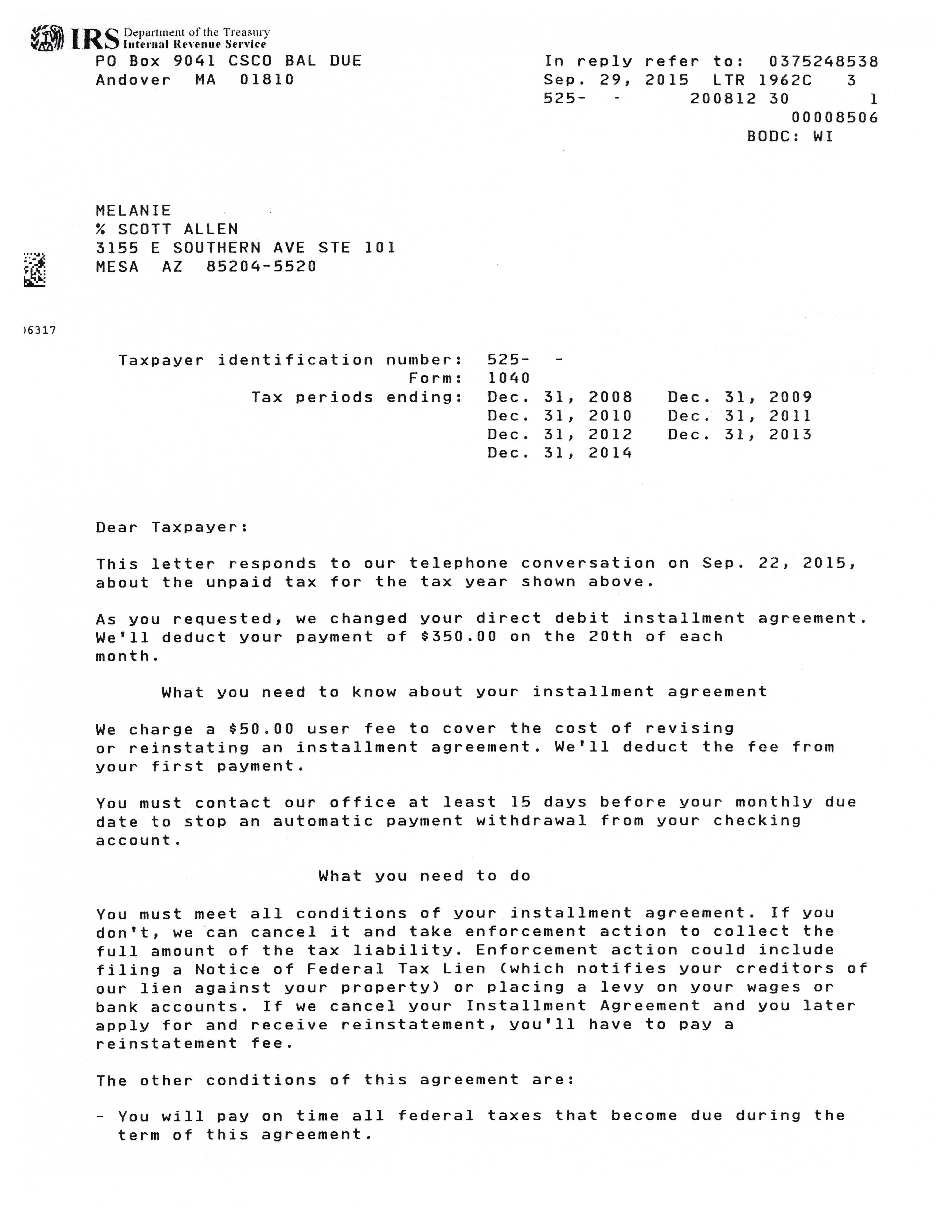
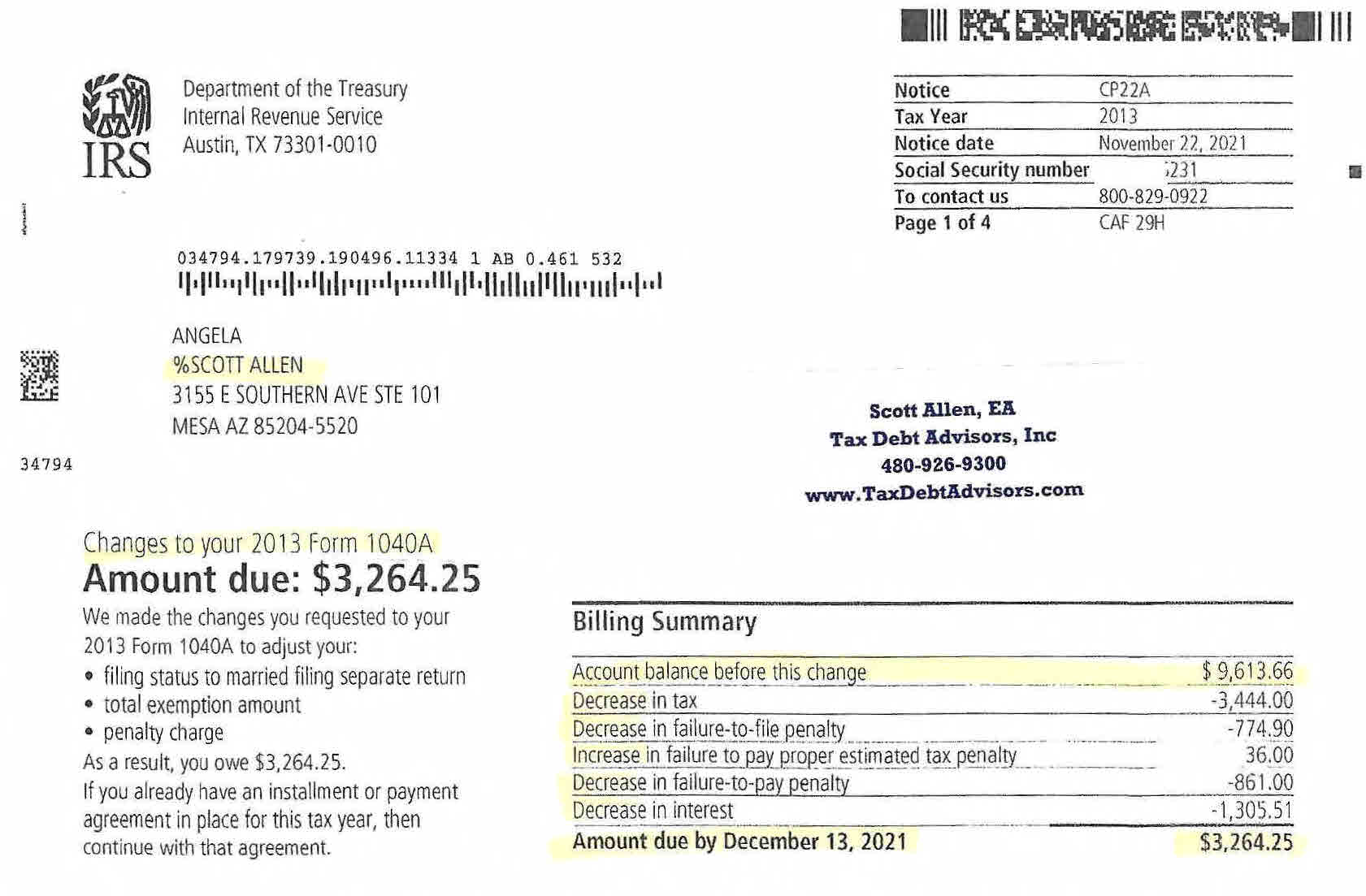
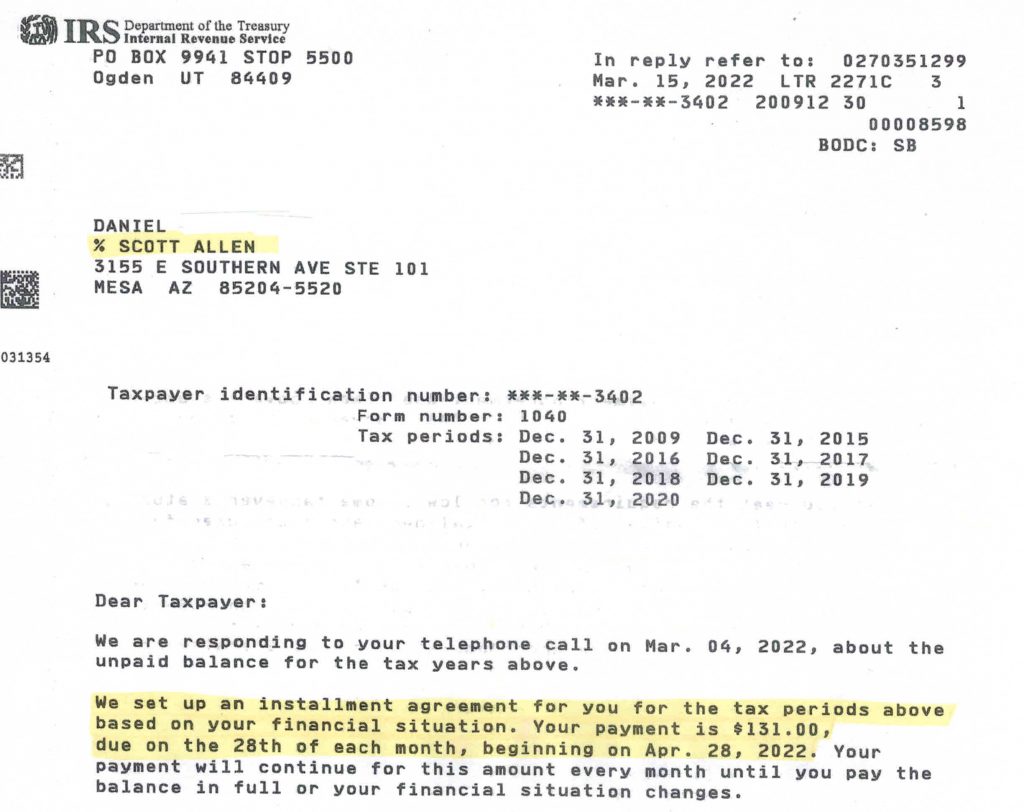
An Arizona tax payment plan, formally known as an installment agreement, allows individuals and businesses to pay state tax debt through monthly payments over a specified period. These plans, managed by the Arizona Department of Revenue (ADOR), help taxpayers avoid aggressive collection actions like garnishments while interest and penalties continue to accrue on the unpaid balance.
Tax debt can be a significant source of financial stress, particularly when a lump-sum payment is not feasible. For residents and business owners in Arizona, the state provides several mechanisms to resolve outstanding liabilities. Navigating these options requires an understanding of the Arizona Department of Revenue’s specific requirements, the types of taxes eligible for installment agreements, and the long-term financial implications of entering into such a contract. As of 2026, the process remains standardized, yet it demands strict adherence to filing compliance and payment schedules.
Understanding the Arizona Department of Revenue Installment Agreement
An installment agreement is a legally binding contract between the taxpayer and the State of Arizona. By entering this agreement, the taxpayer commits to paying the full amount of tax, including interest and applicable penalties, over a set timeframe. In exchange, the ADOR generally agrees to suspend further collection activities, such as bank levies or wage garnishments.
It is important to distinguish between federal IRS payment plans and Arizona state plans. While they operate under similar logic, the Arizona Department of Revenue has its own set of rules, interest rates, and online portals. Taxpayers cannot "roll" their state debt into a federal plan; both must be managed independently. In 2026, Arizona continues to emphasize digital self-service for these plans, though complex cases or high-dollar liabilities may still require manual intervention from a revenue officer.
Eligibility and Prerequisites for a Payment Plan
Before a taxpayer can successfully request a payment plan in Arizona, several non-negotiable conditions must be met. The most critical requirement is filing compliance. The ADOR will not approve an installment agreement if there are missing tax returns from previous years. Taxpayers must ensure that all required individual income tax, corporate tax, or transaction privilege tax (TPT) returns have been filed, even if the taxes owed on those returns have not been paid.
Furthermore, the taxpayer must demonstrate an inability to pay the balance in full immediately. While the ADOR is generally cooperative, they may request a financial statement—specifically for larger balances—to verify that the proposed monthly payment is the maximum the taxpayer can reasonably afford. For individual taxpayers with smaller balances, the approval process is often automated and requires less financial disclosure.
Individual vs. Business Eligibility
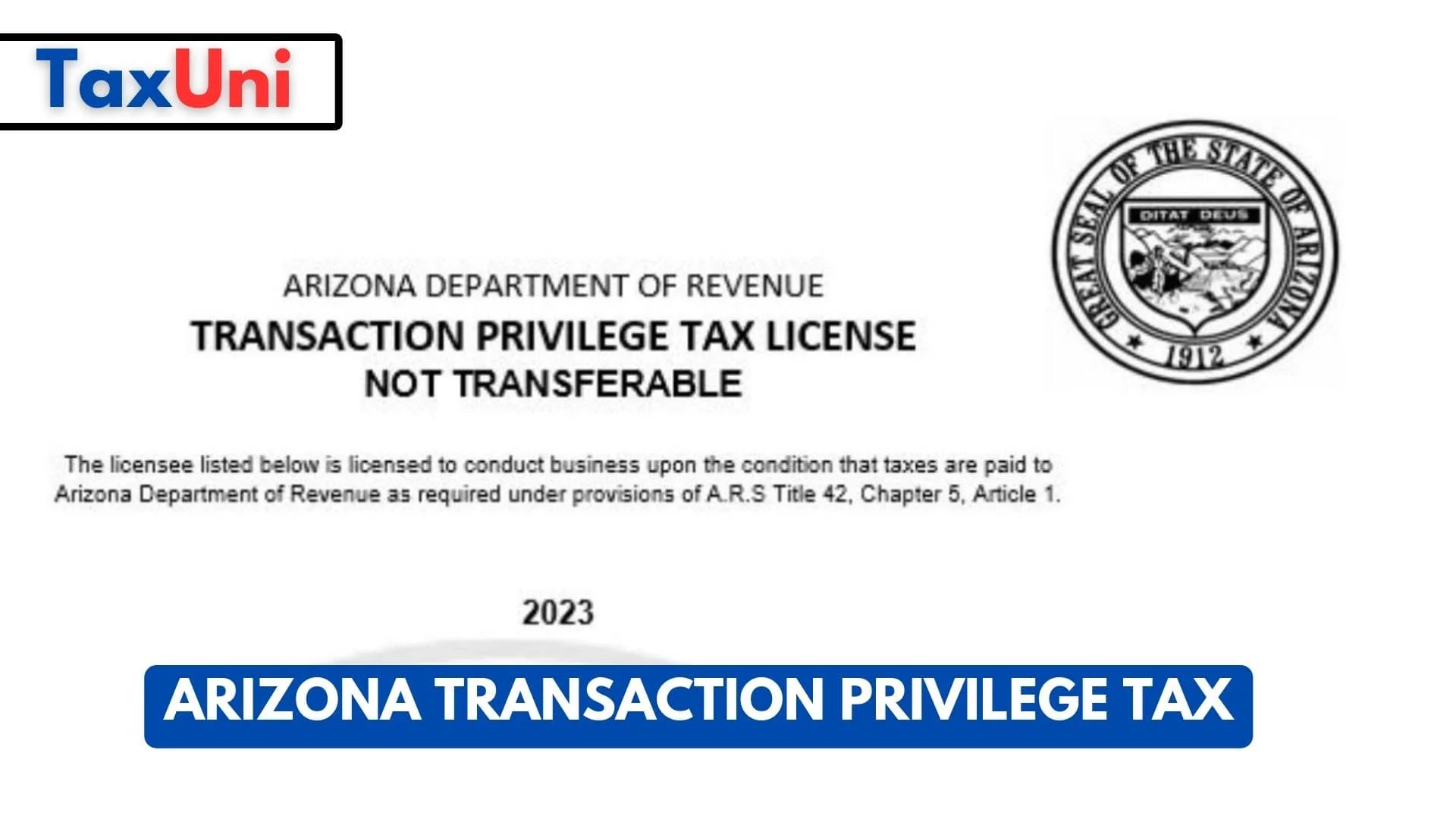
Individual taxpayers typically seek plans for personal income tax (Form 140 and its variants). Businesses, on the other hand, often require plans for Transaction Privilege Tax (TPT) or withholding taxes. TPT payment plans are often scrutinized more closely because these funds are considered "trust fund" taxes—money collected from customers that belongs to the state. Delinquency in TPT payments is viewed with a higher degree of urgency by state auditors.
Types of Arizona Tax Payment Plans
The Arizona Department of Revenue categorizes payment plans based on the type of tax owed and the total amount of the liability. Understanding these categories helps taxpayers determine which path to take.
Short-Term Extensions
If a taxpayer can pay the full balance within a few months, they may not need a formal, long-term installment agreement. A short-term extension allows for a brief delay in payment, though interest still applies. This is often the most cost-effective route as it minimizes the duration of interest accrual.
Standard Installment Agreements
This is the most common path for individuals. Typically, these plans last between 12 and 24 months, though they can sometimes extend up to 36 or 48 months depending on the balance and the taxpayer's financial situation. In 2026, the ADOR generally prefers plans that resolve the debt as quickly as possible to ensure the state’s liquidity and reduce the taxpayer's total interest burden.
TPT and Withholding Plans
Business-related tax plans are often shorter in duration. Because TPT and withholding are ongoing obligations, the ADOR requires businesses to remain current on all new tax filings and payments while simultaneously paying off the old debt. Failure to pay current TPT while on a payment plan for old TPT will result in an immediate default.
How to Apply for an Arizona Tax Payment Plan
The application process is designed to be accessible, but it requires preparation. There are two primary methods for applying: the online portal and the paper application.
Online Application via AZTaxes.gov
The most efficient way to establish a plan is through the AZTaxes.gov portal. Taxpayers can log in to their accounts, view their outstanding liabilities, and select the "Request a Payment Plan" option.
- Register/Login: Users must have a registered account.
- Select Liability: Choose the specific tax year or period that needs to be covered.
- Propose Terms: Enter a monthly payment amount and a preferred payment date.
- Electronic Funds Transfer (EFT): Setting up automatic withdrawals is highly recommended and often a requirement for plan approval in 2026.
Paper Application (Form 140-IA)
For those who cannot use the online portal or have complex cases, Form 140-IA (Installment Agreement Request) is the standard document. This form requires the taxpayer's identifying information, total amount owed, and a proposed monthly payment. It should be mailed to the Arizona Department of Revenue at the address specified on the form instructions.
| Feature | Online (AZTaxes.gov) | Paper (Form 140-IA) |
|---|---|---|
| Speed of Approval | Immediate or within days | 4–8 weeks |
| Convenience | High (24/7 access) | Low (requires mailing) |
| Eligibility | Best for standard balances | Required for complex/large balances |
| Payment Method | Automatic EFT preferred | Check, Money Order, or EFT |
| Documentation | Minimal for small balances | May require financial statements |
Costs, Interest, and Financial Consequences
Entering into a payment plan does not "freeze" the debt. It is a common misconception that a payment plan stops the growth of the balance. In Arizona, the following financial factors apply:
Interest Accrual
Interest is mandated by Arizona Revised Statutes and is tied to the federal underpayment rate. As of 2026, this interest is compounded and applied to the unpaid tax balance. Even while on a plan, the interest continues to build, which means the total amount paid over the life of the plan will be significantly higher than the original tax bill.
Penalties
Late payment penalties and late filing penalties are also factored into the total balance. While the ADOR may occasionally offer penalty abatement for "reasonable cause," this is a separate process from the installment agreement. Generally, you must pay the penalties as part of your monthly installments.
Tax Liens
For substantial tax debts, the Arizona Department of Revenue may file a Notice of State Tax Lien. A lien is a public record that protects the state's interest in your assets (like your home or business). Entering into a payment plan does not always prevent a lien from being filed, but it can prevent the state from moving forward with a "levy" (the actual seizure of property or funds).
Managing and Maintaining the Agreement
Once an installment agreement is active, the taxpayer must adhere to several ongoing requirements to prevent default.
- Timely Payments: Payments must reach the ADOR by the due date every month. Missing even a single payment can trigger a default notice.
- Future Compliance: The taxpayer must file all future tax returns on time and pay any new taxes in full. You cannot add new tax debt to an existing payment plan without renegotiating the entire agreement.
- Direct Debit: The most effective way to maintain a plan is through direct debit. This ensures that the payment is never forgotten and demonstrates to the state a commitment to resolving the debt.
- Communication: If your financial situation changes—for better or worse—you should contact the ADOR. If you lose your job, you may be able to modify the plan rather than defaulting.
What to Do If You Default
A default occurs when a payment is missed, a future return is not filed, or a new tax liability is not paid. When a plan defaults, the ADOR sends a "Notice of Intent to Terminate Installment Agreement."
If this happens, the taxpayer usually has 30 days to rectify the situation. This might involve paying the missed amount or providing proof of filing. If the default is not cured, the state may resume aggressive collection actions, including:
- Wage Garnishment: Taking a portion of your paycheck.
- Bank Levies: Freezing and seizing funds in your savings or checking accounts.
- Seizure of Assets: Taking physical property to satisfy the debt.
Alternatives: Offer in Compromise and Hardship
For some Arizonans, even a long-term payment plan is financially impossible. In these extreme cases, the state offers an Offer in Compromise (OIC). This allows a taxpayer to settle their tax debt for less than the full amount owed.
However, the OIC program is rigorous. The taxpayer must prove that the debt is likely uncollectible or that paying it would create an "unfair and inequitable" financial hardship. This typically requires a full disclosure of all assets, income, and monthly expenses. Most OIC applications are rejected unless the taxpayer can demonstrate that their financial situation is unlikely to improve in the foreseeable future.
Frequently Asked Questions
Can I change my monthly payment amount after the plan has started?
Yes, but it requires approval from the ADOR. If you need to lower your payment, you will likely need to submit updated financial information to prove that you can no longer afford the original amount. Conversely, you can always pay more than your monthly minimum without penalty, which will reduce the total interest you pay over time.
Does an Arizona tax payment plan stop interest from accruing?
No. Interest continues to accrue on the unpaid balance at the rate set by Arizona law until the entire liability, including penalties and prior interest, is paid in full. This is why it is often beneficial to pay as much as possible upfront.
Will the ADOR take my state tax refund if I am on a payment plan?
Yes. If you are entitled to a state tax refund in a future year while you still owe a balance on an installment agreement, the ADOR will automatically apply that refund to your outstanding debt. This does not count as your regular monthly payment; you must still make your scheduled installment for that month.
How long can an Arizona tax payment plan last?
Most individual plans are structured to be completed within 24 to 48 months. For businesses with TPT debt, the duration is often much shorter—usually 12 to 18 months—due to the nature of the tax. Exceptional cases may allow for longer terms, but these require manual review and significant financial documentation.
What is the minimum monthly payment for an Arizona tax plan?
There is no fixed "minimum" dollar amount, but the payment must be sufficient to resolve the debt within the ADOR’s preferred timeframe (usually 24–36 months). For example, if you owe $3,600, a payment of $10 per month would likely be rejected because it does not cover the interest and would take decades to pay off.
Is there a fee to set up a payment plan in Arizona?
Unlike the IRS, which often charges a setup fee for installment agreements, the Arizona Department of Revenue has historically not charged a specific "administrative fee" to start a plan. However, taxpayers should verify current 2026 fee schedules on the ADOR website, as policy changes can occur.
Practical Recommendations
If you find yourself unable to pay your Arizona state taxes in full, the first step is to file your return on time regardless of your ability to pay. This avoids the failure-to-file penalty, which is often much higher than the failure-to-pay penalty.
Once your return is filed, immediately log in to AZTaxes.gov to explore your installment agreement options. Aim for the highest monthly payment you can comfortably afford to minimize the long-term cost of interest. If you are a business owner dealing with TPT debt, consider consulting a tax professional, as the state’s enforcement on business taxes is significantly more aggressive than on individual income taxes.
By staying proactive and maintaining open communication with the Arizona Department of Revenue, you can successfully manage your tax liability and protect your financial future from the risks of state collection actions.