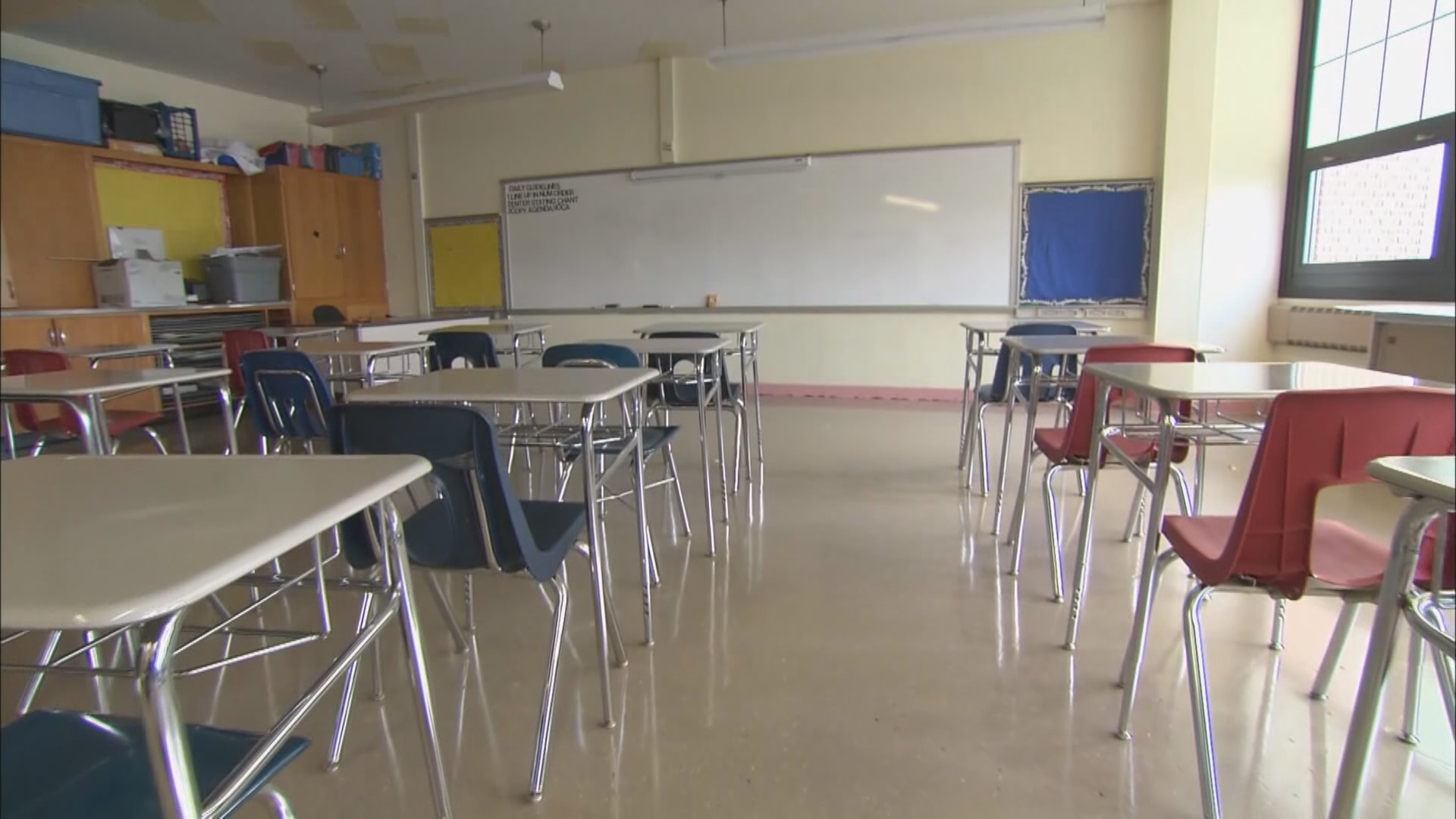
The firing of an Arizona educator over OnlyFans content highlights a critical intersection between personal privacy and professional standards. Legally, school districts can terminate teachers for "conduct unbecoming," provided they can demonstrate a "nexus" or connection between the off-duty behavior and a disruption to the educational environment or a loss of professional credibility within the community.
The Case of Sarah Seales and the St. Johns Unified School District
In late 2022, the St. Johns Unified School District in Arizona made national headlines when it terminated Sarah Seales, a fifth-grade teacher, after her OnlyFans account was discovered by a local media outlet. The incident began when a community member or journalist alerted the school board to the existence of the account, which featured adult-oriented content.
The school district's decision to fire Seales was not based on her performance in the classroom, which had not been previously cited as problematic. Instead, the board pointed to a violation of the "professional standards" expected of educators. This case serves as a landmark example of how digital footprints, even those intended to be private or behind a paywall, can collide with the stringent moral and ethical requirements codified in teaching contracts.
For educators in 2026, the Seales case remains a cautionary tale. It underscores that "private" digital spaces are rarely truly private once they involve a financial transaction or a public-facing platform. In small communities particularly, the discovery of such content often leads to swift administrative action to appease public outcry and maintain the perceived "moral fitness" of the teaching staff.
Understanding "Conduct Unbecoming" and Professional Ethics
Most teaching contracts in Arizona, and across the United States, contain clauses regarding "conduct unbecoming an educator" or "moral turpitude." These terms are intentionally broad, allowing school boards and state licensing agencies significant leeway in interpreting what constitutes a violation.
The Scope of Professionalism
Professionalism for teachers is not limited to the hours of 8:00 AM to 3:30 PM. Educators are often viewed as "community fiduciaries"—individuals who hold a position of public trust. This status implies that their behavior, both in and out of school, must reflect the values the community wishes to instill in its children. When a teacher engages in adult content creation, districts argue that the teacher has compromised their ability to serve as a role model.
Arizona Administrative Code
The Arizona State Board of Education maintains specific rules under the Arizona Administrative Code (R7-2-1301 through R7-2-1309) regarding the revocation or suspension of teaching certificates. These rules explicitly mention "unprofessional or immoral conduct." While the code does not explicitly list "OnlyFans content" as a violation, it grants the Board the power to investigate any behavior that might impair the teacher’s effectiveness or the district’s reputation.
The "Nexus" Test: Connecting Off-Duty Conduct to the Classroom
The primary legal hurdle a school district must clear when firing a teacher for off-duty behavior is the "nexus" test. This legal standard requires the employer to prove that the teacher’s outside activities have a direct, negative impact on their ability to perform their job.
Courts typically look at several factors to determine if a nexus exists:
- Likelihood of Harm: Will students or colleagues be harmed or distracted by the knowledge of the teacher's outside activities?
- Degree of Notoriety: Has the behavior become a matter of public scandal?
- Impact on Credibility: Can the teacher still effectively discipline students or lead a classroom if their private life is public knowledge?
- Disruption to Operations: Has the school been inundated with complaints, protests, or media inquiries that prevent normal function?
In the Seales case, the district argued that once the account was publicized, the "nexus" was established. The knowledge of the teacher’s adult content among parents and students was deemed a sufficient disruption to justify termination.
First Amendment Protections and Their Limits
Educators often believe that their off-duty activities are protected by the First Amendment's right to free speech and freedom of association. However, public employees have more limited speech rights than the general public.
The Pickering-Connick Test
The Supreme Court cases Pickering v. Board of Education and Connick v. Myers established a balancing test. The court must weigh the employee's interest in speaking on a "matter of public concern" against the government’s interest (the school district) in providing efficient public services.
Most adult content created for profit on platforms like OnlyFans is classified as "commercial speech" or personal expression rather than speech on a matter of public concern. Consequently, it receives less protection in an employment context. If the speech is deemed "obscene" or purely personal, the school district’s interest in maintaining a stable learning environment almost always takes precedence.
The Economic Reality: Why Teachers Turn to OnlyFans
It is impossible to analyze the Sarah Seales case without addressing the economic pressures facing Arizona educators. In 2026, despite various legislative efforts to increase teacher pay, Arizona continues to rank in the lower tier for educator salaries when adjusted for inflation and cost of living.
Many teachers turn to "side hustles" to supplement their income. While most choose tutoring, ride-sharing, or retail, a small percentage opt for adult content creation due to its high earning potential and flexible hours. This creates a tragic paradox: the very system that underpays its professionals also maintains the right to fire them for the methods they choose to achieve financial stability. This economic desperation does not provide a legal defense against termination, but it provides the sociological context for why these cases continue to emerge.
Comparison of Educator Rights: Public vs. Private and Tenured vs. At-Will
The level of protection an educator has depends heavily on their contract type and the nature of their employer.
| Feature | Public School (Tenured) | Public School (Probationary) | Private/Charter School |
|---|---|---|---|
| Termination Basis | "Just Cause" required (includes conduct unbecoming). | Can be non-renewed without specific cause. | Contractual terms; often "at-will." |
| Due Process Rights | High; entitled to a hearing and evidence. | Low; usually only entitled to notice. | Minimal; depends on the specific contract. |
| First Amendment | Applicable but limited by the nexus test. | Applicable but harder to prove retaliation. | Generally not applicable (private entity). |
| Appeal Process | Can appeal to State Board or Superior Court. | Very limited appeal options. | Arbitration or civil breach of contract suit. |
The Role of the Arizona State Board of Education
Termination by a school district is often only the first step. Following a firing for "immoral conduct," the district is generally required to report the incident to the Arizona State Board of Education. The Board then conducts its own investigation to determine if the teacher’s certification should be suspended or revoked.
If a certificate is revoked, the educator is barred from teaching in any public school in the state. In many cases, these revocations are permanent. The Board’s primary concern is not the teacher's privacy, but the safety and welfare of students statewide. They often view the commercialization of adult content as a permanent stain on an educator’s professional character, making it difficult to find employment in the field ever again.
Digital Privacy and the Myth of Anonymity
Many educators who use OnlyFans believe that by using a pseudonym, blocking certain geolocations (such as their home state), or not showing their face, they are protected. However, the Seales case demonstrates that these safeguards are easily bypassed.
- Facial Recognition: AI-driven tools can now cross-reference images across the internet, linking "private" content to LinkedIn profiles or school staff pages.
- Subscribers as Whistleblowers: Any subscriber can take screenshots or screen recordings and send them to school administrators anonymously.
- Data Leaks: Like any digital platform, OnlyFans is susceptible to data breaches where creator identities can be exposed.
For educators, the legal reality is that there is no such thing as guaranteed anonymity on the internet. Once content is uploaded, the creator loses control over its distribution.
Frequently Asked Questions
Can a teacher be fired for OnlyFans if they don't show their face?
Yes. If the identity of the teacher is discovered through other means (tattoos, background, or voice recognition) and the district can prove a "nexus" to the workplace, the lack of a face in the content does not provide absolute legal protection. The standard is whether the teacher's identity is known to the community, not whether it is obvious from the content alone.
Does it matter if the OnlyFans account was created before the teacher was hired?
It can. While a district might not have grounds to fire a teacher for past legal behavior, they may choose not to hire a candidate if the content is discovered during a background check. If the content remains accessible after hiring, it is considered ongoing conduct. Some states have "look-back" periods for "moral turpitude," but generally, if the conduct is deemed current or recently discovered, it can lead to termination.
Is OnlyFans considered "illegal" for teachers in Arizona?
No, the activity itself is legal for adults. However, "legal" and "professionally acceptable" are two different standards. Teaching is one of the few professions where legal off-duty behavior can be grounds for termination if it violates the specific ethical codes set by the state and the employer.
Can I sue for wrongful termination if I am fired for OnlyFans?
You can file a lawsuit, but success is rare in these specific circumstances. Courts generally defer to school boards on matters of community standards and "conduct unbecoming." To win, a teacher would likely need to prove that the district did not follow its own due process procedures or that the firing was a pretext for illegal discrimination (e.g., based on race or religion).
What should I do if I am an educator with an OnlyFans account?
The most immediate action is to understand the risks. If you wish to remain in the teaching profession, the safest course of action is to deactivate the account and remove all traces of the content. If you are already under investigation, consult with an employment attorney who specializes in education law and contact your union representative (such as the Arizona Education Association) immediately.
Practical Recommendations for Educators
The Sarah Seales case serves as a definitive reminder that the boundary between private life and public profession is porous for teachers. To protect their careers, educators should consider the following:
- Review Your Contract: Familiarize yourself with the "Conduct Unbecoming" and "Ethics" sections of your employment agreement and the Arizona Administrative Code.
- Audit Your Digital Presence: Assume that anything you post online—even in "private" groups or behind paywalls—will eventually be seen by your superintendent, your students, and their parents.
- Separate Personal and Professional Personas: Use high-level privacy settings on all social media, but recognize that these are not foolproof.
- Seek Legal Counsel Early: If you are contacted by administration regarding your off-duty conduct, do not provide a statement or resign until you have consulted with a legal professional. Resigning may seem like a "clean break," but it does not stop a district from reporting you to the State Board of Education.
Ultimately, the case means that in 2026, educators must navigate a world where their financial needs and personal expressions are constantly weighed against a traditional and often rigid set of professional expectations.