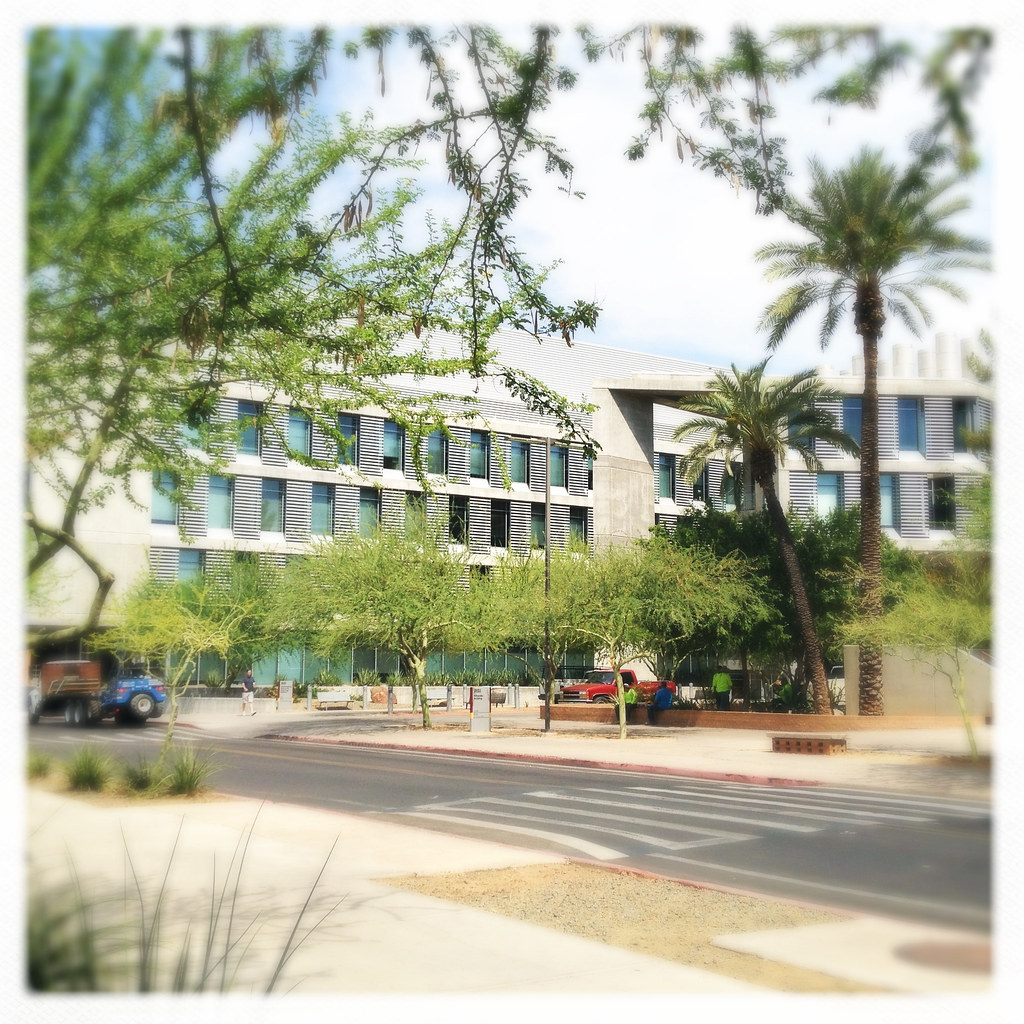
Arizona State University's Tempe campus, recognized as the "main" campus, serves as the historic and academic heart of the university system. Located in the vibrant city of Tempe, it hosts over 50,000 students, offering a comprehensive urban-collegiate experience defined by cutting-edge research facilities, a bustling social scene, and world-class Pac-12 (now Big 12) athletic traditions.
As we navigate the 2026 academic landscape, Arizona State University (ASU) continues to redefine the "New American University" model. While ASU has expanded significantly into its Downtown Phoenix, West, and Polytechnic campuses, the Tempe campus remains the primary destination for the majority of undergraduate students. Understanding the intricacies of this sprawling 660-acre campus is essential for prospective students, families, and visiting scholars.
The Geography and Layout of the Tempe Campus
The Tempe campus is often described as an urban forest. Designated as an arboretum, the campus features thousands of trees and a wide variety of desert-adapted flora, creating a unique microclimate in the heart of the Sonoran Desert. The layout is a blend of historic red-brick buildings dating back to the late 19th century and ultra-modern glass-and-steel research hubs.
The Iconic Palm Walk
Perhaps the most famous landmark on campus is Palm Walk, a scenic pedestrian corridor lined with over 100 date palms. It stretches from the University Bridge south to the intramural fields, serving as the main artery for student traffic. Walking this path is a rite of passage for every Sun Devil, but in the heat of an Arizona afternoon, students quickly learn the value of the "air-conditioned route"—a sequence of interconnected buildings and shaded breezeways that provide relief from the sun.
Cady Mall and the Memorial Union
At the center of the campus lies the Memorial Union (MU), the primary hub for student activity. The MU houses multiple dining options, a bowling alley, meeting rooms, and the student government offices. Adjacent to the MU is Cady Mall, a sprawling lawn often filled with student organizations tabling for events or hosting rallies. For a first-year student, the MU is the starting point for navigation and socialization.
Academic Excellence and Specialized Colleges
While ASU is a single university with many locations, the Tempe campus is the primary home for several of its most prestigious schools. By 2026, the integration of technology and interdisciplinary study has reached new heights, particularly within the Fulton Schools of Engineering and the The College of Liberal Arts and Sciences.
The Ira A. Fulton Schools of Engineering
As one of the largest engineering schools in the United States, the Fulton Schools occupy a significant footprint on the Tempe campus. The engineering facilities are clustered near the north end of campus, featuring specialized labs for robotics, aerospace, and semiconductor manufacturing. With the expansion of the "Silicon Desert" in Arizona, the Tempe campus has become a critical pipeline for major tech firms like Intel and TSMC.
Barrett, The Honors College
Located on the southern edge of the Tempe campus, Barrett, The Honors College operates as a "college within a university." It has its own residential complex, dining hall, and classrooms. For high-achieving students, the Barrett experience provides the intimacy of a small liberal arts college while maintaining access to the massive resources of a Research I university. The Barrett complex is a self-contained ecosystem that fosters a high-intensity academic environment.
The Herberger Institute for Design and the Arts
The Tempe campus is also the creative hub of the university. The Herberger Institute includes the School of Art, the School of Music, Dance and Theatre, and the highly acclaimed ASU Gammage. Designed by Frank Lloyd Wright, Gammage is one of the premier performing arts venues in the country, hosting Broadway tours and international symphonies, making the Tempe campus a cultural destination for the entire Phoenix metropolitan area.
2026 Admissions and Financial Logistics
Gaining admission to ASU's main campus requires meeting specific academic benchmarks set by the Arizona Board of Regents (ABOR). As of 2026, the university maintains a commitment to accessibility while increasing the rigor of its specialized programs.
Admission Requirements
To be considered for general admission to the Tempe campus, students generally need to meet one of the following:
- A top 25% ranking in their high school graduating class.
- A 3.00 GPA in competency courses (4 years of English, 4 years of Math, 3 years of Lab Science, 2 years of Social Science, 2 years of Foreign Language, and 1 year of Fine Arts).
- A minimum ACT score of 22 (24 for non-residents) or an SAT score of 1120 (1180 for non-residents).
Certain programs, particularly in Business (W. P. Carey School of Business) and Engineering, have higher "direct entry" requirements that often include higher GPAs and specific math prerequisites.
Estimated Costs for the 2025-2026 Academic Year
Tuition and fees at ASU are subject to annual review by ABOR. For the 2026 period, the following table provides a breakdown of estimated costs for full-time undergraduate students living on the Tempe campus.
| Expense Category | Resident (AZ) | Non-Resident | International |
|---|---|---|---|
| Tuition & Fees | $12,500 – $13,500 | $33,000 – $35,000 | $36,000 – $38,000 |
| On-Campus Housing | $9,000 – $12,000 | $9,000 – $12,000 | $9,000 – $12,000 |
| Meal Plan | $5,500 – $6,500 | $5,500 – $6,500 | $5,500 – $6,500 |
| Books & Supplies | $1,000 – $1,200 | $1,000 – $1,200 | $1,000 – $1,200 |
| Total Estimated | $28,000 – $33,200 | $48,500 – $54,700 | $51,500 – $57,700 |
Note: These figures are estimates and vary based on the specific college of study and lifestyle choices. Many students offset these costs through the New American University Scholarship and other financial aid packages.
Student Life and the Living-Learning Experience
ASU emphasizes a "residential college" model where students live with others who share their major. This approach is designed to make the massive Tempe campus feel smaller and more manageable.
Residential Districts
The Tempe campus is divided into several housing districts. The Hassayampa Academic Village and Tooker House are two of the most prominent. Tooker House, specifically built for engineering students, features "maker spaces" and high-speed tech labs within the dorm building. On the north end, the Northwest District offers closer proximity to the athletic facilities and Mill Avenue, making it a popular choice for upperclassmen.
The Mill Avenue Culture
No discussion of the Tempe campus is complete without mentioning Mill Avenue. This historic street, located just west of campus, is the center of Tempe's nightlife, dining, and retail. It serves as the primary social outlet for students, featuring everything from local coffee shops like Cartel Roasting Co. to high-energy venues. During the day, Mill Avenue is a place for study sessions and lunch; at night, it transforms into a bustling entertainment district.
Sustainability and Transportation
ASU has a goal of being carbon neutral, and the Tempe campus is a living laboratory for this initiative. The campus is highly bike-friendly, with dedicated bike valets and repair stations. The Valley Metro Light Rail has multiple stops on the perimeter of the campus, providing easy access to Phoenix Sky Harbor International Airport and the Downtown Phoenix campus. For inter-campus travel, ASU provides the Intercampus Shuttle, a free bus service that connects Tempe to the West, Polytechnic, and Downtown locations.
Research and Innovation at the Tempe Campus
ASU has been ranked #1 in innovation for over a decade, and much of that recognition stems from the research conducted in Tempe. The Biodesign Institute and the Interdisciplinary Science and Technology Buildings (ISTB) represent billions of dollars in investment.
The Biodesign Institute
This massive complex focuses on "nature-inspired" solutions to global health and environmental challenges. It is home to hundreds of researchers working on everything from cancer vaccines to water purification systems. Students at the Tempe campus have the unique opportunity to participate in high-level research as early as their freshman year through programs like the Undergraduate Research Apprenticeship Program (URAP).
Walton Center for Planetary Health (ISTB 7)
One of the newest additions to the Tempe skyline, this building serves as the headquarters for the Julie Ann Wrigley Global Futures Laboratory. It is a beacon of sustainability, utilizing carbon-capture technology and advanced water recycling systems. It serves as a reminder that the Tempe campus is not just a place for learning, but a hub for solving the most pressing issues of the 21st century.
Athletics and School Spirit
The Tempe campus is the headquarters of Sun Devil Athletics. Whether it's a football game at Mountain America Stadium (formerly Sun Devil Stadium) or a basketball game at Desert Financial Arena, the "Sea of Gold" is a defining feature of the campus experience.
In 2026, ASU’s transition into the Big 12 Conference has brought new rivalries and increased national visibility. The Curtain of Distraction, a student-led tradition during basketball games, remains one of the most famous student sections in the country. Attending games is more than just entertainment; it is the primary way students build a sense of community and school pride.
Considerations for New Students
While the Tempe campus offers unparalleled opportunities, its scale can be overwhelming. Here are several factors to consider when deciding if the main campus is the right fit:
- Walking and Weather: You will walk several miles a day in temperatures that can exceed 110°F in the early fall and late spring. Comfortable shoes and hydration are non-negotiable.
- Size and Anonymity: With 50,000+ students, it is easy to feel lost. Joining a club, a professional fraternity, or a research lab is essential for finding your "tribe."
- Resource Proximity: Almost every administrative service—from financial aid to career services—has a major office on the Tempe campus. However, wait times can be longer than at the smaller satellite campuses.
- Urban Integration: The campus is not gated. It blends seamlessly into the city of Tempe, which offers great benefits in terms of internships and recreation but requires a higher level of awareness regarding urban safety.
Frequently Asked Questions
Is the Tempe campus the same as "ASU Main"?
Yes. Historically, the Tempe campus was the only campus and was called "ASU Main." While the university now prefers the term "Tempe campus" to reflect its multi-campus model, many alumni, locals, and systems still refer to it as the main campus. It remains the largest and most comprehensive of all the locations.
Do I need a car on the Tempe campus?
Generally, no. For students living on campus, a car is often more of a burden due to high parking permit costs (ranging from $480 to $780 per year) and traffic. The campus is very walkable, and the Light Rail and free shuttles provide excellent access to the rest of the Phoenix area. Most students prefer using bicycles or electric scooters.
Can I take classes on other ASU campuses?
Absolutely. ASU is "one university in many places." A student based at the Tempe campus can take a class at the Downtown Phoenix or West campus if it fits their schedule. The free inter-campus shuttle makes this transition easy, allowing students to experience different campus environments.
What is the "Sun Devil Way"?
The Sun Devil Way is the university's guiding philosophy, emphasizing excellence, integrity, and social responsibility. It is often celebrated during "Welcome Week" through traditions like Echo from the Buttes, where freshmen hike up "A" Mountain to paint the letter white, signaling the start of the academic year.
Is housing guaranteed for freshmen at the Tempe campus?
ASU expects all first-year students to live on campus in their designated residential college. While not strictly "guaranteed" if you apply late, the university prioritizes freshmen in the housing assignment process. By 2026, additional housing complexes have been opened to accommodate the growing student body, but early application (by the February priority date) is highly recommended.
Final Recommendation
For students seeking a high-energy, research-intensive, and culturally diverse university experience, the Arizona State University Tempe campus is an excellent choice. To make the most of your time here, you should schedule a campus tour during the spring or fall to get a true sense of the campus rhythm. Prioritize your housing application early to ensure you are placed within your academic college's residential community, as this is the single best way to ensure academic and social success in such a large environment.