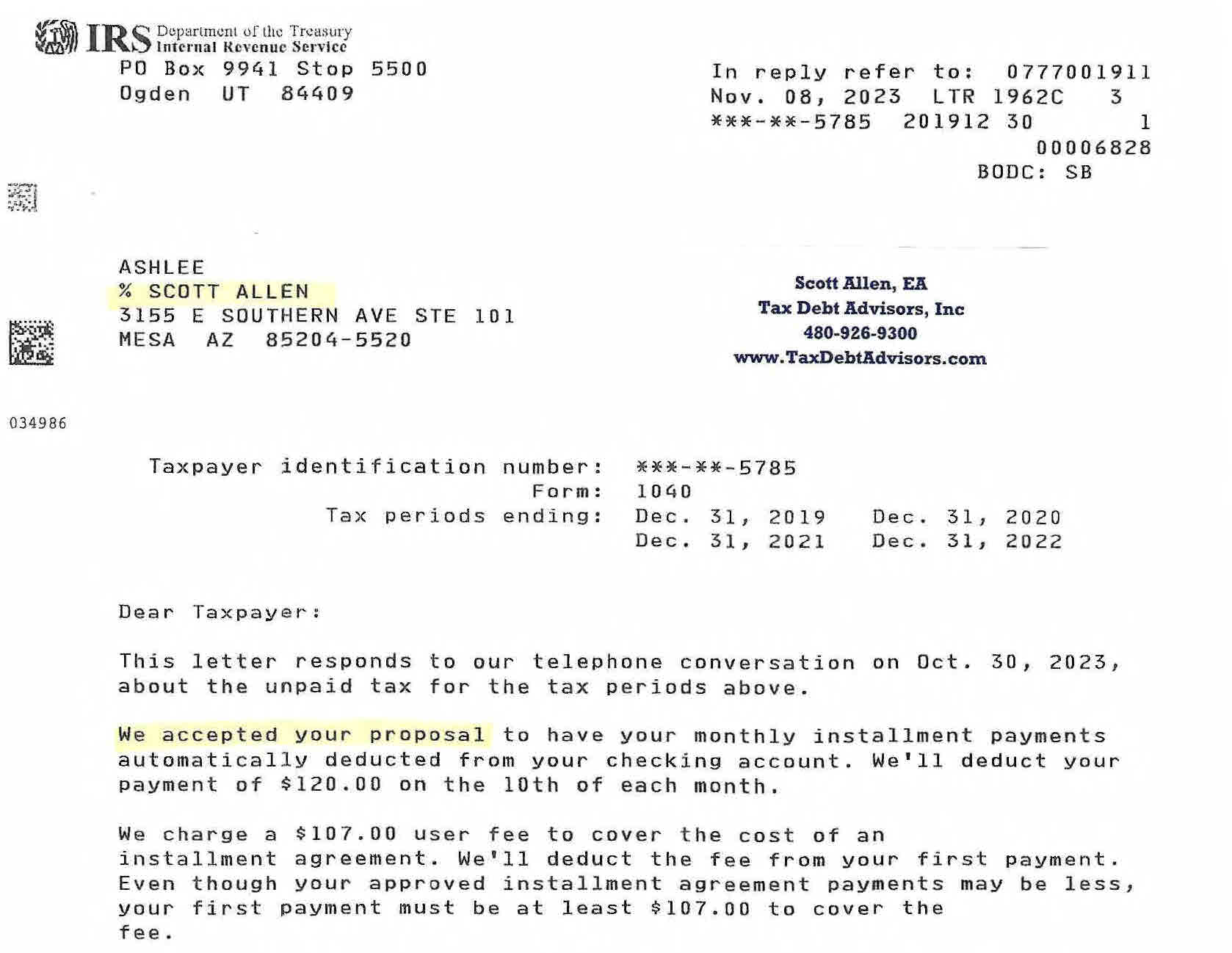
An Arizona state tax payment plan, officially known as an Installment Agreement, allows taxpayers to pay their outstanding tax liabilities over a set period. Managed by the Arizona Department of Revenue (ADOR), these plans are available for individuals and businesses who cannot pay their full tax balance immediately but remain committed to fulfilling their obligations through monthly installments.
Understanding Arizona Department of Revenue (ADOR) Payment Plans
Falling behind on state taxes can be a significant source of financial stress. For residents of the Grand Canyon State, the Arizona Department of Revenue offers a structured path toward compliance. An installment agreement is essentially a contract between the taxpayer and the state. By entering into this agreement, you acknowledge the debt and commit to a monthly payment schedule that eventually clears the balance, including interest and any applicable penalties.
In 2026, Arizona continues to utilize a flat tax system for individual income, which has simplified the calculation of liabilities for many. However, life events, under-withholding, or business fluctuations can still result in a tax bill that exceeds a household’s immediate cash flow. The primary purpose of the payment plan system is to prevent aggressive collection actions—such as wage garnishments or bank levies—while ensuring the state eventually receives the funds necessary to provide public services.
It is important to distinguish between "extending the time to file" and "extending the time to pay." An extension to file your return does not grant an extension to pay the taxes owed. If you realize you cannot pay by the April deadline, establishing a payment plan as early as possible is the most effective way to minimize the accumulation of late-payment penalties.
Eligibility Requirements for an Arizona Tax Installment Agreement
Not everyone is automatically granted a payment plan. The ADOR has specific criteria that must be met to ensure the taxpayer is acting in good faith. These requirements apply to both individual income tax and business-related taxes, such as Transaction Privilege Tax (TPT).
Filing Compliance
The most critical prerequisite for any payment plan is filing compliance. You must have filed all required tax returns for previous years. If you have unfiled returns, the ADOR will generally refuse to negotiate a payment arrangement until those records are brought up to date. This allows the state to determine the true total of your tax debt.
Financial Justification
For smaller balances—typically those under $10,000 for individuals—the approval process is often streamlined and may not require extensive financial disclosure. However, if you owe a substantial amount or request a payment term that exceeds 24 to 36 months, the ADOR may require a detailed financial statement. This helps the department determine if the proposed monthly payment is the maximum you can reasonably afford based on your income and necessary living expenses.
Current Tax Obligations
To remain eligible for a payment plan, you must stay current with all future tax obligations. This means if you are on a plan for the 2024 tax year, you must ensure that your 2025 and 2026 taxes are paid in full or appropriately withheld. Falling behind on current taxes is a frequent cause for the termination of existing installment agreements.
Step-by-Step Guide: How to Apply for an Arizona Tax Payment Plan
The application process has been modernized to favor digital submissions, though traditional paper methods remain available for those who prefer them or have complex cases.
Method 1: Online via AZTaxes.gov
The most efficient way to request a payment plan in 2026 is through the AZTaxes.gov portal. This system is designed for individual income tax liabilities and offers real-time feedback on eligibility.
- Register or Log In: If you haven't already, create a user account on the AZTaxes portal. You will need your Social Security Number (SSN) or Individual Taxpayer Identification Number (ITIN).
- Navigate to Payments: Once logged in, look for the "Individual" section and select the "Request a Payment Plan" option.
- Enter Debt Details: The system should pull your existing liabilities. You will need to specify the amount you can pay immediately as a down payment. A larger down payment reduces the total interest you will pay over time.
- Propose Monthly Amount: You will be asked to enter a monthly payment amount. The system will calculate the duration of the plan based on this figure.
- Submit for Review: Many small-balance plans are approved instantly. For larger amounts, you may receive a notification that your request is "Pending Review" by an ADOR agent.
Method 2: Paper Application (Form 140-IA)
If you cannot use the online portal, you must complete Arizona Form 140-IA, the Installment Agreement Request. This form requires you to provide your contact information, the tax years involved, and your proposed monthly payment amount.
When using the paper method, it is highly recommended to include your first monthly payment with the application. This demonstrates a "good faith" effort to resolve the debt. You should mail the form to the address specified in the instructions (usually the ADOR office in Phoenix). Be aware that paper processing can take several weeks, during which interest will continue to accrue.
Method 3: Business Tax Payment Plans
For businesses owing Transaction Privilege Tax (TPT) or withholding taxes, the process is more rigorous. Businesses are generally held to a higher standard because they are often "trust fund" taxes—money collected from customers or employees that belongs to the state. Business owners may need to contact the ADOR Collections Division directly to negotiate terms, especially if the business is still operational.
Costs, Interest, and Penalties Involved
Entering into a payment plan is not a "get out of jail free" card regarding the costs of the debt. While it stops aggressive collection, the financial cost of the debt continues to grow until the balance is zero.
Interest Rates
Arizona law requires the ADOR to charge interest on any unpaid tax balance. The interest rate is tied to the federal underpayment rate and is adjusted quarterly. In 2026, these rates remain competitive with market rates but are higher than typical savings account yields. Interest is compounded, meaning it is charged on the principal tax amount plus previously accrued interest.
Late Payment Penalties
The penalty for failing to pay tax by the due date is generally 0.5% of the unpaid tax for each month or fraction of a month the tax remains unpaid. This penalty can reach a maximum of 25% of the total tax due. While an installment agreement shows compliance, it does not automatically waive these penalties unless you can prove "reasonable cause" for the initial failure to pay.
Late Filing Penalties
If you failed to file your return on time and then set up a payment plan, you will also face a late filing penalty. This is significantly higher than the late payment penalty—typically 4.5% of the tax required to be shown on the return for each month it is late, also capped at 25%.
| Feature | Individual Income Tax Plan | Business (TPT/Withholding) Plan |
|---|---|---|
| Primary Form | Form 140-IA or AZTaxes.gov | Contact Collections Division |
| Typical Duration | 12 to 36 months | Often shorter (under 12 months) |
| Financial Disclosure | Only for high balances (>$10k-$25k) | Frequently required |
| Interest | Accrues monthly (variable rate) | Accrues monthly (variable rate) |
| Setup Fee | Generally none in 2026 | Generally none |
| Automatic Approval | Available for small balances online | Rare; usually requires manual review |
Managing and Modifying Your Payment Plan
Once your plan is active, the burden is on the taxpayer to ensure payments are made on time. The ADOR prefers Automatic Clearing House (ACH) debits, where the payment is automatically withdrawn from your bank account each month. This is the best way to avoid a "missed" payment due to mail delays or forgetfulness.
If your financial situation changes—for example, if you suffer a job loss or a significant medical emergency—you must contact the ADOR immediately. You may be able to request a temporary modification or a "skip-payment" month. However, these are granted at the department's discretion and usually require proof of hardship.
Conversely, if you receive a financial windfall, such as an inheritance or a bonus, you can make extra payments or pay off the balance entirely at any time without a prepayment penalty. Doing so will save you a significant amount in future interest charges.
What Happens if You Default?
A default occurs if you miss a payment, fail to file a new tax return, or fail to pay a new tax liability that arises after the agreement is signed. The consequences of defaulting are swift and severe:
- Termination of Agreement: The ADOR will send a notice of intent to terminate the installment agreement.
- Immediate Liability: The entire remaining balance, including all interest and penalties, becomes due immediately.
- Seizure of Assets: Once the agreement is void, the ADOR can proceed with enforced collection. This includes seizing funds from your bank accounts or garnishing your wages (where a portion of your paycheck is sent directly to the state).
- Tax Liens: The state may file a Notice of State Tax Lien. This is a public record that attaches to your property (like your home) and can severely damage your credit score, making it difficult to get loans or refinance property.
If you receive a notice of default, you typically have a short window (often 30 days) to contact the ADOR and "cure" the default by making the missed payment or providing the required information.
Frequently Asked Questions
Can I set up a payment plan if I haven't filed my 2026 return yet?
No. You must file your tax return first so the Arizona Department of Revenue knows exactly how much you owe. You can submit your return and your request for a payment plan (Form 140-IA) simultaneously, but the plan will not be finalized until the return is processed.
Will the state still take my future tax refunds if I am on a payment plan?
Yes. One of the standard conditions of an Arizona installment agreement is that any future state or federal tax refunds will be intercepted and applied toward your outstanding balance. This is in addition to your regular monthly payments and will help you pay off the debt faster.
What if I cannot afford even the minimum payment amount?
If your financial situation is so dire that you cannot afford a basic payment plan, you may want to look into an Offer in Compromise (OIC). This is a process where the ADOR allows you to settle your tax debt for less than the full amount owed. However, the requirements for an OIC are extremely strict, and you must prove that the debt is likely uncollectible in full.
Is there a fee to set up the payment plan?
As of 2026, Arizona does not typically charge a specific "setup fee" for installment agreements, unlike the IRS which often charges a fee for certain types of plans. However, you should check the latest instructions on Form 140-IA for any administrative updates.
Can I pay with a credit card?
Yes, the ADOR allows payments via credit card through third-party service providers. However, be aware that these providers charge a "convenience fee" (usually a percentage of the payment), which can make this a more expensive option than a direct bank transfer (ACH).
Practical Recommendation
If you owe Arizona state taxes and cannot pay in full, the best course of action is to act proactively. Log in to the AZTaxes.gov portal immediately after filing your return to see if you qualify for an automatic installment agreement. By setting up a plan before the ADOR begins its formal collection process, you maintain more control over your finances and avoid the public record of a tax lien. Always choose the shortest duration you can afford to minimize the long-term cost of interest and penalties.