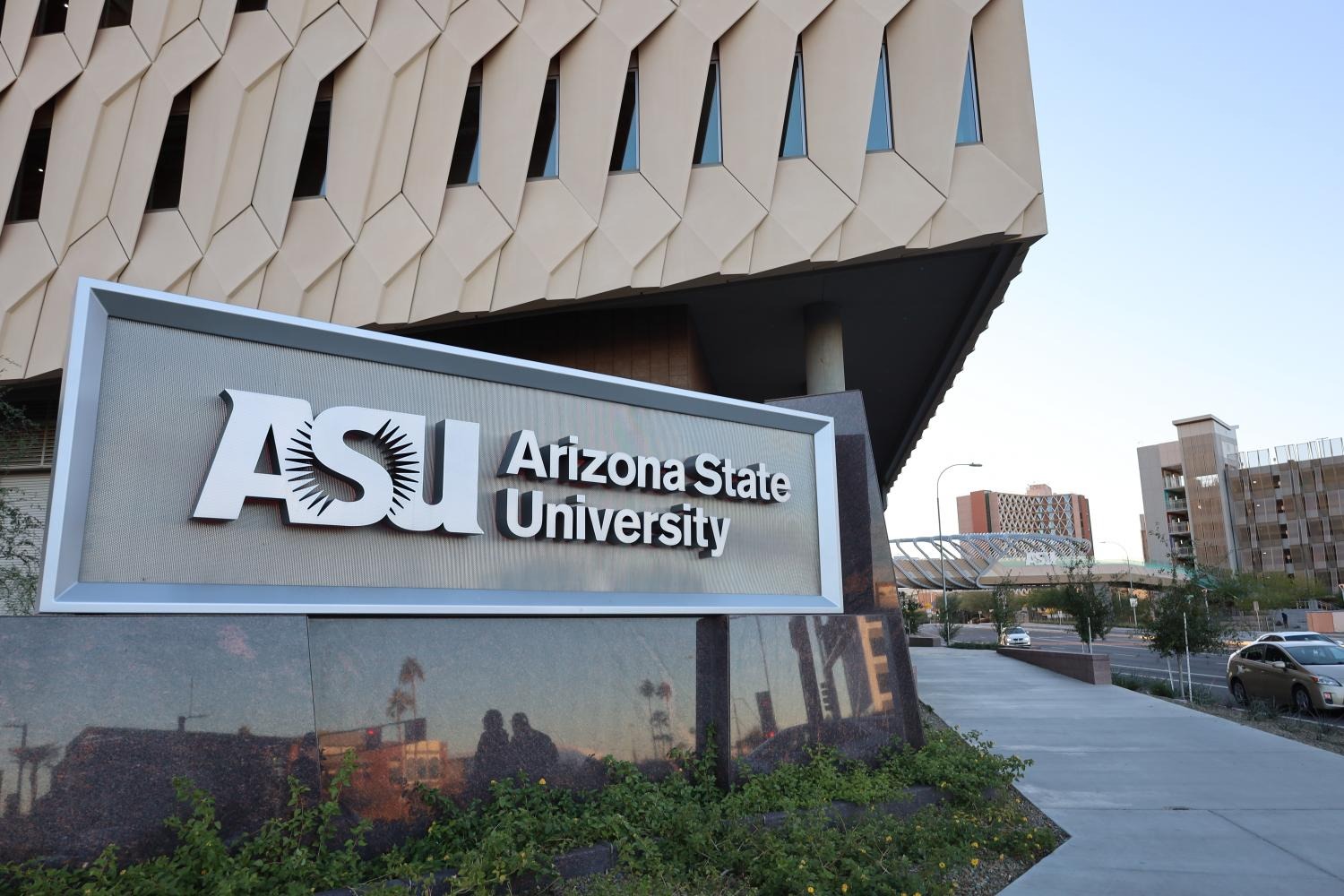
Arizona State University loans represent a critical component of the financial aid packages offered to students attending one of the nation's largest public research institutions. To access these funds, students must primarily complete the Free Application for Federal Student Aid (FAFSA), which enables ASU to determine eligibility for federal subsidized, unsubsidized, and PLUS loans. Additionally, the university facilitates access to private lending and institutional emergency loans to bridge remaining funding gaps.
Navigating the complexities of higher education financing requires a granular understanding of the various loan products available, their long-term costs, and the specific administrative requirements set by the Arizona State University Financial Aid and Scholarship Services office. As we look at the 2026-2027 academic year, the landscape of student borrowing continues to be defined by federal regulations, interest rate fluctuations, and institutional policies designed to support student retention.
The Foundation of ASU Financial Aid: The FAFSA
The journey to securing student loans at ASU begins with the Free Application for Federal Student Aid (FAFSA). For the 2026 academic cycle, the FAFSA serves as the single most important document for determining a student's "Student Aid Index" (SAI). This index is used by ASU to calculate the gap between a family's financial capability and the total cost of attendance (COA).
The COA at Arizona State University includes more than just tuition and fees; it encompasses housing, meals, books, supplies, transportation, and personal expenses. Because ASU is a multi-campus institution with significant online enrollment, the COA varies depending on whether a student is attending the Tempe, Downtown Phoenix, West Valley, or Polytechnic campus, or if they are enrolled through ASU Online.
Once the FAFSA is processed, ASU generates a Financial Aid Notification (FAN). This document outlines the specific types of loans the student is eligible to receive. It is important to note that loans are considered "self-help" aid, meaning they must be repaid with interest, unlike grants or scholarships. Students have the right to accept all, some, or none of the loans offered to them.
Federal Direct Subsidized and Unsubsidized Loans
For the vast majority of ASU undergraduates, Federal Direct Loans are the primary vehicle for borrowing. These loans are issued directly by the U.S. Department of Education and offer fixed interest rates and flexible repayment plans that are generally more favorable than private alternatives.
Direct Subsidized Loans
Direct Subsidized Loans are available to undergraduate students who demonstrate financial need. The hallmark of this loan is that the U.S. Department of Education pays the interest while the student is enrolled at ASU at least half-time (six credit hours for undergraduates). This subsidy also extends through the "grace period"—the first six months after a student leaves school or drops below half-time enrollment.
For an ASU student, this means that if they borrow $3,500 in their freshman year, the balance remains $3,500 upon graduation, provided they maintain their eligibility. This significantly reduces the total cost of the degree.
Direct Unsubsidized Loans
Direct Unsubsidized Loans are not based on financial need. They are available to both undergraduate and graduate students. Unlike subsidized loans, the borrower is responsible for all interest that accrues from the moment the loan is disbursed. If a student chooses not to pay the interest while in school, the interest will "capitalize," meaning it is added to the principal balance of the loan, leading to interest being charged on interest.
Graduate students at ASU are exclusively eligible for unsubsidized loans and PLUS loans; they do not qualify for subsidized federal loans.
Federal PLUS Loans for Parents and Graduate Students
When federal direct loan limits are reached and a funding gap remains, ASU students and their families often turn to PLUS loans. These require a separate application and a basic credit check.
Parent PLUS Loans
The Direct Parent PLUS Loan allows parents of dependent undergraduate students to borrow up to the full cost of attendance, minus any other financial aid received. At ASU, these loans are often used to cover housing and meal plans. It is important to understand that the legal responsibility for a Parent PLUS loan rests solely with the parent, not the student.
If a parent is denied a PLUS loan due to adverse credit history, the student may become eligible for additional Direct Unsubsidized Loan funds, providing a vital safety net for families facing credit challenges.
Grad PLUS Loans
Graduate and professional students at ASU (such as those in the Sandra Day O’Connor College of Law or the W. P. Carey School of Business) can utilize Grad PLUS loans. These loans have higher interest rates than standard unsubsidized loans but allow for borrowing up to the full COA. Like Parent PLUS loans, these require a credit check but offer the same federal protections, such as Deferment and Forgiveness programs.
Arizona State University Institutional and Emergency Loans
ASU recognizes that students may encounter sudden financial disruptions that cannot be addressed by federal aid cycles. To mitigate this, the university offers specific Institutional Loans and emergency funds.
The Sun Devil Short-Term Loan
The Sun Devil Short-Term Loan is designed for emergency situations where a student needs immediate cash for books, rent, or unforeseen expenses. These loans are typically small—often capped at $500 to $1,000—and must be repaid within the same semester. They are not intended to pay for tuition but serve as a bridge while waiting for other financial aid disbursements or employment income.
Emergency Financial Assistance
ASU’s Dean of Students office manages emergency grants and loans for students facing crises such as natural disasters, medical emergencies, or sudden loss of housing. These are handled on a case-by-case basis and require documentation of the hardship.
Private Student Loans: The Last Resort
Private student loans are issued by banks, credit unions, or online lenders. ASU generally recommends that students exhaust all federal options before pursuing private loans. Private loans often require a co-signer for undergraduate students and typically feature variable interest rates that can be significantly higher than federal fixed rates.
ASU provides access to a tool called ELMSelect, which allows students to compare various private lenders who have a history of working with ASU students. While ASU does not endorse specific lenders, this tool helps students filter options based on interest rates, repayment terms, and borrower benefits.
One major disadvantage of private loans is the lack of federal protections. Private lenders rarely offer Income-Driven Repayment (IDR) plans or Public Service Loan Forgiveness (PSLF), making them riskier for students entering lower-paying public service fields.
Loan Limits, Interest Rates, and Fees for 2026
The amount a student can borrow at ASU is governed by federal law and depends on their year in school and their dependency status.
Annual and Aggregate Limits
Dependent students have lower borrowing limits than independent students, as the government assumes parents will contribute to the costs. For the 2026 academic year, the following limits generally apply to Federal Direct Loans:
| Student Level | Dependent Annual Limit | Independent Annual Limit |
|---|---|---|
| Freshman (0-29 credits) | $5,500 (max $3,500 subsidized) | $9,500 (max $3,500 subsidized) |
| Sophomore (30-59 credits) | $6,500 (max $4,500 subsidized) | $10,500 (max $4,500 subsidized) |
| Junior/Senior (60+ credits) | $7,500 (max $5,500 subsidized) | $12,500 (max $5,500 subsidized) |
| Graduate/Professional | N/A | $20,500 (unsubsidized only) |
| Aggregate Limit (Total) | $31,000 (Undergrad) | $57,500 (Undergrad) / $138,500 (Grad) |
Interest Rates and Origination Fees
Interest rates for federal loans are set annually by Congress each July. For loans disbursed in the 2026-2027 period, borrowers should check the Federal Student Aid website for the most current rates. Additionally, federal loans carry an "origination fee," which is a percentage of the total loan amount deducted at the time of disbursement. As of 2026, these fees typically hover around 1% for Direct Loans and 4% for PLUS loans.
The Disbursement Process at ASU
Once a student accepts their loans through the My ASU portal, several steps must be completed before the funds are released. First-time borrowers must complete Entrance Counseling and sign a Master Promissory Note (MPN).
Entrance Counseling is an interactive online session that explains the student's rights and responsibilities. The MPN is the legal document in which the student promises to repay the loan and any accrued interest and fees to the U.S. Department of Education.
At ASU, financial aid is typically disbursed in two installments—one at the start of the fall semester and one at the start of the spring semester. The funds are first applied directly to the student's ASU account to cover tuition, fees, and on-campus housing. If the loan amount exceeds these institutional charges, the remaining balance is issued to the student as a "refund." Students are encouraged to set up Direct Deposit via My ASU to receive these funds quickly, which can then be used for off-campus rent, groceries, and supplies.
Maintaining Eligibility and Repayment
To keep their loans, ASU students must maintain Satisfactory Academic Progress (SAP). This involves three main criteria:
- GPA: Maintaining a minimum cumulative GPA (usually 2.0 for undergraduates).
- Pace: Completing at least 67% of all credit hours attempted.
- Maximum Timeframe: Completing the degree within 150% of the published program length.
Failure to meet SAP can lead to a loss of financial aid eligibility, including the ability to take out federal loans.
Exit Counseling and Loan Servicers
When a student graduates from ASU, leaves the university, or drops below half-time enrollment, they must complete Exit Counseling. This session prepares the student for repayment, explaining the various plans available, such as Standard, Graduated, and Income-Driven Repayment.
The U.S. Department of Education assigns each loan to a Loan Servicer (such as Mohela, Nelnet, or Aidvantage). This third-party company handles the billing and customer service for the loan. Students should identify their servicer immediately upon graduation to avoid missing their first payment after the six-month grace period.
Common Pitfalls and Troubleshooting
Many ASU students encounter issues with loan disbursement due to simple administrative errors. A common mistake is failing to enroll in the minimum number of credit hours. Federal loans require at least half-time enrollment; if a student drops a class and falls below six credits, their loan disbursement will be paused or reversed.
Another issue involves "Verification." The Department of Education selects a percentage of FAFSA applications for a review process. If selected, ASU will require the student to submit additional documentation, such as tax transcripts. Loans will not disburse until the verification process is complete, which can take several weeks.
Students should also be wary of over-borrowing. Just because a student is offered the maximum loan amount does not mean they should take it. Using a loan calculator to estimate monthly payments after graduation can help students make more informed decisions about their debt-to-income ratio.
Frequently Asked Questions
Do I have to pay back ASU loans if I don't graduate?
Yes. Student loans are a legal obligation that remains even if you do not complete your degree at Arizona State University. Failure to repay can lead to defaulted loans, which severely damages your credit score and can lead to wage garnishment or the withholding of tax refunds.
Can I use my ASU student loans to pay for off-campus housing?
Yes. If your total financial aid package (including loans) exceeds your tuition and fee charges at ASU, the university will issue a refund. You can use this refund to pay for off-campus rent, utilities, and other living expenses. However, you should budget carefully to ensure the refund lasts the entire semester.
How do I apply for an ASU emergency loan?
Students seeking emergency assistance should contact the ASU Financial Aid and Scholarship Services office or the Dean of Students. For the Sun Devil Short-Term Loan, the application is typically available through the "Finances" tab on the My ASU portal during specific windows at the start of each semester.
What is the difference between an ASU loan and an ASU scholarship?
A scholarship is a "gift" that does not need to be repaid, usually awarded based on merit or financial need. A loan is "borrowed money" that must be repaid with interest. ASU students are always encouraged to apply for scholarships through the ASU Scholarship Portal before accepting loans.
Can I cancel a loan after I have accepted it?
Yes. Students have the right to cancel all or part of a loan within 14 days of the disbursement notification. You should contact the ASU Financial Aid office immediately if you decide you do not need the funds you previously accepted.
Strategic Recommendation for ASU Students
To minimize long-term debt, Arizona State University students should adopt a "Tiered Borrowing" strategy. First, maximize all "gift aid" such as Pell Grants, ASU Merit Scholarships, and external grants. Second, accept the full amount of Direct Subsidized Loans offered, as these are the most cost-effective. Only then should you consider Unsubsidized Loans. Avoid Parent PLUS and private loans unless absolutely necessary, and always borrow the minimum amount needed to cover essential costs rather than the maximum amount offered. Regularly monitoring your loan balance through the Federal Student Aid dashboard will ensure you remain in control of your financial future as you transition from a Sun Devil to a working professional.