Arizona substance abuse treatment involves navigating a complex network of state-funded programs through AHCCCS, private rehabilitation centers, and community-based support services. To access help in 2026, individuals should first determine their insurance eligibility, identify the required level of clinical care—ranging from medically managed detox to intensive outpatient programs—and verify facility licensing through the Arizona Department of Health Services.
The landscape of substance use disorders (SUD) in Arizona has evolved significantly leading into 2026. While the state remains a critical corridor for drug trafficking due to its geography, the public health response has shifted toward integrated care models that treat addiction alongside mental health. Whether you are seeking help for yourself or a loved one, understanding the specific legal, financial, and clinical frameworks within the Grand Canyon State is essential for a successful recovery journey.
Disclaimer: This article is for informational purposes only and does not constitute medical or legal advice. If you are experiencing a life-threatening overdose or medical emergency, call 911 immediately or contact the National Suicide and Crisis Lifeline at 988.
The Current State of Substance Abuse in Arizona (2026)
As of 2026, Arizona continues to face significant challenges regarding synthetic opioids, specifically fentanyl, and a resurgence in methamphetamine use. However, the state’s infrastructure for reporting and responding to these crises has become more robust. Data from the Arizona Department of Health Services (ADHS) indicates that while overdose rates have stabilized in certain urban pockets of Maricopa and Pima counties, rural communities still struggle with limited access to specialized care.
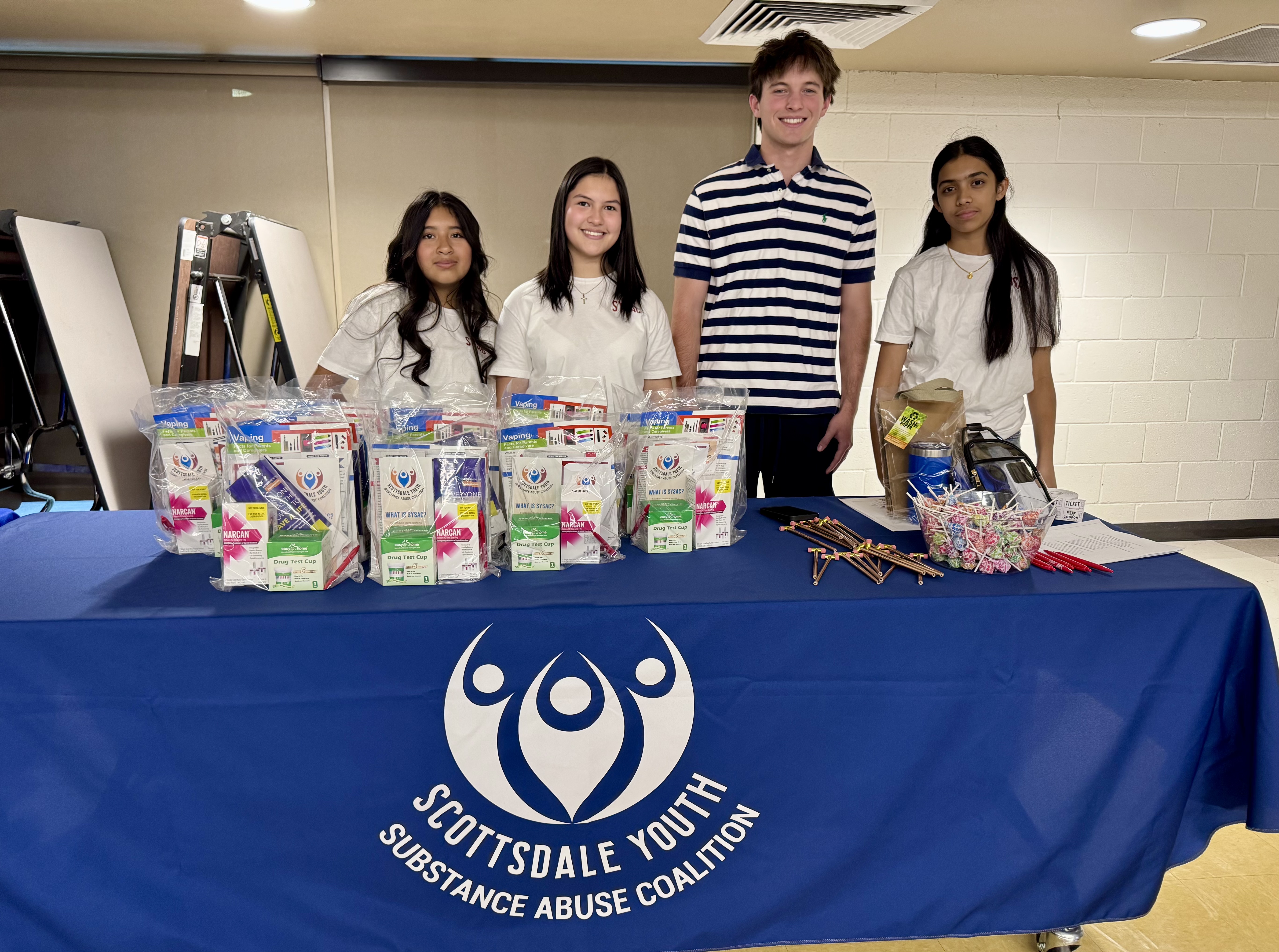
The "Arizona Opioid Action Plan," now in its updated 2026 iteration, emphasizes the distribution of naloxone (Narcan) and the expansion of Medication-Assisted Treatment (MAT). Substance abuse in the state is not limited to illicit drugs; alcohol remains the most frequently cited primary substance of abuse for those entering long-term treatment facilities in Arizona.
Regional Trends and Challenges
- Urban Centers (Phoenix and Tucson): These areas host the highest density of "Centers of Excellence," which are facilities recognized for high-standard integrated care.
- Rural and Tribal Lands: Access remains the primary hurdle. Telehealth initiatives expanded significantly between 2023 and 2026, allowing residents in the High Country or the Western deserts to consult with addiction specialists via secure digital platforms.
- Border Dynamics: Arizona's proximity to the international border influences the purity and price of illicit substances, often leading to higher rates of accidental poisoning when substances are adulterated with potent synthetics.
Understanding Levels of Care in Arizona
Arizona follows the American Society of Addiction Medicine (ASAM) criteria to determine the appropriate level of care for patients. This standardized approach ensures that individuals receive treatment that is neither more nor less intensive than necessary.
1. Medically Managed Withdrawal Management (Detox)
For many, the first step is detoxification. In Arizona, "Social Detox" facilities (non-medical) have largely been replaced by medical detox centers due to the high risks associated with fentanyl and alcohol withdrawal. These programs provide 24/7 nursing supervision and physician-led interventions to manage physical dependence safely.
2. Residential Treatment (Inpatient)
Residential care in Arizona often takes place in licensed facilities that provide a structured environment for 30 to 90 days. These programs are ideal for those with unstable home environments or severe, long-term addictions. Many Arizona facilities utilize the state's natural landscape, offering outdoor therapy components as part of their clinical curriculum.
3. Partial Hospitalization Programs (PHP)
PHP serves as a bridge between inpatient and outpatient care. Patients typically attend treatment for 5 to 8 hours a day, five days a week, but return home or to a sober living environment at night. This level of care is heavily utilized in Arizona’s larger metro areas.
4. Intensive Outpatient Programs (IOP)
IOP is the cornerstone of long-term recovery for many Arizonans. It usually involves 9 to 15 hours of therapy per week. In 2026, most IOPs in the state offer evening sessions to accommodate individuals who have returned to the workforce.
Comparing Treatment Options in Arizona
Choosing the right facility requires comparing costs, lengths of stay, and therapeutic approaches. The following table outlines the general structure of the Arizona treatment landscape.
| Care Level | Typical Duration | Best For | Average Cost (Self-Pay) | Insurance Coverage |
|---|---|---|---|---|
| Medical Detox | 3–7 Days | Severe physical dependence | $500–$1,500/day | High (AHCCCS & Private) |
| Residential | 30–90 Days | High risk of relapse, dual diagnosis | $15,000–$40,000 | Variable; requires pre-auth |
| PHP | 2–4 Weeks | Transitioning from inpatient | $300–$800/day | Generally covered |
| IOP | 8–12 Weeks | Mild to moderate SUD; working adults | $100–$300/session | Widely accepted |
| Sober Living | 6–12 Months | Post-treatment stabilization | $600–$1,500/month | Rarely covered by insurance |
Financing Substance Abuse Treatment in Arizona
One of the most significant barriers to recovery is the perceived cost. However, Arizona provides several avenues for funding treatment, ranging from state-sponsored insurance to federal grants.
AHCCCS (Arizona’s Medicaid)
The Arizona Health Care Cost Containment System (AHCCCS) is the state’s Medicaid agency. AHCCCS is a national leader in integrated care, meaning it covers both physical and behavioral health services under one plan. For those who qualify based on income, AHCCCS covers detox, residential treatment, and MAT.
In 2026, AHCCCS has implemented stricter oversight of behavioral health providers to prevent the fraudulent "sober living" schemes that impacted the state in previous years. Always verify that a provider is an "AHCCCS Registered Provider" through the official AHCCCS portal.
Private Insurance and the Parity Act
The Mental Health Parity and Addiction Equity Act requires insurance providers to offer substance abuse benefits that are no more restrictive than surgical or medical benefits. In Arizona, major providers like Blue Cross Blue Shield of Arizona, Cigna, and Aetna offer robust coverage for SUD treatment. Most facilities have an admissions team that will perform a "Verification of Benefits" (VOB) at no cost to the patient.
SABG (Substance Abuse Block Grant)
For individuals who do not qualify for AHCCCS and lack private insurance, Arizona receives federal funds through the Substance Abuse Prevention and Treatment Block Grant. These funds are often administered through Regional Behavioral Health Authorities (RBHAs) and are specifically earmarked for high-priority populations, such as pregnant women and IV drug users.
Legal Protections: Arizona's "Good Samaritan" Law
Arizona’s Good Samaritan Law (A.R.S. § 13-3423) was designed to encourage people to call 911 during an overdose without fear of being charged with drug possession. Under this law, a person who seeks medical assistance for someone experiencing a drug-related overdose—and the person experiencing the overdose—cannot be charged or prosecuted for the possession of a controlled substance or drug paraphernalia if the evidence was gained as a result of seeking help.
This law is a critical component of the state’s harm reduction strategy in 2026. Education regarding this protection is vital, as fear of legal repercussions often leads to fatal delays in seeking emergency medical care.
How to Verify a Treatment Facility in Arizona
With the proliferation of treatment centers, it is crucial to perform due diligence. Arizona has specific licensing requirements managed by the Bureau of Residential Facilities Licensing.
- Check the License: Ensure the facility is licensed by the Arizona Department of Health Services (ADHS) for "Behavioral Health Residential" or "Outpatient" services.
- Verify Accreditation: Look for "Gold Seal" approval from The Joint Commission (JCAHO) or accreditation from CARF International. These organizations conduct rigorous, third-party audits of clinical practices.
- Confirm Evidence-Based Practices: High-quality centers in Arizona should offer therapies such as Cognitive Behavioral Therapy (CBT), Dialectical Behavior Therapy (DBT), and, where appropriate, MAT (Buprenorphine or Naltrexone).
- Avoid "Patient Brokering": Be wary of "referral services" that offer free flights or cash incentives to attend a specific facility. These practices are illegal in Arizona and often indicate sub-standard care.
Support Systems and Aftercare
Recovery does not end when a formal treatment program is completed. Arizona has a robust community of support that is essential for maintaining long-term sobriety.
- 12-Step Programs: Alcoholics Anonymous (AA) and Narcotics Anonymous (NA) have a deep presence in Arizona, with hundreds of meetings weekly in the Phoenix and Tucson metro areas.
- SMART Recovery: For those seeking a secular, science-based alternative to 12-step programs, SMART Recovery meetings are increasingly common in Arizona's urban centers.
- Oxford Houses: These are democratically run, self-supporting, and drug-free group homes. Arizona has a growing network of Oxford Houses that provide an affordable sober living environment.
- Family Support: Organizations like Al-Anon and Nar-Anon offer support for the family members of those struggling with addiction, recognizing that substance abuse is a "family disease."
Common Barriers to Treatment in 2026
Despite the availability of resources, several hurdles remain for Arizona residents:
- Wait Times for State-Funded Beds: While AHCCCS coverage is comprehensive, the demand for residential beds often exceeds supply, leading to waitlists.
- Transportation: In a state as geographically vast as Arizona, getting to an outpatient clinic can be difficult for those without a vehicle, especially in the northern and western counties.
- Stigma: In smaller, more conservative Arizona communities, the stigma surrounding addiction remains a significant deterrent to seeking help.
- Dual Diagnosis Complexity: Many individuals with SUD also suffer from untreated mental health conditions like PTSD or bipolar disorder. Finding a facility that is truly equipped for "Dual Diagnosis" can be challenging.
Frequently Asked Questions
How do I find an AHCCCS-approved rehab in Arizona?
You can find an AHCCCS-approved provider by visiting the AHCCCS Online Provider Search. Additionally, you can contact your specific health plan (such as Mercy Care or Arizona Complete Health) for a list of in-network behavioral health facilities.
Can I get Narcan (Naloxone) for free in Arizona?
Yes. In 2026, Arizona has a standing order that allows pharmacists to dispense naloxone without an individual prescription. Many community health organizations and the ADHS provide naloxone kits free of charge to the public to prevent opioid overdose deaths.
What is the "Arizona Opioid Assistance" line?
Arizona operates a 24/7 Opioid Assistance + Referral Line at 1-888-688-4422. This service provides immediate support, information on where to find treatment, and guidance on how to use naloxone. It is staffed by healthcare professionals who can help navigate the state's resources.
Are there specific programs for veterans in Arizona?
Yes. Arizona has one of the highest veteran populations in the country. The Phoenix and Tucson VA Healthcare Systems offer specialized substance abuse programs. Additionally, many private facilities in Arizona are "Community Care" providers for the VA, allowing veterans to receive treatment outside of the VA system using their benefits.
What should I do if a sober living home seems fraudulent?
If you suspect a sober living home is engaging in unethical behavior, such as insurance fraud or patient neglect, you should report it to the Arizona Department of Health Services and the Arizona Attorney General’s Office. Arizona has significantly increased enforcement against "bad actors" in the recovery space since 2023.
Taking the First Step Toward Recovery
If you are dealing with Arizona substance abuse issues, the most important action is to break the cycle of isolation. Start by calling the 24/7 Arizona Opioid Assistance line or your insurance provider’s behavioral health department. For those without insurance, visiting a community health center to apply for AHCCCS is a vital first step. Recovery is not a linear process, but within Arizona’s 2026 healthcare framework, the resources are more integrated and accessible than ever before. Reach out today to secure a clinical assessment and begin a tailored treatment plan.