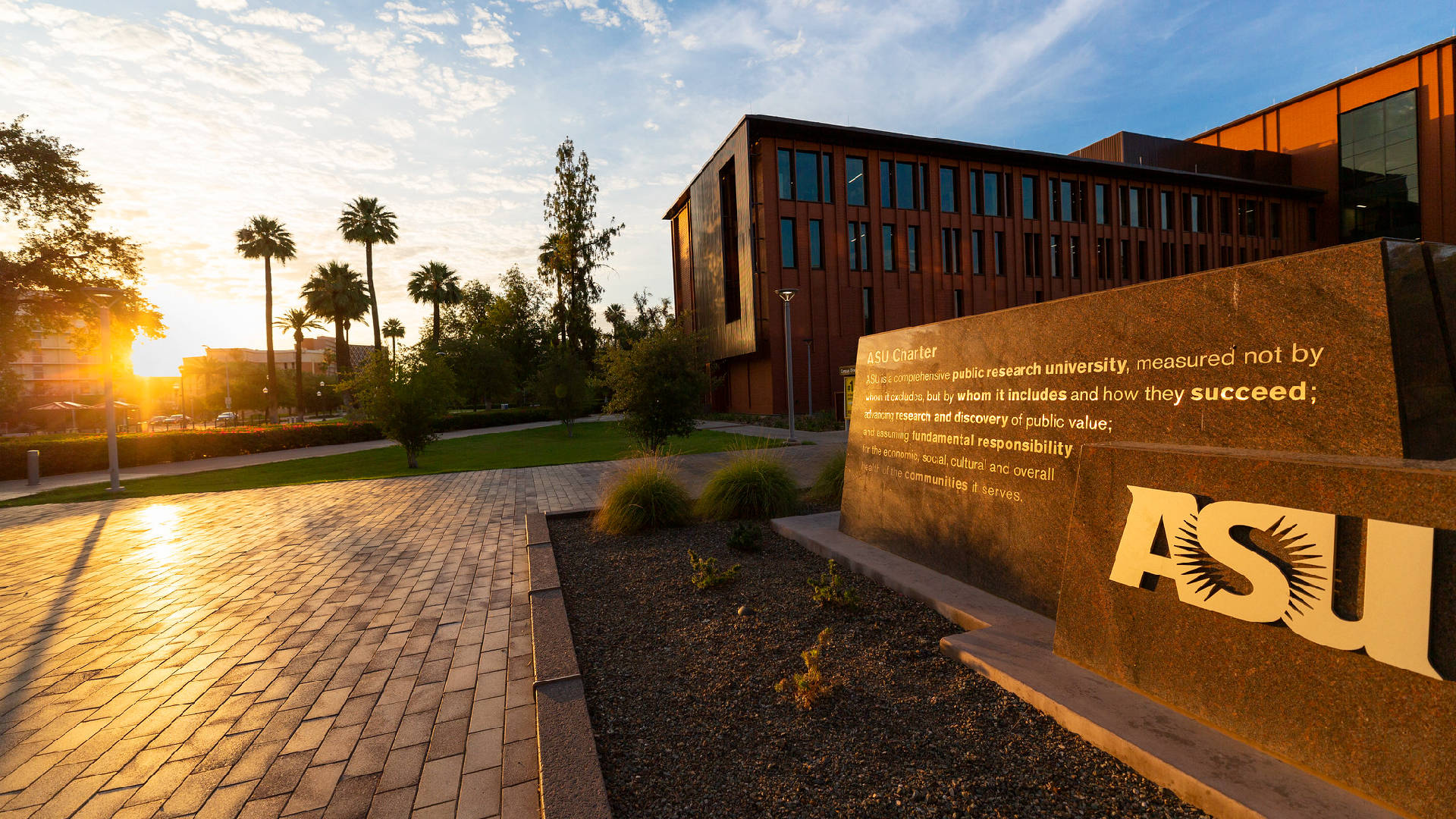
Student life at Arizona State University’s Mesa locations offers a distinct, hands-on environment that blends the technical rigor of the Polytechnic campus with the creative innovation of the Mesa City Center. Students benefit from specialized facilities, tight-knit residential communities, and direct industry connections in fields like aviation, engineering, and digital media.
Understanding the Dual Presence: Polytechnic and Mesa City Center
To understand student life in Mesa, one must distinguish between the two primary hubs: the ASU Polytechnic Campus and the ASU at Mesa City Center. While both are located within the City of Mesa, they offer vastly different atmospheres and academic focuses.
The Polytechnic campus, situated on the former Williams Air Force Base in southeast Mesa, is a sprawling, self-contained "innovation hub." It is home to the Ira A. Fulton Schools of Engineering, the Mary Lou Fulton Teachers College, and the W. P. Carey School of Business. The culture here is defined by "learning by doing," where students spend as much time in labs and flight simulators as they do in traditional classrooms.
In contrast, the ASU at Mesa City Center—specifically the Media and Immersive eXperience (MIX) Center—is an urban, vertical campus located in the heart of downtown Mesa. Opened in 2022 and fully matured by 2026, this facility houses the Sidney Poitier New American Film School and programs from the Herberger Institute for Design and the Arts. Student life here is integrated into the city’s downtown fabric, characterized by proximity to art galleries, local coffee shops, and the Mesa Arts Center.
Residential Life and Housing Infrastructure
Living on campus at the Mesa locations provides a "small college" feel within the context of a massive research university. For many students, this balance is the primary draw.
Century Hall and the Freshman Experience
At the Polytechnic campus, Century Hall serves as the primary residence for first-year students. Designed with the "Residential College" model in mind, it groups students by their academic majors. This ensures that an engineering student is living next to other engineering students, facilitating natural study groups and peer mentorship. The facility features:
- Academic Support: On-site tutoring centers and "maker spaces" where students can work on prototypes.
- Community Spaces: Large common areas, gaming rooms, and community kitchens that serve as the social heart of the building.
- Safety and Security: 24/7 staff presence and secure key-card access.
Upperclassman and Graduate Housing
For older students, Falcon Hall and Talon Hall offer more independent living arrangements. These halls often house students in the aviation and professional flight programs, who frequently need to be near the Phoenix-Mesa Gateway Airport for early morning flight blocks. The environment is quieter and more professional than typical freshman dorms.
Urban Living at Mesa City Center
Students attending classes at the MIX Center often choose between commuting from the Tempe campus (via the inter-campus shuttle) or living in private residential developments in downtown Mesa. By 2026, several "student-friendly" apartment complexes have emerged within walking distance of the MIX Center, offering amenities like high-speed fiber internet tailored for digital media students who deal with massive file renders.
Academic Integration and Specialized Facilities
Student life in Mesa is inextricably linked to the high-tech facilities available to students. The "Poly" experience is defined by the Interdisciplinary Science and Technology Building (ISTB) 12 and the various engineering sheds.
The Polytechnic "Lab Culture"
Students at Poly often describe their social life as revolving around their projects. It is common to see students in the Makerspace at 10:00 PM working on a robotics competition entry or a sustainable farming project. The campus houses over 50 labs, including:
- The Print Lab: One of the few facilities in the Southwest where students can work with industrial-grade 3D printing and graphic communications technology.
- The Flight Simulator Lab: A focal point for aviation students, providing a high-stakes, professional environment that builds camaraderie among future pilots.
The MIX Center: A Creative Powerhouse
At the Mesa City Center, student life is centered on the MIX Center’s world-class soundstages and screening rooms. Students here spend their hours collaborating on film sets, designing virtual reality environments, and mastering audio engineering. The facility includes:
- A 180-seat screening room for student film festivals and industry critiques.
- Enhanced Reality (XR) stages, which are a major draw for students interested in the intersection of film and gaming.
- The Studios at Mesa City Center, which provide community-facing spaces where students can interact with local entrepreneurs and residents.
Dining, Sustenance, and Local Culture
Dining at the Mesa campuses has evolved significantly to meet the needs of a growing student population.
On-Campus Dining (Polytechnic)
The Citrus Dining Pavilion at the Polytechnic campus is the primary hub for meal plans. It is known among the broader ASU community for having a more relaxed, "neighborhood" atmosphere than the high-traffic dining halls in Tempe. In addition to the main pavilion, the campus features:
- The Poly Marketplace: A grab-and-go option for students in a rush between labs.
- Starbucks: A perennial social anchor for both students and faculty.
The Downtown Mesa Scene (MIX Center)
Students at the MIX Center typically rely on the diverse culinary landscape of downtown Mesa. Popular spots include:
- Worth Takeaway: Known for artisanal sandwiches and a favorite for student lunch breaks.
- Postino WineCafe: A common evening gathering spot for older students and faculty.
- Chupacabra Taproom: A popular weekend destination for the graduate student population.
Health, Wellness, and Recreation
ASU places a heavy emphasis on student well-being, and the Mesa locations are no exception.
Sun Devil Fitness Complex (SDFC) - Polytechnic
The SDFC at Polytechnic is a massive 63,000-square-foot facility. Because the student population at Poly is smaller than at Tempe, the SDFC offers a more intimate fitness experience.
- Outdoor Recreation: The campus layout is ideal for cycling and longboarding. The SDFC also organizes "Poly on the Prowl" events and desert hiking trips.
- Pool and Courts: The facility includes a large outdoor pool, which is essential for the Arizona climate, and multiple courts for basketball and volleyball.
Wellness at Mesa City Center
While the MIX Center does not have its own dedicated gym, students have access to the SDFC facilities at any ASU campus. Many MIX Center students utilize the nearby Mesa Plaza and urban parks for outdoor activity, or they take the light rail to the Tempe SDFC for full-scale athletic facilities.
Comparison of ASU Mesa Campus Locations
| Feature | ASU Polytechnic Campus | ASU at Mesa City Center (MIX) |
|---|---|---|
| Primary Academic Focus | Engineering, Aviation, STEM, Business | Film, Digital Media, XR, Creative Arts |
| Atmosphere | Self-contained, suburban, tech-heavy | Urban, creative, integrated with downtown |
| Housing | Century, Falcon, and Talon Halls | Private downtown apartments / Commuter |
| Key Facility | ISTB 12 / Flight Simulators | MIX Center Soundstages & XR Studios |
| Social Hub | Citrus Dining Pavilion / SDFC | Downtown Mesa / Mesa Arts Center |
| Transportation | Inter-campus Shuttle / Phoenix-Mesa Gateway | Light Rail / Inter-campus Shuttle |
Student Organizations and Professional Development
Engagement at the Mesa campuses often leans toward professional development and niche interests.
Student Government (USG-P)
The Undergraduate Student Government at Polytechnic (USG-P) is highly active in representing the specific needs of the Mesa student body. They manage budgets for dozens of student clubs, ranging from the Polytechnic Esports team to the Women in Aviation chapter.
Industry-Specific Clubs
- Sun Devil Motorsports: Students spend hundreds of hours designing and building Formula-style race cars for national competitions.
- The Film Association: At the MIX Center, this group organizes "48-hour film challenges" and networking events with industry professionals visiting from Los Angeles.
- EcoCAR Challenge: A cross-disciplinary team of engineering and business students working on the future of sustainable transportation.
Navigating Transportation Between Campuses
A common concern for students living at the Mesa campuses is how to access the resources at the Tempe or Downtown Phoenix campuses.
The ASU Shuttle System
ASU operates a robust, free shuttle system for students and staff. The Gold Route connects the Polytechnic campus directly to the Tempe campus, with buses running approximately every 15–30 minutes during peak hours. The ride typically takes 35–45 minutes, depending on traffic on the Loop 101 or US-60.
Valley Metro Light Rail
For students at the Mesa City Center, the Valley Metro Light Rail is the primary artery. The MIX Center is located just steps away from the Center St/Main St station. This provides easy, affordable access to Tempe, Downtown Phoenix, and the airport without the need for a car.
Frequently Asked Questions
Is the ASU Polytechnic campus "boring" compared to Tempe?
It depends on what you value. While it lacks the massive crowds and Greek Life dominance of Tempe, it offers a much more hands-on, community-focused environment. Students who enjoy "making things" and prefer a quieter atmosphere often find Polytechnic more rewarding.
Do I need a car if I am a student at the Mesa campuses?
For the Polytechnic campus, having a car is highly recommended due to its suburban location and the distance to major shopping centers. However, for the Mesa City Center, a car is optional as the light rail and shuttle systems provide excellent connectivity to the rest of the Phoenix metro area.
Can I use the facilities at Tempe if I am a Mesa student?
Yes. Your ASU ID card (Sun Card) grants you access to all ASU libraries, fitness centers (SDFC), and student unions across all four campuses (Tempe, West Valley, Downtown Phoenix, and Polytechnic).
What is the closest airport to the Mesa campuses?
The Polytechnic campus is adjacent to the Phoenix-Mesa Gateway Airport (AZA), which is primarily served by Allegiant Air. For major international and domestic flights, Phoenix Sky Harbor (PHX) is approximately 30 minutes away by car or an hour via the shuttle/light rail.
Are there internship opportunities specifically in Mesa?
Yes. The City of Mesa has a growing tech and aerospace corridor. Students at Polytechnic often intern with companies like Boeing, Northrop Grumman, or Embraer, which have major operations nearby. MIX Center students benefit from the growing film and media industry presence in downtown Mesa.
Practical Recommendations for Incoming Students
If you are planning to attend ASU at one of the Mesa locations in 2026, consider the following actions to ensure a smooth transition:
- Visit both locations: The "vibe" of Polytechnic is very different from the MIX Center. Spend a day at each to see where you feel more comfortable.
- Apply for housing early: Century Hall fills up quickly, especially for popular programs like Engineering and Aviation.
- Engage with a professional club: Because the Mesa campuses are smaller, joining a club like Sun Devil Motorsports or the Film Association is the fastest way to build a social circle and gain practical skills.
- Download the ASU Mobile App: This is essential for tracking shuttles in real-time and managing your "M&G" (Maroon and Gold) dining dollars.
- Explore Downtown Mesa: Don't limit yourself to the MIX Center; the surrounding galleries and local businesses are major components of the student experience in Mesa.
For more information on current tuition rates and enrollment deadlines for the 2026-2027 academic year, visit the official ASU website or the City of Mesa’s education portal.