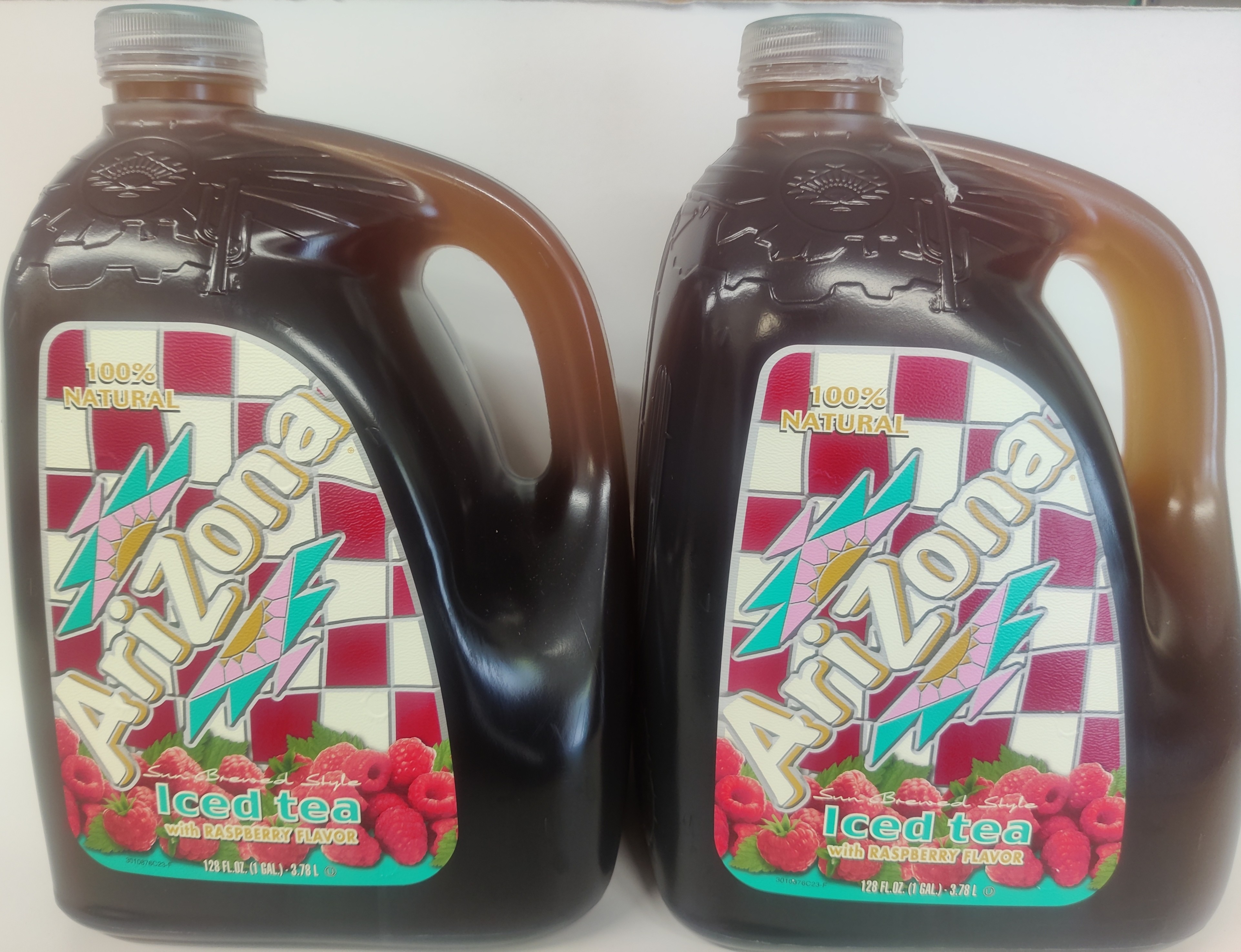
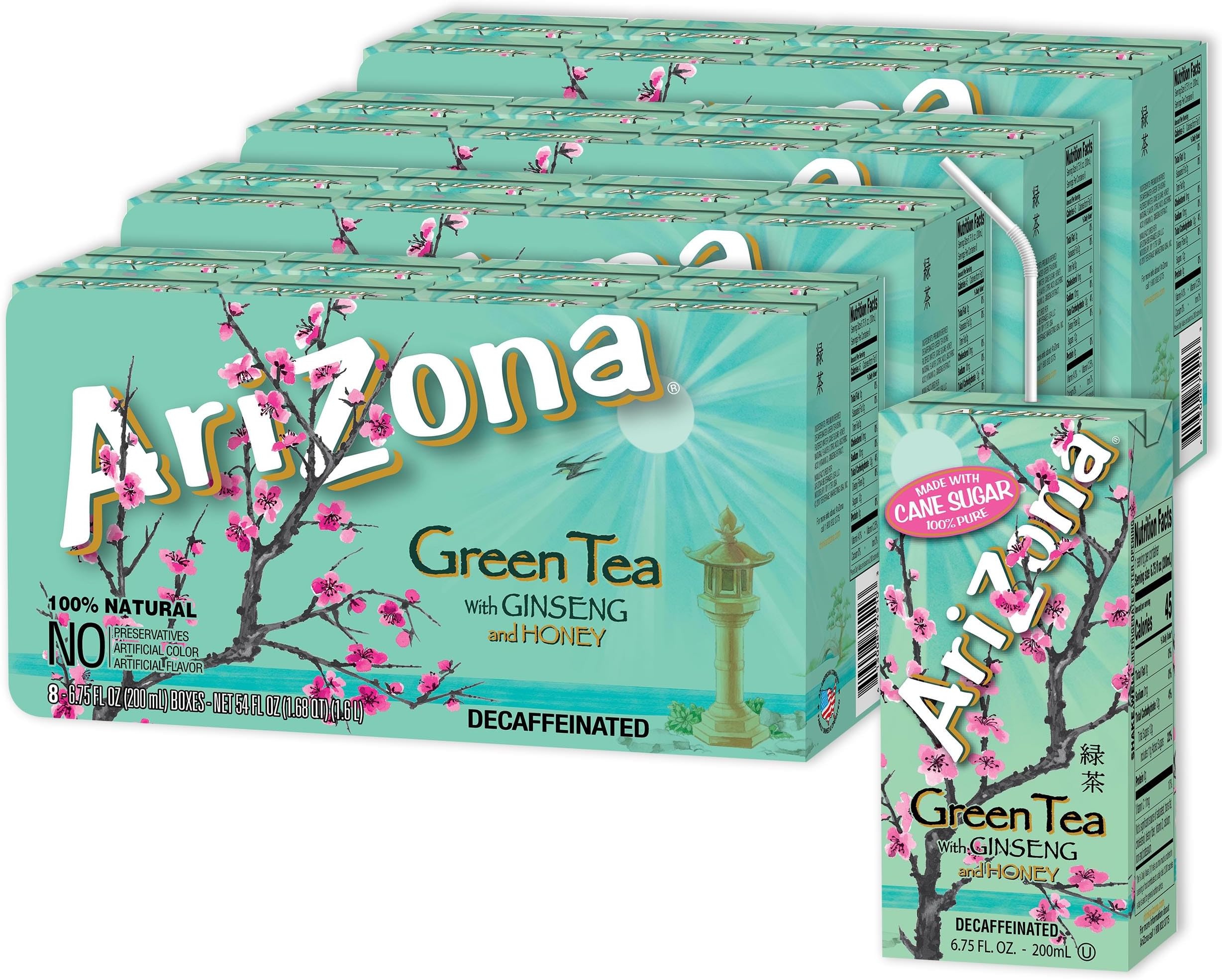
As of 2026, the estimated net worth of AriZona Beverages remains a subject of intense fascination within the financial world, with the private company valued between $4 billion and $5 billion. Founder Don Vultaggio holds a personal net worth estimated at approximately $6.2 billion, solidified by his 100% ownership of the iconic beverage empire.
The story of AriZona Iced Tea is more than a narrative about a popular beverage; it is a masterclass in unconventional business strategy, lean operations, and vertical integration. While most competitors in the ready-to-drink (RTD) tea market have succumbed to inflationary pressures by raising prices and increasing advertising spend, AriZona has maintained its legendary $0.99 price point on its 23-ounce tall cans for over three decades. This commitment to value, combined with a total lack of traditional advertising, has created a brand equity that is difficult to quantify but impossible to ignore.
To understand the net worth of AriZona Tea, one must look past the colorful cans and examine the intricate private ownership structure, the legal battles that shaped its current form, and the operational efficiencies that allow the company to thrive on razor-thin margins.
The Foundation of a Billion-Dollar Empire
AriZona Beverages was founded in 1992 in Woodbury, New York, by Don Vultaggio and John Ferolito. Before entering the tea market, the duo had spent years in the beverage distribution business, specifically focusing on beer in the Brooklyn area. Their transition into iced tea was prompted by the explosive success of Snapple in the early 1990s. Vultaggio and Ferolito realized that the "New Age" beverage category—comprising teas, juices, and sports drinks—offered significantly higher growth potential than the crowded malt liquor market.
The brand's identity was built on aesthetic appeal and sheer volume. The original tall cans featured southwestern-themed art, which was a stark contrast to the utilitarian packaging of the era. By offering 23 ounces of product for 99 cents, AriZona effectively disrupted the market, providing nearly double the volume of Snapple’s 16-ounce glass bottles for a lower price.
Private Ownership and the Vultaggio Family
Unlike its primary competitors—many of which are subsidiaries of massive conglomerates like PepsiCo (Lipton), Coca-Cola (Gold Peak/Honest Tea), or Keurig Dr Pepper (Snapple)—AriZona Beverages is strictly private. This privacy is a critical component of its valuation. Because the company does not have to answer to public shareholders or quarterly earnings expectations, it can prioritize long-term brand loyalty over short-term profit maximization.
In 2026, the company remains firmly under the control of Don Vultaggio and his two sons, Spencer and Wesley. This centralized leadership allows for rapid decision-making and a steadfast adherence to the "99-cent" philosophy, even when market analysts suggest that a price increase could lead to an immediate surge in paper valuation.
The Billion-Dollar Buyout: Ferolito vs. Vultaggio
The most significant event in the financial history of AriZona Tea was the decade-long legal battle between its founders. The dispute, which began in the mid-2000s, centered on John Ferolito’s desire to sell his 50% stake in the company. Vultaggio, who wanted to keep the company independent and family-owned, fought the sale, leading to a complex series of lawsuits in the New York Supreme Court.
In 2015, the court finally mandated a resolution. The settlement required Vultaggio to buy out Ferolito’s shares for approximately $1 billion. This valuation at the time pegged the total value of the company at roughly $2 billion. In the years since the buyout, AriZona's revenue has grown significantly, and its diversification into new categories has more than doubled that 2015 valuation.
Estimating the 2026 Valuation
Valuing a private company like AriZona Beverages requires looking at revenue multiples within the consumer packaged goods (CPG) sector. Most successful beverage brands are valued at 1.5 to 3 times their annual revenue, depending on their growth rate and profit margins.
Revenue Streams and Volume
AriZona Beverages reportedly generates over $3 billion in annual revenue. While the 99-cent tall can is the flagship product, the company has successfully expanded its portfolio to include:
- Multi-packs and Plastic Bottles: These items often carry higher margins than the individual tall cans.
- Powder Mixes and Liquid Concentrates: Capitalizing on the "water enhancer" trend.
- AriZona Hard Tea: A significant foray into the alcoholic beverage market, competing directly with brands like Twisted Tea.
- Snacks and Merchandise: Fruit snacks, nachos, and a highly successful apparel line.
Applying a conservative 1.5x revenue multiple to its $3 billion+ revenue puts the company’s baseline value at $4.5 billion. However, if AriZona were to be put up for auction in 2026, the bidding war between global beverage giants would likely drive the price closer to $6 billion or $7 billion, given its unparalleled brand recognition and distribution network.
The Economics of the 99-Cent Can
A common question regarding AriZona’s net worth is how the company stays profitable while maintaining a price set in 1992. The answer lies in extreme operational efficiency and a refusal to participate in the traditional marketing arms race.
Zero-Dollar Advertising Budget
The average major beverage company spends between 10% and 15% of its revenue on marketing and advertising. For a company the size of AriZona, that would equate to roughly $300 million to $450 million per year. AriZona spends virtually zero on traditional television, radio, or billboard ads. Instead, the company relies on:
- The Packaging: The can itself acts as the billboard.
- Social Media and Collaborations: Organic reach and "drop" culture (such as the 2019 Adidas collaboration) provide massive exposure at minimal cost.
- Price Perception: The "99¢" label printed directly on the can is the most effective marketing tool in the industry, signaling value to the consumer the moment they see the shelf.
Manufacturing and Logistical Innovations
To offset the rising costs of aluminum, high-fructose corn syrup, and fuel, AriZona has invested heavily in its infrastructure. In 2019, the company opened a 621,000-square-foot facility in Edison, New Jersey. This plant is a marvel of automation, producing tens of thousands of cans per hour with minimal human intervention.
Furthermore, AriZona uses "thin-wall" technology to reduce the amount of aluminum required for each can and optimizes its shipping routes to ensure that trucks are never driving empty. These incremental savings—fractions of a penny per unit—are what sustain a multi-billion dollar net worth on a low-margin product.
Financial Comparison: AriZona vs. Industry Peers
The following table illustrates how AriZona Beverages compares to other major players in the beverage industry (estimated for the 2026 fiscal environment).
| Company | Ownership | Estimated Valuation (2026) | Primary Revenue Driver | Strategy |
|---|---|---|---|---|
| AriZona Beverages | Private (Vultaggio Family) | $4.5B - $5.5B | RTD Tea & Hard Tea | Low price, high volume, $0 ad spend |
| Monster Beverage Corp | Public | $55B+ | Energy Drinks | Lifestyle marketing, premium pricing |
| National Beverage Corp (LaCroix) | Public | $4.5B - $5.2B | Sparkling Water | Flavor variety, "clean label" branding |
| Twisted Tea (Boston Beer Co) | Public (Subsid.) | $3.5B (Brand Value) | Alcoholic Tea | Heavy TV advertising, seasonal focus |
Diversification and Future Growth
By 2026, AriZona has moved well beyond being "just a tea company." This diversification is a key driver of its current valuation and protects its net worth against fluctuations in tea leaf prices or changing consumer preferences regarding sugar.
The Rise of AriZona Hard Tea
The alcoholic "hard tea" segment has become one of the fastest-growing categories in the beverage world. AriZona's entry into this market was a strategic masterstroke. By leveraging its existing flavor profiles (Green Tea with Honey, Lemon Tea, Peach Tea), the brand was able to capture market share from established players like Twisted Tea almost instantly. Because alcohol carries significantly higher margins than soft drinks, this segment has become a major contributor to the company’s bottom line.
SunRise and Cold Brew Coffee
AriZona has also experimented with the "SunRise" line of juice drinks and various cold brew coffee products. While these have not yet reached the cultural ubiquity of the tall cans, they allow the company to occupy more "facings" (shelf space) in convenience stores, which is the primary battlefield for beverage sales.
Challenges to Net Worth: Inflation and Retailer Friction
Maintaining a $4.5 billion+ valuation isn't without its hurdles. The most significant threat to AriZona's business model is the rising cost of goods sold (COGS). When the cost of aluminum or transportation spikes, AriZona's margins are squeezed more tightly than those of its competitors, who simply raise their prices.
In recent years, some retailers have begun placing their own price tags over the printed "99¢" on the cans, charging $1.29 or $1.49. While AriZona cannot legally force a retailer to sell at a specific price, the company has been known to stop shipping to retailers who price-gouge, as it damages the "value" identity that the brand's net worth is built upon.
Understanding the "Vultaggio Effect" on Wealth
Don Vultaggio’s personal net worth of $6.2 billion is a direct reflection of his equity in the company. Because AriZona has no outside debt and was built through "bootstrapping" and reinvested profits, Vultaggio owns a larger percentage of his empire than most tech founders or hedge fund managers.
His wealth is not just in liquid cash but in the massive physical assets of the company: the manufacturing plants, the fleet of trucks, and the global distribution rights. As of 2026, Vultaggio remains active in the company, often visiting the factory floor and personally overseeing the design of new packaging, ensuring that the brand maintains the "scrappy" Brooklyn mentality that made it a success.
FAQ: Arizona Tea Net Worth and Financial Status
Is Arizona Tea a public company?
No, AriZona Beverages is a privately held company. It is 100% owned by founder Don Vultaggio and his family. Because it is private, the company is not required to disclose its full financial statements to the public, and its net worth is based on revenue estimates and market valuations.
Who is the richest person behind AriZona Tea?
Don Vultaggio is the primary figure and the wealthiest individual associated with the brand. Following his buyout of co-founder John Ferolito in 2015, Vultaggio became the sole owner. His net worth is estimated at over $6 billion as of 2026.
Why is Arizona Tea still 99 cents?
The 99-cent price point is a core strategic choice. The company maintains this price by spending nothing on traditional advertising, utilizing highly automated manufacturing, and accepting lower profit margins per unit in exchange for massive sales volume and brand loyalty.
What is AriZona Beverages' annual revenue?
As of 2026, AriZona Beverages is estimated to generate between $3 billion and $3.5 billion in annual revenue across its global operations.
Did Arizona Tea get bought out?
While there have been many rumors over the years that giants like Coca-Cola or Nestlé would buy the brand, AriZona remains independent. The only "buyout" occurred internally when Don Vultaggio bought out his co-founder's 50% stake for roughly $1 billion.
Conclusion and Strategic Takeaway
The net worth of AriZona Tea is a testament to the power of a "volume-first" business model. By 2026, the company has proven that a brand can achieve a multi-billion dollar valuation not by maximizing the price per consumer, but by becoming an indispensable, affordable staple of the consumer experience.
For investors and entrepreneurs, the AriZona story offers a vital lesson: Vertical integration and operational efficiency are the best defenses against inflation. By owning their production facilities and avoiding the high costs of traditional marketing, AriZona has built a "moat" that even the largest conglomerates find difficult to cross. As long as the Vultaggio family maintains its current strategy, AriZona Beverages will likely remain one of the most valuable private entities in the global food and beverage industry.