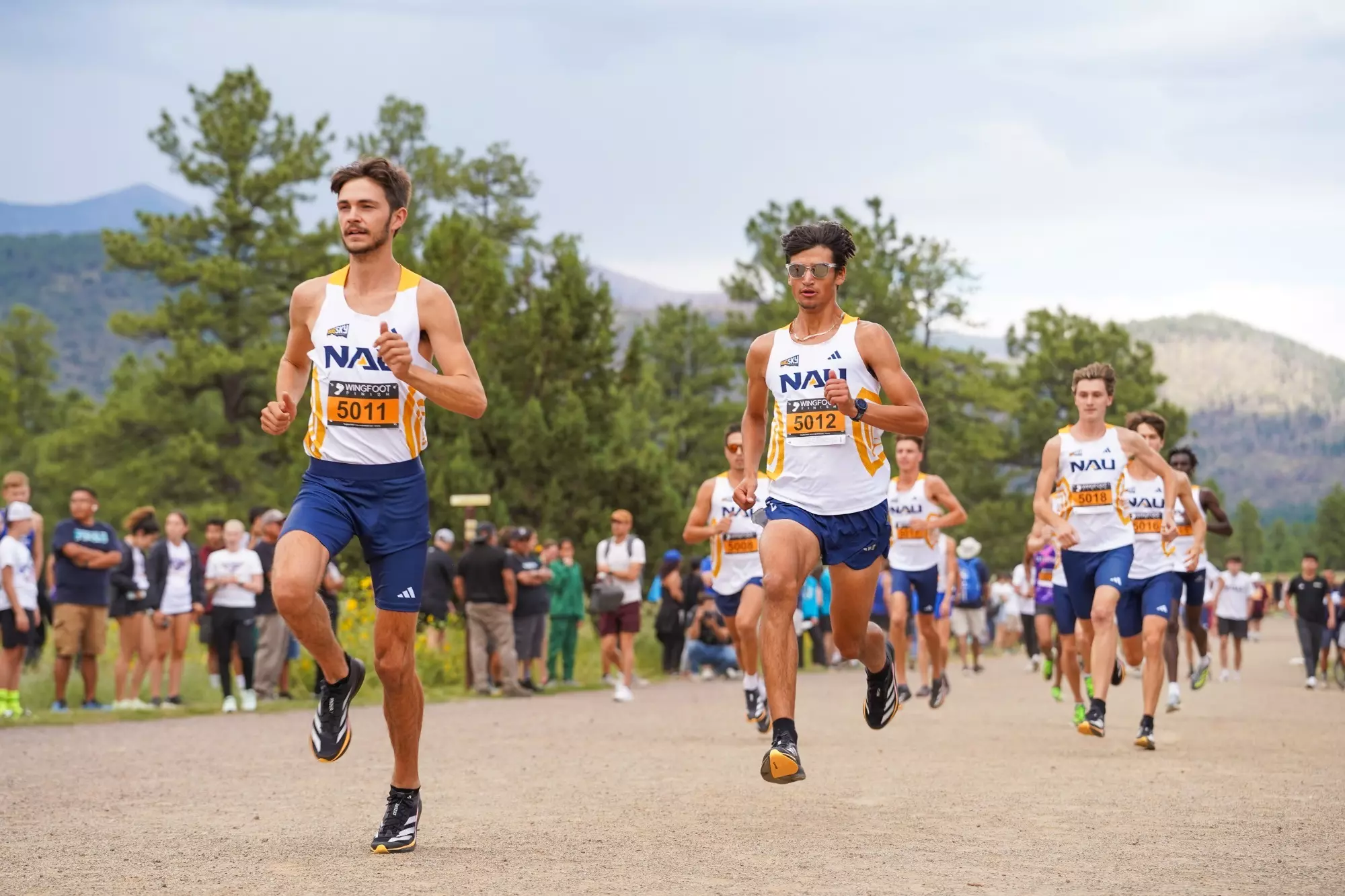
Arizona State University (ASU) Cross Country is a premier NCAA Division I program competing in the Big 12 Conference. Based in Tempe, the program focuses on elite distance development, leveraging Arizona’s unique geography for high-altitude and desert training. The team emphasizes academic excellence alongside national-level athletic performance under specialized coaching leadership.
The Evolution of Sun Devil Cross Country in the Big 12 Era
As of 2026, the Arizona State University cross country program has fully integrated into the competitive landscape of the Big 12 Conference. This transition, which began in 2024, shifted the program’s competitive focus from the traditional West Coast rivalries of the Pac-12 to a Midwest and Southern-centered powerhouse conference. The Big 12 is widely regarded as one of the most formidable conferences for distance running, housing perennial national title contenders such as Oklahoma State and BYU.
For ASU, this move necessitated a strategic shift in recruitment and training. Competing in the Big 12 means the Sun Devils now face a deeper field of talent during the conference championships, often requiring a higher level of "pack running" and tactical depth. The program has responded by increasing its focus on recruiting versatile athletes who can handle the rolling hills of the Midwest as effectively as the flat, fast courses found in the Southwest.
The university's commitment to the program is visible through its continued investment in the coaching staff and athlete support services. By 2026, the program has solidified its identity not just as a regional power, but as a destination for international and domestic runners seeking a high-performance environment that balances rigorous training with the resources of a "New American University."
Coaching Philosophy and Leadership
The success of any elite cross country program is anchored in its leadership. At Arizona State, the coaching philosophy centers on individualized physiological development rather than a "one size fits all" high-volume approach. The coaching staff, led by specialists in distance and middle-distance disciplines, emphasizes the "aerobic engine" while maintaining the speed necessary for the final kilometer of a 6K (women’s) or 10K (men’s) race.
Aerobic Development and Periodization
The Sun Devil training block is typically divided into three distinct phases:
- The Base Phase (Summer): Athletes focus on high mileage and steady-state runs to build capillary density and mitochondrial function. This phase often includes stints at altitude.
- The Strength Phase (Early Fall): Transitioning into the season, the focus shifts to "threshold" workouts and long intervals. This builds the mental and physical grit required to maintain a fast pace under fatigue.
- The Championship Phase (Late October–November): Workouts become more specific and faster, with increased recovery time to ensure athletes are "peaking" for the Big 12 Championships and the NCAA Regionals.
Mental Performance
ASU integrates sports psychology into its daily routine. Distance running is as much a mental battle as a physical one. Coaches work with athletes to develop "race cues" and visualization techniques, helping them stay composed when the "oxygen debt" becomes overwhelming in the middle stages of a race.
Recruitment Standards and Path to the Roster
Becoming a Sun Devil student-athlete is a highly competitive process. The coaching staff looks for more than just fast times; they seek athletes with a trajectory of improvement and a high "ceiling" for development. While there are no absolute "cut-off" times, successful recruits typically meet or exceed certain benchmarks in high school or junior college.
Men’s Recruitment Benchmarks
For male recruits, the following times are generally considered competitive for a scholarship or a roster spot at a program of ASU’s caliber:
- 1600m: 4:08 – 4:15
- 3200m: 8:55 – 9:10
- 5K (XC): Sub-15:10 (depending on course difficulty)
Women’s Recruitment Benchmarks
For female recruits, the staff typically looks for the following:
- 1600m: 4:50 – 5:00
- 3200m: 10:30 – 10:45
- 5K (XC): Sub-17:45
The Walk-On Process
ASU occasionally offers walk-on opportunities for athletes who fall just outside these windows but show immense potential. These spots are usually determined during a trial period or based on high-school performances that suggest the athlete can contribute to the team's scoring five within two years. Prospective athletes are encouraged to submit a recruitment questionnaire via The Sun Devils official site at least 18 months prior to their intended enrollment.
Training Environment: Desert Heat and Mountain Altitude
One of the most significant advantages of the Arizona State University cross country program is the geographic diversity of the state. While Tempe offers a flat and predictable environment for speed work, the program frequently utilizes other locations to gain a physiological edge.
The Flagstaff Connection
Arizona State regularly utilizes Flagstaff, Arizona, located at approximately 7,000 feet above sea level. Training at altitude increases the body's production of erythropoietin (EPO), which leads to a higher red blood cell count and improved oxygen delivery to the muscles. The team often conducts "pre-season camps" in the cool, pine-covered trails of the Coconino National Forest, providing a reprieve from the Tempe summer heat and building an elite aerobic base.
Local Training Sites
In the Phoenix metropolitan area, the team utilizes several iconic locations:
- Papago Park: Known for its rugged terrain and desert trails, it provides excellent footing for "fartlek" sessions and hilly long runs.
- South Mountain Park and Preserve: One of the largest municipal parks in the world, offering technical trails that build lower-body strength and stability.
- The Canal System: Flat, soft-surface paths that are ideal for recovery runs and tempo efforts, allowing for consistent pacing without the impact stress of concrete.
Academic Excellence and Athlete Support
ASU is renowned for its "Global Sport Institute" and its emphasis on the "student" in student-athlete. The cross country team consistently maintains one of the highest team GPAs within the athletic department.
Support Infrastructure
- Sun Devil Athletics Academic Service: Athletes have access to dedicated academic advisors, tutors, and private study halls.
- Sports Medicine and Recovery: The program employs full-time athletic trainers specializing in distance-running injuries (such as stress reactions and tendropathy). Facilities include AlterG anti-gravity treadmills, cryotherapy tanks, and advanced biomechanical analysis.
- NIL (Name, Image, Likeness): In 2026, ASU remains a leader in helping athletes navigate NIL opportunities. The "Sun Devil Advantage" program provides education on personal branding and financial literacy, ensuring runners can capitalize on their success in a compliant manner.
Program History and Notable Alumni
The Sun Devil cross country program has a storied history of producing Olympians and professional distance runners. This legacy serves as a blueprint for current athletes.
Legendary Figures
- Desiree Linden (née Davila): A two-time Olympian and 2018 Boston Marathon champion, Linden is perhaps the most famous alumna of the program. Her "keep showing up" mantra is a core tenet of the ASU distance culture.
- Amy Hastings Cragg: An NCAA champion and Olympian who excelled in both the 10,000m and the marathon.
- Shelby Houlihan: While her professional career faced significant controversy, her collegiate tenure at ASU remains one of the most decorated in school history, including multiple individual NCAA titles in track.
The program’s history is marked by consistent appearances at the NCAA Cross Country Championships. By 2026, the goal remains the same: qualifying both the men's and women's teams for the national meet and contending for podium spots in the Big 12.
Comparative Landscape: ASU in the Big 12
To understand the competitive level of ASU Cross Country, it is helpful to compare their environment with other top-tier programs in their conference.
| Feature | Arizona State University | Oklahoma State | BYU |
|---|---|---|---|
| Conference | Big 12 | Big 12 | Big 12 |
| Primary Training Elevation | ~1,200 ft (Tempe) / 7,000 ft (Flagstaff) | ~900 ft (Stillwater) | ~4,500 ft (Provo) |
| Notable XC Strength | Speed-based finishing / Heat tolerance | Deep historical XC pedigree | High-altitude aerobic monsters |
| Conference Titles (Last 5 Yrs) | Emerging Contender | Perennial Winner | Consistent Podium |
| Climate Advantage | Year-round dry training | Tactical grit in varied weather | Elite altitude adaptation |
The Path to the NCAA Championships
The NCAA cross country season is a progressive journey that culminates in November. For ASU, the path to the national stage follows a strict hierarchy:
- Invitational Season: Meets like the Nuttycombe Invitational or the Pre-Nationals serve as "points" gathering opportunities. Under the "Kolas" system, head-to-head wins against top-tier teams determine who receives at-large bids to the NCAA meet.
- Conference Championships: The Big 12 meet is the first major test. Placing well here establishes regional dominance and builds momentum.
- NCAA West Regional: ASU competes in the West Region, one of the most difficult in the country. To guarantee a spot at Nationals, a team must finish in the top two.
- NCAA Championships: The ultimate goal. Here, the top 31 teams in the country compete for the national title.
Frequently Asked Questions
What conference does ASU Cross Country compete in?
As of 2024, Arizona State University officially moved to the Big 12 Conference. In 2026, they continue to compete against schools such as Colorado, Utah, Arizona, BYU, and Oklahoma State, making it one of the premier distance-running conferences in the NCAA.
Where does the team host home meets?
While ASU has historically used various local golf courses, they frequently host events at regional parks like Papago Park or courses in the East Valley. Due to the heat, many home competitions are held in the early morning hours to ensure athlete safety.
Does ASU offer scholarships for cross country?
Yes, as an NCAA Division I program, ASU offers athletic scholarships. However, cross country and track & field are "equivalency sports," meaning coaches can split a limited number of full scholarships into partial ones to cover more athletes.
How can I contact the coaching staff for recruitment?
The most effective way is to fill out the "Prospective Student-Athlete" questionnaire on the Sun Devils' official athletics website. Providing verified FAT (Fully Automatic Timing) results and a link to a Milesplit or Athletic.net profile is essential for a response.
Is the cross country team separate from track and field?
At ASU, like most D1 programs, the cross country team is comprised of distance runners who also compete for the Arizona State Track and Field team during the indoor and outdoor seasons. The training is year-round, transitioning from the grass in the fall to the oval in the spring.
How does the Arizona heat affect training?
The team adapts by training very early in the morning (often before sunrise) during the late summer months. This environmental stress can actually lead to increased plasma volume, providing a "heat training" benefit similar to altitude training when the team travels to cooler climates for competition.
Practical Recommendations for Aspiring Sun Devils
For high school runners aiming to join the Arizona State University cross country program, the first step is achieving the performance standards mentioned above. However, recruitment is also about fit. Potential athletes should focus on:
- Consistency: Demonstrating three to four years of year-over-year improvement.
- Range: Showing ability in both the 1600m and 3200m, as this suggests the aerobic capacity needed for collegiate cross country distances.
- Academics: Maintaining a high GPA to qualify for academic aid, which can supplement athletic scholarship money.
Current fans and alumni can support the program by attending regional meets or contributing to the Sun Devil Club, which provides the funding necessary for travel to elite invitationals and the maintenance of world-class recovery facilities.