The total cost of the Arizona State University (ASU) W. P. Carey Online MBA for the 2026 academic year is approximately $65,000 to $72,000. This comprehensive figure includes tuition for 49 credit hours, mandatory program fees, and university-wide student services. Tuition rates for the online delivery model generally remain consistent regardless of the student’s residency status.
Understanding the Tuition Structure at W. P. Carey
Navigating the financial commitment of a top-tier graduate program requires a clear understanding of how costs are calculated. At Arizona State University, the W. P. Carey School of Business utilizes a per-credit-hour pricing model for its Online MBA. This structure is designed to provide flexibility for working professionals who may choose to adjust their course load based on professional or personal demands.
Per-Credit Breakdown and Base Tuition
For the 2026 academic cycle, the base tuition rate is roughly $1,250 to $1,350 per credit hour. Because the Online MBA curriculum is comprised of 49 credit hours, the base tuition alone accounts for the majority of the total investment. It is important to note that tuition rates are subject to annual review and approval by the Arizona Board of Regents.
Unlike many on-campus programs at state universities, ASU Online typically does not distinguish between in-state and out-of-state residency for tuition pricing. This "one-price" model makes the program particularly attractive to international students and U.S. residents living outside of Arizona, as they are not penalized with the higher non-resident surcharges often found in traditional programs.
Mandatory Program and University Fees
Beyond the base tuition, students must account for specific fees that support the infrastructure of online learning and the specialized resources provided by the business school.
- Program Fees: W. P. Carey charges a specific program fee (often called a "college fee") that covers career services, specialized academic advising, and access to the school’s proprietary networking platforms.
- Technology Fees: This covers the maintenance of the Canvas learning management system, 24/7 technical support, and the digital tools required for synchronous and asynchronous coursework.
- Student Services Facility Fee: Even online students contribute to the broader university infrastructure, supporting resources that remain available to all ASU learners.
Total Estimated Investment for 2026
The following table provides a detailed breakdown of the estimated expenses associated with the program. These figures are based on the standard 49-credit requirement completed over approximately 21 to 24 months.
| Expense Category | Estimated Cost (USD) | Frequency/Notes |
|---|---|---|
| Base Tuition | $61,250 – $66,150 | Based on 49 credits at 2026 projected rates. |
| Program Fees | $4,000 – $6,000 | Total across the duration of the program. |
| Technology & Student Fees | $1,500 – $2,000 | Distributed per semester. |
| Application Fee | $70 – $115 | One-time (Domestic vs. International). |
| Books & Digital Materials | $1,500 – $2,500 | Estimated; varies by elective choices. |
| Estimated Total | $68,320 – $76,765 | Comprehensive 2026 projection. |
Factors Influencing Your Total Expenditure
While the figures above provide a baseline, several variables can cause the actual "out-of-pocket" cost to fluctuate. Understanding these factors is essential for accurate budgeting and long-term financial health.
Course Load and Completion Speed
The W. P. Carey Online MBA is designed to be completed in two years, with students typically taking two courses per five-week or seven-and-a-half-week session. However, students who choose to extend their program duration to accommodate a heavy work schedule may find that their total cost increases slightly due to incremental increases in annual tuition or per-semester fees. Conversely, those who maintain a rigorous pace can lock in current rates and graduate before potential price adjustments in future academic years.
Elective Specializations and Concurrent Degrees
ASU offers various specializations within the Online MBA, including Supply Chain Management, Finance, and Marketing. While most specializations do not carry additional tuition surcharges, some specific certifications or dual-degree paths (such as an MBA/MS in Business Analytics) will require more than the standard 49 credits. Pursuing a dual degree significantly increases the total credit count, thereby increasing the overall cost, though it often results in a lower "per-degree" cost than if the programs were taken separately.
Technology and Hardware Requirements
Online education necessitates a reliable, high-speed internet connection and a computer that meets the W. P. Carey technical specifications. Students should budget for potential hardware upgrades, particularly if their current equipment cannot handle high-definition video conferencing or the data-intensive software used in courses like business modeling and analytics.
Financial Support and Cost Reduction Strategies
The high sticker price of a top-ranked MBA program is often mitigated by various forms of financial assistance. Arizona State University is well-known for its robust support systems and corporate partnerships.
Corporate Partnerships and Reimbursement
ASU maintains a landmark partnership with Starbucks through the Starbucks College Achievement Plan, though this is primarily focused on undergraduate degrees. However, many corporate partners offer tuition assistance or deferment programs for graduate students. Organizations like Uber and various Fortune 500 companies have established pipelines where employees can receive significant tuition discounts or direct billing to the employer, reducing the student’s upfront financial burden.
Scholarships and Grants
The W. P. Carey School of Business offers a variety of merit-based scholarships. All applicants are automatically considered for these awards during the admissions process; no separate application is required for most general business school scholarships.
- Forward Focus Scholarships: ASU’s commitment to accessibility often manifests in competitive scholarship packages for high-achieving applicants.
- External Scholarships: Students are encouraged to seek funding from professional organizations (e.g., the National Black MBA Association or the Society of Women Engineers) which often provide grants to students at AACSB-accredited institutions.
Federal and Private Loans
Most U.S. citizens and permanent residents are eligible for federal financial aid. The first step in this process is completing the Free Application for Federal Student Aid (FAFSA). Graduate students typically utilize Federal Direct Unsubsidized Loans and, if necessary, Grad PLUS Loans to cover the full cost of attendance, including living expenses.
ROI Analysis: Is the ASU Online MBA Worth the Price?
Evaluating the cost of the Arizona State Online MBA requires looking beyond the tuition bill to the Return on Investment (ROI). ASU consistently ranks among the top online MBA programs globally, which carries weight with recruiters.
Salary Outcomes and Career Growth
Data from the W. P. Carey Career Center indicates that MBA graduates often see a significant salary lift within three years of completion. The program emphasizes "career management," providing online students with the same level of career coaching and recruiter access as their on-campus counterparts. For many, the salary increase—often ranging from 20% to 40% post-graduation—allows for a "break-even" point on the tuition investment within three to five years.
Networking and the Sun Devil Alumni Base
With an alumni network exceeding 100,000 business professionals, the "intangible" value of an ASU degree is substantial. Access to the W. P. Carey alumni directory and lifelong career services provides a safety net and a growth engine for future career pivots, which is a critical factor when justifying a $70,000 investment.
Comparing ASU Online MBA Cost with Competitors
To put the 2026 cost into perspective, it is helpful to compare ASU with other highly-ranked online MBA programs.
- University of North Carolina (Kenan-Flagler): Historically more expensive, often exceeding $125,000 for the total program.
- Indiana University (Kelley): Generally in a similar tier to ASU, typically ranging between $80,000 and $90,000.
- University of Florida (Hough): Often highly competitive on price for Florida residents, but comparable to ASU for out-of-state students.
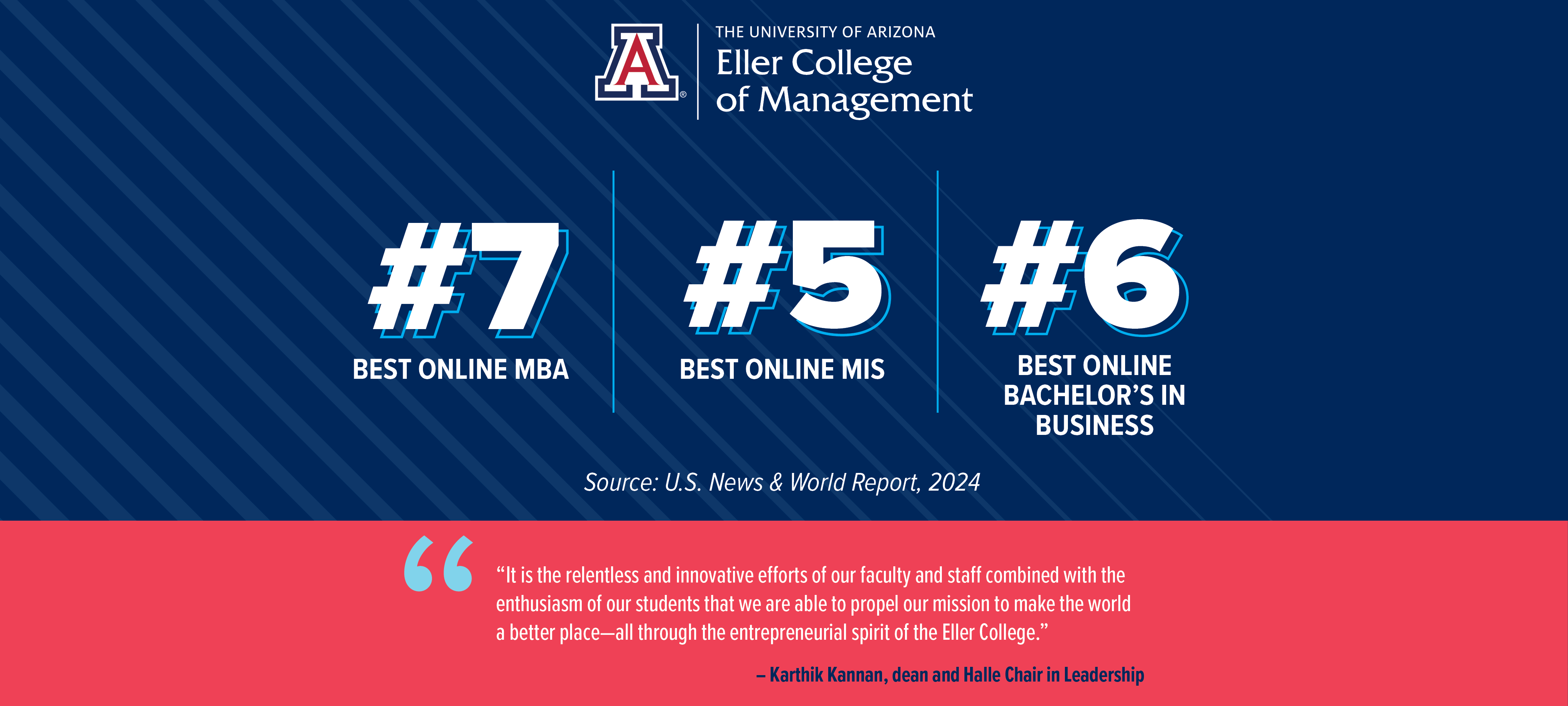
ASU occupies a "premium mid-range" position. It is more expensive than some "no-frills" online MBAs but significantly more affordable than elite private institutions, all while maintaining top-10 rankings in several business disciplines.
Admissions Requirements and Planning Your Budget
Applying to the program is the first financial step. Beyond the application fee, you should consider the time and cost associated with the GMAT or GRE. While ASU offers waivers for qualified candidates with significant work experience or high undergraduate GPAs, many applicants still invest in prep courses and exam fees.
Application Checklist for Budgeting:
- Transcripts: Some universities charge a fee for official electronic transcripts.
- Standardized Tests: Budget $250–$300 if a GMAT/GRE is required.
- Enrollment Deposit: Once accepted, a non-refundable deposit (usually around $500) is required to hold your spot, which is then applied toward your first semester’s tuition.
Frequently Asked Questions
Does ASU offer a tuition discount for military members?
Yes, ASU is a military-friendly institution. Active-duty military, veterans, and their dependents may be eligible for reduced tuition rates or specialized scholarship programs. Additionally, the W. P. Carey School participates in the Yellow Ribbon Program, which can cover costs exceeding the base Montgomery GI Bill or Post-9/11 GI Bill benefits.
Are there hidden costs like travel for the Online MBA?
The ASU Online MBA is primarily 100% online. However, there are optional in-person intensives or global study tours that students can choose to participate in. If you opt for these experiences, you should budget for airfare, lodging, and meals, as these are not typically included in the standard tuition and fees.
Can I pay my tuition in installments?
Yes, Arizona State University offers tuition payment plans that allow students to break their semester balance into smaller, monthly installments. There is usually a small administrative fee to enroll in a payment plan, but it can significantly help with cash flow management for students not utilizing large student loans.
Is the cost the same for international students?
The tuition rate per credit is generally the same for international students in the online program. However, international students should account for potential costs related to credential evaluation of their undergraduate degrees and international transaction fees when paying tuition.
How often does ASU increase its MBA tuition?
Tuition rates are reviewed annually by the Arizona Board of Regents. Historically, increases have ranged from 2% to 5% per year to account for inflation and program enhancements. The $65,000–$72,000 estimate for 2026 accounts for these projected incremental rises.
Final Recommendation
When considering the Arizona State Online MBA, potential students should look at the $70,000 average total cost as a strategic investment rather than a mere expense. To maximize this investment, prospective applicants should first verify if they qualify for a GMAT waiver and check with their current HR department regarding tuition reimbursement policies. Starting the FAFSA process early—even before receiving an admission decision—is the best way to ensure all financial aid options are on the table.