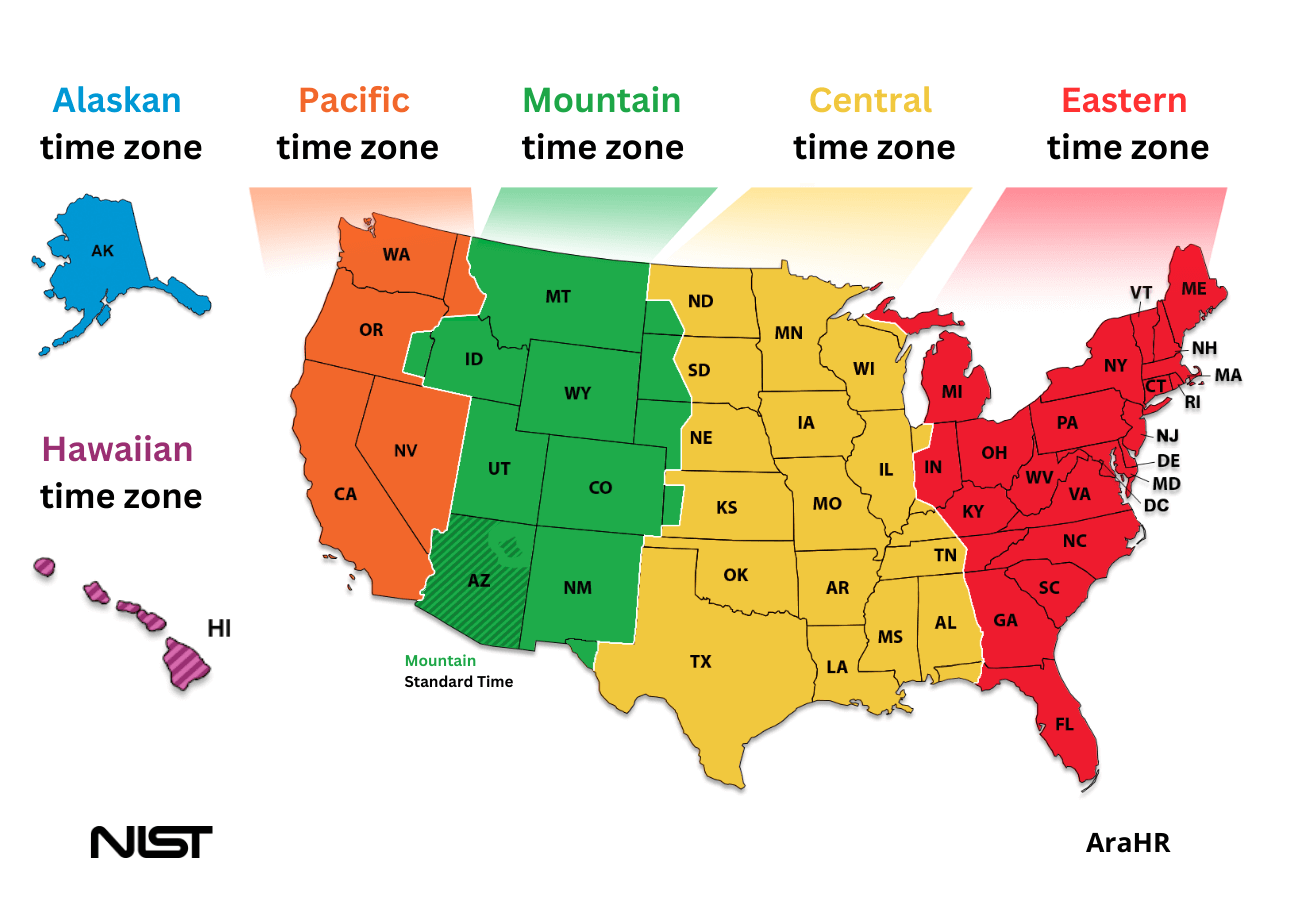
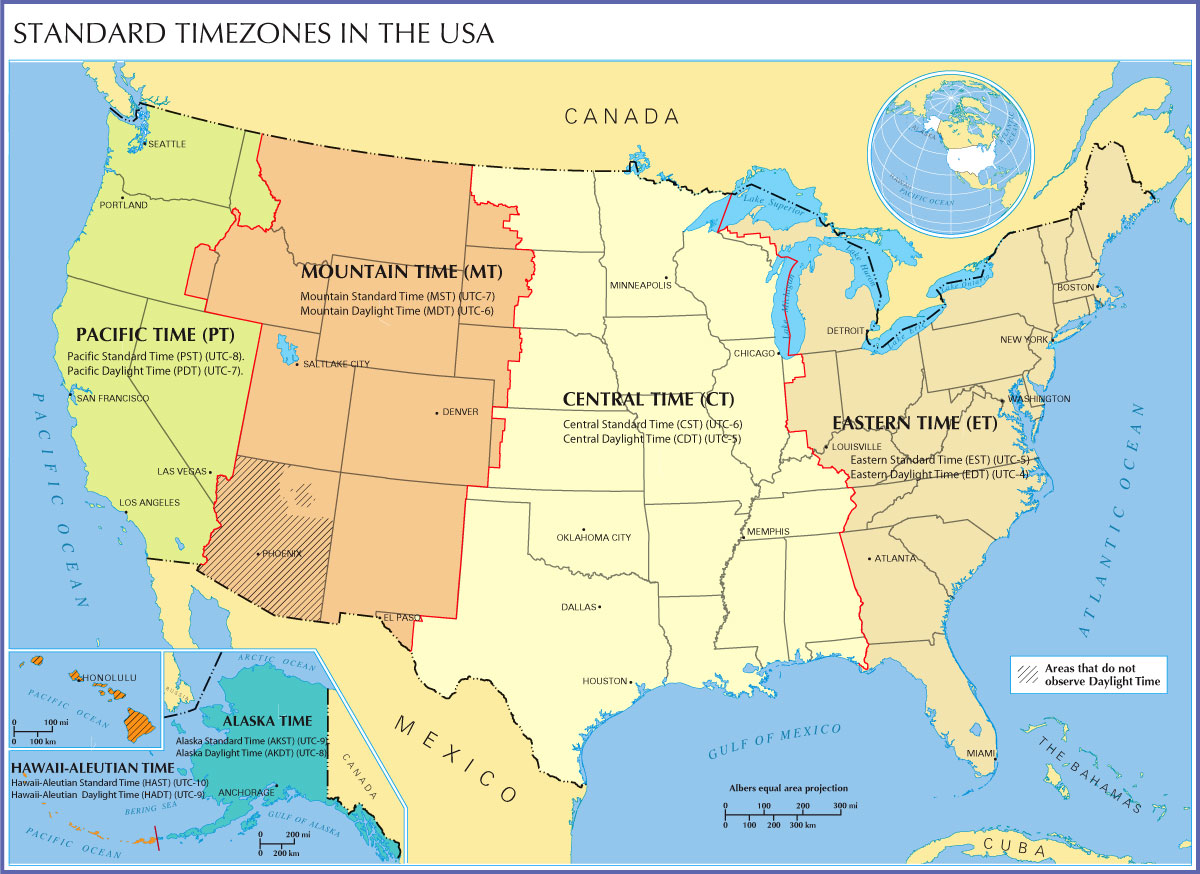
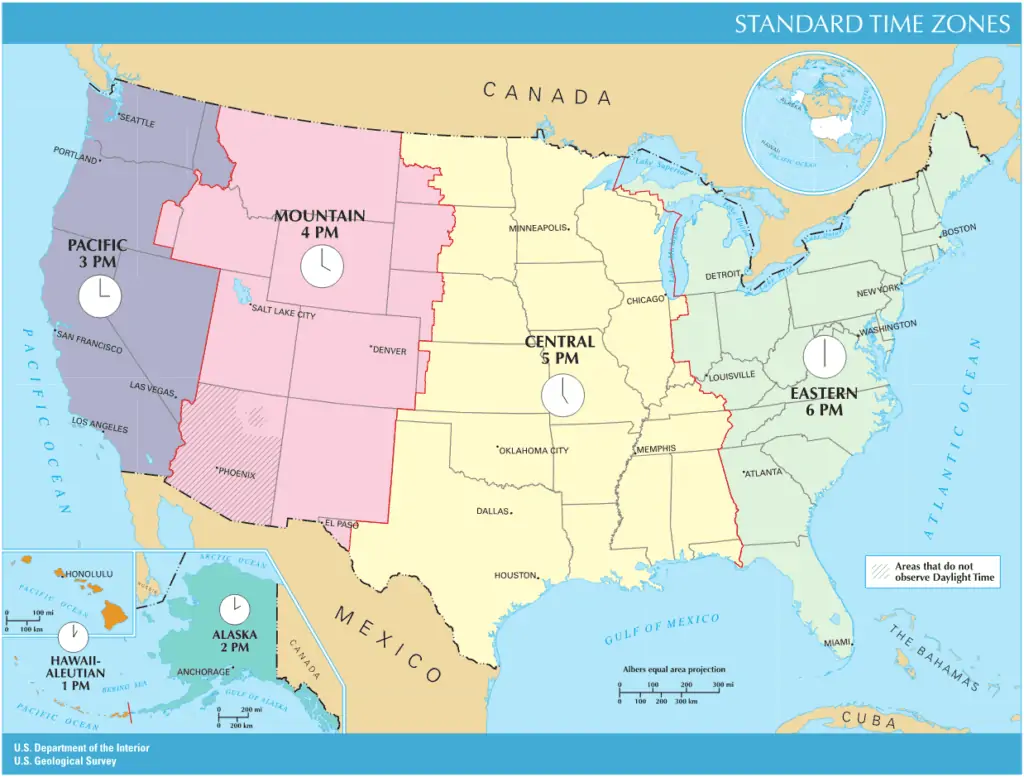
Arizona is either 2 or 3 hours behind Eastern Time (EST/EDT), depending on the time of year. Because Arizona does not observe Daylight Saving Time, the state remains on Mountain Standard Time (MST) year-round. Consequently, the gap is 2 hours during the winter months and 3 hours during the summer months.
Understanding the Arizona Time Zone Anomaly
To accurately convert Arizona time to Eastern Time (ET), one must first understand that Arizona is one of the few places in the United States that ignores the biannual ritual of "springing forward" and "falling back." While most of the country adjusts their clocks to maximize daylight during the summer months, Arizona remains fixed on Mountain Standard Time (MST).
This decision is not merely a preference but is codified in state law. The primary reason for this exemption is Arizona's extreme desert climate. In the 1960s, state leaders argued that moving the clocks forward would result in the sun staying out later in the evening, which would increase energy costs for air conditioning and extend the time residents are exposed to blistering desert heat. By staying on Standard Time, the sun sets earlier, providing a much-needed reprieve from the high temperatures.
As a result, the offset between Phoenix and New York City fluctuates. When the Eastern United States is on Standard Time (EST), the difference is two hours. When the Eastern United States switches to Daylight Saving Time (EDT), the difference expands to three hours. In 2026, these transitions occur in March and November, requiring anyone coordinating between these regions to stay vigilant about the calendar.
The Two-Phase Offset: Winter vs. Summer
The conversion from Arizona time to Eastern Time follows a predictable two-phase cycle. Because Arizona stays at UTC-7 (Coordinated Universal Time minus 7 hours) all year, the variability lies entirely with the Eastern Time Zone’s transition between UTC-5 and UTC-4.
Phase 1: Arizona to Eastern Standard Time (EST)
From the first Sunday in November until the second Sunday in March, the Eastern United States observes Standard Time. During this period, the Eastern Time Zone is 5 hours behind UTC. Since Arizona is always 7 hours behind UTC, the math is straightforward:
- The Calculation: Arizona Time + 2 Hours = Eastern Standard Time (EST).
- Example: If it is 10:00 AM in Tucson, it is 12:00 PM (noon) in Miami or New York.
Phase 2: Arizona to Eastern Daylight Time (EDT)
From the second Sunday in March until the first Sunday in November, the Eastern United States observes Daylight Saving Time. During this window, the Eastern Time Zone moves to 4 hours behind UTC. This increases the separation from Arizona:
- The Calculation: Arizona Time + 3 Hours = Eastern Daylight Time (EDT).
- Example: If it is 10:00 AM in Phoenix, it is 1:00 PM in Boston or Atlanta.
Key Dates for Time Transitions in 2026
In 2026, the specific dates for these changes are critical for business operations and travel logistics. Because Arizona does not change its clocks, the "change" effectively happens to the gap itself.
- March 8, 2026: This is when the Eastern Time Zone "springs forward" to EDT. On this day, the 2-hour gap between Arizona and the East Coast becomes a 3-hour gap.
- November 1, 2026: This is when the Eastern Time Zone "falls back" to EST. On this day, the 3-hour gap between Arizona and the East Coast reverts to a 2-hour gap.
For those living in Arizona, these dates mark the moments when their favorite television programs, national webinars, and stock market opening bells appear to shift by one hour on the clock, even though their local time remains constant.
The Navajo Nation Exception: A Time Zone Within a Time Zone
The most significant complication when discussing Arizona time is the Navajo Nation. Unlike the rest of the state, the Navajo Nation—which covers a vast area in northeastern Arizona, as well as parts of New Mexico and Utah—does observe Daylight Saving Time.
This creates a unique geographic "time sandwich." If you are traveling through northeastern Arizona during the summer:
- Rest of Arizona: Stays on MST (3 hours behind the East Coast).
- Navajo Nation: Switches to MDT (Mountain Daylight Time), which is 2 hours behind the East Coast.
- Hopi Reservation: The Hopi Reservation is entirely surrounded by the Navajo Nation but follows the rest of Arizona in not observing DST. This means the Hopi Reservation remains 3 hours behind the East Coast while its immediate neighbor, the Navajo Nation, is 2 hours behind.
When converting "Arizona time to EST" for residents or businesses in Window Rock or other Navajo Nation territories, you must treat them as if they are in the same time zone as Denver, Colorado, rather than Phoenix, Arizona.
24-Hour Conversion Table: Arizona to Eastern Time
The following table provides a quick reference for converting time from Arizona (MST) to the Eastern United States for both the 2-hour (Standard) and 3-hour (Daylight) offsets.
| Arizona Time (MST) | Eastern Standard Time (EST - Winter) | Eastern Daylight Time (EDT - Summer) |
|---|---|---|
| 12:00 AM (Midnight) | 2:00 AM | 3:00 AM |
| 1:00 AM | 3:00 AM | 4:00 AM |
| 2:00 AM | 4:00 AM | 5:00 AM |
| 3:00 AM | 5:00 AM | 6:00 AM |
| 4:00 AM | 6:00 AM | 7:00 AM |
| 5:00 AM | 7:00 AM | 8:00 AM |
| 6:00 AM | 8:00 AM | 9:00 AM |
| 7:00 AM | 9:00 AM | 10:00 AM |
| 8:00 AM | 10:00 AM | 11:00 AM |
| 9:00 AM | 11:00 AM | 12:00 PM (Noon) |
| 10:00 AM | 12:00 PM (Noon) | 1:00 PM |
| 11:00 AM | 1:00 PM | 2:00 PM |
| 12:00 PM (Noon) | 2:00 PM | 3:00 PM |
| 1:00 PM | 3:00 PM | 4:00 PM |
| 2:00 PM | 4:00 PM | 5:00 PM |
| 3:00 PM | 5:00 PM | 6:00 PM |
| 4:00 PM | 6:00 PM | 7:00 PM |
| 5:00 PM | 7:00 PM | 8:00 PM |
| 6:00 PM | 8:00 PM | 9:00 PM |
| 7:00 PM | 9:00 PM | 10:00 PM |
| 8:00 PM | 10:00 PM | 11:00 PM |
| 9:00 PM | 11:00 PM | 12:00 AM (Midnight) |
| 10:00 PM | 12:00 AM (Midnight) | 1:00 AM |
| 11:00 PM | 1:00 AM | 2:00 AM |
Professional and Business Implications
For professionals in 2026, the Arizona-to-East-Coast time difference requires careful calendar management, particularly for remote workers and multi-state corporations.
Synchronous Communication
When scheduling meetings, it is best practice to use "MST" for Arizona participants and "ET" (Eastern Time) for East Coast participants to account for the EST/EDT flip. During the summer, an 8:00 AM meeting in Phoenix means an 11:00 AM start for colleagues in New York. If that same meeting is held in December, the New York team would join at 10:00 AM.
Financial Markets and Deadlines
The New York Stock Exchange (NYSE) and NASDAQ operate on Eastern Time. For an investor in Arizona:
- During the summer (EDT), the market opens at 6:30 AM Arizona time.
- During the winter (EST), the market opens at 7:30 AM Arizona time.
Failure to account for this can lead to missed trading windows or late submissions for regulatory filings.
Digital System Configuration
Most modern operating systems (Windows, macOS, iOS, Android) have a specific "Arizona" or "Phoenix" time zone setting. It is vital to select "Phoenix" or "Arizona" rather than "Mountain Time (US & Canada)." Selecting the generic Mountain Time setting will cause the device to automatically adjust for Daylight Saving Time, which will result in the device being one hour fast for half of the year.
Travel and Logistics Considerations
Travelers flying between Phoenix Sky Harbor (PHX) and major Eastern hubs like JFK, ATL, or CLT must pay close attention to flight durations and arrival times.
- Westbound Flights: Flights from the East Coast to Arizona often seem shorter on paper because you are "gaining" two or three hours. A flight departing New York at 6:00 PM EDT in July might arrive in Phoenix at 8:30 PM local time, despite being a 5.5-hour flight.
- Eastbound Flights: Conversely, "red-eye" flights are common when traveling from Arizona to the East Coast. Departing Phoenix at 11:00 PM MST in the summer means arriving on the East Coast at approximately 7:30 AM EDT the next morning.
For logistics companies, this time difference impacts delivery windows and driver "Hours of Service" logs. Dispatchers must ensure that they are calculating arrival times based on the current Eastern offset (Standard vs. Daylight) to avoid missed delivery slots at warehouses in states like Pennsylvania or Virginia.
Frequently Asked Questions
Does Phoenix ever change its clocks?
No, the city of Phoenix, along with the vast majority of Arizona, stays on Mountain Standard Time (MST) all year. It does not observe Daylight Saving Time. The only part of the state that changes clocks is the Navajo Nation.
Is Arizona currently 2 or 3 hours behind New York?
This depends on the date. From early March to early November, Arizona is 3 hours behind New York (EDT). From early November to early March, Arizona is 2 hours behind New York (EST). In 2026, the 3-hour difference begins on March 8 and the 2-hour difference begins on November 1.
Why is Arizona time sometimes called "Mountain Standard Time" and sometimes "Pacific Daylight Time"?
While Arizona is technically always on Mountain Standard Time (MST), during the summer months, MST shares the same current time as Pacific Daylight Time (PDT). This can lead to confusion where people assume Arizona has "switched" to Pacific time, but in reality, California has simply "caught up" to Arizona's fixed position.
How does the Navajo Nation time difference work?
The Navajo Nation observes Daylight Saving Time to stay synchronized with its tribal lands in New Mexico and Utah. Therefore, during the summer, the Navajo Nation is one hour ahead of the rest of Arizona. If you drive from Phoenix to Window Rock in July, you will lose an hour.
What is the best way to schedule a meeting between Arizona and EST?
The most reliable method is to use a calendar invitation tool (like Google Calendar or Outlook) that allows you to set the time zone for the event as "Mountain Standard Time - Phoenix." The software will automatically adjust the display time for invitees in the Eastern Time Zone based on whether the date falls during EST or EDT.
Does the Arizona time zone affect the Arizona-Sonora border?
Yes, international coordination is also a factor. The Mexican state of Sonora, which borders Arizona, also generally does not observe Daylight Saving Time, keeping the two regions synchronized for cross-border trade and commuting.
Final Recommendation for 2026
To ensure accuracy when converting Arizona time to EST, always verify the current date against the Daylight Saving Time calendar. For the most seamless experience in 2026, treat Arizona as a fixed point (UTC-7) and adjust the Eastern Time offset based on whether it is currently "Summer" (3-hour gap) or "Winter" (2-hour gap). If you are coordinating with individuals in the northeastern corner of the state, specifically within the Navajo Nation, remember to add one hour to the standard Arizona time during the summer months.