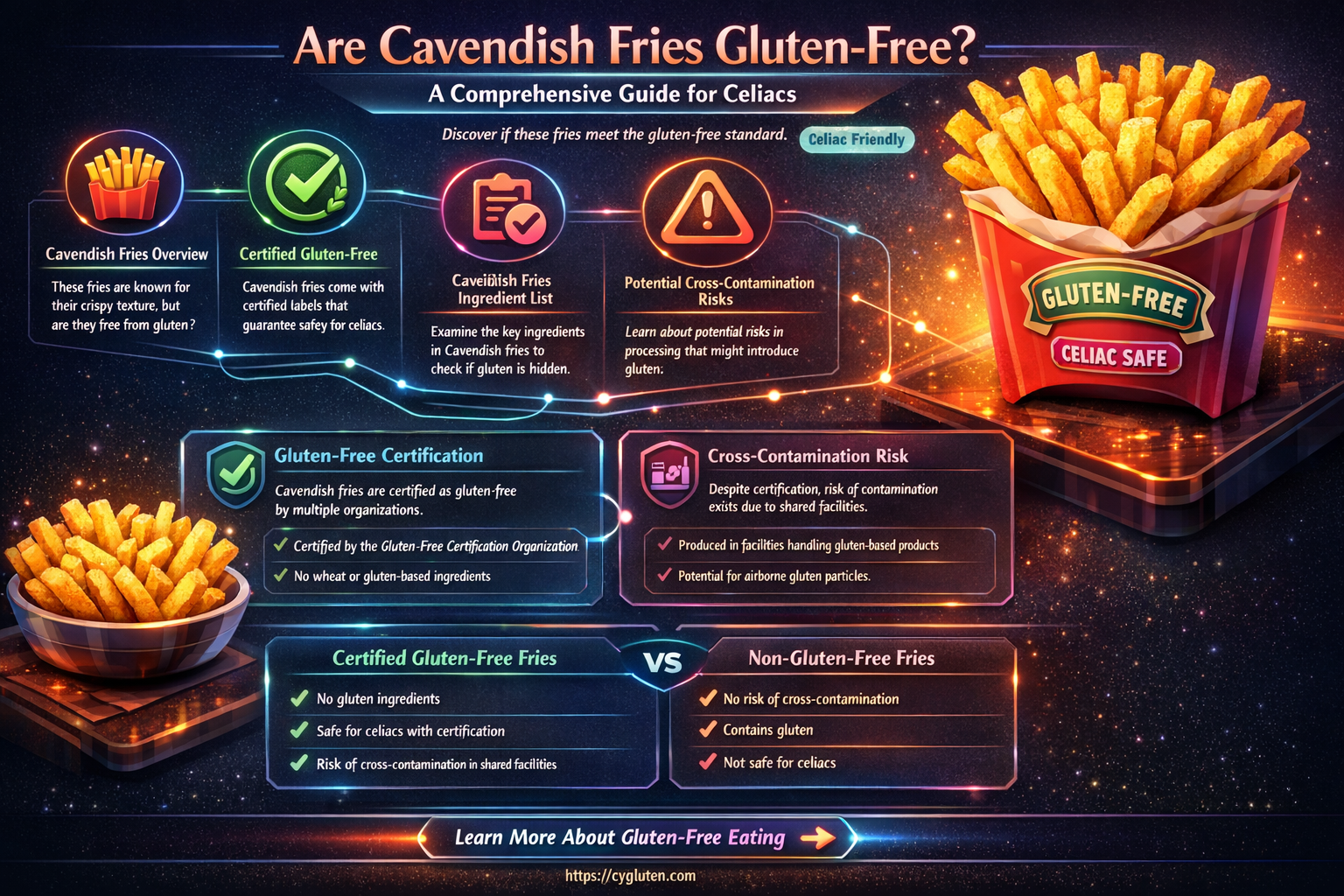
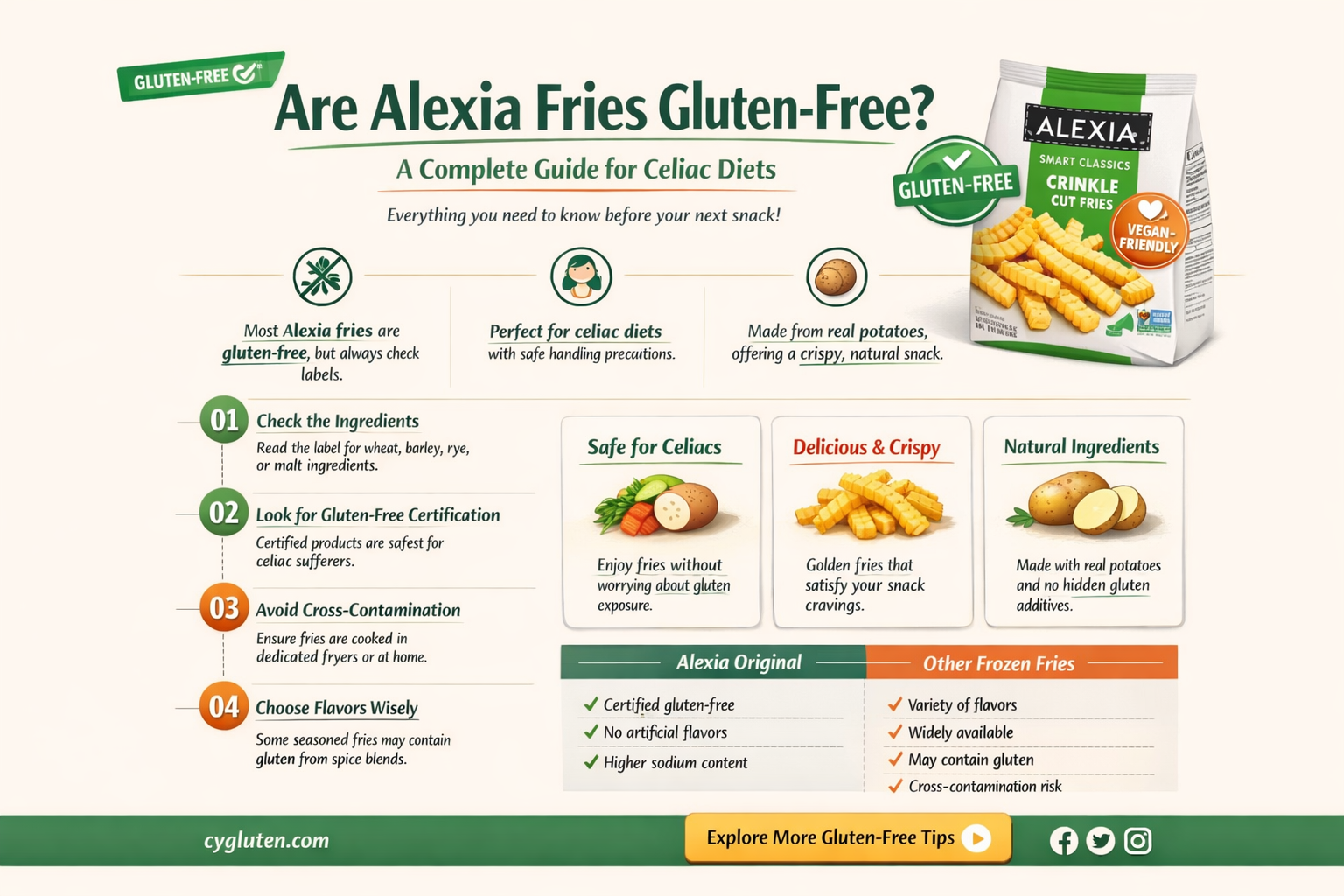
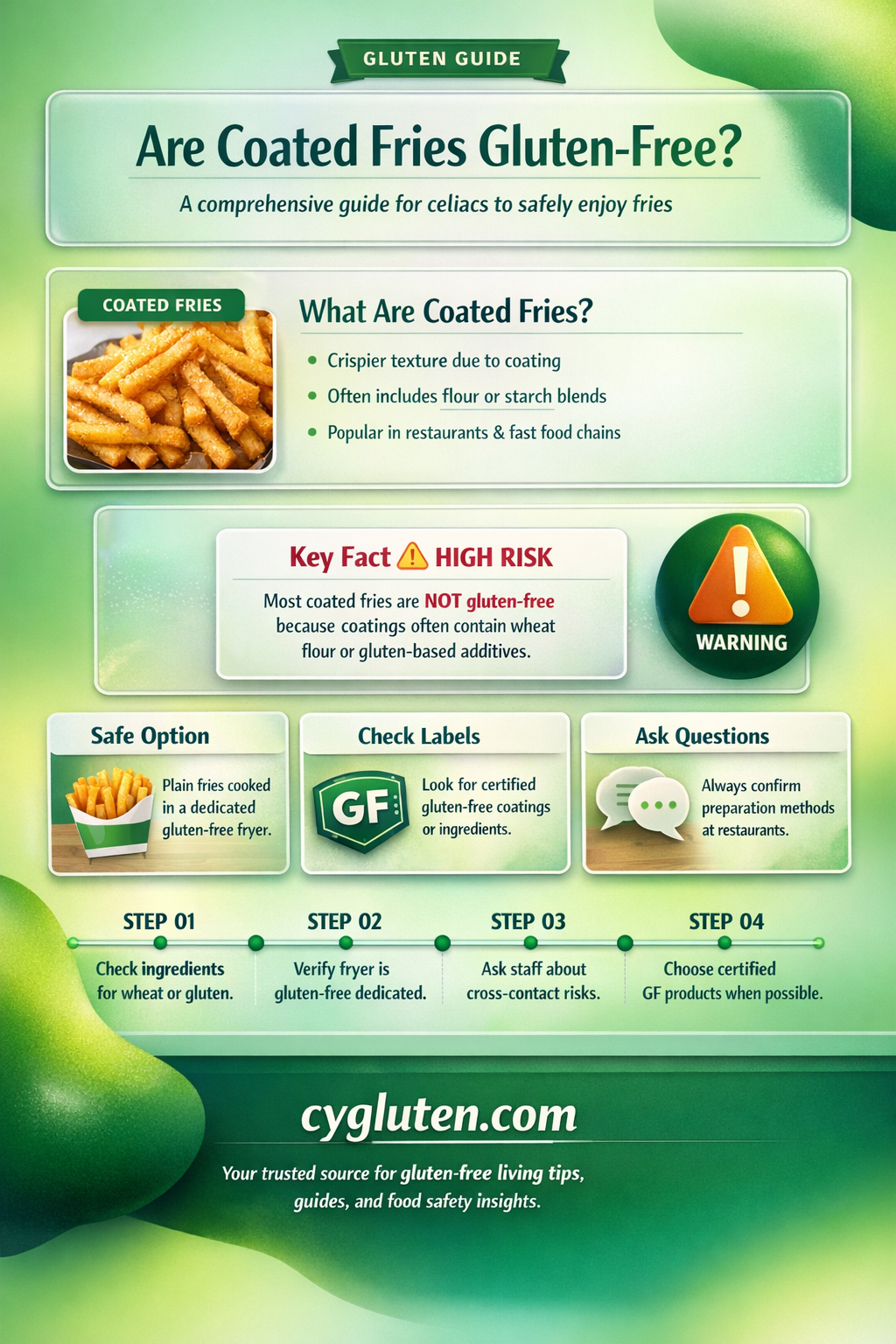
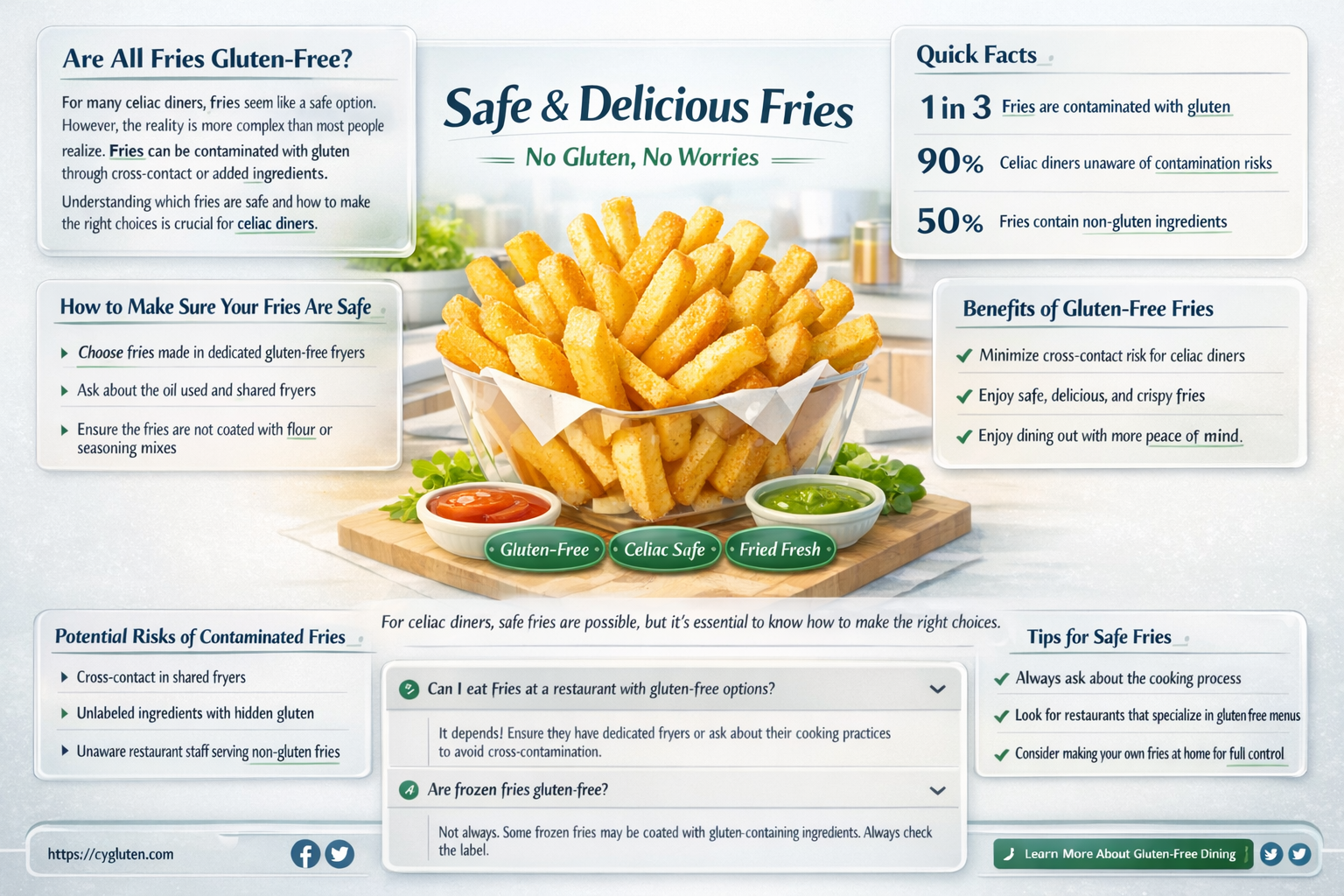
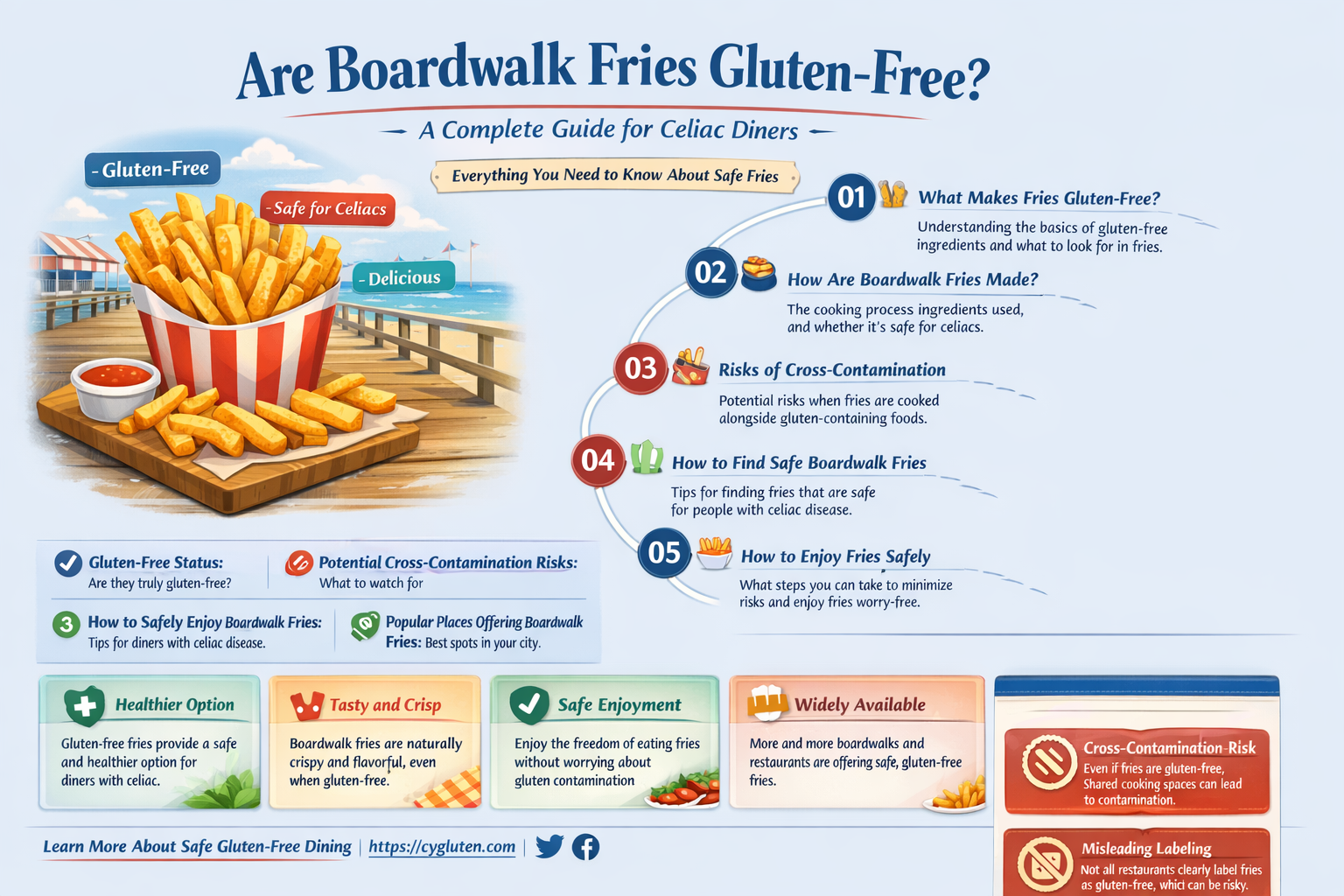
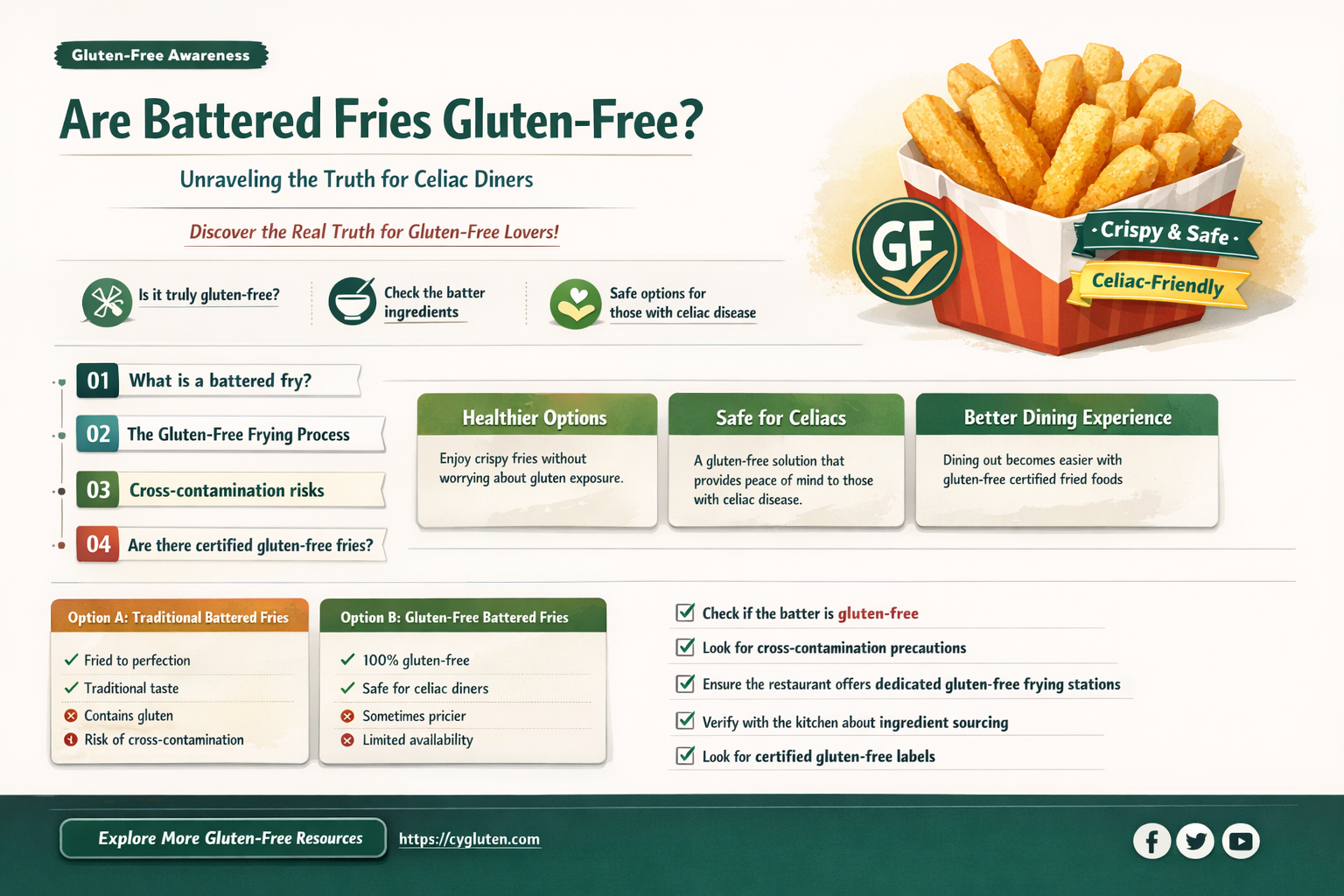
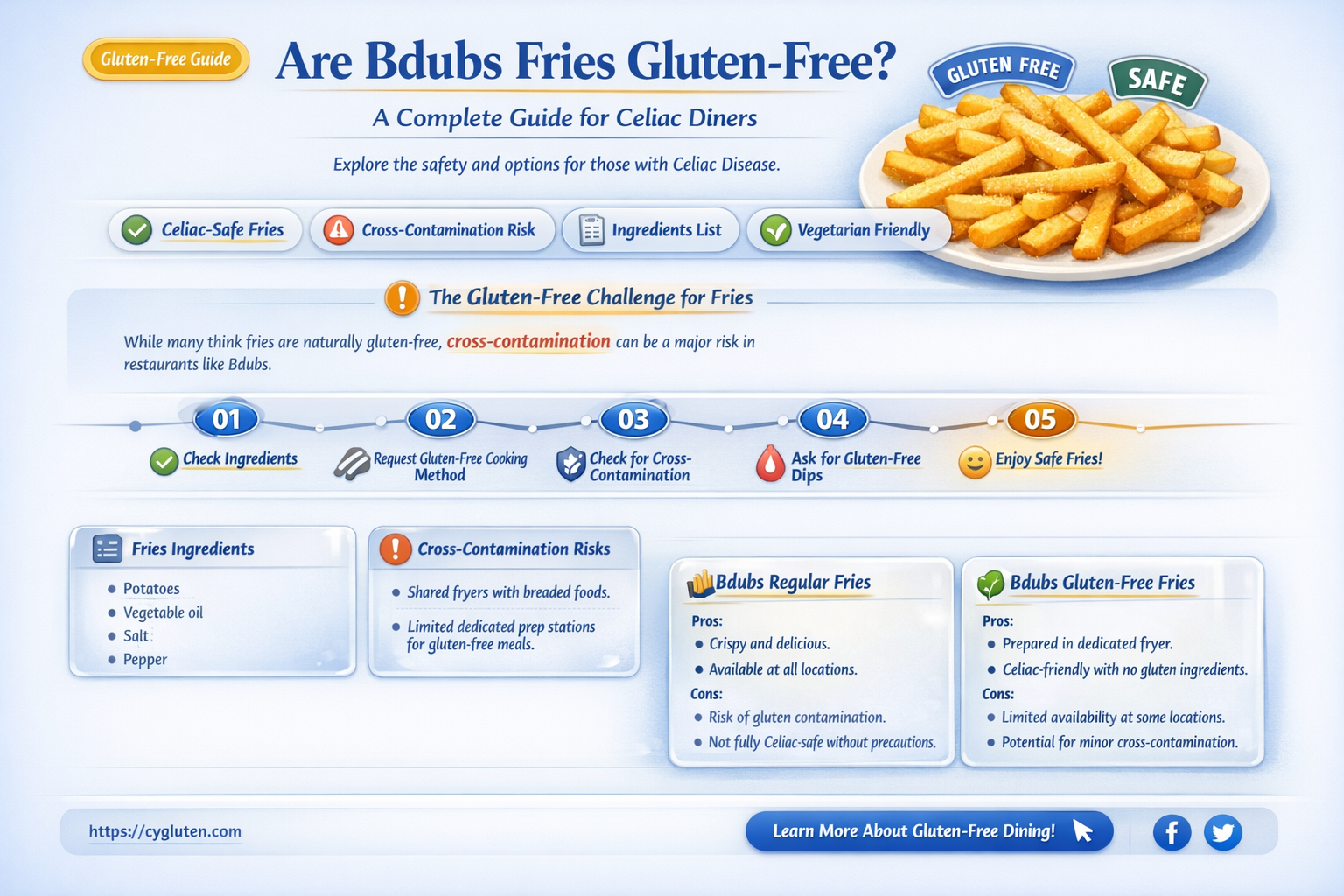
While potatoes are naturally gluten-free, French fries are often not safe for those with celiac disease or gluten sensitivity. Gluten can be introduced through wheat-based flour coatings used for extra crispiness, cross-contamination in shared deep fryers, or seasonings and additives containing barley or wheat derivatives.
French fries occupy a unique and often frustrating space in the world of gluten-free dining. To the casual observer, a fry is simply a sliced potato cooked in oil—two ingredients that are fundamentally safe for a gluten-free diet. However, for the millions of people navigating celiac disease, non-celiac gluten sensitivity (NCGS), or dermatitis herpetiformis, the reality is far more complex. As we look at the culinary landscape in 2026, the prevalence of "hidden" gluten in processed foods remains a primary concern for health-conscious consumers.
Understanding whether a specific batch of fries is safe requires looking beyond the potato itself and examining the entire lifecycle of the product, from the manufacturing facility to the restaurant’s kitchen practices.
The Foundation: Is the Potato Gluten-Free?
At its core, the potato (Solanum tuberosum) is a starchy tuber that contains no gluten proteins. Gluten is a group of proteins—specifically gliadin and glutenin—found in cereal grains such as wheat, barley, rye, and triticale. Because potatoes are not grains, they are naturally safe.
In a controlled home environment, if you slice a fresh potato and fry it in fresh, uncontaminated vegetable oil, the resulting French fries are 100% gluten-free. The risk factors only emerge when human intervention and industrial processing enter the equation.
Why Some Fries Contain Gluten
There are three primary reasons why a seemingly safe potato can become a source of gluten exposure: intentional coatings, seasonings/additives, and cross-contact during the cooking process.
1. Flour Coatings and Batters
Many commercial kitchens and frozen food manufacturers apply a light dusting of flour or a liquid batter to fries before freezing or frying. This is often done to achieve a specific "extra crispy" texture or to help the fries retain heat longer under heat lamps. In many cases, this flour is wheat-based.
In 2026, while many brands have shifted toward using corn starch or rice flour to achieve this crunch, wheat remains a cheaper and more common binder in the food service industry. Always assume a "battered" or "extra-crunchy" fry contains wheat unless a gluten-free certification is present.
2. Cross-Contamination (Cross-Contact) in Fryers
This is the most common reason fries are unsafe at restaurants. Most commercial kitchens use large, shared deep fryers to maximize efficiency. Even if the fries themselves have no gluten ingredients, they are often submerged in the same oil used to cook breaded chicken nuggets, onion rings, mozzarella sticks, or fried pies.
Gluten proteins are heat-stable. The high temperature of frying oil (typically 350°F to 375°F) does not "kill" or neutralize gluten. Instead, microscopic particles of wheat flour from breaded items remain suspended in the oil and can adhere to the fries. For individuals with celiac disease, even trace amounts—measured in parts per million (ppm)—can trigger an autoimmune response and cause intestinal damage.
3. Seasonings and Hidden Additives
Plain salt is safe, but "seasoned fries" or "Cajun fries" often use complex spice blends. These blends frequently use wheat flour or wheat starch as an anti-caking agent to prevent the spices from clumping. Furthermore, some fries are treated with barley malt flavoring or hydrolyzed wheat protein to enhance their savory (umami) profile.
Analyzing Fast Food Chains: 2026 Status
Navigating fast food requires vigilance. Different chains have different protocols regarding dedicated fryers and ingredient sourcing. Below is a breakdown of the status of fries at major providers as of 2026.
| Restaurant Chain | Gluten-Free Status | Primary Risk Factor | Notes |
|---|---|---|---|
| Five Guys | Generally Safe | Minimal | They only fry potatoes; no breaded items in the oil. |
| In-N-Out Burger | Generally Safe | Minimal | Dedicated fryers for potatoes only. |
| Chick-fil-A | Generally Safe | Low | Waffle fries are usually cooked in a dedicated fryer (Canola oil). |
| McDonald's (US) | NOT Safe | Ingredients | Contains "Natural Beef Flavor" with wheat derivatives. |
| Wendy's | High Risk | Cross-Contact | Shared fryers with breaded chicken. |
| Burger King | High Risk | Cross-Contact | Shared fryers with onion rings and chicken. |
| Sonic Drive-In | High Risk | Cross-Contact | Shared fryers are the standard protocol. |
Disclaimer: Restaurant protocols can change, and individual franchise locations may vary. Always verify with the manager on duty.
The McDonald's Exception: A Case Study in Hidden Gluten
McDonald's French fries are perhaps the most discussed item in the gluten-free community. While the fries in the United Kingdom and parts of Europe are often considered safe (due to different ingredients and processing), the version served in the United States is problematic.
In the US, McDonald's fries contain "natural beef flavor," which includes hydrolyzed wheat and hydrolyzed milk as starting ingredients. While the processing is extensive, the company explicitly lists "wheat" as an allergen for their fries. This serves as a vital reminder that "natural flavors" can be a hidden source of gluten.
Frozen Fries and Manufacturing Risks
When shopping at a grocery store in 2026, the "Gluten-Free" label is your best friend. However, if a bag of frozen fries doesn't have the label, you must scrutinize the ingredient list.
What to Look for on Labels:
- Modified Food Starch: In the US, if this is derived from wheat, the label must state "Modified Food Starch (Wheat)." If it just says "Modified Food Starch," it is typically derived from corn, potato, or tapioca.
- Dextrin: This can be made from corn or wheat. If it's wheat-based, it must be declared.
- Yeast Extract: Sometimes derived from barley, which is a gluten-containing grain.
- Shared Equipment Warnings: Look for statements like "Processed in a facility that also processes wheat." While some with sensitivity may tolerate this, those with celiac disease are often advised to avoid such products.
How to Order Safely at Restaurants
Eating out requires a proactive approach. Do not rely solely on a "GF" icon on a menu, as this often refers to ingredients only, not the cooking process.
- Ask About Dedicated Fryers: This is the most important question. Ask: "Do you use a separate, dedicated fryer for your chips/fries, or do you fry breaded items in the same oil?"
- Inquire About Coatings: Ask: "Are these fries dusted with flour or battered for crispiness?"
- Clarify "Gluten-Friendly": Many restaurants use the term "gluten-friendly" to indicate that an item has no gluten ingredients but is prepared in a shared kitchen. This is a red flag for those with celiac disease.
- Mention Medical Necessity: Use clear language like "I have a medical requirement" rather than "I'm avoiding gluten," as staff are often trained to take medical requests more seriously regarding cross-contamination.
Making Safe Fries at Home
The only way to guarantee 100% safety is to prepare fries in your own kitchen. By 2026, home technology has made this easier than ever.
- Air Frying: This is the safest and healthiest method. By using an air fryer, you eliminate the need for large amounts of oil and the risk of cross-contamination from other fried foods.
- Oven Roasting: Tossing sliced potatoes in olive oil, salt, and rosemary and baking at 425°F results in a safe, delicious alternative.
- Oil Selection: Use high-smoke-point oils like avocado oil, peanut oil, or refined coconut oil for the best texture.
Legal and Medical Limitations
The information provided in this article is for educational purposes and does not constitute medical advice. Individuals with celiac disease or severe gluten intolerance should consult with a gastroenterologist or a registered dietitian before making significant changes to their diet or interpreting allergen labels. Standards for food labeling vary by jurisdiction (e.g., FDA in the US, EFSA in the EU), and consumers should be aware of the specific regulations in their region.
Frequently Asked Questions
Are sweet potato fries gluten-free?
Sweet potatoes are naturally gluten-free, but sweet potato fries are actually more likely to contain gluten than regular fries. Because sweet potatoes are softer, restaurants almost always coat them in a thick starch or flour batter to help them become crispy. Always check if the batter is made from corn/rice starch or wheat flour.
Does the heat of the oil destroy gluten?
No. Gluten is a protein, not a bacterium or a virus. While high heat can eventually char or denature proteins, the temperatures used in standard deep frying (350°F–375°F) are not high enough to break down the gluten protein to a point where it is safe for someone with celiac disease.
Can I eat fries if the menu says "Gluten-Friendly"?
"Gluten-friendly" is a marketing term, not a medical one. It usually means the ingredients are gluten-free, but the restaurant cannot guarantee against cross-contamination. If you have celiac disease, "gluten-friendly" fries cooked in a shared fryer are generally considered unsafe.
Are steak fries safer than shoestring fries?
Not necessarily. While steak fries are less likely to be battered than thin, crispy fries, the primary risk remains the shared fryer oil. The shape of the potato does not change the risk of cross-contact.
Is malt vinegar on fries gluten-free?
No. Malt vinegar is derived from barley, which contains gluten. If you are eating fries at a pub or restaurant, ensure they haven't been seasoned with malt vinegar or a malt-based seasoning. Apple cider vinegar or white distilled vinegar are safe alternatives.
Does "Wheat-Free" mean "Gluten-Free"?
Not always. A product can be wheat-free but still contain barley or rye, both of which contain gluten. For fries, "wheat-free" usually covers the main concern (flour coatings), but you must still check for barley malt or shared fryers.
Practical Recommendation
If you are dining out and cannot verify the existence of a dedicated fryer, the safest course of action is to opt for a baked potato or side of white rice instead. For those who crave fries, chains like Five Guys or In-N-Out remain the gold standard for safety due to their commitment to frying only potatoes in their equipment. When buying frozen, look for the "Certified Gluten-Free" seal to ensure the product meets strict safety standards regarding cross-contact during manufacturing.