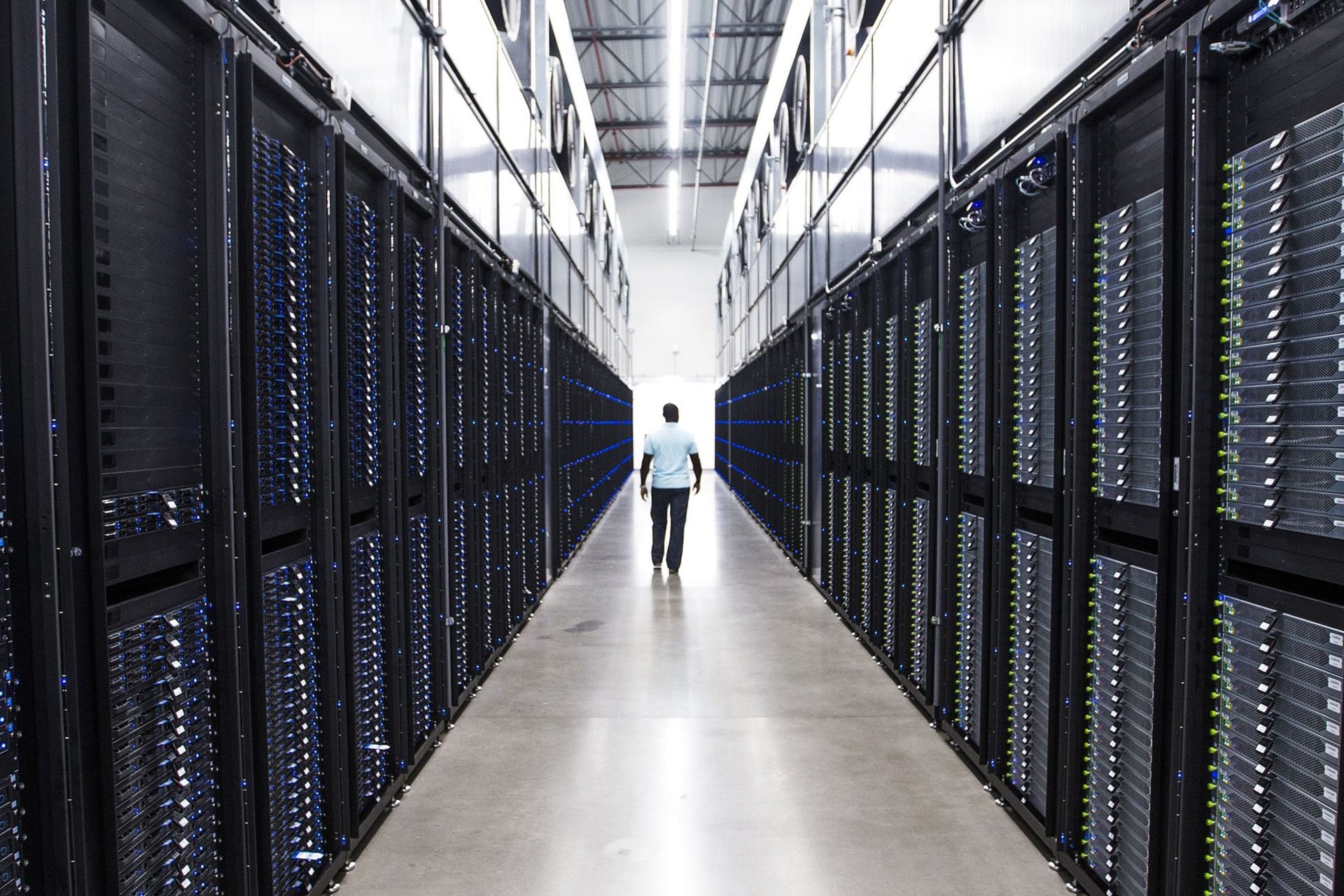
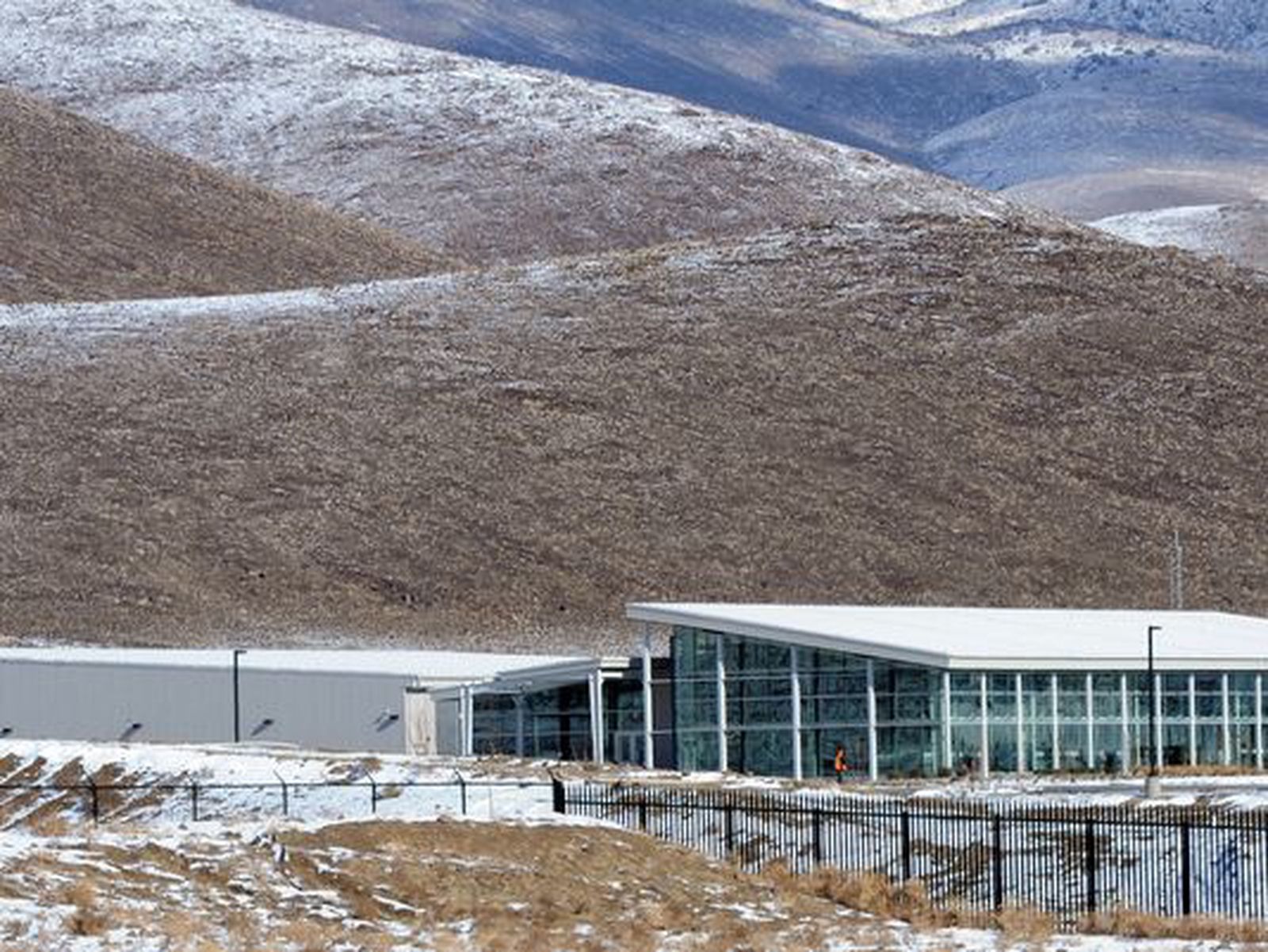
Apple's multi-billion-dollar data center investments in Reno, Nevada, transformed a region historically dependent on gaming and tourism into a premier western hub for cloud computing, advanced infrastructure, and clean energy innovation. Since breaking ground at the Reno Technology Park in 2012, Apple expanded its physical footprint, catalyzed regional utility modernizations, attracted major tech peers, and fueled workforce programs across Northern Nevada.
The Origins of Apple’s Reno Investment
In 2012, Apple made a foundational decision to locate a major data processing node at the Reno Technology Park, situated just east of the Reno-Sparks metro area in Storey and Washoe counties. At the time, Northern Nevada’s regional economy relied heavily on hospitality, gaming, and warehousing. State leaders sought to diversify the economic tax base by creating competitive incentive packages through the Nevada Governor's Office of Economic Development (GOED).
The initial state agreement granted sales and property tax abatements in exchange for sustained capital investments, employment commitments, and infrastructure buildouts. What began as a modest initial facility quickly scaled into a massive campus spanning hundreds of acres.
Apple’s entry signaled to the global technology sector that Northern Nevada possessed critical structural advantages:
- Geographic Proximity: Low latency connectivity to Silicon Valley and major West Coast fiber backbones.
- Geological Stability: Minimal seismic activity compared to coastal California.
- Climate and Topography: Ideal high-desert conditions for energy-efficient cooling systems.
- Available Land: Expansive parcels with straightforward zoning paths for large industrial developments.
Beyond the primary campus at Reno Technology Park, Apple expanded into downtown Reno, purchasing historic properties to build logistical, administrative, and purchasing offices. This multi-site footprint demonstrated a long-term commitment that extended beyond raw compute infrastructure into urban revitalization.
Technical Architecture and Infrastructure Scale
The Reno data center facility serves as a backbone for Apple’s global services network. Millions of queries and data transfers pass through Northern Nevada daily to power core consumer and enterprise ecosystem features.
- Reno Data Center Compute Core
- iCloud Storage & Sync
- Siri Speech Processing
- App Store & Apple Music
Core Cloud Services Supported
- iCloud Storage and Synchronization: User backups, photo libraries, device synchronization, and document management rely heavily on the high-throughput storage arrays housed in Reno.
- Siri and Machine Learning: Low-latency compute hardware processes natural language queries, speech synthesis model training, and predictive features.
- App Store and Media Streaming: Large-scale distribution of application binaries, system updates, Apple Music streams, and high-definition video content.
- Apple Pay and Identity Verification: Secure transactions and authentication services require resilient, redundancy-backed server nodes.
Power, Networking, and Fiber Topology
Data centers of this scale demand massive utility throughput. The Reno site connects directly to regional high-voltage transmission lines managed by NV Energy. High-density server deployments require continuous multi-megawatt capacity, supported by redundant uninterruptible power supply (UPS) banks and backup generators to ensure 99.999% operational availability.
For data transit, the location taps into major transcontinental fiber routes running along the Interstate 80 corridor. This strategic positioning provides direct, low-latency interconnects to major internet exchange points (IXPs) in the San Francisco Bay Area, Sacramento, Salt Lake City, and the Pacific Northwest.
The Economic Ripple Effect on Northern Nevada
Apple's presence initiated a chain reaction across Northern Nevada’s economy. Prior to 2012, tech industry employment in Washoe County represented a minor fraction of local payrolls. Within a decade of construction, the region earned the moniker "Silicon Highlands."
- Apple Reno Data Center Entry (2012)
- Industrial Expansion: Nevada Tahoe Industrial Center Growth (Tesla, Switch)
- Utility Modernization: High-Capacity Grid & Clean Energy Investments
- Economic Shifting: Transition from Gaming to Tech & Logistics
- Educational Support: Computer Science & STEM Initiatives at UNR
Industrial Cluster Formation
Apple’s capital investment validated Northern Nevada as a prime destination for hyperscale infrastructure. Following Apple's initial buildouts, other technology and manufacturing leaders established operations nearby:
- Switch Citadel Campus: Constructed the world’s largest single data center site in the Tahoe Reno Industrial Center (TRIC).
- Tesla Gigafactory Nevada: Built massive battery and powertrain manufacturing facilities nearby.
- Google & Microsoft Data Parcels: Acquired land across Storey County and Lyon County for secondary cloud infrastructure deployments.
Real Estate and Commercial Development
The influx of construction labor, full-time site engineers, network technicians, and facility operators increased demand for commercial real estate and modern housing options across Reno, Sparks, and Fernley. While this growth stimulated municipal tax revenues and retail vitality, it also introduced structural challenges regarding housing affordability and local cost of living.
Regional Tech Infrastructure Comparison
The technological landscape of Northern Nevada features several distinct major facilities. The table below compares the key attributes of primary data and advanced tech installations across the region:
| Facility / Operator | Primary Location | Primary Function / Scope | Key Power Source | Regional Infrastructure Impact |
|---|---|---|---|---|
| Apple Reno Data Center | Reno Technology Park | Global cloud services (iCloud, Siri, App Store) | 100% Renewable (Dedicated Solar + NV Energy Green Tariffs) | Catalyzed tech diversification, expanded local fiber networks |
| Switch Citadel Campus | Tahoe Reno Industrial Center | Colocation, enterprise cloud, hyper-scale hosting | 100% Renewable (Solar + Storage partnerships) | Standardized high-density colocation and regional data transit hubs |
| Google Storey County | Storey County / TRIC | Cloud compute, backend infrastructure | Renewable power agreements | Expanded regional land holdings and grid infrastructure investments |
| Tesla Nevada Gigafactory | Tahoe Reno Industrial Center | Battery production, AI supercomputing arrays | On-site solar array + regional grid | Transformed industrial workforce, driven high-voltage electrical grid expansions |
Environmental Sustainability and Energy Innovation
One of the most significant impacts of Apple’s expansion in Nevada is its contribution to local green power development. To meet corporate environmental targets, Apple committed to powering 100% of its data center operations through renewable energy resources.
Dedicated Solar Partnerships
Rather than relying solely on existing energy mixes, Apple partnered directly with Nevada’s primary utility, NV Energy, to construct new solar facilities across the state:
- Fort Churchill Solar Array: A 20-megawatt solar project developed in Lyon County to supply clean energy directly to the regional grid.
- Techren Solar Projects: Micro-grid and large-scale utility solar installations in Southern and Northern Nevada designed to balance daytime power creation with operational loads.
- Green Energy Tariffs: Apple helped pioneer utility tariff structures in Nevada that allow large industrial customers to buy directly from newly constructed renewable generation assets.
High-Desert Water Conservation and Cooling
Operating high-density server equipment in a high-desert environment presents unique thermodynamic and environmental challenges. Conventional cooling towers rely heavily on evaporative water consumption. To protect local watershed resources in the Truckee River basin, Apple incorporated advanced water-efficient cooling designs:
Outside Air (Cool Desert Air)
Indirect Economizer System
- Minimal Evaporative Auxiliary
Cooling Module
Server Racks
Air Economizers: Utilizing dry, cool ambient Nevada air for direct and indirect free cooling during major portions of the year, minimizing refrigeration compressor usage.
Closed-Loop Chilled Water Systems: Recirculating treated water within sealed loops to eliminate continuous water replacement needs.
Variable-Frequency Drives (VFDs): Dynamically tuning fan and pump speeds based on live thermal monitoring, reducing auxiliary parasitic power draws.
Workforce Development and Higher Education Collaborations
A hyper-scale facility requires specialized local skills in network engineering, industrial automation, electrical safety, and HVAC systems control. Apple has engaged with educational institutions across Nevada to strengthen the local talent pipeline.
University of Nevada, Reno (UNR) Partnerships
Apple supported STEM initiatives and specialized curricula at the University of Nevada, Reno. Through donations, equipment access, and collaborative research initiatives, UNR's College of Engineering expanded its programs in:
- Computer Science and Cybersecurity
- High-Performance Computing (HPC) Architecture
- Renewable Energy Engineering and Smart Grid Integration
Community College Technical Training
In collaboration with Truckee Meadows Community College (TMCC), regional data operators established vocational tracks aimed at training technicians for critical facility management. These vocational certificates cover electrical theory, commercial refrigeration, fiber-optic splicing, and industrial automation controls, giving regional residents direct access to high-paying technical careers.
Challenges and Strategic Outlook
While the expansion of data centers in Northern Nevada has delivered significant economic benefits, it has also introduced complex infrastructure and policy considerations that local authorities continue to address.
Grid Capacity and Resource Allocation
As more hyperscale operators build out capacity, demand on Nevada’s electrical grid rises sharply. Balancing the massive baseload demands of continuous data center operations with residential energy needs requires constant investment in grid stability, energy storage technologies, and transmission line capacity.
Water Conservation in Arid Environments
Despite advancements in closed-loop cooling, industrial developments in Washoe and Storey counties remain subject to water right limitations. Water managers closely audit industrial allocations to protect agricultural, municipal, and wildlife allocations tied to the Truckee-Carson river basins.
Local Housing Dynamics
The rapid influx of technology companies contributed to rising median home prices and rental rates throughout the Reno-Sparks metropolitan area. Local governments continue to work on urban planning, zoning updates, and multi-family housing approvals to maintain balance for long-time residents and incoming technical specialists.
Frequently Asked Questions
Why did Apple choose Reno for its major data center operations?
Reno offers a unique combination of advantages: low-latency fiber access to Silicon Valley, affordable land parcels, low risk of seismic disruptions, favorable tax structures via Nevada incentives, and access to cool high-desert air that lowers operational cooling costs.
What core services are run out of the Reno data center campus?
The Reno campus handles substantial compute and storage workloads for global Apple services, including iCloud photos and document storage, Siri natural language processing, App Store application distribution, Apple Music streaming, and Apple Pay transaction verification.
How does Apple power its Reno data center facilities sustainably?
The facility is powered by 100% renewable energy. Apple partnered with NV Energy to construct dedicated off-site solar farms across Nevada and utilized clean energy tariffs to ensure that every megawatt-hour consumed by the site is offset by clean generation.
How has Apple's investment impacted local education and job opportunities?
Apple's investment funded local computer science and STEM education projects at the K-12 level, supported technical engineering programs at the University of Nevada, Reno, and accelerated vocational training pathways at Truckee Meadows Community College for critical facility maintenance technicians.
Does the Reno data center consume large amounts of regional water?
No. Unlike traditional industrial facilities that rely heavily on open evaporative cooling towers, the Reno data center uses advanced indirect air economizers and closed-loop liquid systems. This design leverages cool ambient desert air for the majority of the year to minimize overall water consumption.
Actionable Takeaways for Businesses and Real Estate Investors
For commercial decision-makers, tech entrepreneurs, and real estate professionals monitoring Northern Nevada’s market dynamics, Apple's established presence highlights several strategic opportunities:
- Evaluate Clean Energy Interconnects: Organizations planning high-compute workloads in Nevada should follow Apple's model by establishing green tariff arrangements with NV Energy early in project planning.
- Leverage Local Talent Pipelines: Engage directly with workforce programs at Truckee Meadows Community College and UNR to secure skilled technicians in critical infrastructure, controls, and network management.
- Monitor Infrastructure Corridors: Commercial real estate investments remain strongest along key transit and infrastructure arteries, notably the Interstate 80 corridor, USA Parkway, and the Reno Technology Park district.
- Prioritize Water-Efficient Infrastructure: Facility designers must design systems around high-desert climate considerations, utilizing dry-cooling and air economization to meet municipal environmental criteria and water-use restrictions.