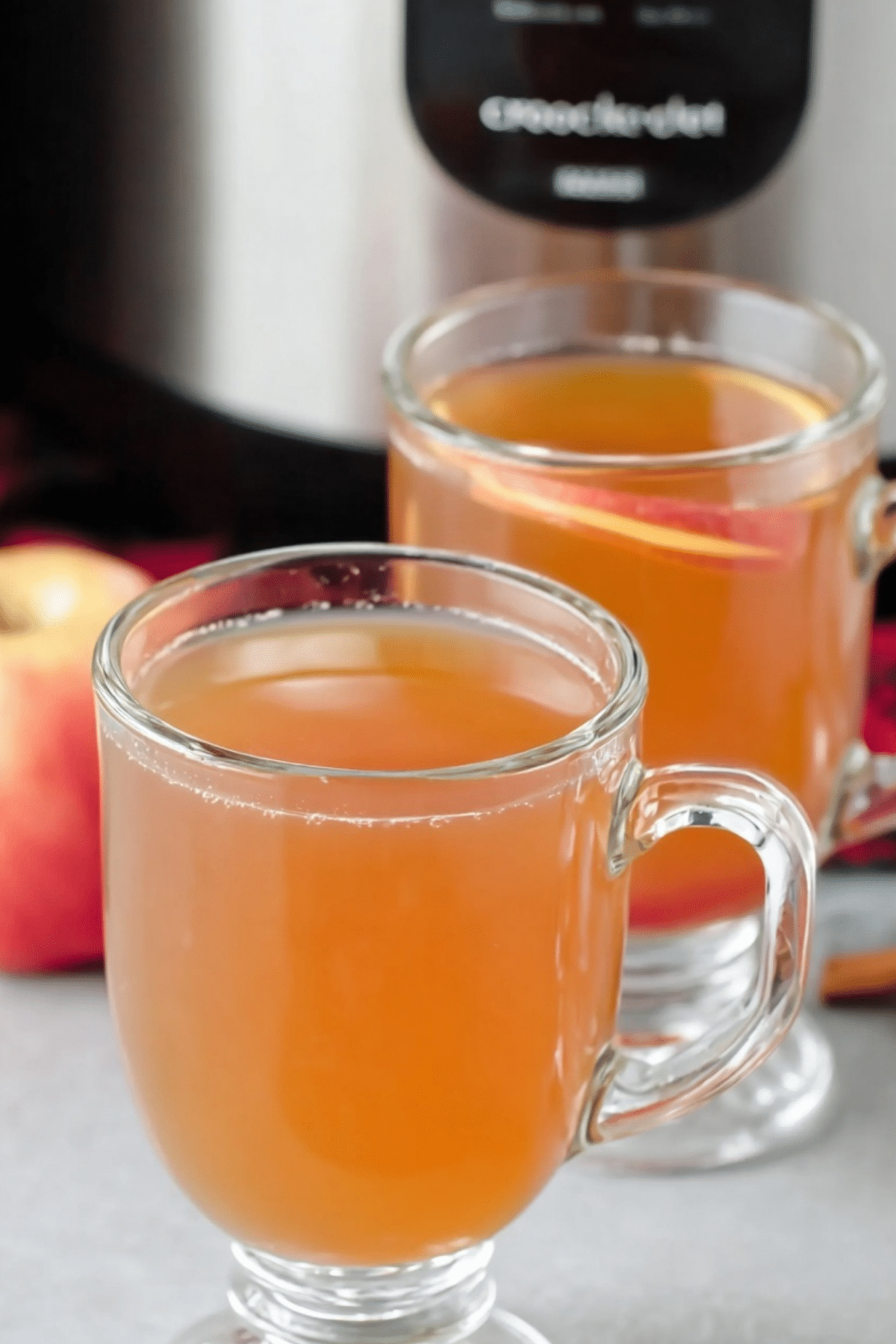
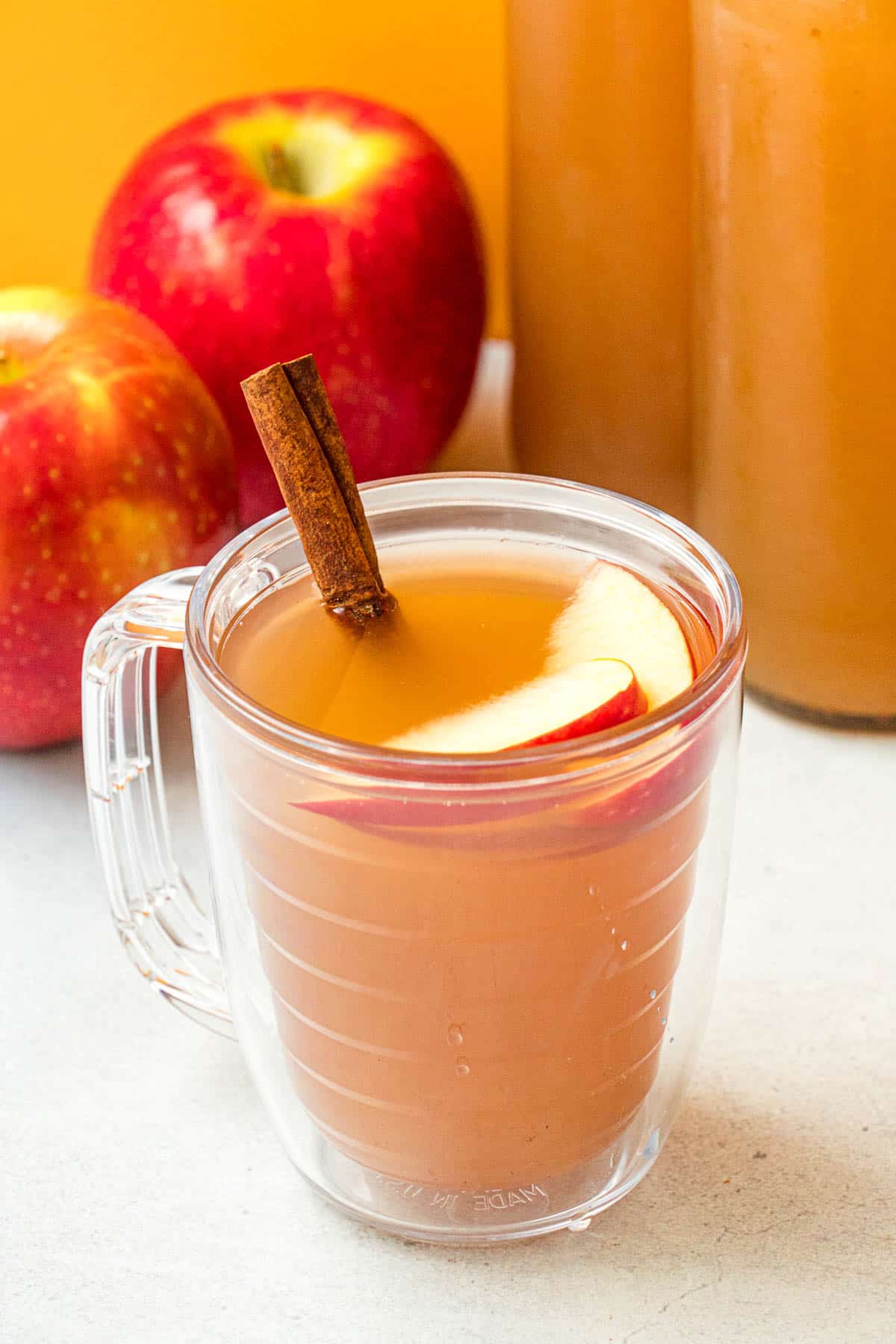
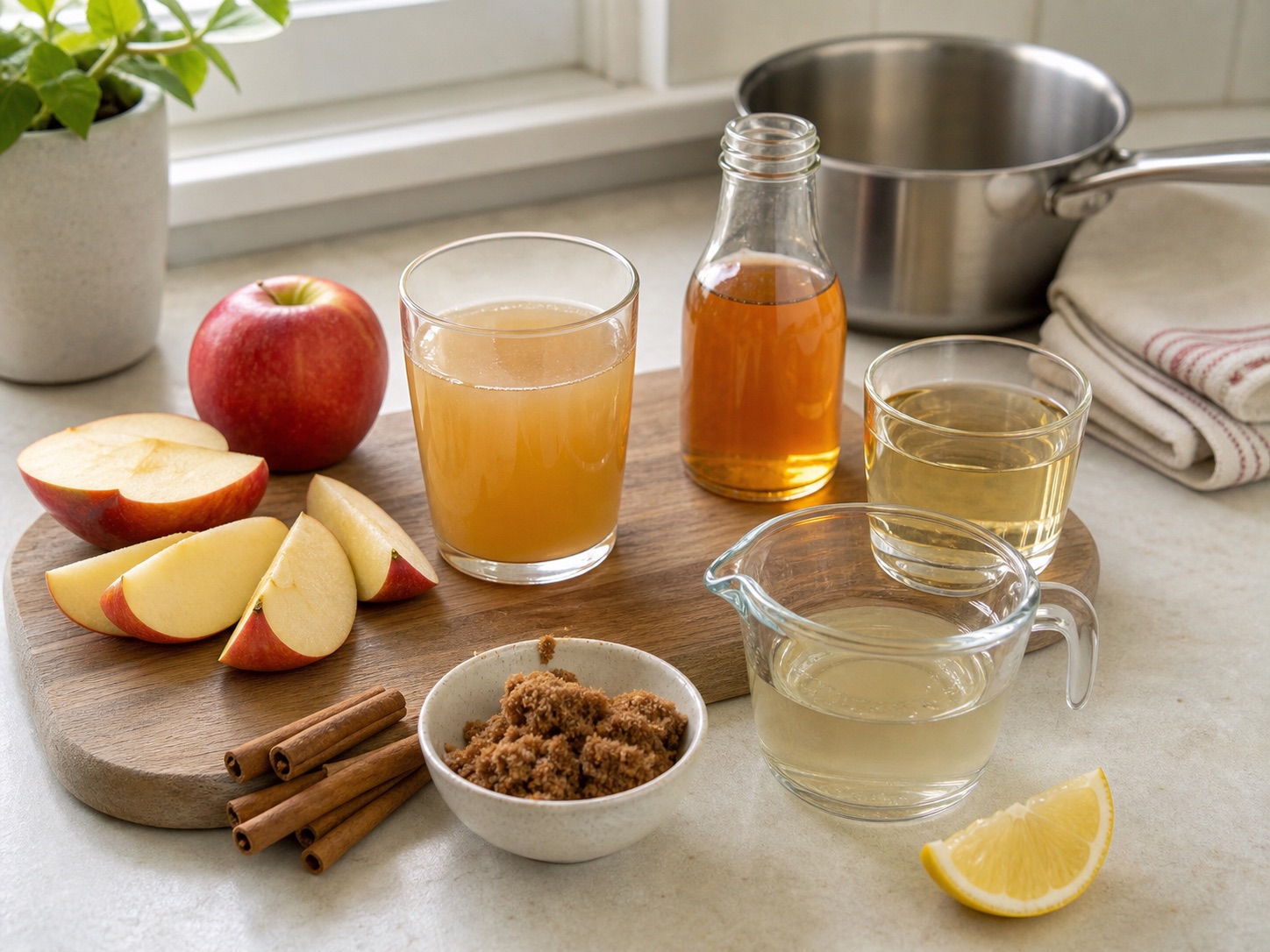
Using apple cider in cooking adds natural sweetness, bright malic acid acidity, and deep fruit flavor to both savory and sweet dishes. It excels in braising pork and poultry, creating rich pan sauces, reducing into glossy glazes, and moistening baked goods. Choose unfiltered, unsweetened sweet apple cider rather than clear apple juice or acidic apple cider vinegar for ideal cooking results.
Understanding Apple Cider: Definitions and Key Distinctions
In culinary applications, confusion frequently arises around the term "apple cider." Depending on geographic region and processing methods, liquid apple products differ significantly in flavor, acidity, sugar content, and culinary performance. Using the wrong liquid can compromise the balance of a recipe, turning a savory pan sauce unpleasantly tart or making a baked dessert overly watery.
In North America, standard sweet apple cider refers to fresh, raw, or pasteurized liquid pressed from whole apples. Unlike clear apple juice, sweet cider remains unfiltered and unclarified, preserving tiny apple solids, polyphenols, and pectin. This raw state gives sweet cider a cloudy tan appearance, a complex sweet-tart flavor profile, and a distinct aroma. In Europe and other regions outside North America, the term "cider" without qualification typically refers to what Americans call hard cider—an alcoholic beverage produced by fermenting apple juice.
It is critical to distinguish sweet cider and hard cider from apple cider vinegar and standard filtered apple juice:
- Sweet Apple Cider: Unfiltered, non-alcoholic pressed juice containing natural sugars, soluble fiber, and malic acid. Ideal for braising, sauces, glazes, baking, and soups.
- Hard Apple Cider: Fermented apple juice containing alcohol (typically 4% to 8% ABV) and dry-to-semi-sweet flavor notes. Excellent for deglazing, fondue, sausage poaches, and light stews.
- Apple Juice: Filtered, clarified, and often heat-pasteurized juice stripped of solids and pectin. It is sweeter, thinner, and less aromatic than cider, often resulting in flat flavor profiles when cooked.
- Apple Cider Vinegar: Double-fermented liquid where sugars are converted first into alcohol, then into acetic acid (typically 5% acidity). It functions purely as an acidulant, not as a liquid beverage substitute for cooking liquids.
| Product Type | Processing Method | Primary Flavor Profile | Acidity & pH Level | Best Culinary Roles | Key Risk / Caution |
|---|---|---|---|---|---|
| Sweet Apple Cider | Unfiltered pressed apples; unfermented | Sweet, earthy, moderately tart | Malic acid; pH ~3.4 – 4.0 | Braising liquids, pan glazes, baking, soups | Perishable; ferments if unpasteurized and warm |
| Hard Apple Cider | Fermented apple juice with active yeast | Dry to off-dry, effervescent, fruity | Malic & lactic acids; pH ~3.3 – 3.8 | Deglazing pans, fondue, sausage braises | Alcohol evaporates unevenly; avoid ultra-sweet commercial brands |
| Filtered Apple Juice | Filtered, clarified, heat-treated | Simple sweetness, low complexity | Low acidity; pH ~3.5 – 4.2 | Sweet drinks, mild jelly, basic poaches | Lacks depth; can turn cloying when boiled down |
| Apple Cider Vinegar | Two-step acetic acid fermentation | Sharp, sour, intensely acidic | Acetic acid (5%); pH ~2.5 – 3.0 | Salad dressings, quick pickles, pan brightener | Do not use as a 1:1 substitute for cooking cider |
Culinary Chemistry: How Apple Cider Works in Cooking
Understanding how heat affects apple cider allows cooks to adjust seasoning, timing, and liquid ratios effectively. Cider is not merely a wet ingredient; it is a complex chemical solution containing water, simple sugars (fructose and glucose), malic acid, tannins, and soluble pectin.
1. Acid Content and Meat Tenderization
The primary acid in apple cider is malic acid, which provides a tart flavor characteristic of green apples. Malic acid has a higher perceived tartness than citric acid, providing a clean taste that cuts through heavy animal fats in dishes featuring pork belly, duck, or dark-meat chicken.
When used in long braises or short marinades, the mild acidity of apple cider (pH 3.4–4.0) gently weakens connective tissue and denatures surface proteins on meats. This structural modification helps muscle tissues retain moisture during cooking without breaking down muscle fiber into mush, a common issue when using high-acid vinegars or citrus juices.
2. Sugar Concentration and Caramelization
Fresh cider typically ranges between 11 and 14 degrees Brix (percent sugar content by weight). As heat evaporates the water content in sweet cider, the fructose and glucose concentrate quickly.
When cider reduces past 50% of its initial volume, thermal chemical reactions accelerate:
- Caramelization: Sugars break down under heat, developing buttery, toasty, and bitter-sweet compound notes above 320°F (160°C).
- Maillard Reaction: Sugars react with amino acids present in pan drippings or braising liquids, yielding deep brown colors and complex savory flavors.
Because of this high natural sugar content, cider reductions burn easily if left over high heat. Glazes containing reduced cider should be applied toward the end of roasting or searing processes to avoid scorched sugar flavors.
3. Pectin Content and Natural Body
Unlike filtered apple juice, unfiltered cider contains natural pectin, a structural polysaccharide found in apple cell walls. As apple cider simmers and reduces, pectin links together in the presence of natural acids and concentrated sugars. This provides natural body and viscosity to pan sauces, reducing the need for heavy applications of flour, cornstarch, or butter.
Best Ways to Use Apple Cider in Savory Dishes
Apple cider complements savory applications by balancing rich, salty, and fatty elements with fruitiness and acidity.
- Apple Cider Culinary Application
- Savory Dishes
- Braising (Pork/Fowl)
- Pan Deglazing
- Meat Brines & Baths
- Root Vegetable Soups
- Sweet Dishes
- Apple Cider Syrup
- Baked Goods & Donuts
- Poached Fruits
- Sweet Glazes/Caramels
- Savory Dishes
Braising Pork, Poultry, and Root Vegetables
Braising relies on long, slow cooking in a sealed vessel with liquid. Replacing standard chicken or vegetable stock with a combination of apple cider and broth creates a rich, fragrant braising environment.
- Pork Shoulder and Chops: Pork contains rich fatty acids that benefit from fruit notes and malic acidity. Combine 2 parts chicken stock with 1 part sweet apple cider, along with fresh thyme, garlic, and sliced onions, to create an optimal braising base for pork shoulder.
- Poultry and Game Birds: Chicken thighs, turkey legs, and duck legs benefit from cider braises. The liquid keeps lean bird meat moist while tenderizing skin and collagen.
- Root Vegetables: Carrots, parsnips, rutabagas, and sweet potatoes braised in a pan with apple cider, butter, and kosher salt absorb the cider's sweetness while their natural starches soften.
Deglazing Pans and Constructing Pan Sauces
After searing steaks, chops, or poultry, brown bits of caramelized protein and fat—known as the fond—remain stuck to the skillet bottom. Deglazing involves pouring a cool liquid into the hot pan to lift this flavor base.
To make an apple cider pan sauce:
- Remove cooked meat from the skillet and drain excess rendering, leaving roughly 1 tablespoon of fat.
- Pour 1/2 cup to 3/4 cup of sweet apple cider into the hot skillet, scraping the fond off the pan bottom using a wooden spoon.
- Add aromatics such as minced shallots, crushed peppercorns, or chopped fresh sage.
- Simmer until the liquid reduces by two-thirds, creating a syrupy consistency.
- Remove the skillet from heat and swirl in cold, unsalted butter one tablespoon at a time to emulsify the sauce into a glossy coating.
Meat Brines and Marinades
Brining introduces moisture and salt into lean proteins like pork loins, whole chicken, and turkey breasts prior to roasting or grilling. Substituting sweet apple cider for a portion of the water in a wet brine adds subtle apple notes and aids in skin browning.
A standard cider brine formula includes:
- 4 cups sweet apple cider
- 4 cups cold water
- 1/2 cup kosher salt (Diamond Crystal preferred, or roughly 60g)
- 1/4 cup brown sugar
- Aromatics: 2 bay leaves, 1 tablespoon whole black peppercorns, 4 crushed garlic cloves, 4 sprigs fresh thyme
Dissolve the salt and sugar in 2 cups of heated cider, then combine with cold water and the remaining cold cider to lower the mixture temperature below 40°F (4°C) before submerging raw meat. Brine pork chops for 2 to 4 hours, or whole chickens for 8 to 12 hours.
Soups and Bisques
Apple cider adds bright flavor to earthy, starchy puréed soups. Butternut squash, roasted pumpkin, sweet potato, and roasted parsnip bisques benefit from adding 1/2 cup to 1 cup of cider per quart of soup. Introduce the cider after sweating the aromatic base (onions, celery, garlic) and before simmering the main vegetables, allowing the cider to meld with the broth.
Baking and Sweet Applications with Apple Cider
Sweet apple cider adds moisture, natural sugars, and distinct apple aroma to baked goods without introducing artificial flavor compounds.
Creating Boiled Apple Cider (Apple Cider Syrup)
Standard apple cider contains high water volume, which can disrupt the wet-to-dry ratios of baking batters if added straight from the jug. To overcome this, bakers use boiled apple cider (a concentrated cider syrup).
To make boiled cider at home:
- Pour 8 cups (2 quarts) of unsweetened sweet apple cider into a wide, heavy-bottomed stainless steel pot.
- Bring the liquid to a rolling boil over medium-high heat.
- Reduce heat slightly to maintain an active simmer, skimming off any foam that rises to the top.
- Simmer until the liquid reduces down to 1 cup (an 8-to-1 reduction). This takes roughly 45 to 60 minutes.
- The final syrup should coat the back of a spoon and measure between 65° and 68° Brix (similar to maple syrup density).
Boiled apple cider provides intense apple flavor for cake batters, pie fillings, buttercream frosting, whipped cream, and caramel sauces without adding excess liquid.
Apple Cider Doughnuts, Cakes, and Quick Breads
Apple cider doughnuts rely on a combination of reduced cider and warm spices (cinnamon, nutmeg, allspice, and cardamon).
- Moisture Retention: The natural sugars and soluble fiber in apple cider act as humectants in cake structures, holding water in the baked crumb and preventing quick breads from drying out quickly.
- Leavening Dynamics: Because raw apple cider is mildly acidic, it reacts with baking soda (sodium bicarbonate) to form carbon dioxide gas bubbles. When formulating cider cakes, balance baking soda with baking powder to ensure proper rise without leaving an alkaline taste.
Poached Fruits
Poaching pears (such as Bosc or Anjou) or firm apples (such as Honeycrisp or Braeburn) in apple cider infuses them with rich flavor while gently cooking their cell structures. Combine cider with a cinnamon stick, star anise, lemon peel, and a tablespoon of honey. Simmer peeled, cored fruit halves in the liquid for 15 to 25 minutes until tender when pierced with a paring knife.
Selecting and Storing Apple Cider for Cooking
To achieve consistent cooking results, select pure cider products and store them correctly to prevent unwanted fermentation.
Reading Ingredients Labels
When purchasing apple cider for cooking, examine the ingredient label carefully:
- Ideal Ingredients: "Pressed Apples" or "Apple Juice, Ascorbic Acid (Vitamin C)." Ascorbic acid is commonly added to prevent browning and does not harm flavor.
- Ingredients to Approach with Caution: Added sugars, high-fructose corn syrup, or artificial flavorings. Pre-sweetened ciders skew recipe balances, making savory sauces overly sweet.
- Spiced Cider / Spiced Cider Mixes: Pre-spiced ciders contain heavy cinnamon, clove, or orange oils. Avoid using pre-spiced cider in versatile savory recipes, as the clove and cinnamon can overpower meats and pan sauces.
- Preservatives: Potassium sorbate and sodium benzoate are common shelf-stable preservatives. While safe for direct cooking, they prevent wild yeast growth—meaning you cannot use these ciders to start home fermentations or yeast starter cultures.
Pasteurized vs. Unpasteurized Cider
Unpasteurized raw cider retains native microflora and enzymes. While praised for drinkability, raw cider carries small risks of foodborne bacteria (such as E. coli or Salmonella) for vulnerable populations.
In cooking, heat treatment neutralizes wild bacteria and enzymes. However, if using cider in raw dressings or cold marinades, choose pasteurized cider or cider treated with UV light.
Storage, Shelf-Life, and Freezing
Fresh, unpreserved pasteurized sweet cider must remain refrigerated between 34°F and 38°F (1°C to 3°C).
- Refrigerated Shelf-Life: Opened fresh cider maintains peak flavor for 7 to 10 days. Beyond this point, natural yeasts may begin fermenting remaining sugars, creating off-flavors, slight effervescence, or alcohol notes.
- Freezing Guidelines: Sweet cider freezes exceptionally well. Pour cider into airtight, freezer-safe glass jars or plastic containers, leaving at least 1 inch of headspace for liquid expansion. Frozen apple cider retains quality for up to 12 months.
- Freezing Portions: Freeze cider in standard silicone ice cube trays (roughly 2 tablespoons per well). Store the frozen cubes in a zip-top bag to melt into pan sauces or gravies as needed.
Substitutions and Adjustments
When apple cider is unavailable, substitute alternative ingredients thoughtfully to match its balance of sugar, acidity, and water content.
- Missing Apple Cider?
- Unsweetened Juice: Add 1 tsp lemon juice per cup to match acidity.
- Hard Cider (Dry): Direct 1:1 swap for savory foods; cook off alcohol.
- Apple Cider Vinegar: Dilute 1 tbsp with 1 cup water/stock + 1 tsp sugar.
1. Unsweetened Apple Juice + Acid
Unsweetened apple juice is the closest substitute for sweet cider, though it lacks cider's depth, solids, and malic acidity.
- Substitution Ratio: Replace 1 cup of apple cider with 1 cup of unsweetened filtered apple juice plus 1 teaspoon of fresh lemon juice or apple cider vinegar. The added acid counteracts the plain sweetness of filtered juice.
2. Hard Apple Cider
For savory dishes, dry or semi-dry hard cider works exceptionally well as a substitute for sweet cider.
- Substitution Ratio: Substitute dry hard cider 1:1 for sweet apple cider in pan deglazing, braises, and fondue. Avoid sweet commercial hard ciders, as their sugar content burns easily. Keep in mind that hard cider contains alcohol, which requires boiling for several minutes to reduce residual alcohol volume.
3. Apple Cider Vinegar (Diluted)
Never substitute apple cider vinegar for apple cider in a 1:1 ratio. Apple cider vinegar is far too acidic and lacks the structural sugars needed for braises and baked goods.
- Correct Usage: If a savory braise calls for 1 cup of sweet apple cider and you only have vinegar, combine 1 tablespoon of apple cider vinegar, 1 cup of chicken stock or water, and 1 teaspoon of granulated sugar or honey. This replicates the liquid volume, low background sweetness, and mild tang without overwhelming the dish with acetic acid.
4. Apple Butter or Apple Concentrate
For baking applications, unsweetened frozen apple juice concentrate or smooth apple butter can stand in for reduced cider.
- Concentrate Ratio: Thaw frozen concentrated apple juice and use it directly at a 1:2 ratio (use 1/2 cup concentrate to substitute for 1 cup of reduced cider).
Frequently Asked Questions
Can I use apple cider vinegar instead of apple cider for cooking?
No, you cannot substitute apple cider vinegar for apple cider in a 1:1 ratio. Apple cider vinegar is a sharp, fermented acid with a low pH (2.5 to 3.0), while sweet apple cider is a sweet, unfiltered juice with a higher pH (3.4 to 4.0). Using vinegar in place of sweet cider will make your dish unpalatably sour and ruin the balance of your recipe.
What is the difference between apple juice and apple cider when cooking?
Apple cider is unfiltered, retaining apple solids, natural pectin, and higher levels of malic acid, which produces rich pan sauces and moist baked goods. Filtered apple juice is strained, heat-treated, and stripped of solids, resulting in a thinner, sweeter liquid that offers less flavor complexity when boiled down or braised.
How do I make boiled cider for baking recipes?
To make boiled apple cider, simmer sweet unfiltered apple cider in a wide pot over medium heat until it reduces to one-eighth of its original volume (for example, reducing 8 cups of cider down to 1 cup). The process takes roughly 45 to 60 minutes and produces a thick, pourable syrup that delivers concentrated apple flavor without watering down cake batters or glazes.
Is hard cider good for cooking savory meals?
Yes, dry hard apple cider works very well in savory cooking. Its bright acidity and low residual sugar make it ideal for deglazing hot pans, braising pork shoulder, poaching sausages, and making French-style cream sauces. Avoid heavily sweetened commercial hard ciders, which can scorch in hot pans.
Why did my apple cider pan sauce curdle?
A cider pan sauce usually curdles because heavy cream or butter was added while the cider reduction was still boiling over high heat, or because the acid level was too concentrated. To prevent curdling, reduce the cider first, lower the pan heat, and gradually whisk in cold butter off the flame to form a stable emulsified sauce.
Practical Recommendations for Getting Started
To master cooking with apple cider, begin by experimenting with simple techniques before moving on to complex reductions or baking projects.
- Start with a Pan Deglaze: Next time you sear pork chops or chicken breasts, pour 1/2 cup of sweet unfiltered apple cider into the hot pan after removing the meat. Scrape up the browned bits, reduce the liquid by half, and swirl in a tablespoon of cold butter for an easy pan sauce.
- Purchase Pure, Unsweetened Cider: Always check the label. Ensure the cider contains no added sugars, corn syrups, or heavy spice blends so you retain complete control over your recipe's flavor profile.
- Make a Freezer Stock: When sweet apple cider is in season, buy extra jugs and freeze them in 1-cup portions or ice cube trays. Having portioned cider ready allows you to add fruit flavor and acidity to sauces, soups, and marinades year-round.