"apple com cupertino ca us" (often formatted as APPLE.COM/BILL, APPLE COM CUPERTINO CA, or APPLE CORPORATION CUPERTINO CA US) is the standard merchant location descriptor used by Apple Inc. on financial statements, receipts, and corporate filings. It reflects purchases processed through Apple’s online billing systems and identifies their headquarters in Cupertino, California, United States.
Decoding the "apple com cupertino ca us" Text String
When a credit card, debit card, or bank statement displays a line item containing "apple com cupertino ca us", it represents a payment transaction processed by Apple Inc. Financial institutions format merchant descriptor lines using standard electronic data interchange rules governed by payment card networks such as Visa, Mastercard, American Express, and Discover.
The descriptor consists of four primary geographic and domain components:
- apple.com: The official primary website domain for Apple Inc., indicating that the transaction was routed through Apple's digital commerce infrastructure.
- cupertino: The municipal location of Apple Inc.'s global corporate headquarters in Santa Clara County, California.
- ca: The standard two-letter postal abbreviation for the state of California.
- us: The ISO country code for the United States, denoting the primary jurisdiction of Apple’s processing entity for North American accounts.
Payment gateways insert this location string regardless of whether the buyer physically made a purchase in California or bought a digital service from another state. Apple routes digital transactions through its corporate processing entities, resulting in statement entries that point back to its headquarters location in Cupertino.
Common Statement Variations
Depending on your financial institution, card issuer, and the specific Apple service involved, the text string on your statement may appear in slightly different formats:
APPLE.COM/BILL CUPERTINO CAAPPLE COM CUPERTINO CA USAPPLE STORE #R000 CUPERTINO CAAPL*APPLE ITUNES STORE CUPERTINO CAAPPLE MEDIA SERVICES CUPERTINO CA
These variations all refer to legitimate Apple Inc. digital processing gateways. However, verifying the exact nature of the charge requires cross-referencing your purchase history.
Primary Causes for Charges Originating from Apple Cupertino
Unidentified charges containing the Cupertino descriptor usually stem from digital recurring subscriptions, media purchases, hardware orders, or shared family purchases. Because Apple aggregates multiple transactions into single line items or delays billing by 24 to 48 hours, cardholders often do not recognize the immediate amount shown on their bank statement.
Apple Billing Descriptor Sources:
- Digital Subscriptions: iCloud+, Apple Music, Apple TV+, Apple One
- App Store Purchases: In-App Purchases, Paid Apps, Game Items
- Hardware & Service: Apple Online Store, AppleCare+ Plans
- Family Sharing: Purchases initiated by linked accounts
1. Recurring Digital Subscriptions
The most frequent cause of small, unexpected charges under $20 is an active recurring subscription. Apple automatically renews subscriptions unless canceled at least 24 hours prior to the renewal date. Common Apple-branded subscriptions include:
- iCloud+ Storage Plans: Monthly tier charges (such as $0.99, $2.99, or $9.99 depending on storage allocation).
- Apple Music: Individual, family, or student monthly streaming plans.
- Apple TV+ and Apple Arcade: Monthly streaming entertainment and gaming subscriptions.
- Apple One Bundles: Combined tier subscriptions aggregating music, cloud storage, TV, and gaming services.
- Third-Party App Subscriptions: Subscriptions for third-party mobile applications (such as productivity apps, fitness trackers, or streaming channels) billed through Apple Media Services.
2. App Store and In-App Purchases
Purchases made within games or applications often display as generic Apple charge entries rather than naming the third-party app developer. Microtransactions, virtual currency, premium upgrades, or software licenses purchased on iOS, iPadOS, or macOS devices are billed collectively under Apple's merchant descriptor.
3. Batched or Aggregated Transactions
Apple Frequently groups multiple purchases into a single charge. If you purchase a $0.99 app tier, a $2.99 movie rental, and a $4.99 in-app item over a 48-hour window, Apple’s billing gateway may aggregate these into one line item of $8.97 on your statement. This batch processing can cause confusion when attempting to match single receipts against bank records.
4. Family Sharing Group Charges
If your Apple ID is configured as the organizer for an Apple Family Sharing group, your registered payment method is automatically charged for purchases made by group members (including children or dependents). Even if another family member clicks "Buy" on their individual device, the line item billed to APPLE.COM/BILL CUPERTINO CA US will post directly to the organizer’s credit card or bank account.
5. Hardware, Accessories, and AppleCare+
Purchases made directly through the online Apple Store or the Apple Store application are processed via Cupertino billing channels. Additionally, monthly or annual recurring payments for AppleCare+ service coverage plans post under this descriptor.
How to Verify and Identify Unknown Apple Charges
Before assuming a transaction is fraudulent or filing a dispute with your bank, follow official verification procedures to identify the specific item attached to the transaction.
Step 1: Access Apple’s Dedicated Purchase Portal
Apple operates a specialized web portal designed specifically for audit and billing lookup:
- Open a web browser and navigate to reportaproblem.apple.com.
- Log in using the Apple ID and password associated with your Apple devices.
- Review the complete itemized transaction list. This view displays specific app names, exact timestamps, itemized taxes, and invoice numbers matching total dollar amounts.
Step 2: Check Purchase History on an iOS or iPadOS Device
If you cannot access a web browser, check your transaction records directly on your iPhone or iPad:
- Open the Settings app.
- Tap your Name / Apple ID Banner at the top of the menu.
- Select Media & Purchases, then tap View Account.
- Scroll down and select Purchase History.
- Set the date range filter to cover the past 90 days to locate matching dollar figures.
Navigation Path:
- Settings
- [Your Name]
- Media & Purchases
- View Account
- Purchase History
Step 3: Check Active Subscriptions
To identify recurring charges that renew on specific calendar days:
- Open Settings on your iOS device.
- Tap your Name, then select Subscriptions.
- Examine both the Active and Expired sections. Check the renewal dates and billing amounts to confirm whether a recurring charge matches the bank entry.
Step 4: Account for Pending Authorization Holds
When updating card details or starting free trial periods, Apple may issue a temporary authorization hold (typically $1.00 USD) to verify account validity. These authorization holds drop off your statement within a few business days and do not represent finalized charges.
Official Apple Corporate Contact and Headquarters Details
Beyond financial statement line items, "apple com cupertino ca us" designates the physical and legal location of Apple Inc. for legal notices, formal corporate inquiries, and official correspondence.
| Apple Inc. Corporate Profile | Details |
|---|---|
| Primary Legal Name | Apple Inc. |
| Headquarters Address | One Apple Park Way, Cupertino, CA 95014, USA |
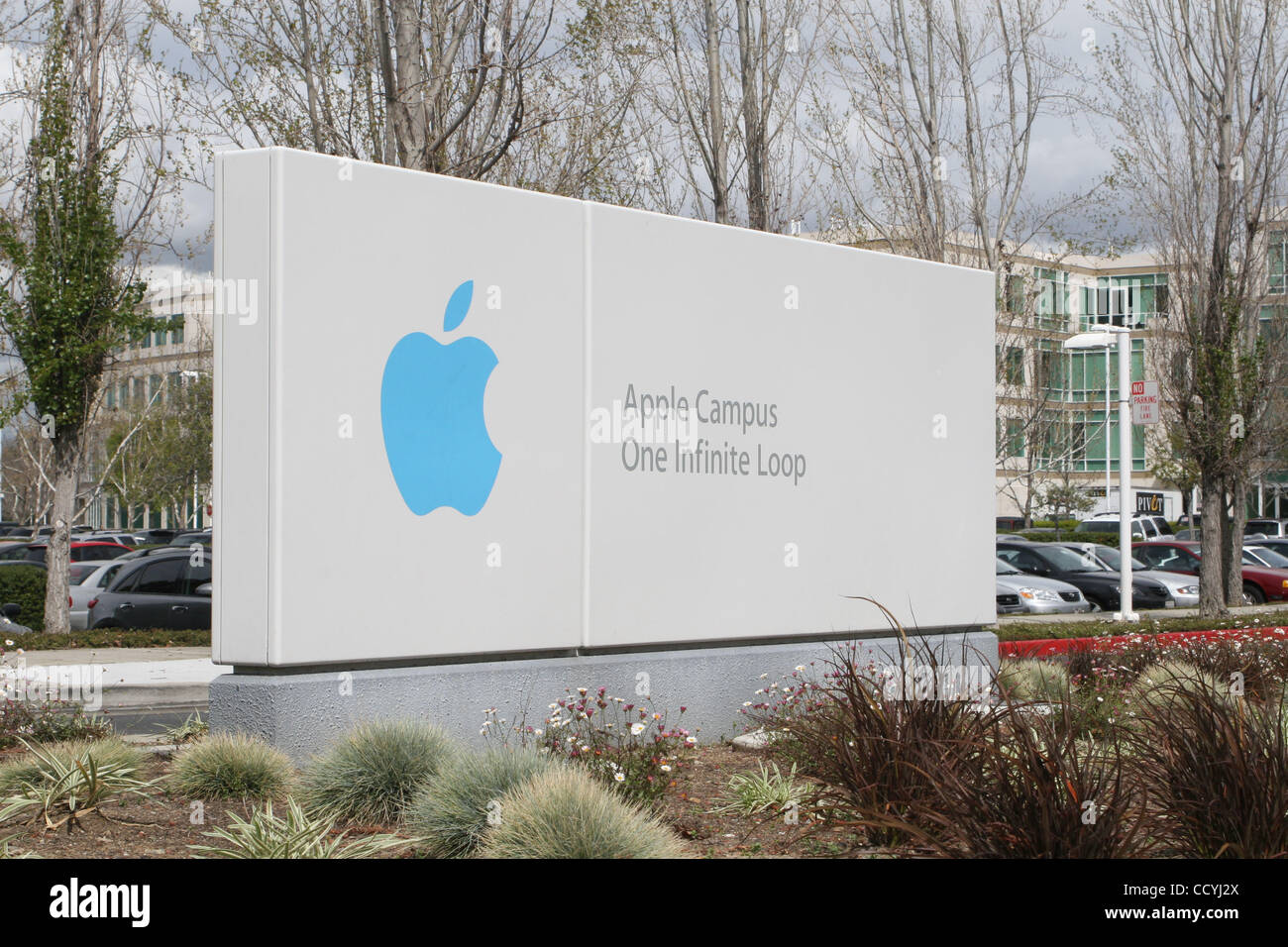
| Historic Headquarters | 1 Infinite Loop, Cupertino, CA 95014, USA |
| Primary Web Domain | apple.com |
| Toll-Free Support (US) | 1-800-MY-APPLE (1-800-692-7753) |
| Corporate Switchboard | (408) 996-1010 |
Physical Addresses
- Global Headquarters (Apple Park):Apple Inc.One Apple Park WayCupertino, CA 95014United States
- Historic Campus (Infinite Loop):Apple Inc.1 Infinite LoopCupertino, CA 95014United States
Customer Support and Billing Contact Channels
If you cannot identify a charge using the automated tools, contact Apple Support directly through verified channels:
- Official Support Website: support.apple.com
- U.S. Customer Support Line: 1-800-MY-APPLE (1-800-692-7753)
- Apple Support App: Available for download via the iOS App Store for direct chat and phone call scheduling.
Dispute and Refund Process: Step-by-Step Action Plan
If an unexpected charge is identified as an unintended purchase, an accidental subscription, or an unauthorized transaction, follow these steps to resolve the issue.
Billing Issue Resolution Flow:
- Identify Charge: Check reportaproblem.apple.com
- Recognized Item?
- Yes: Request Refund via Apple Portal
- No: Check Family Sharing
- Found: Manage Family Permissions
- Not Found: Contact Bank / Issuer to report unauthorized card fraud
Option A: Submitting an Official Refund Request to Apple
For accidental purchases or forgotten subscription renewals, request a refund directly through Apple. Refunds processed by Apple are generally faster and carry no risk of account lockout.
- Go to reportaproblem.apple.com.
- Log in with your Apple ID.
- Under the "I would like to..." drop-down menu, select Request a refund.
- Choose the reason for the request (e.g., "I didn't mean to buy this" or "A child/minor bought this without permission").
- Select the specific item from your purchase list and click Submit.
Apple typically reviews refund claims within 24 to 48 hours. You can check the status of your request at any time by returning to the portal.
Option B: Filing a Chargeback with Your Financial Institution
If a charge was made using stolen card information and does not appear anywhere in your Apple ID purchase history (or any family member's account), your card details may have been compromised elsewhere.
- When to file a bank dispute: Only file a chargeback or fraud report with your bank if you have confirmed that the charge did not originate from your household's Apple accounts.
- Account Implications: Filing a bank chargeback against Apple for purchases linked directly to your active Apple ID can lead to account restrictions, including the permanent suspension of your Apple ID's ability to make future digital purchases until the balance is resolved.
- Card Cancellation: If your card was fraudulently used by a third party on an unrelated Apple account, instruct your bank to cancel the compromised card and issue a replacement.
Recognized Billing Descriptors vs. Potential Fraud Risk Signals
Distinguishing between legitimate Apple billing entries, phishing attempts, and payment card fraud is essential for maintaining account security.
| Feature / Metric | Legitimate Apple Billing Entry | Phishing Email / SMS Attempt | Fraudulent Card Usage |
|---|---|---|---|
| Primary Channel | Posted directly to bank or credit card statement | Email, SMS, or pop-up notification | Statement line item on unlinked account |
| Common Text Format | APPLE.COM/BILL CUPERTINO CA, APPLE COM CUPERTINO CA US |
"Your Apple ID has been locked, click here to resolve billing" | APPLE.COM/BILL (or slight variants) |
| Appears in Apple History | Yes (visible on reportaproblem.apple.com) |
No (links to external fake web pages) | No (not found on your Apple ID portal) |
| Action Required | Review purchase history; request refund if needed | Do not click links; delete message immediately | Contact bank card fraud department immediately |
| Account Risk Level | Low (standard commercial billing) | High (credential theft risk) | Critical (payment card compromised) |
Security Best Practices to Prevent Unintended Apple Charges
To avoid unexpected charges billed to APPLE.COM/BILL CUPERTINO CA US, implement robust authentication settings across all Apple devices connected to your payment methods.
Require Passwords for Every In-App Purchase
Prevent accidental microtransactions by configuring your device to demand authentication for every transaction:
- Open Settings on iOS/iPadOS.
- Tap Screen Time, then select Content & Privacy Restrictions.
- Tap iTunes & App Store Purchases.
- Set Require Password to Always Require.
- Set In-app Purchases to Don't Allow if children frequently use the device.
Enable Biometric Passcode Protection
Ensure that Face ID or Touch ID is required to authorize Apple Pay and App Store downloads. Never share your master device passcode with individuals who are not authorized to make purchases on your linked accounts.
Manage Family Sharing Purchase Approvals
If you utilize Family Sharing, turn on the Ask to Buy feature for child accounts:
- Open Settings and tap your Apple ID Name.
- Select Family Sharing, then tap the family member’s name.
- Toggle Ask to Buy to ON.
When enabled, any purchase or free download initiated by the family member sends an authorization pop-up to the family organizer's primary device for explicit approval.
FAQs
Why does my bank statement say "apple.com/bill" or "apple com cupertino ca us"?
This entry indicates that Apple Inc. processed a payment for a purchase or subscription using your card information. "Cupertino CA US" identifies Apple’s global headquarters location in California, which is included in payment processing networks as the merchant's geographic anchor.
What should I do if I see an unexpected Apple charge on my credit card?
First, log in to reportaproblem.apple.com to view your account's itemized purchase history. If the charge is not listed there, check the purchase histories of any family members linked through Family Sharing. If the charge remains unverified across all household accounts, contact your card issuer's fraud department to report that your card number was compromised.
How long does Apple take to process a refund?
Once submitted via reportaproblem.apple.com, Apple usually updates the status of a refund request within 24 to 48 hours. If approved, store credit refunds may take 48 hours to appear, while credit card or bank account refunds typically take 3 to 30 business days depending on your financial institution's processing cycles.
Is "apple com cupertino ca us" a scam or phishing attempt?
If the text appears directly on your official online bank or credit card statement, it is a real merchant descriptor from Apple Inc. However, if you receive an email or text message claiming you were billed by "apple com cupertino ca us" with a link asking you to log in or verify details, that message is likely a phishing scam. Do not click links inside suspicious emails; check your account directly via official channels.
What is the official mailing address for Apple Inc. corporate headquarters?
The primary corporate address for Apple Inc. is One Apple Park Way, Cupertino, CA 95014, United States. Their historic campus is located at 1 Infinite Loop, Cupertino, CA 95014, United States.
Summary and Recommended Actions
When the line item apple com cupertino ca us or APPLE.COM/BILL appears on your financial statement, it represents a digital or physical purchase processed through Apple Inc. To handle unidentified transactions efficiently:
- Verify the line item: Access reportaproblem.apple.com to identify the specific app, subscription, or media file associated with the dollar amount.
- Check linked family accounts: Confirm whether family members or dependents made purchases using shared payment details.
- Request refunds through Apple: Use Apple’s native refund channel for accidental purchases or unwanted renewals to resolve issues without triggering account restrictions.
- Secure your devices: Enforce "Always Require Password" settings, configure Face ID/Touch ID authentication for downloads, and enable "Ask to Buy" for children.
- Contact your bank only for true card fraud: If the charge cannot be located on any household Apple account, notify your card issuer that your payment card information has been compromised.