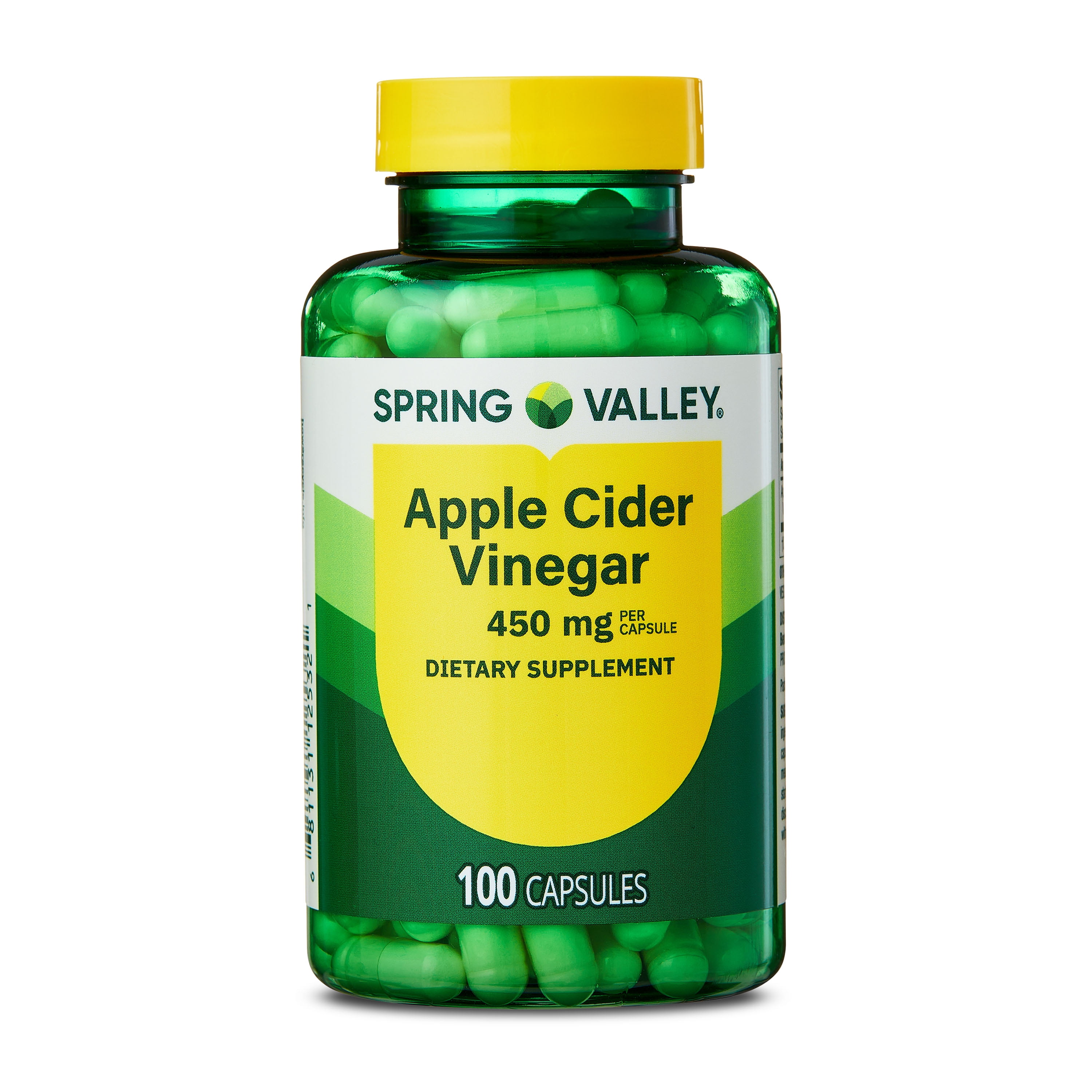
Apple cider vinegar cannot dissolve, shrink, or eliminate a lipoma. Lipomas are benign, encapsulated clusters of subcutaneous fat cells located beneath the skin layer, and neither topical application nor oral ingestion of acetic acid can metabolize or break down these isolated fatty tissues. Safe, effective removal requires medical interventions such as surgical excision or liposuction.
Disclaimer: The information provided in this article is for educational purposes only and should not replace professional medical advice, diagnosis, or treatment. Always consult a qualified healthcare provider regarding any skin lump or medical condition.
Understanding Lipomas: What They Are and How They Develop
A lipoma is a slow-growing, benign (non-cancerous) tumor composed of mature fat cells (adipocytes). It sits between the skin and the underlying muscle layer, forming a soft, rubbery mass that moves easily when pressed with a finger. Lipomas can develop on virtually any part of the body, though they appear most frequently on the neck, shoulders, back, abdomen, arms, and thighs.
While lipomas are extremely common—affecting roughly 1 in every 100 people—they are often misunderstood. Misconceptions surrounding how fat accumulates in a lipoma lead many individuals to seek natural home remedies, such as apple cider vinegar (ACV), hoping to break down the localized fat without surgery. To understand why home remedies fail, it is essential to examine the physiological structure of these benign growths.
- Epidermis & Dermis
- Subcutaneous Tissue (Fat Layer)
- Fibrous Capsule Cover
- Encapsulated Adipocytes (Fat)
- Fibrous Capsule Cover
- Muscle Tissue
Anatomy of a Lipoma: Adipose Cells and Encapsulation
The defining structural feature of a typical lipoma is its fibrous capsule. Unlike general body fat (adipose tissue) that expands or contracts based on overall energy balance, dietary intake, and exercise, a lipoma is enclosed within a thin, membrane-like sheath of connective tissue.
This capsule isolates the inner cluster of fat cells from the surrounding metabolic environment. The adipocytes inside the capsule are functionally normal fat cells, but their structural confinement creates distinct challenges:
- Vascularization: Lipomas possess their own minor blood supply, but they do not actively participate in systemic lipid metabolism in the same manner as generalized visceral or subcutaneous fat.
- Encapsulation: The surrounding fibrous envelope acts as a physical barrier. Systemic metabolic signals that trigger lipolysis (the breakdown of fat cells during weight loss) generally do not reduce the volume of encapsulated lipoma tissue.
- Genetic and Enzymatic Factors: Research suggests that lipomas result from genetic mutations or localized alterations in lipid metabolism within specific cell lines. Conditions such as Familial Multiple Lipomatosis (FML) demonstrate a clear hereditary pattern, confirming that lipoma formation is driven by genetic signaling rather than simple dietary habits or topical skin conditions.
Common Symptoms and Differential Diagnosis
Most lipomas present as painless, localized swellings. Key characteristics include:
- Texture: Soft, doughy, or rubbery to the touch.
- Mobility: Easily moved under the skin with slight finger pressure.
- Size: Typically under 5 centimeters (2 inches) in diameter, although "giant lipomas" can grow significantly larger over several years.
- Sensation: Generally painless, unless the growing mass presses against adjacent sensory nerves or contains a high concentration of blood vessels (such as an angiolipoma).
Because several skin masses can mimic the appearance of a lipoma, an accurate clinical diagnosis by a healthcare professional is crucial. Misinterpreting a more serious condition as a simple lipoma can delay necessary medical care.
| Condition | Texture & Feel | Mobility | Key Distinguishing Feature |
|---|---|---|---|
| Lipoma | Soft, doughy, rubbery | Freely mobile under skin | Painless, slow-growing, localized under dermis |
| Epidermoid Cyst | Firm, round dome | Attached to skin surface | Often features a central dark punctum (blackhead-like opening) |
| Abscess | Tender, warm, swollen | Fluctuant (fluid-filled) | Redness, localized heat, systemic fever, acute pain |
| Liposarcoma | Hard, firm, fixed | Immovable, fixed to deep tissue | Rare malignant cancer; grows rapidly and feels firm or rigid |
| Lymph Node (Enlarged) | Firm, rubbery, or hard | Fixed or slightly mobile | Located in lymphatic chains (neck, armpits, groin); responds to infection |
Apple Cider Vinegar for Lipomas: Myth vs. Biological Reality
Apple cider vinegar (ACV) has gained widespread popularity in online wellness forums as an alleged cure for skin tags, warts, acne, and lipomas. Proponents often recommend applying ACV topically under a bandage or drinking diluted ACV daily to "dissolve" the lump. However, these claims lack scientific foundation and rest on a misunderstanding of both human anatomy and dermatological biochemistry.
The Theory Behind the Folk Remedy
The online claim that ACV can shrink or cure a lipoma stems from two flawed premises:
- Topical Absorption Claim: Advocates suggest that the acetic acid in ACV can penetrate through the outer layers of the skin (epidermis and dermis) into the subcutaneous fat layer, directly dissolving the fat cells within the lipoma capsule.
- Systemic Detoxification Claim: Advocates contend that drinking ACV alkalinizes the body, boosts systemic fat metabolism, or cleanses toxins, thereby causing the body to naturally reabsorb the fatty tumor.
Neither mechanism is biologically plausible.
Why Acetic Acid Cannot Dissolve Subcutaneous Fat
To evaluate why ACV is ineffective against lipomas, it is necessary to examine how the skin barrier operates and how acetic acid behaves chemically.
1. The Impermeability of the Stratum Corneum
The outermost layer of human skin, the stratum corneum, serves as a powerful protective barrier designed specifically to keep foreign chemicals, acids, and pathogens out of the body. Acetic acid—the primary active component of vinegar—is a water-soluble organic acid. It cannot freely cross the lipid-rich stratum corneum and diffuse several millimeters down into the deep subcutaneous adipose tissue where a lipoma resides.
2. Absence of Localized Lipolytic Mechanisms
Even if trace amounts of diluted acetic acid were able to reach subcutaneous depth, acetic acid does not possess lipolytic properties capable of melting or liquefying solid cell membranes. Body fat is stored inside living cells (adipocytes) as triglycerides. Breaking down fat requires enzymatic pathways involving specific intracellular lipases (such as hormone-sensitive lipase), regulated by hormones like epinephrine and glucagon. Acetic acid applied to tissue does not initiate this enzymatic cascade; instead, high concentrations simply induce chemical coagulation and cellular necrosis of healthy epidermal cells.
3. Metabolic Invalidation of Ingested ACV
When ACV is consumed orally, acetic acid enters the gastrointestinal system. It is broken down into acetate and hydrogen ions in the stomach and digestive tract, participating in normal metabolic cycles (such as the Krebs cycle). Ingesting ACV does not direct acid to target a specific subcutaneous lipoma. While moderate intake of diluted vinegar may have minor effects on postprandial glucose regulation, according to clinical reviews published in journals such as BMC Complementary Medicine and Therapies, it has no capacity to selectively break down localized, encapsulated adipose tumors.
- Topical ACV Application
- Epidermis / Stratum Corneum Barrier
- Acetic acid cannot penetrate deeply
- Causes surface irritation/chemical burns
- Blocked
- Subcutaneous Fat & Encapsulated Lipoma
- Remains unaffected
- Epidermis / Stratum Corneum Barrier
Risks of Topical and Oral ACV Application
Attempting to treat a lipoma at home using ACV is not merely ineffective; it carries direct health risks.
Chemical Burns and Contact Dermatitis
Raw apple cider vinegar typically contains 4% to 8% acetic acid. Applying ACV directly to the skin under an occlusive dressing (such as a bandage or plastic wrap) traps the acid against the epidermal layer for prolonged periods. Dermatologists frequently treat patients who have suffered severe complications from home ACV remedies, including:
- Second-Degree Chemical Burns: Prolonged exposure to acetic acid destroys epidermal and dermal tissues, causing painful blistering and ulceration.
- Irritant Contact Dermatitis: Symptoms include acute redness, scaling, burning sensations, and intense itching.
- Post-Inflammatory Hyperpigmentation or Scarring: Chemical trauma can leave permanent dark marks or raised scars (keloids) over the lipoma site, making subsequent surgical removal more complex.
Gastrointestinal and Dental Side Effects of Oral ACV
Consuming undiluted or excessive amounts of ACV to target a lipoma poses additional risks:
- Enamel Erosion: High acidity erodes tooth enamel over time, increasing susceptibility to cavities and tooth sensitivity.
- Esophageal Irritation: Undiluted vinegar can inflame the lining of the esophagus.
- Drug Interactions: Large quantities of ACV may interact with medications such as diuretics, insulin, and blood pressure therapies by altering potassium levels.
Comparing ACV Home Remedies vs. Proven Medical Treatments
When evaluating option safety, effectiveness, and scientific validity, home remedies contrast sharply with evidence-based dermatological procedures.
| Parameter | Apple Cider Vinegar (Topical/Oral) | Surgical Excision | Liposuction-Assisted Removal | Intralesional Steroid Injections |
|---|---|---|---|---|
| Primary Mechanism | Unproven folk claim; acid surface contact | Complete physical removal of tumor and capsule | Vacuum aspiration of fat tissue | Anti-inflammatory atrophy of fat cells |
| Clinical Efficacy | 0% (Cannot dissolve lipomas) | 95%–99% (Gold standard) | 85%–90% (Varies by tumor density) | 50%–70% (Shrinks mass; rarely eliminates) |
| Scientific Evidence | None (Anecdotal only) | Extensive peer-reviewed evidence | Extensive peer-reviewed evidence | Supported by clinical trial data |
| Recurrence Rate | High (Lipoma remains intact) | Extremely Low (< 1%–2%) | Moderate (If capsule fragments remain) | High (Shrunk tissue often regrows) |
| Primary Risks | Chemical burns, skin scarring, tooth enamel erosion | Minor surgical scar, localized infection, hematoma | Scarring, incomplete removal, bruising | Skin dimpling, fat atrophy, skin hypopigmentation |
| Procedure Setting | Home (Unsafe practice) | Outpatient clinic / Minor surgery suite | Outpatient surgical facility | Outpatient clinic room |
| Typical Recovery Time | N/A (Requires healing from burns) | 1 to 2 weeks | 1 to 2 weeks | Immediate (0–1 days) |
Medical Interventions for Removing Lipomas
Because lipomas do not respond to topical acids, dietary adjustments, or non-prescription creams, formal medical procedures represent the only effective method for reducing or eliminating them. If a lipoma causes pain, restricts movement, grows rapidly, or creates cosmetic concern, a dermatologist or general surgeon can evaluate appropriate intervention options.
- Lipoma Diagnosis Confirmed
- Surgical Excision
- Complete removal
- Lowest recurrence
- Gold standard
- Liposuction Removal
- For large masses
- Minimal scar
- Capsule may remain
- Steroid Injection
- Shrinks size only
- Best for small/painful
- High recurrence risk
- Surgical Excision
Surgical Excision (Excisional Surgery)
Surgical excision remains the gold standard treatment for lipomas. It provides a definitive cure by removing both the inner adipose tissue mass and its outer fibrous capsule.
The Procedure
- Anesthesia: The physician injects a local anesthetic (such as lidocaine with epinephrine) around the lipoma to completely numb the region.
- Incision: A small incision is made through the skin directly over the center of the mass.
- Enucleation / Dissection: The surgeon carefully frees the fibrous capsule from surrounding subcutaneous structures. In many cases, the entire lipoma can be "popped out" intact (enucleation).
- Closure: The surgeon closes the void using layered sutures (deep dissolvable stitches and fine skin stitches) to minimize scar formation.
Advantages and Recovery
- Low Recurrence: Because the entire capsule is removed, recurrence at the exact same site is less than 2%.
- Pathology Verification: Extirpated tissue is routinely sent to a pathology laboratory for histological analysis to verify that the mass is entirely benign.
- Recovery: Most surgical sites heal within 7 to 14 days, after which non-dissolvable surface sutures are removed.
Liposuction-Assisted Lipoma Removal
For larger lipomas (greater than 5 centimeters) or situations where minimizing scar length is a priority, liposuction-assisted removal offers a alternative approach.
The Procedure
The surgeon inserts a cannula (a hollow blunt tube) through a tiny incision into the body of the lipoma. Using high-pressure suction, the soft fat cells are broken down and aspirated out of the subcutaneous space.
Limitations
While liposuction results in smaller surface scars, it carries a higher risk of partial recurrence compared to formal excision. Because the fibrous capsule is torn apart rather than removed intact during aspiration, microscopic capsular remnants may remain, allowing the lipoma to gradually reform over several years.
Intralesional Steroid Injections
For individuals who wish to avoid surgery, or for lipomas located in delicate anatomical regions where surgical scarring is undesirable, corticosteroid injections provide a non-surgical alternative.
Mechanism
The physician injects a mixture of local anesthetic and a long-acting corticosteroid (such as triamcinolone acetonide) directly into the center of the lipoma. The steroid induces localized fat atrophy (lipolysis) and suppresses local inflammation, causing the mass to shrink.
Limitations
- Steroid injections rarely eliminate a lipoma completely; they usually reduce its volume by 30% to 70%.
- Multiple treatments spaced 3 to 4 weeks apart are often required.
- Risks include localized skin hypopigmentation (lightening of the skin color) and cutaneous atrophy (a permanent depression or dimple in the skin surface).
Safe Home Care and Monitoring Guidelines
If a healthcare professional confirms that a skin lump is a benign lipoma and it is not causing pain or physical impairment, treatment is often medically unnecessary. Many individuals choose to simply monitor their lipomas.
Recommended Monitoring Steps
- Track Size: Document the dimensions of the lipoma every 6 months using a flexible tape measure.
- Check Consistency: Note any changes in firmness. A lipoma should remain soft and mobile.
- Maintain Skin Integrity: Keep the skin overlying the lump clean and moisturized. Do not squeeze, puncture, massage aggressively, or apply corrosive home chemicals like ACV, garlic paste, or hydrogen peroxide.
Red Flags: When to See a Doctor Immediately
Although lipomas are benign, certain symptoms warrant prompt evaluation by a board-certified dermatologist or surgeon to rule out infection, liposarcoma, or other subcutaneous pathologies.
Search clinical guidance from institutions like the National Institutes of Health (NIH) emphasizes seeking immediate medical care if you observe any of the following warning signs:
- Warning Sign Detected: Seek Immediate Medical Evaluation
- Rapid size increase (doubling over weeks/months)
- Hard, rigid, or fixed structure (won't move under skin)
- Onset of persistent or sharp pain
- Skin changes (redness, warmth, ulceration, bleeding)
- Deep tissue involvement (feeling attached to bone/muscle)
- Rapid Growth: The lump increases significantly in size over a period of weeks or months.
- Increased Hardness: The soft, rubbery mass becomes hard, firm, or rigid.
- Fixation to Deep Tissue: The lump no longer moves freely when pressed, feeling tethered to underlying muscle or bone.
- Persistent Pain: The mass develops spontaneous throbbing, aching, or sharp pain.
- Overlying Skin Changes: The skin above the mass develops redness, warmth, skin breakdown, or ulceration.
Frequently Asked Questions
Can apple cider vinegar shrink a lipoma if used with a hot compress?
No. Adding heat to an apple cider vinegar application does not enable the acid to penetrate the skin barrier or dissolve subcutaneous fat tissue. Heat increases blood flow to the skin surface, which can exacerbate skin inflammation, swelling, and chemical burns caused by topically applied acetic acid.
Why do some people claim ACV cured their lipoma online?
Anecdotal reports online are often the result of misdiagnosis. Individuals may have had a temporary epidermal cyst, insect bite, mild lymph node swelling, or localized inflammation that naturally resolved or drained on its own. When the swelling subsided naturally, the improvement was incorrectly attributed to the ACV applied at the same time.
Can changing my diet or losing weight make a lipoma disappear?
General weight loss decreases systemic body fat, which may slightly reduce the overall prominence of a lipoma. However, dietary changes, juice cleanses, or fat-loss regimens will not make a lipoma disappear completely. The fat cells inside a lipoma are isolated within a fibrous capsule and do not respond to caloric deficits in the same way as standard metabolic fat deposits.
Is it safe to pop or drain a lipoma at home?
No, you should never attempt to pop, puncture, or cut open a lipoma at home. Lipomas are solid masses of fat cells, not fluid-filled sacs like pimples or certain cysts. Puncturing a lipoma with an unsterilized needle or blade will not drain the fat; instead, it introduces bacteria into the deep subcutaneous layer, risking severe bacterial infection, cellulitis, and permanent scarring.
How do doctors definitively diagnose a lipoma?
A physician typically diagnoses a lipoma through a physical examination, assessing its texture, mobility, location, and size. If the diagnosis is unclear, or if the mass feels firm or deep, the doctor may order diagnostic imaging, such as a soft-tissue ultrasound, MRI, or CT scan. In some cases, a small tissue biopsy or post-excision histological evaluation is performed to rule out malignancy.
Are there any proven natural oils or topical creams that cure lipomas?
No non-prescription topical creams, essential oils, natural pastes, or herbal ointments have been clinically proven to shrink or eliminate lipomas. Because the stratum corneum protects deeper skin layers, topical products cannot penetrate to the subcutaneous fat level in concentrations capable of altering encapsulated adipocytes.
Final Takeaway and Recommended Next Steps
If you suspect you have a lipoma, avoid using home remedies such as apple cider vinegar, which lack scientific support and can cause severe chemical burns and permanent skin damage.
Recommended Action Plan:
- Schedule an Evaluation: Visit a primary care physician or board-certified dermatologist for a formal physical exam to confirm that the lump is a benign lipoma.
- Determine Treatment Goals: Decide whether removal is necessary based on pain, functional interference, rapid growth, or cosmetic preference.
- Choose a Medical Procedure: If removal is desired, discuss evidence-based options—such as in-office surgical excision or liposuction—with a qualified surgeon.
- Practice Observation: If you choose not to remove a confirmed benign lipoma, monitor the site periodically for changes in size, shape, or texture, and report any red flags immediately.