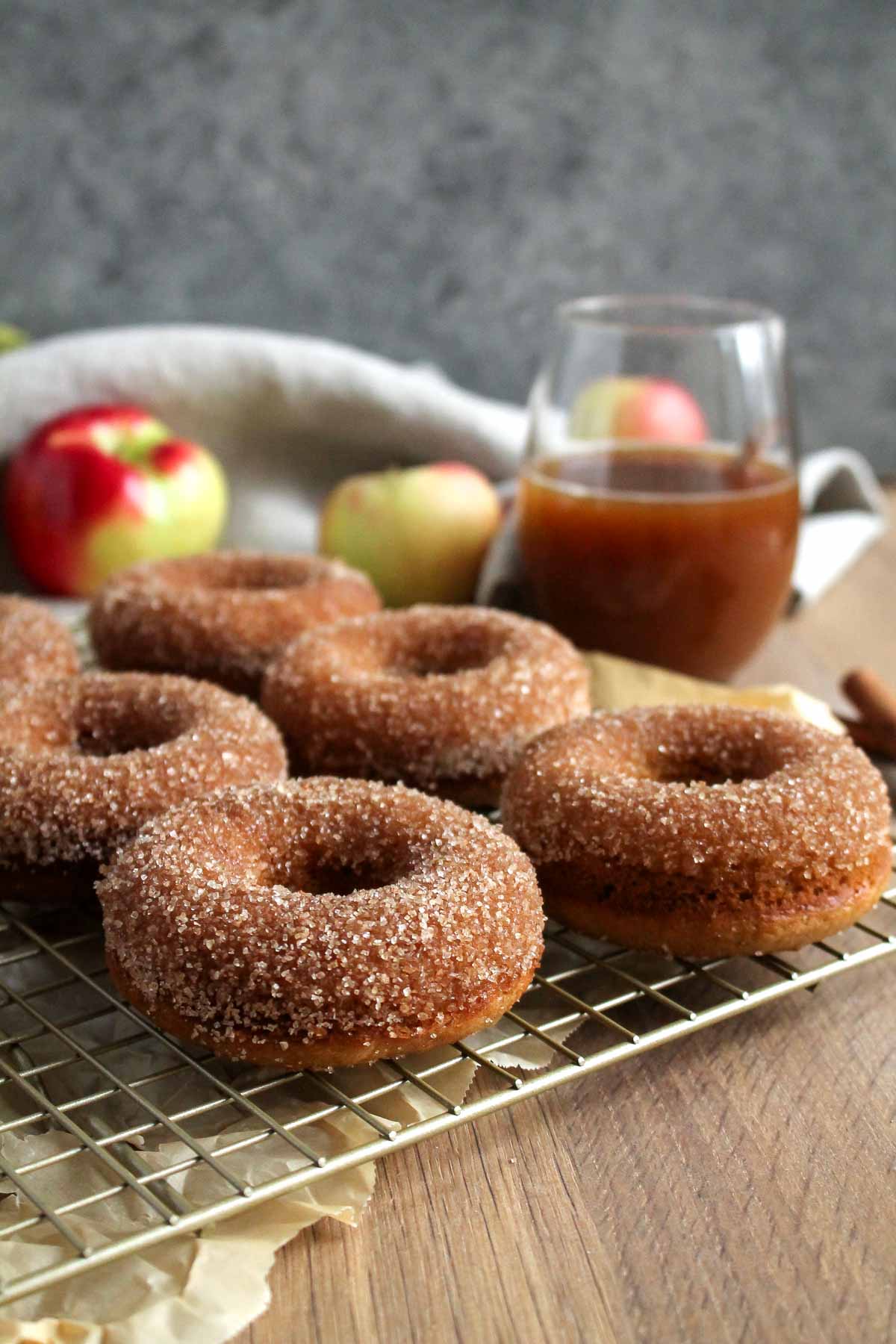
Apple cider donuts in New York are a cherished autumn tradition, combining fresh-pressed orchard cider, warm baking spices, and a tender cake crumb fried to golden perfection. Found at historic Hudson Valley orchards, Upstate cider mills, Long Island farms, and New York City greenmarkets, the best cider donuts rely on concentrated cider reduction and exact temperature frying to achieve their signature flavor and texture.
What Defines an Authentic New York Apple Cider Donut?
An authentic New York apple cider donut is distinct from standard cake or yeast donuts. Its core identity relies on agricultural proximity: the use of raw, unpasteurized or lightly flash-pasteurized apple cider pressed directly from regional apple crops such as McIntosh, Cortland, Empire, and Honeycrisp. The cider is reduced—often boiled down by half or more into a dense syrup—to concentrate its natural sugars and tart malic acid before being folded into the batter.
The acid in reduced apple cider plays a critical chemical role in the donut's final texture. When mixed with baking powder and baking soda, the natural malic acid creates a swift leavening reaction, yielding a moist, soft interior crumb with a delicate grain. Unlike yeast-risen donuts, which rely on gluten development for structure and chew, a traditional cider donut uses a low-protein cake flour or unbleached all-purpose flour handle gently to prevent toughness.
- Fresh Orchard Cider (Boiled down to Concentrated Cider Syrup)
- Concentrated Cider Syrup combined with Low-Protein Flour + Spices + Leavening into Cake Batter
- Fry @ 365°F to achieve Tender Crumb
- Toss in Cinnamon Sugar Coating
Flavor profiles depend heavily on spice integration. While cinnamon, nutmeg, and allspice are standard additions, the cider concentration must remain the primary high note. The exterior relies on precise frying mechanics: frying at temperatures between 365°F and 375°F ensures the exterior forms a crisp crust within 60 to 90 seconds per side without allowing excess oil to penetrate the interior crumb. Immediately upon exiting the fryer, while the outer lipid layer is hot and tacky, the donut is tossed in cinnamon sugar or granular sugar, creating a crunchy, micro-crystalline coating that contrasts with the tender interior.
The Chemistry and Culinary Techniques Behind the Perfect Crumb
Achieving the ideal apple cider donut requires precise control over moisture, fat ratios, and sugar crystallization. Farm stands that master this process balance regional ingredients with specific baking physics:
- Cider Reduction Ratio: Unconcentrated cider contains roughly 85% to 88% water. Adding raw cider directly to donut batter dilutes the mixture, creating a gummy crumb or requiring excessive flour that masks the fruit flavor. Reducing four cups of fresh cider down to one cup concentrates the natural fruit sugars (fructose and glucose) and acidity, allowing deep apple flavor without over-hydrating the gluten structure.
- Fat Emulsification: The addition of buttermilk, sour cream, or melted butter introduces cultured fats that coat flour proteins, suppressing gluten development. This produces a cake texture that stays moist for hours after frying.
- Temperature Management: Frying oil that drops below 350°F causes the dough to absorb excessive oil, making the donut greasy and heavy. Conversely, oil exceeding 380°F scorches the cinnamon-sugar coating and cooks the exterior before the center expands fully, creating a dense ring inside the donut.
- The Sugar Coating Window: Coating must take place within 30 to 45 seconds of removal from the oil. As the donut cools, surface steam escapes, and the remaining surface oil sets, preventing sugar crystals from adhering evenly.
Regional Hotspots for Cider Donuts in New York
New York State's varied microclimates create prime conditions for apple orchards across several distinct agricultural regions. Each area offers unique variations on the classic cider donut, influenced by local apple varieties and farm traditions.
- Upstate & Central NY (Beak & Skiff, Fly Creek)
- Hudson Valley Region — Epicenter of NY Cider Donuts (Golden Harvest, Fishkill, Pennings)
- Long Island & Metro NYC (Jericho Mill, Greenmarkets, Harbes)
The Hudson Valley & Capital Region: The Culinary Epicenter
The Hudson Valley is widely recognized as the epicenter of New York cider donut culture. Rich glacial soils along the Hudson River facilitate sprawling orchards that have operated for generations.
- Golden Harvest Farms (Valatie, NY): Famous for frying donuts continuously throughout the day, ensuring visitors receive hot pastries straight from the line. Their batter utilizes cider pressed on-site from their own orchards, resulting in a rich, deeply spiced interior with a light exterior crisp.
- Fishkill Farms (Hopewell Junction, NY): Known for eco-certified and organic fruit production, Fishkill Farms crafts apple cider donuts with an emphasis on fresh, simple ingredients. Their donuts feature a balanced cinnamon-nutmeg profile and a moist crumb that highlights their freshly pressed cider.
- Pennings Orchard & Farm Market (Warwick, NY): Located in Orange County, Pennings combines an orchard, farm market, and cidery. Their cider donuts possess a distinct dark-golden crust and a dense, flavorful center, making them a staple stop for autumnal travelers in the lower Hudson Valley.
- Indian Ladder Farms (Altamont, NY): Situated at the base of the Helderberg Escarpment near Albany, Indian Ladder Farms produces classic cider donuts alongside a cider mill and tasting room. Their donuts lean traditional: slightly crisp on the outside, coated generously in granular cinnamon sugar.
Upstate & Central New York: Historic Mills and Large Orchards
Central and Upstate New York host expansive orchard operations and historic water-powered mills where cider production has remained virtually unchanged for over a century.
- Beak & Skiff Apple Orchards (LaFayette, NY): Repeatedly recognized as a top national orchard destination, Beak & Skiff operates a massive agricultural site south of Syracuse. Their cider donuts are mass-produced with strict quality controls, offering consistency, a light cake crumb, and prominent cider tartness.
- Fly Creek Cider Mill & Orchard (Fly Creek, NY): Located near Cooperstown, this historic 1856 water-powered mill processes apples using a vintage hydraulic press. The resulting cider yields a heavy, traditional donut with a dense texture and deep molasses and nutmeg notes.
- Schutt's Apple Mill (Webster, NY): A Monroe County favorite since 1918, Schutt's is famous for producing hot cider donuts year-round. Their proprietary recipe yields a lighter crumb with a sugar-to-spice ratio that allows the apple flavor to lead.
Long Island: East End Farming Traditions
Long Island’s North Fork and western suburban enclaves support long-standing farm stands and historic cider mills catering to coastal travelers and locals alike.
- Jericho Cider Mill (Jericho, NY): Operating since the 1800s in Nassau County, Jericho Cider Mill focuses heavily on traditional pressing methods. Their cider donuts are baked and fried daily using raw, unpasteurized cider, producing a rich, traditional flavor without unnecessary additives.
- Harbes Family Farm (Mattituck, NY): A destination on Long Island's North Fork, Harbes is renowned for its sugar-dusted cider donuts made fresh on automated donut lines during peak harvest season. The donuts feature a pronounced cinnamon fragrance and a soft, airy crumb.
- Wickham’s Fruit Farm (Cutchogue, NY): Situated on historic bicentennial farmland overlooking Peconic Bay, Wickham's produces classic, open-kettle fried cider donuts that showcase the farm's historic agricultural roots.
New York City: Urban Access to Farm-Fresh Donuts
City residents do not need to leave the five boroughs to taste authentic regional cider donuts. Regional farms bring freshly made batches directly into urban neighborhoods.
- Union Square Greenmarket (Manhattan): Operating year-round on Mondays, Wednesdays, Fridays, and Saturdays, the market hosts upstate growers like Breeze Hill Farm, Locust Grove Fruit Farm, and Terhune Orchards. These producers transport fresh cider and hot donuts straight from their farm kitchens to Manhattan.
- Doughnuttery (Chelsea Market & Various Locations): For a modern urban take, Doughnuttery offers mini apple cider donuts fried on demand and tossed in customized sugar blends, including classic cinnamon cider sugar.
- Peter Pan Donut & Pastry Shop (Greenpoint, Brooklyn): A classic Brooklyn institution, Peter Pan crafts a seasonal apple cider cake donut that adheres to old-school baking techniques, delivering a rich texture and nostalgic flavor.
Comparing the Best Cider Donut Destinations in New York
The following table compares top cider donut makers across New York State based on location, flavor profile, structural style, and availability.
| Venue Name | Location / Region | Donut Texture & Style | Primary Cider Sourcing | Operational Season | Notable Feature |
|---|---|---|---|---|---|
| Golden Harvest Farms | Valatie (Hudson Valley) | Deep crisp exterior, very soft interior cake | Pressed on-site (Estate apples) | Year-round | Frying operates constantly for hot service |
| Beak & Skiff Orchards | LaFayette (Central NY) | Medium-density cake, light exterior | On-site commercial press | Seasonal (Aug–Dec) | Pairings available with 1911 Hard Cider |
| Jericho Cider Mill | Jericho (Long Island) | Classic dense cake, traditional spice | Pressed on-site raw cider | Year-round | Historic operation utilizing traditional methods |
| Fishkill Farms | Hopewell Junction (Hudson Valley) | Tender, moist crumb, balanced sugar | Eco-certified on-site apples | Year-round farm store | Organic and eco-certified crop focus |
| Fly Creek Cider Mill | Fly Creek (Central NY) | Heavy, rich traditional mill cake | Historic hydraulic press | Seasonal (Spring–Winter) | Water-powered mill setting with tasting room |
| Harbes Family Farm | Mattituck (Long Island) | Light, airy cake, sweet coating | Regional NY apple cider | Seasonal (May–Dec) | High-volume production on North Fork |
| Indian Ladder Farms | Altamont (Capital Region) | Classic cake, crunchy sugar coat | Pressed on-site | Year-round | Taproom with hard cider pairings on site |
| Union Square Greenmarket | Manhattan (NYC) | Varies by farm vendor | Direct-from-farm growers | Year-round (Peak Fall) | Direct access to Hudson Valley producers |
Peak Season, Timing, and Purchasing Strategies
While many farm stands and specialty shops offer cider donuts year-round, peak season aligns directly with the New York apple harvest, running from late August through mid-November.
- August (Early Harvest Begins):
- Varieties: Gala, Ginger Gold
- Status: Introductory Batches
- September – October (PEAK SEASON):
- Varieties: McIntosh, Cortland, Honeycrisp
- Status: Maximum Freshness & Daily Lines
- November (Late Harvest):
- Varieties: Fuji, Cripps Pink
- Status: Post-Peak Availability
Harvest Timelines and Freshness
- Early Season (Late August to Mid-September): Early apple varieties like Ginger Gold, Paula Red, and Zestar enter the presses. Early cider tends to be higher in acid and lighter in sugar, producing a tart, refreshing donut flavor.
- Peak Season (Late September through October): Mid-season harvests bring McIntosh, Cortland, Macoun, and Honeycrisp apples. This creates the optimal blend of sugar, tannins, and acidity for cider reduction, resulting in the most robust donut flavor profiles of the year.
- Late Season (November): Late-harvest varieties like Fuji, Braeburn, and Cripps Pink (Pink Lady) yield high-sugar ciders. Donuts produced in late autumn tend to have a sweeter profile and a darker exterior crust due to sugar caramelization during frying.
How to Avoid Long Lines and Secure Warm Batches
- Target Weekday Mornings: Popular Hudson Valley and Long Island orchards frequently experience heavy visitor volume on October weekends, resulting in wait times exceeding 45 minutes for bakery items. Visiting between 9:00 AM and 11:00 AM on Tuesday through Thursday guarantees short lines and fresh batches.
- Track Fryer Schedules: Establishments like Golden Harvest Farms run automated fryers continuously during operational hours. Smaller orchards may fry in discrete morning batches. Calling ahead or asking bakery staff for the morning batch schedule ensures you receive warm donuts.
- Cash vs. Card Readiness: While most established farm markets accept credit cards and digital payments, rural farm stands and greenmarket vendors occasionally operate on cash-only systems during high-traffic festival weekends to expedite transactions.
Storing, Reheating, and Beverage Pairings
Because traditional cider donuts lack artificial preservatives, their shelf life is short. Understanding how to store, revive, and pair them preserves their original texture and flavor profile.
- Fresh Donut Stale Options:
- Air Fryer: 325°F for 90–120 seconds — Restores crisp crust
- Oven: 350°F for 3–5 minutes — Restores warm soft crumb
Storage and Reheating Guidelines
- Room Temperature Storage: Store donuts in a breathable paper bag for up to 48 hours. Plastic bags trap residual moisture, causing the sugar coating to dissolve into a sticky syrup and making the crust soggy.
- Freezing Strategy: To preserve donuts long-term, wrap individual unheated donuts tightly in aluminum foil and place them in a heavy-duty freezer bag. Frozen donuts maintain quality for up to three months. Thaw at room temperature for 30 minutes prior to reheating.
- Reheating Methods:
- Air Fryer (Recommended): Place donuts in an air fryer set to 325°F for 90 to 120 seconds. This restores the crisp outer skin without drying out the interior.
- Conventional Oven: Preheat to 350°F. Place donuts on a baking sheet for 3 to 5 minutes.
- Microwave (Emergency Only): Microwave on high for 8 to 10 seconds max. Prolonged microwaving destroys the starches, rendering the donut rubbery once it cools.
Beverage Pairing Profiles
Pairing cider donuts with complementary beverages enhances their spice notes and cuts through the richness of the fried cake.
- Fresh Unpasteurized Apple Cider (Hot or Cold): The high acidity of raw, cold-pressed cider cuts cleanly through the fat of the fried batter, while matching the core apple flavor. Served hot with a cinnamon stick, it enhances the aromatic spice profile of the donut.
- Hard Apple Cider (Dry or Heritage Style): A bone-dry, tannin-forward hard cider balances the sugar coating of the donut. High-acid single-varietal hard ciders (such as those made from Northern Spy or Kingston Black apples) contrast effectively with the dense sweetness of a sugar-dusted pastry.
- Dark Roast Coffee or Espresso: The bitter, roasted notes of black coffee counterbalance the sweet cinnamon-sugar crust, while the heat melts the fat content of the crumb on the palate, releasing the nutmeg and allspice notes.
- Cold Brew Coffee with Oat Milk: Cold brew provides a smooth, low-acid coffee base, while the natural sweetness of oat milk complements the cereal and grain notes of the cake flour.
Common Mistakes to Avoid When Donut Hunting
Navigating New York's cider donut scene requires avoiding a few common pitfalls that lead to mediocre culinary experiences:
- Buying Pre-Packaged Donuts in Sealed Plastic: Pre-packaged donuts sold in sealed clamshell containers at grocery stores often rely on artificial apple flavorings and preservatives. Furthermore, the sealed environment strips the donut of its crisp exterior texture. Seek out orchards and bakeries that serve donuts in open paper bags.
- Assuming All "Farm Stand" Donuts are Made On-Site: Some roadside farm stands purchase wholesale commercial mixes or pre-made frozen donuts rather than pressing cider and frying batter on-site. Look for visible bakery windows, open fryers, or explicit signage confirming on-site cider pressing and daily frying.
- Visiting Orchards Past Peak Bakery Hours: Many farm bakeries stop frying in the mid-afternoon (around 3:00 PM or 4:00 PM), even if the main farm store or orchard remains open until 6:00 PM. Arriving late in the day often means choosing from remaining room-temperature inventory rather than warm batches.
- Ignoring Regional Cider Variations: Upstate cider mills tend to produce darker, heavier, spice-forward donuts, while Long Island and lower Hudson Valley stands frequently lean toward lighter, sugar-dusted variations. Tailor your trip to your preferred style.
Frequently Asked Questions
What makes an apple cider donut different from a regular donut?
An apple cider donut uses concentrated, reduced apple cider as a primary liquid component in its cake batter, along with spices like cinnamon, nutmeg, and allspice. The natural malic acid in the cider reacts with leavening agents to produce a distinctively tender, moist crumb. Unlike standard yeast donuts, cider donuts are cake-based and typically tossed in cinnamon sugar immediately after frying.
Can you buy authentic apple cider donuts in New York City?
Yes. The best source for authentic cider donuts within New York City is the network of greenmarkets operated by GrowNYC, most notably the Union Square Greenmarket. Regional farm vendors transport fresh cider and freshly fried donuts directly from Hudson Valley orchards several days a week. Specialized city bakeries like Doughnuttery and seasonal pop-ups also produce fresh variations.
Are apple cider donuts gluten-free or vegan?
Standard apple cider donuts contain wheat flour, butter, eggs, and milk or buttermilk, making them unsuitable for gluten-free or vegan diets. However, an increasing number of New York farm stands and specialty bakeries—such as Fishkill Farms and select NYC specialty bakeries—produce dedicated gluten-free or vegan cider donut options made with alternative flour blends and plant-based fats.
How long do fresh apple cider donuts stay fresh?
Freshly fried apple cider donuts are best consumed within 12 to 24 hours of purchase. Because authentic versions contain no commercial preservatives, their exterior crispness fades over time. If stored in a breathable paper bag at room temperature, they will remain enjoyable for up to two days. They can also be frozen for up to three months and reheated in an air fryer or oven.
Which New York region has the best cider donuts?
The Hudson Valley is widely considered the top region for cider donuts due to its high concentration of historic orchards, on-site cider presses, and dedicated bakeries. Farms in counties like Ulster, Columbia, and Dutchess—such as Golden Harvest Farms and Fishkill Farms—are famous for continuous daily frying and high-quality cider reductions.
Recommended Next Actions
To plan an efficient cider donut trip through New York, follow these practical steps:
- Select Your Target Region: Decide between a day trip to the Hudson Valley (ideal for NYC residents via I-87 or the Taconic State Parkway), a tour of Long Island's North Fork (Route 25), or an Upstate excursion through Central New York (I-90 / I-81 corridor).
- Verify Bakery Operating Schedules: Call your destination orchard or visit their official website to confirm their active frying hours, as farm store hours often extend past bakery production times.
- Time Your Visit for Peak Freshness: Plan to arrive on a weekday morning between 9:00 AM and 11:00 AM to avoid crowds and guarantee access to warm batches straight from the fryer line.
- Bring Proper Storage Materials: Pack breathable paper bags if you plan to purchase multiple dozen donuts. Avoid placing hot donuts into sealed plastic containers or cooler boxes where trapped steam will ruin the sugar coating.