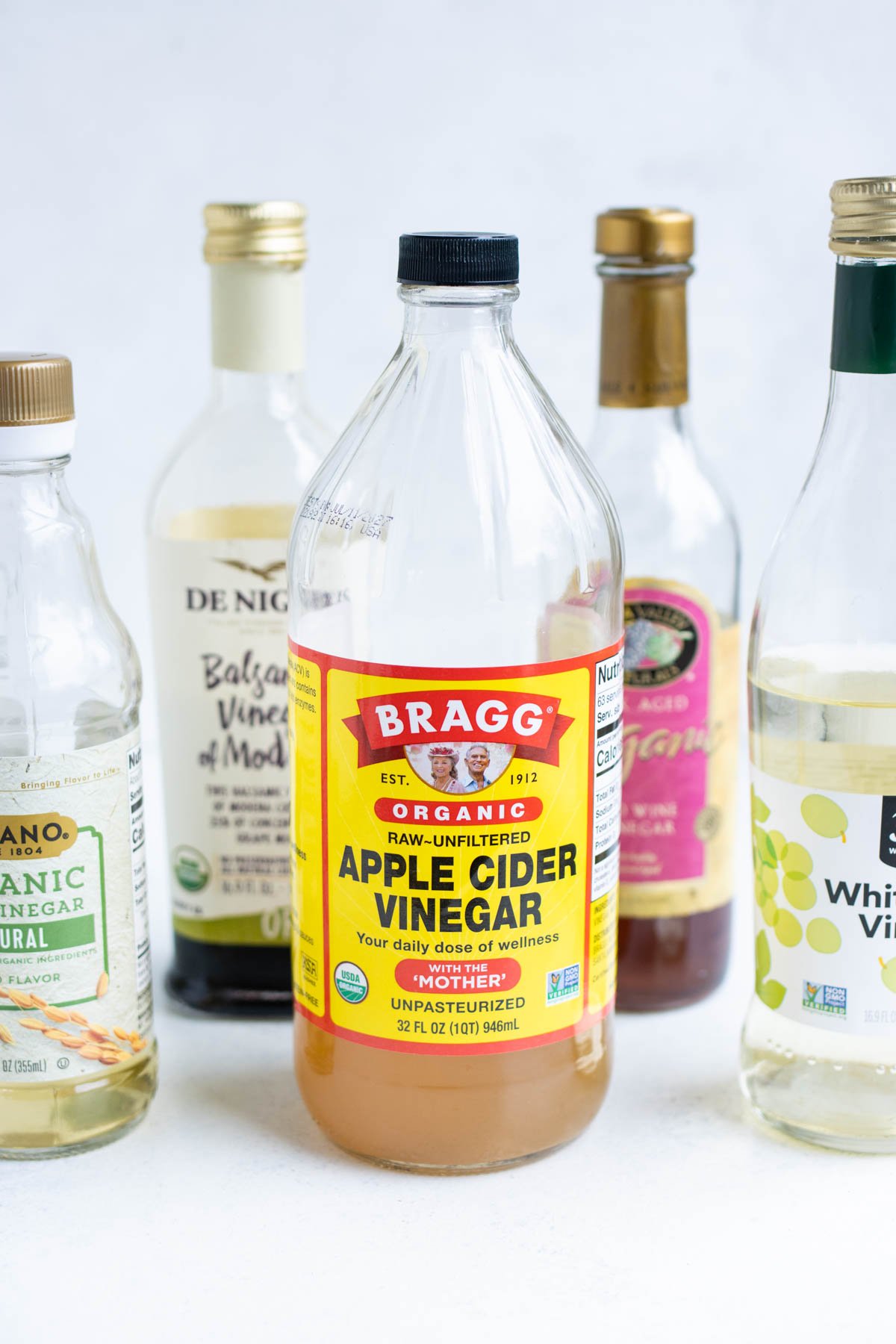
Apple cider vinegar bloggers produce content spanning natural health remedies, weight management, culinary recipes, and skincare routines. While these content creators popularize wellness trends, evaluating their claims against peer-reviewed scientific evidence is essential. Understanding the apple cider vinegar blogging landscape helps readers separate empirical benefits—such as modest postprandial blood sugar regulation—from unverified myths, while guiding creators toward responsible publishing.
The Landscape of Apple Cider Vinegar Content in Wellness Blogging
Apple cider vinegar (ACV) has evolved from a humble pantry staple into one of the most widely discussed topics across digital health media. Bloggers operating in holistic health, low-carbohydrate and ketogenic diet spaces, plant-based living, and DIY beauty routinely publish articles, recipes, and personal experiments featuring ACV. Driven by consumer interest in natural living and preventive self-care, ACV content generates millions of monthly search queries and social media impressions.
The ACV blogging ecosystem is diverse, ranging from registered dietitians and medical professionals who review clinical literature to lifestyle influencers sharing anecdotal daily routines. Understanding how this niche operates requires examining both the cultural push toward fermented foods and the specific product characteristics that bloggers frequently highlight.
- The ACV Blogging Ecosystem
- Holistic Health Blogs
- Daily tonic recipes
- Gut microbiome claims
- Culinary & Keto Blogs
- Salad dressings & marinades
- Low-glycemic meal planning
- DIY Beauty & Skincare
- Scalp clarification rinses
- Facial toner recipes
- Science & Evidence-Based Blogs
- Systematic reviews of acetic acid
- Dental safety & dilution guidelines
- Holistic Health Blogs
Why Apple Cider Vinegar Dominates the Natural Health Niche
The widespread presence of ACV across wellness blogs stems from its historical background and perceived versatility. Vinegar has been produced and used for thousands of years as a preservative, culinary ingredient, and folk remedy. In modern digital publishing, ACV benefits from several distinct content drivers:
- Accessibility and Affordability: Unlike specialized dietary supplements or high-end wellness devices, raw apple cider vinegar is inexpensive and widely available in grocery stores. This low barrier to entry makes ACV content highly clickable and actionable for general readers.
- Multi-Use Versatility: Bloggers can create content around ACV across multiple distinct categories, including kitchen recipes, digestive health tonics, household cleaning alternatives, and personal care routines.
- Interest in Fermented Foods: Rising public awareness of gut microbiome health has created strong demand for content discussing fermented products. ACV is frequently grouped alongside kombucha, kefir, and sauerkraut as an accessible fermented liquid.
Defining "The Mother" and Unfiltered Content Trends
A primary focus for almost every ACV blogger is the distinction between refined, clear vinegars and raw, unpasteurized versions containing "The Mother."
"The Mother" refers to the complex structure of cellulose, acetic acid bacteria (Acetobacter species), and residual yeast enzymes formed during the secondary fermentation process. Unfiltered ACV appears cloudy and contains sediment at the bottom of the bottle. Content creators frequently assert that unfiltered vinegar containing The Mother possesses superior health-promoting properties compared to distilled white vinegar or pasteurized ACV.
From a technical standpoint, The Mother provides small amounts of friendly bacteria and trace proteins, although its exact clinical contribution to overall human gut microbiome diversity remains an active area of ongoing research. Bloggers often emphasize selecting raw, organic, unpasteurized ACV with at least 5% acetic acid concentration to ensure maximum biological activity in recipes and daily tonic preparations.
Evaluating Core Health Claims Popularized by ACV Bloggers
Health and wellness bloggers frequently discuss the biological effects of apple cider vinegar. While some claims are supported by clinical trials, others stretch modest pilot study findings into overstated health guarantees. Readers and content creators must distinguish between scientifically validated mechanisms—primarily driven by acetic acid—and unverified lifestyle claims.
Disclaimer: This article is for informational and educational purposes only and does not constitute formal medical advice. Consult a qualified healthcare professional before altering your diet, supplement regimen, or managing medical conditions like diabetes.
Glycemic Control and Postprandial Blood Sugar
The most robust body of scientific literature surrounding apple cider vinegar focuses on its impact on postprandial (post-meal) blood glucose and insulin levels. Numerous peer-reviewed clinical trials indicate that consuming acetic acid alongside carbohydrate-rich meals can modestly suppress spikes in blood glucose.
The primary biological mechanism involves acetic acid inhibiting the activity of disaccharidases (enzymes responsible for breaking down complex carbohydrates into simple sugars in the small intestine) and delaying gastric emptying rate. When food leaves the stomach more slowly, glucose enters the bloodstream at a more gradual rate.
Bloggers writing about blood sugar management often cite studies published in journals such as Diabetes Care and European Journal of Clinical Nutrition. However, responsible bloggers emphasize that while ACV can complement a balanced diet, it cannot replace prescribed antidiabetic medications such as insulin or metformin.
Mechanism of Acetic Acid on Carbohydrate Digestion:
- Ingestion of ACV with Meal
- Inefficient Enzyme Breakdown + Delayed Gastric Emptying
- Slower Absorption of Glucose into Bloodstream
- Reduced Postprandial Blood Glucose & Insulin Spikes
Satiety, Gastric Emptying, and Weight Management Claims
Weight loss is among the most searched topics related to ACV bloggers. Headlines claiming that taking a daily shot of vinegar will "burn belly fat overnight" are widespread across social platforms.
The reality behind these claims is far more modest:
- Gastric Emptying Delay: By slowing down the rate at which food moves from the stomach to the small intestine, ACV may help individuals feel full (satiated) for a longer period after eating.
- Caloric Intake Suppression: Increased satiety can lead to a slight reduction in voluntary caloric intake throughout the remainder of the day.
- Clinical Trial Scale: Human studies measuring fat loss associated with vinegar consumption typically show modest body weight reductions (often between 2 to 4 pounds over a 12-week period) when combined with controlled diets. These trials involve small sample sizes and brief durations.
While ACV can serve as a supportive tool within a broader caloric deficit and lifestyle modification program, evidence does not support claims that vinegar directly melts adipose tissue independent of diet and exercise.
Digestive Wellness, Acid Reflux, and Gut Health
A common narrative among holistic health bloggers is that drinking diluted ACV before meals alleviates symptoms of acid reflux and gastroesophageal reflux disease (GERD). The underlying theory presented by bloggers is that heartburn is often caused by insufficient stomach acid (hypochlorhydria) rather than excess acid, and that introducing acetic acid helps lower stomach pH to facilitate proper lower esophageal sphincter closure.
While this mechanism is widely discussed in naturopathic circles, systematic clinical research validating ACV as a treatment for GERD remains sparse. Many individuals report anecdotal relief, but scientific consensus highlights that acidic substances can actually irritate inflamed esophageal linings in individuals with severe erosive esophagitis or peptic ulcers.
Regarding gut microbiome health, raw ACV contains trace probiotic bacteria and organic acids, but it does not supply the concentrated Colony Forming Units (CFUs) found in specialized probiotic supplements or heavy fermented foods like yogurt and kimchi.
Topical Applications: Skincare, ACV Rinses, and Dermatological Safety
Beyond internal consumption, beauty bloggers frequently recommend ACV for topical applications, including facial toners, spot treatments for acne, and clarifying hair rinses.
- Scalp and Hair Care: The natural pH of human hair and scalp is slightly acidic (around 4.5 to 5.5). Alkaline shampoos and chemical treatments can raise hair pH, causing the cuticle to swell and look dull or frizzy. Diluted ACV rinses (typically 1 part ACV to 4 parts water) can help lower scalp pH, seal the hair cuticle, remove product buildup, and add shine.
- Skin Barrier and Acne: The skin's acid mantle requires an acidic environment to maintain barrier integrity and suppress pathogenic bacteria. Some bloggers recommend diluted ACV toners to rebalance skin pH. However, dermatologists urge extreme caution: applying concentrated or insufficiently diluted ACV directly to the skin can cause contact dermatitis, erythema, and severe chemical burns due to acetic acid toxicity.
Evidence-Based Analysis of Common ACV Content Claims
The table below summarizes popular content themes found on apple cider vinegar blogs, evaluating the strength of scientific evidence, real-world efficacy, and potential safety risks.
| Content Category / Claim | Common Blogger Assertions | Scientific Evidence Level | Key Safety Risks & Considerations |
|---|---|---|---|
| Postprandial Blood Sugar | Reduces glucose spikes after carb-rich meals. | Moderate to High (Supported by multiple human clinical trials). | Can potentiate hypoglycemia if taken alongside insulin or sulfonylureas. |
| Weight Loss & Fat Burning | Burns visceral fat and boosts metabolic rate rapidly. | Low to Moderate (Modest appetite reduction; minimal direct fat loss). | Over reliance may distract from fundamental dietary and caloric management. |
| Acid Reflux Relief | Cures heartburn by restoring proper stomach acidity. | Low / Anecdotal (Lacks rigorous large-scale clinical trials). | May exacerbate esophageal inflammation, gastritis, or active stomach ulcers. |
| Scalp Clarification Rinse | Removes product buildup and restores hair shine. | Moderate (Supported by hair physiology and pH mechanics). | Undiluted application can cause scalp irritation or dry out fragile hair shafts. |
| Topical Acne Treatment | Balances skin pH and kills acne-causing bacteria. | Low / Caution Urged (Limited trials; high risk of skin burns). | Chemical burns, contact dermatitis, and hyperpigmentation if undiluted. |
| Detoxification & Cleansing | Flushes systemic toxins from the liver and kidneys. | Unsupported (No physiological mechanism supports vinegar detox). | Unnecessary; the liver and kidneys handle physiological detoxification natively. |
How to Critically Evaluate ACV Blog Posts as a Reader
With thousands of wellness blogs producing content on apple cider vinegar, readers must develop media literacy skills to identify trustworthy, evidence-based publications. Evaluating health claims requires looking past catchy headlines and scrutinizing the author's credentials, methodology, and sourcing habits.
- Evaluating an ACV Blog Post
- Red Flags to Avoid
- Claims to "cure" chronic illness
- Advocates undiluted consumption
- Replaces prescribed medication
- Uses sensationalized language
- Green Flags to Trust
- Cites peer-reviewed studies
- Includes explicit safety warnings
- Features medical expert review
- Clearly states limitations
- Red Flags to Avoid
Identifying Sensationalism and Safety Red Flags
When evaluating an article written about ACV, several structural and rhetorical warning signs indicate poor quality or potentially unsafe guidance:
- Absolute "Cure" Claims: Any blog post asserting that apple cider vinegar cures chronic illnesses such as Type 2 diabetes, hypertension, or cancer is fundamentally misleading and medically inaccurate.
- Encouraging Undiluted Consumption: Recommending that readers drink straight "shots" of raw ACV without water is a major red flag. Undiluted vinegar risks severe dental enamel erosion, throat irritation, and esophageal mucosal damage.
- Advising Cessation of Prescribed Medication: Content that urges readers to stop taking prescribed blood sugar regulators or cardiovascular drugs in favor of daily vinegar tonics poses direct health hazards.
- Lack of Primary Citations: Posts that make dramatic scientific assertions without linking to original, peer-reviewed research papers or official health organizations lack credibility.
Recognizing High-Quality, Evidence-Based Wellness Blogs
High-quality health blogs demonstrate strict editorial standards, transparency, and scientific rigor. Look for the following indicators when selecting sources for health information:
- Qualified Authorship and Editorial Oversight: Articles written by or reviewed by registered dietitians (RDs), physicians (MD/DO), or academic researchers are far more likely to represent scientific consensus accurately.
- Contextualized Study Reporting: Quality bloggers explain how a study was conducted. They distinguish between in vitro (test tube) experiments, animal models (mouse studies), and human randomized controlled trials, noting sample sizes and study limitations clearly.
- Prominent Safety Disclaimers: Responsible creators place clear disclaimers regarding potential drug interactions, dental protection methods, and contraindicated medical conditions prominently near the top or bottom of their articles.
Best Practices for Content Creators in the ACV and Wellness Space
Writing about apple cider vinegar offers an opportunity to build an engaged, health-conscious audience. However, operating in the health and wellness space requires high accountability. Search engines prioritize content that demonstrates Experience, Expertise, Authoritativeness, and Trustworthiness (E-E-A-T), particularly for topics affecting physical health.
Structuring Medical Disclaimers and Reader Safety Warnings
Every blog post discussing dietary changes, supplements, or topical home remedies must include clear disclaimers.
Creators should integrate disclaimers naturally into the content structure:
- Standard Medical Disclaimer: State clearly that content is for educational purposes and is not a substitute for professional clinical advice.
- Interaction Warnings: Note specific potential drug interactions. Acetic acid can interact with diuretics, laxatives, and insulin-lowering medications, potentially contributing to hypokalemia (low serum potassium levels) or unsafe hypoglycemia.
- Vulnerable Populations: Remind readers that pregnant individuals, people with severe gastroparesis (common in advanced diabetes), or those with active gastrointestinal ulcers should consult their doctor before increasing vinegar consumption.
Accurately Interpreting and Citing Clinical Research
To maintain editorial credibility and rank effectively on major search engines, wellness bloggers must base their articles on sound primary literature rather than re-summarizing secondary blog posts.
- Link Directly to Primary Sources: Embed hyperlinks directly to indexed research databases such as PubMed, Medline, or reputable academic journals rather than news outlets or vendor sites.
- Avoid Overstating Small Findings: If a clinical study tested 20 participants over four weeks, do not present the results as universal human truths. State the sample size and context accurately (e.g., "A small pilot study involving 20 adults showed...").
- Address Conflicting Evidence: If several studies show conflicting results regarding ACV's effects on lipids or cholesterol, present both sides of the literature transparently rather than cherry-picking only the positive outcomes.
Practical Safety Advice: Enamel Protection and Safe Dilution Ratios
One of the most practical values a blogger can offer readers is actionable safety instruction. Because acetic acid has a typical pH between 2.5 and 3.0, it can soften tooth enamel upon contact, making teeth vulnerable to irreversible acid erosion and decay.
Safe ACV Preparation Protocol:
- Measure 1 to 2 Tablespoons of ACV
- Dilute in 8 to 10 Ounces of Water
- Drink Using a Glass or Stainless Straw
- Rinse Mouth with Plain Water (Do Not Brush Immediately)
Bloggers should consistently include the following consumption guidelines in their articles:
- Dilution Ratio: Recommend diluting no more than 1 to 2 tablespoons (15–30 mL) of ACV in at least 8 to 10 ounces (240–300 mL) of plain or sparkling water.
- Use a Straw: Advise readers to drink diluted vinegar solutions through a stainless steel, silicone, or glass straw to minimize direct contact with teeth.
- Post-Consumption Rinsing: Instruct readers to rinse their mouth with plain water immediately after finishing the tonic to neutralize remaining acid.
- Delay Toothbrushing: Warn readers not to brush their teeth for at least 30 minutes after consuming acidic beverages. Brushing while enamel is temporarily softened by acid strips away microscopic layers of tooth surface.
Frequently Asked Questions
What is "The Mother" in apple cider vinegar, and why do bloggers focus on it?
"The Mother" is a cloudy substance composed of acetic acid bacteria (Acetobacter), trace enzymes, and strand-like protein complexes formed during natural fermentation. Wellness bloggers focus on raw ACV containing The Mother because unpasteurized versions retain trace amounts of beneficial bacteria, organic acids, and micro-nutrients that filtered, heat-treated vinegars lack.
Can drinking apple cider vinegar daily replace blood sugar medications?
No, apple cider vinegar cannot replace prescribed blood sugar medications such as insulin, metformin, or other antidiabetic treatments. While clinical studies demonstrate that acetic acid can modestly delay gastric emptying and reduce post-meal glucose spikes, its effects are mild compared to pharmaceutical therapies. People managing diabetes should never adjust or stop medications without explicit guidance from their prescribing physician.
How can readers protect their teeth when following ACV blogger recipes?
To protect dental enamel from acetic acid erosion, always dilute ACV in water (1 to 2 tablespoons per 8+ ounces of liquid). Drink the mixture through a straw to bypass the front teeth, and immediately rinse your mouth with plain water afterward. Avoid brushing your teeth for at least 30 minutes after drinking ACV, as brushing acid-softened enamel causes abrasive structural wear.
Is there scientific proof that ACV aids in weight loss?
Scientific proof regarding ACV and weight loss shows modest, supportive effects rather than dramatic results. Clinical studies indicate that acetic acid can increase feelings of satiety and delay stomach emptying, which may help individuals naturally reduce their daily caloric intake. However, trials typically show small average weight reductions over several weeks, and ACV only works for weight management when paired with an overall caloric deficit.
How should health bloggers cite medical studies on apple cider vinegar?
Health bloggers should cite medical studies by linking directly to primary, peer-reviewed literature indexed on academic databases such as PubMed, NCBI, or publisher journal pages. Authors should summarize the study's scope accurately—noting whether it was an animal model, in vitro test, or human clinical trial—and avoid exaggerating preliminary results into definitive health claims.
Next Steps for Readers and Content Creators
Whether reading about natural health remedies or managing a publication in the wellness space, taking an evidence-based approach protects personal health and editorial integrity.
For Readers:
- Audit Your Sources: Check if your favorite ACV bloggers cite peer-reviewed clinical studies and include review credentials from medical professionals.
- Prioritize Tooth Safety: If consuming ACV tonics, strictly follow dilution guidelines (1–2 tablespoons in 8+ oz water) and use a straw.
- Consult Healthcare Providers: Discuss any daily ACV routine with your primary care physician, especially if taking medications for blood pressure, heart disease, or diabetes.
For Content Creators:
- Update Legacy Articles: Review existing posts to ensure all health claims reflect current peer-reviewed research on acetic acid and postprandial glucose.
- Standardize Safety Warnings: Add explicit dental care tips, dilution standards, and medication interaction disclaimers across all ACV-related recipes and articles.
- Strengthen Citation Practices: Replace links to third-party news outlets with direct references to primary literature indexed on PubMed or recognized academic repositories.