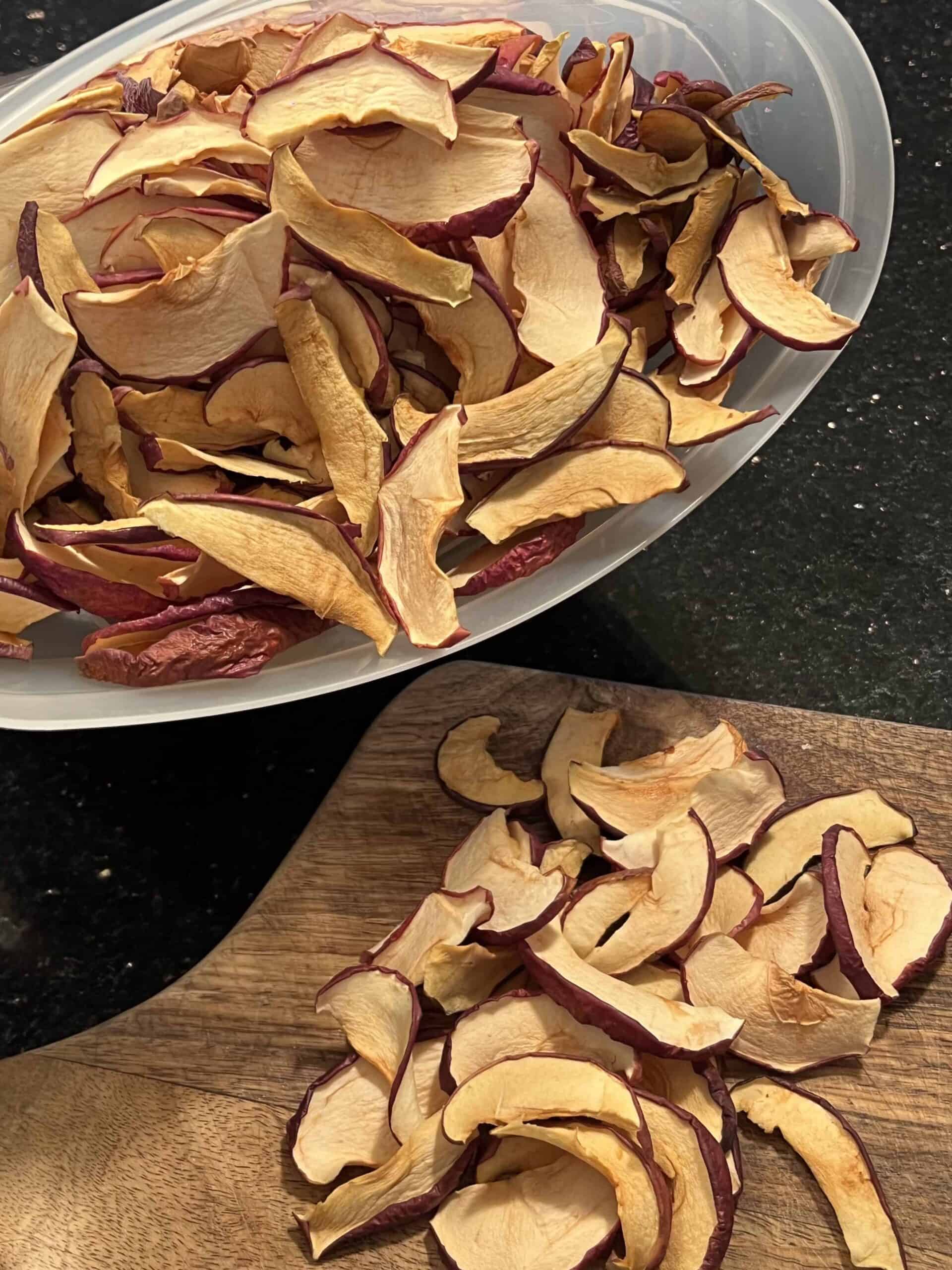
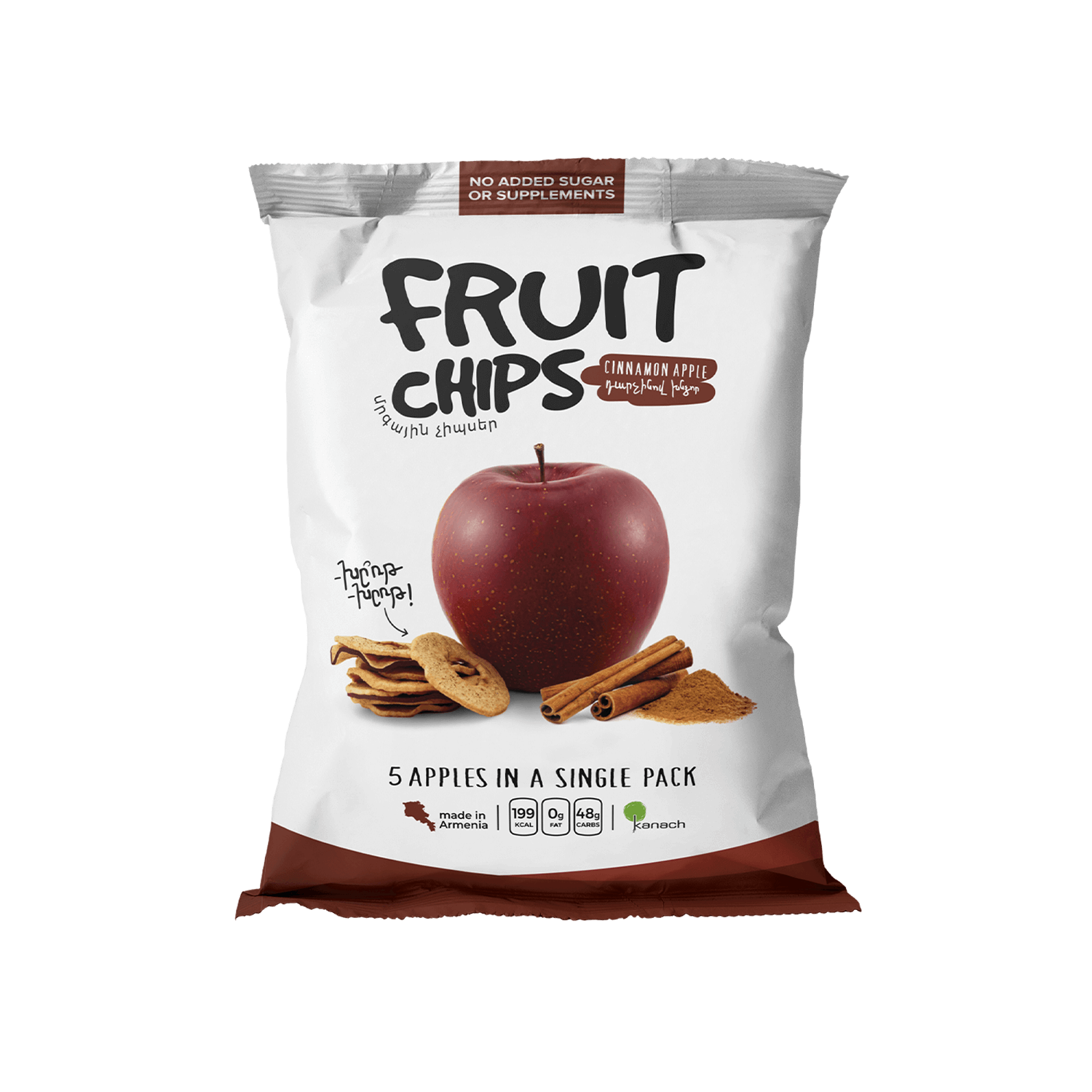
Commercial apple chips are produced by major snack manufacturers including Bare Snacks, Seneca Foods, Brothers All Natural, Crispy Green, and Martin's Family Fruit Farm. These brands manufacture apple chips using distinct processing methods—such as low-heat baking, freeze-drying, or oil-cooking—resulting in significant differences in ingredient purity, calorie count, fat content, and crispness.
Understanding the Apple Chip Market: Food Snacks vs. Technology
Before examining specific food products, it is helpful to clarify a common naming crossover. In consumer technology, "Apple chips" often refers to Apple Silicon—the proprietary M-series and A-series system-on-chips designed by Apple Inc. and fabricated by semiconductor foundries such as Taiwan Semiconductor Manufacturing Company (TSMC). However, in retail grocery and packaged foods, apple chips are shelf-stable, sliced apple snacks produced by a variety of food processing companies.
The market for packaged apple chip snacks has expanded significantly as consumers search for portable, shelf-stable fruit alternatives to conventional potato chips. Depending on the brand, commercial apple chips range from single-ingredient, oil-free baked fruits to kettle-cooked items prepared with vegetable oils and added flavorings. Understanding how different food brands manufacture their apple chips allows consumers to choose products aligned with their dietary requirements, texture preferences, and nutritional goals.
Manufacturing Methods: How Processing Shapes Flavor and Texture
The physical characteristics and nutritional values of commercially produced apple chips depend heavily on the thermal and moisture-removal techniques employed by the manufacturer. Food processors generally rely on three primary production methods.
- Raw Apple Slices
- Low-Heat Baking: Crunchy, slightly caramelized (e.g., Bare Snacks)
- Freeze-Drying: Light, porous, zero added fats (e.g., Brothers All Natural)
- Vacuum / Kettle Frying: Hard crunch, higher calorie/fat (e.g., Seneca Foods)
1. Slow-Baking (Thermal Dehydration)
Slow-baked apple chips are sliced thin and subjected to warm, dry air circulating over extended periods at low temperatures (typically between 150°F and 225°F / 65°C to 107°C). This process gradually evaporates surface and cellular water while gently caramelizing the fruit's natural sugars (fructose and glucose). Slow-baked chips yield a firm, brittle crunch and a deep, concentrated apple flavor without requiring added fats or cooking oils.
2. Freeze-Drying (Lyophilization)
Freeze-drying involves freezing fresh apple slices to sub-zero temperatures and placing them into a high-vacuum chamber. Through a process called sublimation, the ice inside the cellular matrix turns directly into water vapor without passing through a liquid phase. Freeze-drying preserves the original cell structure, volume, shape, and delicate micronutrient profile of the fruit. The resulting chip is extremely lightweight, dry, and airy, dissolving quickly on the tongue while providing a delicate crunch.
3. Kettle-Cooked and Vacuum Frying
Some commercial brands prepare apple chips using traditional chip-frying methods or low-temperature vacuum frying. In this process, sliced apples are cooked in high-oleic vegetable oils (such as canola, sunflower, or safflower oil). Vacuum frying reduces the boiling point of water by lowering chamber pressure, allowing the fruit to cook at lower temperatures than standard atmospheric frying. Oil-cooked apple chips possess a heavy, dense crunch closely resembling potato chips, but they carry significantly higher fat content and caloric density per serving.
Detailed Analysis of Leading Commercial Apple Chip Brands
Commercial brands tailor their product lines to distinct consumer niches. Below is a detailed evaluation of the primary manufacturers operating in the packaged fruit snack sector.
1. Bare Snacks (Bare Foods Co. / PepsiCo)
Founded in a Washington state apple orchard and acquired by PepsiCo in 2018, Bare Snacks is one of the most widely distributed baked fruit snack brands in North America.
- Primary Processing Method: Slow-baking without added oils or deep frying.
- Product Lineup: Simply Red Delicious, Simply Granny Smith, Cinnamon Apple Chips, and certified Organic varieties.
- Ingredient Transparency: Bare’s "Simply" line contains a single ingredient: apples. The cinnamon variety adds ground cinnamon without extra sweeteners.
- Texture & Flavor: Rigid, brittle, and deeply crunchy. The baking process intensifies natural sweetness and acidity, especially in green apple varieties like Granny Smith.
- Nutritional Attributes: Fat-free, gluten-free, non-GMO Project Verified, and free from added refined sugars or artificial preservatives.
2. Seneca Foods
Seneca Foods Corporation produces a long-standing line of kettle-cooked apple chips that appeal to snackers seeking a traditional, savory chip crunch.
- Primary Processing Method: Kettle-cooking / frying in vegetable oil.
- Product Lineup: Original Apple Chips, Cinnamon Apple Chips, Caramel Apple Chips, and Sour Apple Chips.
- Ingredient Transparency: Ingredients typically include apples, high-oleic canola or sunflower oil, corn syrup solids, sugar, and natural flavorings.
- Texture & Flavor: Thick, dense, extra-crispy texture similar to kettle-cooked potato chips, with a richer mouthfeel due to absorbed fats.
- Nutritional Attributes: Higher in fat (typically 7 to 9 grams per 30-gram serving) and calories compared to baked or freeze-dried options. Contains added sugars in seasoned varieties.
3. Brothers All Natural
Brothers International Food Corporation specializes in freeze-dried fruit snacks under the Brothers All Natural banner, primarily targeted at school lunches, travel, and allergen-sensitive diets.
- Primary Processing Method: Commercial freeze-drying (lyophilization).
- Product Lineup: Fuji & Gala Apple Fruit Crisps, Cinnamon Apple Fruit Crisps.
- Ingredient Transparency: 100% real fruit. No added sugars, preservatives, artificial colors, or oils.
- Texture & Flavor: Light, airy, sponge-like matrix that crunches easily and melts when mixed with moisture. Retains the fresh, bright, non-caramelized taste of fresh apples.
- Nutritional Attributes: Fat-free, low-calorie per volume, peanut/tree-nut free, kosher, and non-GMO verified.
4. Crispy Green (Crispy Fruit)
Crispy Green is a major producer of single-ingredient freeze-dried fruit packaged in single-serve pouches designed for snack convenience.
- Primary Processing Method: Freeze-drying.
- Product Lineup: Crispy Apples (packaged individually or in multipacks).
- Ingredient Transparency: 100% Gala apples. No added sugar, oil, or chemical additives.
- Texture & Flavor: Crisp, featherweight structure with consistent sweetness derived from natural tree-ripened fruit.
- Nutritional Attributes: Gluten-free, allergen-friendly, vegan, and certified by the Non-GMO Project.
5. Martin's Family Fruit Farm
Based in Ontario, Canada, Martin's Family Fruit Farm produces commercial apple chips using apples harvested from their own orchards.
- Primary Processing Method: Low-heat dehydration / slow baking.
- Product Lineup: Crispy Apple Chips (Original, Cinnamon, Chocolaty dipped varieties).
- Ingredient Transparency: The core line uses 100% apples, while gourmet lines incorporate flavor coatings or chocolate toppings.
- Texture & Flavor: Uniformly sliced, crisp, and naturally sweet, showcasing specific regional apple cultivars.
- Nutritional Attributes: Fat-free for original varieties, high fiber content, and minimal ingredient lists.
6. Private Label Store Brands
Major retail grocery chains often work with contract packaging facilities to market private-label apple chips under store brands such as Trader Joe's, Whole Foods 365, and Target Good & Gather.
- Trader Joe's: Offers both freeze-dried apple slices (100% apple) and vacuum-fried/baked variations depending on seasonal inventory.
- Whole Foods 365: Prioritizes organic-certified, baked, single-ingredient apple chips with zero added oils or synthetic processing aids.
- Target Good & Gather: Focuses on value-priced, non-GMO baked apple chips formulated without high-fructose corn syrup or artificial flavors.
Comprehensive Brand & Product Comparison Table
The following table summarizes the core differences across major commercial apple chip brands, helping consumers evaluate ingredients, processing, and nutritional footprints.
| Brand Name | Processing Method | Added Fats/Oils? | Added Sugars/Sweeteners? | Typical Texture Profile | Key Ingredients |
|---|---|---|---|---|---|
| Bare Snacks | Slow-Baking | No | No | Rigid, brittle, hard crunch | Apples (cinnamon in flavored varieties) |
| Seneca Foods | Kettle Frying | Yes (Canola/Sunflower Oil) | Yes (Sugar, Corn Syrup Solids) | Heavy, dense, kettle-chip crunch | Apples, vegetable oil, sugar, spices |
| Brothers All Natural | Freeze-Drying | No | No | Light, porous, airy crunch | 100% Freeze-dried apples |
| Crispy Green | Freeze-Drying | No | No | Dry, delicate, fast-dissolving | 100% Freeze-dried apples |
| Martin's Family Fruit Farm | Slow Dehydration | No | No (Original variety) | Firm, crisp, orchard-fresh crunch | Apples |
| Trader Joe's (Freeze-Dried) | Freeze-Drying | No | No | Airy, melt-in-mouth crisp | 100% Apples |
| Whole Foods 365 Organic | Low-Heat Baking | No | No | Snappy, dry baking texture | Organic apples |
Nutritional Profiles & Ingredient Transparency: What to Look For
Selecting commercial apple chips requires evaluating nutritional density, serving sizes, and processing additives. Because water removal concentrates natural fruit sugars, calorie counts by weight differ noticeably from fresh apples.
Sugar Content: Natural Fructose vs. Added Sweeteners
A standard fresh apple contains roughly 85% water. When moisture is removed to under 3%, the natural sugars (primarily fructose) become concentrated.
- Single-ingredient brands (Bare, Brothers All Natural, Crispy Green) list 0g of added sugars on their nutrition facts panel. All sugar content represents naturally occurring fruit sugar.
- Flavored or oil-fried brands (such as Seneca Caramel or Sour varieties) may introduce refined cane sugar, corn syrup solids, or dextrose to intensify flavor profiles.
Consumers tracking blood glucose or managing diabetes should examine the FDA Nutrition Facts Label to differentiate between total carbohydrates and added sugars.
- Fresh Apple (85% Water)
- Water (85%)
- Sugars & Fiber (15%)
- Baked / Freeze-Dried Apple Chip (<3% Water)
- Concentrated Natural Sugars & Fiber (97%)
- Water (<3%)
Fat and Caloric Density
Processing techniques dramatically shift calorie density across equal weights:
- Freeze-dried apple chips yield the lowest caloric density per cup of volume because the cellular matrix remains filled with empty air pockets. A typical 10g package provides around 35 to 40 calories and 0g of fat.
- Baked apple chips contain approximately 110 calories per 30g serving, with 0g of fat and around 3g to 4g of dietary fiber.
- Kettle-cooked apple chips contain roughly 140 to 160 calories per 30g serving, with 7g to 9g of fat derived from cooking oils.
Nutritional data compiled by the USDA FoodData Central shows that fruit fiber (pectin) remains structurally intact during low-temperature baking and freeze-drying, aiding digestive health and regulating sugar absorption rate relative to low-fiber processed snacks.
Industrial Production Processes & Quality Control
Commercial apple chip production requires precise industrial steps to maintain food safety, color consistency, structural integrity, and target moisture levels.
1. Cultivar Selection & Sorting
Not all apple varieties yield high-quality chips. Manufacturers select specific cultivars based on their sugar-to-acid ratio, solids content, and flesh firmness:
- Fuji and Gala: High natural sweetness, ideal for freeze-drying without added flavorings.
- Granny Smith: High acidity, providing a crisp tartness in slow-baked formats.
- Red Delicious and Washington State Blends: Balanced profiles used in bulk baked chip runs.
Apples are washed in sanitized water baths, mechanically cored, and sliced using rotary blades to uniform thicknesses (typically between 1.5mm and 3.0mm).
2. Controlling Enzymatic Browning
When apple cells are sliced open, the enzyme polyphenol oxidase (PPO) reacts with oxygen, causing rapid browning. Commercial manufacturers prevent this undesirable discoloration using clean, non-chemical pre-treatments:
- Ascorbic Acid (Vitamin C) Dip: Washing slices in an ascorbic acid or citric acid solution inhibits PPO activity without altering taste.
- Blanching: Brief steam exposure denatures the browning enzyme before thermal dehydration begins.
3. Moisture Reduction Metrics
To achieve a shelf-stable crisp texture without synthetic preservatives, commercial apple chips must reach a target water activity ($a_w$) level below 0.30 and a final moisture content under 3%. At these low moisture levels, microbial growth (molds, yeasts, and bacteria) is completely halted.
4. Nitrogen Flushing and Packaging Barriers
Apple chips are highly hygroscopic; they rapidly absorb humidity from ambient air, causing them to turn soft or chewy. To ensure long shelf lives (typically 9 to 12 months unopened), manufacturers package chips in multi-layer foil or metallized polymer pouches. During sealing, machines flush the bags with dry nitrogen gas to eliminate oxygen, protecting natural fats from oxidation and preventing physical crushing during transport.
Practical Consumer Guide: Matching Brands to Dietary Goals
Consumers can select the ideal brand by aligning product traits with personal dietary priorities:
- Best for Strict Clean-Eating & Weight Management: Choose single-ingredient freeze-dried brands like Brothers All Natural or Crispy Green. Their low caloric density by volume makes them suitable for calorie-controlled diets.
- Best for Fiber & Traditional Crunch: Choose baked single-ingredient chips like Bare Snacks Simply Apple or Martin's Original. They provide a firm crunch without added oils or sodium.
- Best Alternative to Potato Chips: Choose kettle-cooked brands like Seneca Foods. Their oil-cooked crunch offers a satisfying texture for consumers transitioning away from savory potato snacks.
- Best for School Lunches & Allergen-Safe Zones: Select certified nut-free, single-serve freeze-dried pouches. Their light weight and non-perishable nature make them safe for allergen-restricted classrooms.
Frequently Asked Questions
Are commercial apple chips as healthy as fresh apples?
Baked and freeze-dried single-ingredient apple chips retain most of the dietary fiber, potassium, and antioxidants found in fresh apples. However, because moisture has been removed, apple chips are less filling per volume than whole apples, which contain high water content. Consumers should monitor portion sizes to manage overall carbohydrate intake.
Which apple chip brands contain zero added oil or sugar?
Bare Snacks (Simply line), Brothers All Natural, Crispy Green, Martin’s Family Fruit Farm (Original line), and Whole Foods 365 Organic Baked Apple Chips contain zero added oils, fats, refined sugars, or artificial sweeteners. Their ingredient lists contain only 100% apples (and optional spices like cinnamon).
What causes the texture difference between baked and freeze-dried apple chips?
The texture difference stems from how water is removed. Baking uses thermal heat to evaporate water, causing the fruit tissues to shrink, densify, and harden into a brittle chip. Freeze-drying removes ice crystals via vacuum sublimation, leaving behind the original open cellular structure. This results in a porous, featherweight chip that crunches lightly and dissolves rapidly.
Why do unopened store-bought apple chips stay crunchy, but get soft soon after opening?
Commercial packaging uses moisture-barrier materials flushed with dry nitrogen. Once the package is opened, the low water activity ($a_w < 0.30$) of the dry chips causes them to rapidly absorb humidity from ambient air. To restore crunch, soft baked chips can be warmed briefly in a low-temperature oven or toaster oven to drive off reabsorbed surface moisture.
Do commercial apple chips contain artificial preservatives or sulfites?
Most mainstream commercial apple chip brands no longer use sulfur dioxide or artificial chemical preservatives to maintain color. Instead, reputable manufacturers rely on ascorbic acid (Vitamin C) dips, natural citric acid, and oxygen-barrier packaging to preserve fruit color and freshness naturally. Always check the ingredient label to confirm.
Final Recommendations for Apple Chip Buyers
When shopping for commercial apple chips, start by reading the ingredient panel rather than relying on front-of-package marketing claims. If your goal is a nutritional alternative to fresh fruit, select products that list 100% apples as their sole ingredient. For consumers who prefer a heavy, traditional snack crunch, kettle-cooked options provide that texture profile while incorporating added cooking oils. Storing opened packages in airtight containers or re-sealing them promptly ensures apple chips retain their intended crispness until consumed.