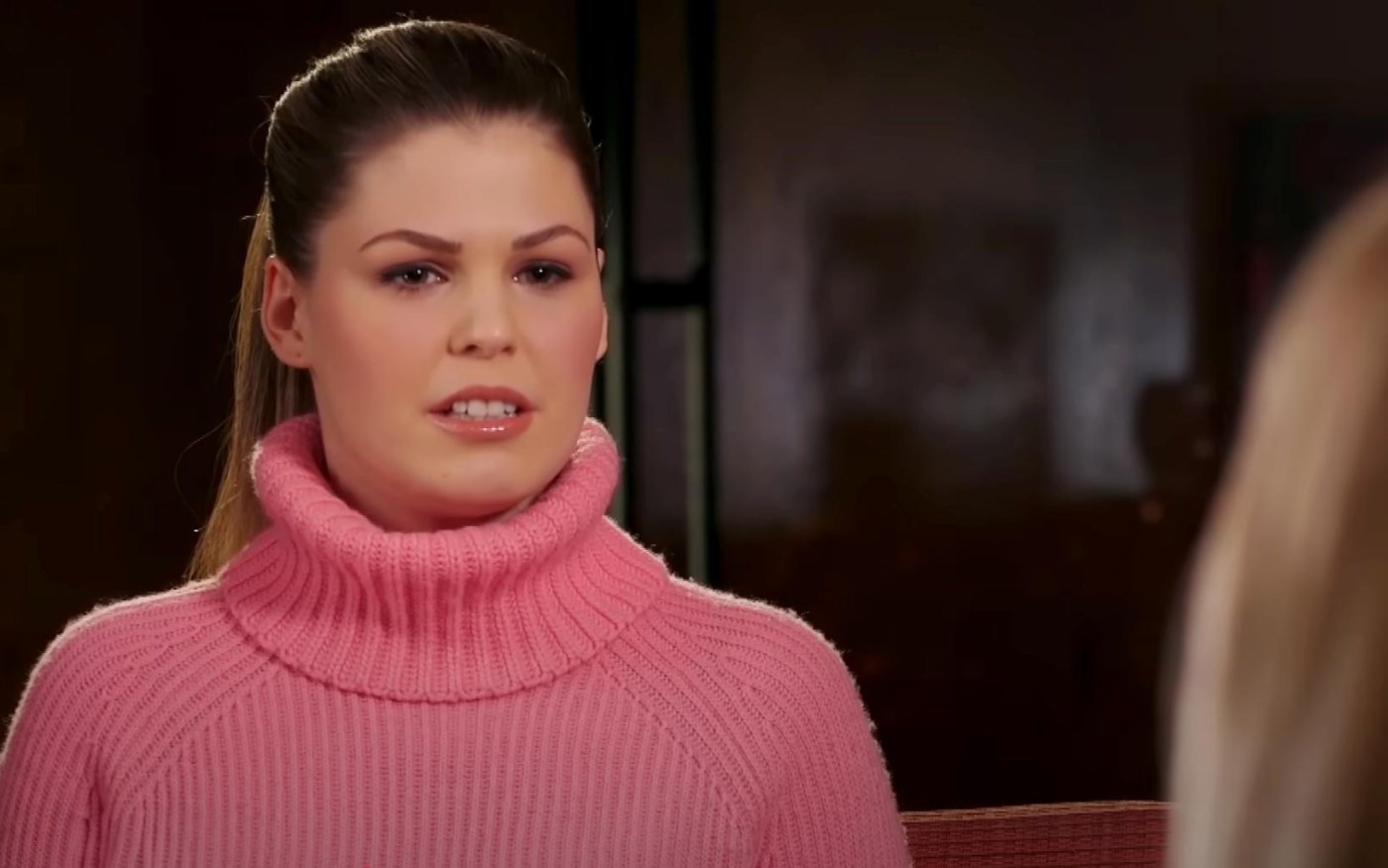
Belle Gibson is a former Australian wellness influencer who gained international fame by claiming she managed and cured terminal brain cancer using natural therapies, clean eating, and holistic remedies. Exposed in 2015 as a complete fraud who never had cancer, she was subsequently fined $410,000 AUD by the Australian Federal Court for misleading conduct.
Medical & Legal Disclaimer
This article is for informational, educational, and historical purposes only. It does not constitute medical or legal advice. Alternative health products, including apple cider vinegar, clean diets, and natural supplements, are not substitutes for evidence-based medical treatments for cancer or other serious health conditions. Always consult a licensed healthcare professional for medical diagnoses and treatment plans.
The Rise of Belle Gibson and "The Whole Pantry"
In the early 2010s, the digital health and wellness movement experienced explosive growth on platforms like Instagram. Operating at the center of this movement was Belle Gibson, an Australian social media personality who claimed that in 2009, at age 20, she was diagnosed with malignant brain cancer (glioblastoma) and given only four months to live.
Gibson claimed that after undergoing two months of conventional chemotherapy and radiotherapy, she abandoned standard oncology treatments entirely. Instead, she claimed to have successfully managed her terminal illness through lifestyle modifications: an organic plant-based diet, colonic hydrotherapy, oxygen therapy, blood tests, clean eating routines, and natural health elixirs often associated with the wellness space—such as apple cider vinegar, lemon water, and herbal detoxes.
Her narrative resonated deeply with a global audience seeking natural health solutions. In 2013, Gibson launched a smartphone application called The Whole Pantry. The app featured recipes, dietary advice, and lifestyle tips emphasizing unrefined, whole foods.
The application was an immediate commercial success:
- App Store Success: It was downloaded over 200,000 times within its first year and was named Apple's Best Food and Drink App of 2013.
- Corporate Partnerships: Tech giants partnered with Gibson to pre-install the app on demo devices worldwide, including marketing promotions for the Apple Watch.
- Book Deal: Penguin Books Australia published a companion cookbook under the same title in late 2014, expanding her reach to physical bookstores internationally.
Gibson’s brand was built on two primary pillars: the inspiring story of surviving terminal cancer through natural remedies, and a public commitment to donate a significant portion of app profits and book royalties to various charities, including children's hospitals and cancer research funds.
Alternative Remedies, Apple Cider Vinegar, and the Wellness Myth
To understand why the Belle Gibson story remains a pivotal case study in digital misinformation, it is necessary to examine how natural health products—such as apple cider vinegar (ACV)—are presented within wellness culture.
Apple cider vinegar has long been a staple of natural home health recommendations. Rich in acetic acid, ACV has moderate support in scientific literature for mild metabolic benefits, such as helping to blunt post-meal blood sugar spikes or providing minor digestive acidity support. However, within fringe alternative health spaces, simple kitchen ingredients like ACV, lemon cleanses, and raw juice diets are frequently sensationalized as miraculous "cure-alls" capable of alkalizing the body, removing "toxins," and defeating malignant tumors.
Wellness Myth Spectrum: [Dietary Ingredients (ACV, Lemon Water)] ---> [Exaggerated Wellness Claims (Detox, Anti-Aging)] ---> [Dangerous Misinformation (Cancer Cures)]
Gibson capitalized on these pervasive alternative health tropes. While her platform focused broadly on clean eating, her messaging actively reinforced the dangerous pseudoscience that severe systemic diseases could be reversed by rejecting conventional medicine in favor of dietary protocols and natural therapies.
Oncology experts have repeatedly emphasized that while dietary choices and routine exercise support overall physiological health during cancer treatment, no dietary ingredient, vinegar protocol, or cleansing routine has ever been proven to cure malignant brain tumors or systemic cancers. By presenting natural remedies as a replacement for chemotherapy and radiation, Gibson’s platform promoted a harmful narrative that put vulnerable patients at risk.
How the Fraud Was Uncovered
The collapse of Belle Gibson’s wellness empire began in early 2015, driven by investigative journalism and scrutiny from the healthcare community.
1. Unpaid Charity Donations
In March 2015, journalists Richard Baker and Nick McKenzie of The Age and The Sydney Morning Herald published an investigation revealing that thousands of dollars in promised charitable donations from app sales had never been delivered. Organizations named by Gibson as beneficiaries, such as the 2-year-old brain cancer sufferer's family and the Asylum Seeker Resource Centre, confirmed they had received no funds from Gibson or her company, Inkerman Road Enterprises.
2. Discrepancies in Medical Claims
Following the financial revelations, medical professionals and former friends began publicly questioning Gibson's medical history. Medical experts noted several irreconcilable inconsistencies in her public accounts:
- Improbable Survival Rates: Glioblastoma multiforme is an aggressive brain tumor with low long-term survival rates without intensive intervention; Gibson displayed no physical symptoms or side effects consistent with the disease or treatment.
- Contradictory Diagnosis Reports: Gibson claimed to have suffered multiple secondary cancers in her blood, spleen, uterus, and liver—claims that medical oncologists identified as scientifically improbable under the timelines she provided.
- Absence of Medical Evidence: Gibson was unable to produce medical records, physician names, or diagnostic scans when challenged by journalists.
3. The Public Admission
In April 2015, during an exclusive interview with Australian Women's Weekly, Gibson confessed that her entire medical narrative was fabricated. She admitted: "No. None of it is true... I just think that speaking the truth is the responsible thing to do now."
Subsequent investigations suggested she had never been diagnosed with cancer at any point in her life. Penguin Australia pulled her book from shelves, Apple removed The Whole Pantry from its App Store, and regulatory bodies launched formal legal proceedings.
Legal Consequences and Court Judgments
The legal response to Belle Gibson’s deception was led by Consumer Affairs Victoria (CAV), which initiated civil court proceedings in the Federal Court of Australia under Australian Consumer Law.
In March 2017, Justice Debbie Mortimer found Gibson and her company guilty of engaging in unconscionable conduct and making false or misleading representations regarding her health history, app profits, and promised charitable contributions.
Key Timeline of Events: 2013: Launch of "The Whole Pantry" App 2014: Publication of "The Whole Pantry" Book by Penguin 2015: Media Exposure and Public Admission of Fraud 2017: Federal Court of Australia Fines Gibson $410,000 AUD 2020–2021: Asset Seizures by Sheriff's Officers for Unpaid Fines
Breakdown of the 2017 Court Penalty
The Federal Court ordered Gibson to pay a total financial penalty of $410,000 AUD, structured across five specific contraventions of consumer law:
- $90,000 AUD for falsely claiming app proceeds would be donated to charity.
- $50,000 AUD for falsely claiming proceeds from an app launch event would be donated.
- $30,000 AUD for falsely claiming a portion of general app sales would go to the 2014 Mother’s Day event charities.
- $90,000 AUD for falsely claiming a specific portion of sales would support the family of a child with brain cancer.
- $150,000 AUD for falsely claiming that proceeds from a specific week of app sales would go to charity.
Justice Mortimer emphasized that Gibson’s actions exploited vulnerable people suffering from life-threatening illnesses who were seeking hope in natural remedies.
Where Is Belle Gibson Now?
In the years following her conviction, Gibson’s refusal to comply with court orders and her subsequent public activities kept her in the media spotlight.
1. Defaulting on Court Fines and Asset Seizures
Despite earning significant revenue during the height of her app’s popularity, Gibson repeatedly failed to pay the $410,000 AUD court-ordered fine, claiming she lacked the financial assets to satisfy the judgment. By 2020, with accrued interest and legal costs, her total debt owed to the state of Victoria exceeded $500,000 AUD.
In response to her non-payment:
- Sheriff Raids (2020 and 2021): Officers from the Victorian Sheriff's Office executed warrant-based raids on Gibson's residence in Melbourne.
- Seizure of Goods: Law enforcement seized high-value household items, electronics, and luxury goods to be auctioned off in order to satisfy part of her outstanding court penalty.
- Financial Examination Hearings: Gibson was repeatedly summoned to the Federal Court to undergo rigorous financial examinations regarding her income, spending habits, and international bank transactions.
2. The Oromo Community Controversy
In early 2020, media outlets reported that Gibson had adopted a new persona within Melbourne's Oromo ethnic community (a group originating from Ethiopia). Appearing in videos published by local community media under the name "Sabontu," she expressed strong political views regarding Ethiopian politics.
Community leaders quickly issued statements clarifying that Gibson was not an official representative of their community, with many expressing concern after discovering her history of high-profile deception.
3. Current Status
Belle Gibson has remained largely out of the public eye following the enforcement actions of 2020–2021. She does not hold a verified digital presence or commercial wellness platform. Her legal penalty remains an enforceable court debt under Victorian state law, serving as an ongoing public record of legal accountability for digital health fraud.
Evaluating Natural Remedies vs. Evidence-Based Medicine
The Belle Gibson case highlights the importance of distinguishing between evidence-based medical treatments and unverified alternative wellness trends.
While everyday items like apple cider vinegar, herbal teas, and whole foods offer modest health benefits when integrated into a balanced lifestyle, they are not remedies for severe pathological conditions.
| Feature / Dimension | Evidence-Based Medicine (Oncology) | Alternative Wellness Myths (e.g., Extreme ACV/Diet Protocols) |
|---|---|---|
| Primary Scientific Basis | Randomized controlled trials, peer-reviewed clinical studies. | Anecdotal testimonials, personal social media stories. |
| Regulatory Oversight | Strict safety monitoring (FDA, TGA, EMA). | Minimal to no regulatory verification of health claims. |
| Primary Goal | Targeted tumor eradication, disease remission, life extension. | General wellness, symptom relief, subjective "detoxification." |
| Mechanism of Action | Targeted cellular therapies, surgery, radiation, biological agents. | Unverified claims of "alkalizing" or "cleansing" the body. |
| Risk of Delaying Treatment | Minimal (when standard of care is initiated promptly). | High risk of disease progression and fatal outcomes. |
| Role in Patient Care | Core curative or palliative intervention. | Supportive lifestyle habit (when safely integrated with doctor approval). |
What the Belle Gibson Saga Teaches Us About Digital Misinformation
The story of Belle Gibson serves as a cautionary tale for consumers, healthcare professionals, and social media platforms alike. The saga offers several critical lessons for evaluating health information online:
1. Testimonials Are Not Medical Evidence
A personal story—no matter how convincing or emotionally appealing—cannot replace clinical evidence. Fraudulent influencers can easily fabricate symptoms, diagnoses, medical records, and recovery timelines to sell digital products, books, or supplements.
2. The Danger of Delaying Conventional Treatment
When patients choose unproven natural remedies over established medical treatments for conditions like cancer, the consequences can be fatal. Delaying evidence-based care allows malignant diseases to progress to stages where conventional medicine is less effective.
3. Misleading Language: The "Detox" and "Natural Cure" Trap
Terms such as alkalizing, detoxifying, and natural healing are frequently used in wellness marketing without clear scientific definitions. The human liver and kidneys continuously filter toxins without requiring special vinegar protocol, cleansing juices, or extreme dietary restrictions.
4. Skepticism of Digital Authority
Follower counts, polished app design, and feature placement on digital app stores do not equal medical credibility. Platforms have since implemented stricter guidelines regarding health claims, requiring dietary and medical apps to provide evidence-based validation.
Frequently Asked Questions
Did Belle Gibson ever actually have cancer?
No. Comprehensive media investigations, medical checks, and Gibson's own 2015 public confession confirmed that she never had brain cancer or any other form of cancer. Her diagnosis claims were completely fabricated.
Does apple cider vinegar (ACV) cure cancer or clear serious illnesses?
No. There is no scientific or clinical evidence showing that apple cider vinegar cures, manages, or reverses cancer or other severe systemic diseases. While ACV can be safely used in cooking and may offer minor metabolic benefits (such as blunting blood sugar spikes), it cannot replace standard medical therapies.
How much was Belle Gibson fined, and has she paid it?
In 2017, the Australian Federal Court fined Belle Gibson $410,000 AUD for breaching Australian Consumer Law. She defaulted on the fine, leading to accrued interest and sheriff raids on her home in 2020 and 2021 to seize personal assets to satisfy the court order.
How did "The Whole Pantry" app become so popular if it was based on a lie?
The application succeeded due to a combination of high-quality user interface design, early support from major tech platforms, attractive whole-food recipes, and an inspiring storytelling narrative centered on overcoming terminal illness through diet and positive living.
What legal protections exist to stop wellness influencers from making fake medical claims?
Regulatory bodies such as the Australian Competition and Consumer Commission (ACCC), Consumer Affairs Victoria (CAV), and the U.S. Federal Trade Commission (FTC) enforce laws prohibiting false, deceptive, or unconscionable commercial claims. Additionally, major social media platforms now employ strict policies against medical misinformation.
Practical Recommendation: Navigating Online Health Claims
To protect yourself and your family from wellness misinformation online, follow these practical steps when evaluating health claims:
- Verify Medical Credentials: Ensure health advice comes from board-certified physicians, licensed dietitians, or recognized health organizations (such as the WHO, NIH, or National Cancer Institute).
- Cross-Reference Claims: Check whether extraordinary claims (e.g., "this natural ingredient shrinks tumors") are supported by peer-reviewed studies indexed on medical databases like PubMed.
- Never Discontinue Prescribed Treatments: Never stop or delay conventional medical care, chemotherapy, or prescribed medication without consulting your primary treating physician.
- Report Misleading Content: Use platform reporting tools to flag social media accounts or commercial apps that make unverified claims about curing serious medical conditions using diet or natural supplements.