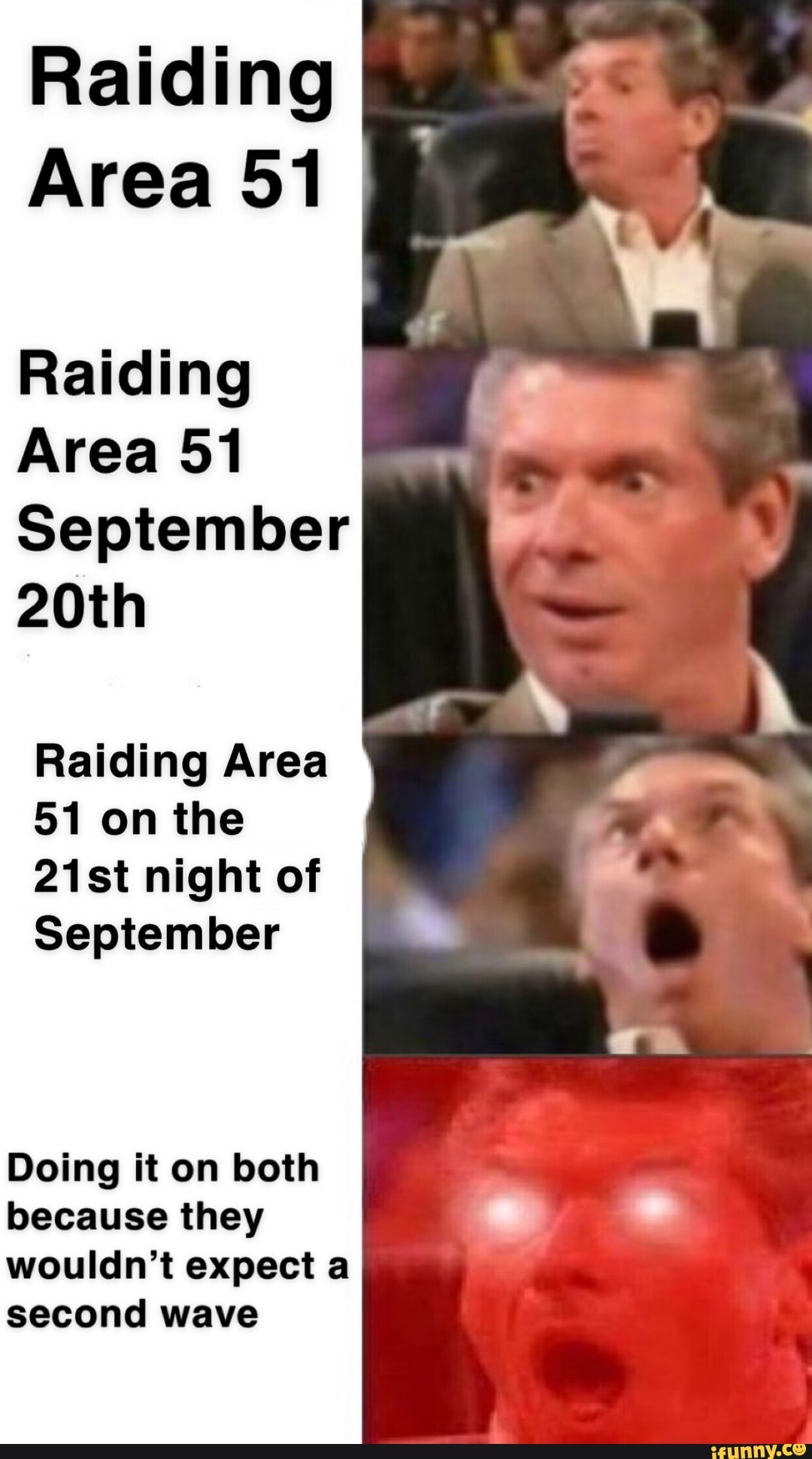
The "Area 51 September 20th" event refers to the viral 2019 internet phenomenon known as "Storm Area 51, They Can't Stop All of Us." What began as a satirical Facebook event evolved into a cultural touchstone, drawing thousands of curious spectators to the rural Nevada desert, while underscoring the complexities of modern internet influence, public access to classified military installations, and the lasting fascination with extraterrestrial activity.
The Origins of the September 20th Movement
In the summer of 2019, a student named Matty Roberts created a Facebook event titled "Storm Area 51, They Can't Stop All of Us." The premise was simple: a hyperbolic suggestion that if enough people gathered at the perimeter of the top-secret United States Air Force facility in Nevada, they could overwhelm security to "see them aliens."
Within weeks, the event went viral. While the creator intended the post as a joke, it garnered millions of RSVPs. The sheer scale of the interest triggered a response from the United States Air Force, which issued formal statements warning potential trespassers against approaching the installation. The date, September 20, 2019, was chosen specifically as the day for this hypothetical infiltration, effectively cementing the phrase "Area 51 September 20th" in the cultural lexicon as a moment where internet meme culture collided with real-world security protocols.
Navigating the Nevada Desert: Reality vs. Expectations
For those looking to visit the vicinity of the United States Air Force (USAF) facility historically referred to as "Area 51"—located within the Nevada Test and Training Range (NTTR)—it is vital to understand the distinction between public land and restricted military territory.
The Geography of Groom Lake
The facility is situated near the dry salt flat of Groom Lake. It serves as a remote detachment of Edwards Air Force Base. Despite the massive attention surrounding the September 20th date, the physical reality of the site remains unchanged. The base is an active, highly classified military testing range.
Access and Legal Limitations
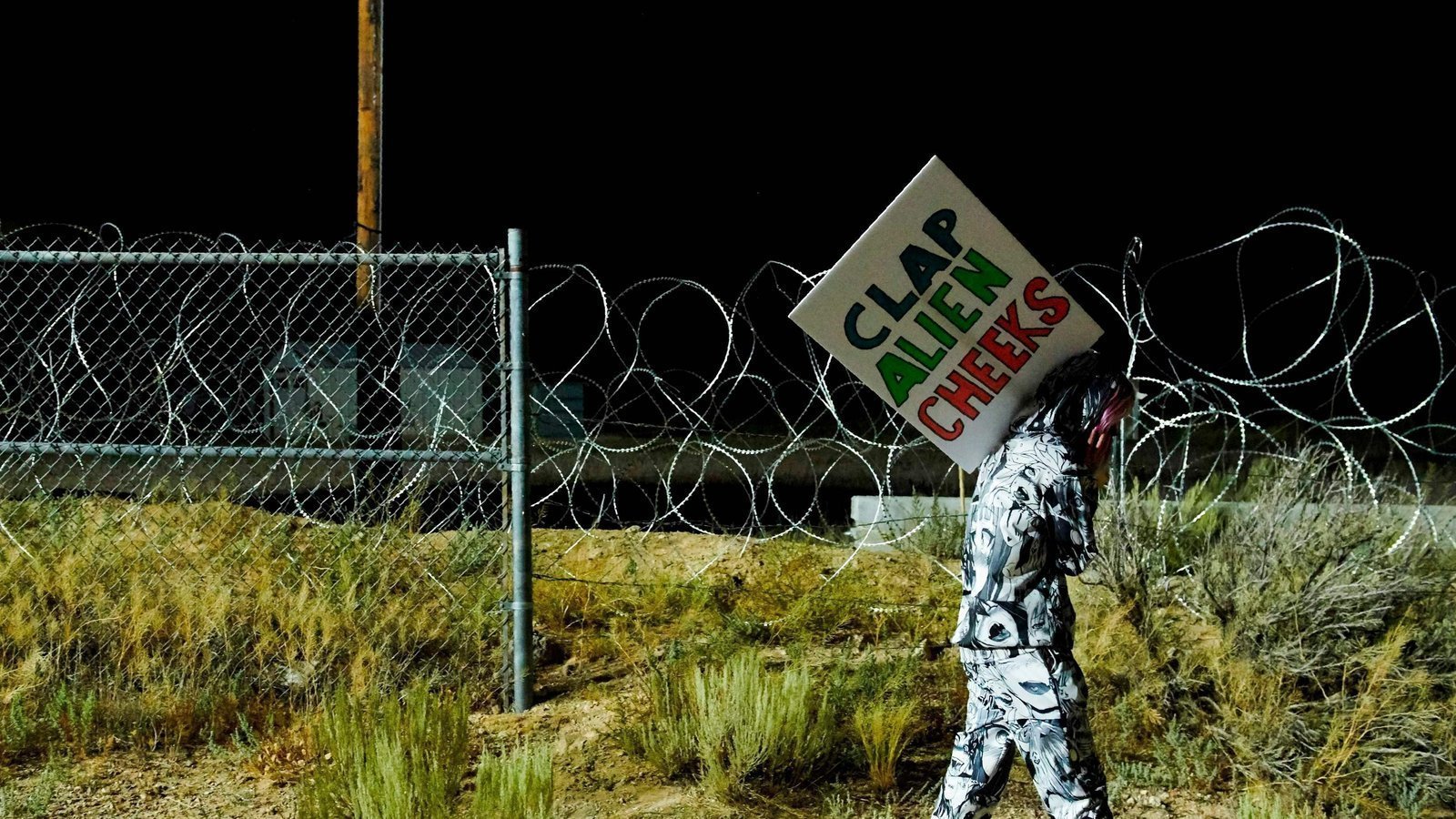
The perimeter of Area 51 is marked by prominent signage, barbed wire, and motion sensors. The U.S. government maintains strict "no-trespass" zones. While the public can drive on public roads—most notably the Nevada State Route 375, colloquially known as the "Extraterrestrial Highway"—crossing into the restricted zone is a federal offense. During the September 20th event, local and federal authorities reinforced these boundaries, ensuring no unauthorized personnel breached the perimeter. Visitors seeking to visit the area today must remain strictly on public land, which is overseen by the Bureau of Land Management (BLM).
The Cultural Legacy of the Raid
The events surrounding September 20th, 2019, provided a unique case study in how social media can influence real-world logistics and public safety. As the date approached, local communities in rural Nevada—particularly the towns of Rachel and Hiko—braced for an influx of thousands.
The Shift from Infiltration to Celebration
As it became clear that the "raid" would not materialize in a literal sense, the focus shifted toward tourism and festivities. Several events, such as "Alienstock," were organized to provide a structured environment for those who had traveled to Nevada. This transition highlighted a critical aspect of internet-born movements: the ability for organic gatherings to pivot toward community-building rather than conflict.
Impact on Local Infrastructure
The surge of visitors tested the limits of rural Nevada’s infrastructure. Small towns with limited fuel, medical, and waste management resources faced immense pressure. The event serves as a modern lesson in crisis management for local governments, proving that even a joke-based online campaign requires a significant allocation of law enforcement and emergency response resources to ensure the safety of both the visitors and the residents.
Distinguishing Fact from Speculation
Fascination with Area 51 stems from decades of classified research, from the U-2 spy plane to the A-12 Oxcart. However, it is important to separate established history from popular mythology.
| Aspect | Historical Reality | Popular Speculation |
|---|---|---|
| Primary Use | Flight testing and weapons development. | Extraterrestrial spacecraft reverse-engineering. |
| Public Status | Restricted U.S. military installation. | Secret extraterrestrial embassy or crash site. |
| September 20th | Date of a viral internet gathering. | Date of a planned mass breach attempt. |
| Security | Heavily monitored, restricted airspace. | Guarded by non-human or advanced entities. |
The Role of Government Transparency
The U.S. government officially acknowledged the existence of Area 51 by name in 2013, following a Freedom of Information Act (FOIA) request that forced the declassification of documents related to the CIA’s history. These documents confirm that the base was used for the development of aerial reconnaissance platforms. This transparency helped ground some of the mystery in history, even as public imagination continues to fuel alternative narratives.
Practical Guidance for Travelers
If you are planning to visit the area near the Nevada Test and Training Range for historical interest or curiosity, safety and adherence to federal law are paramount.
Preparation Essentials
- Vehicle Reliability: The Nevada desert is harsh. Ensure your vehicle is in top condition, with adequate fuel, spare tires, and coolant. Fuel stations are extremely sparse along the Extraterrestrial Highway.
- Navigation: Do not rely solely on cellular service or GPS, as both are unreliable in the remote high desert. Carry physical maps and know your exact location relative to marked restricted zones.
- Emergency Supplies: Always carry at least one gallon of water per person per day. Temperatures fluctuate significantly between day and night, and dehydration is a constant risk.
Safety Protocols
- Heed all signage: Military boundaries are clearly marked. Ignore rumors suggesting that certain paths or zones are "secretly open."
- Avoid night travel: Navigating rural roads in the dark increases the risk of wildlife collisions and vehicle breakdowns in areas with no reception.
- Respect private property: Much of the land surrounding public roads is privately owned. Do not trespass on ranches or private mining claims.
Frequently Asked Questions
Is it legal to visit the area around Area 51?
Yes, it is legal to travel on public roads such as Nevada State Route 375 and visit public lands managed by the BLM. However, you must stay outside of the marked boundaries of the Nevada Test and Training Range. Trespassing on military property is a serious federal offense that carries heavy fines and potential incarceration.
What happened on September 20, 2019?
September 20th marked the date of a planned "raid" that went viral on social media. In reality, it resulted in a peaceful gathering of several thousand people in the towns of Rachel and Hiko, Nevada, with no attempts to breach the military perimeter.
Are there any tours of the base?
No. Area 51 remains a fully operational, classified military installation. There are no authorized public tours, visitor centers, or open houses for the base itself.
Why is the site historically significant?
The base played a pivotal role in the Cold War, serving as the testing ground for advanced stealth technology and aerial reconnaissance, including the U-2 and SR-71 programs. Its historical significance is rooted in aerospace engineering and national defense policy.
Can you see "aliens" or UFOs at the site?
There is no verified evidence of extraterrestrial life or recovered spacecraft at the site. While the area has a high frequency of sightings reported by civilians, most experts attribute these to experimental aircraft testing or naturally occurring atmospheric phenomena.
Conclusion and Final Recommendations
The interest in "Area 51 September 20th" serves as a landmark event in the era of digital culture. While the initial premise of the event was clearly satirical, it demonstrated the powerful impact of online movements on physical locations and public discourse. For those interested in the subject, the best approach is to visit the Nevada region with an appreciation for its genuine history in aviation development and a respect for the severe environmental and legal realities of the desert.
Always prioritize safety over curiosity. If you find yourself planning a visit to the region, focus on exploring the culture of the nearby towns and the natural beauty of the high desert rather than testing the boundaries of restricted military zones. Treat the area as a historical landmark of the Cold War, and you will find a landscape that is as interesting for its actual scientific contributions as it is for the stories surrounding it.