The Los Angeles metropolitan area utilizes multiple area codes, including 213, 323, 310, 424, 747, and 818, to manage high telecommunications demand. These codes are not interchangeable; they serve specific geographic overlays and legacy regions within Los Angeles County. Identifying the correct area code is essential for accurate dialing, caller verification, and managing local business communication strategies.
Understanding the Structure of North American Numbering
The North American Numbering Plan (NANP) governs the allocation of telephone numbers across the United States, Canada, and several Caribbean nations. In this system, an area code—formally known as a Numbering Plan Area (NPA) code—is the three-digit prefix that precedes the seven-digit local number.
The primary purpose of the NPA is to organize the massive volume of telephone users into manageable geographic or overlay regions. As telecommunications technology evolved from rotary dialing to digital switching and mobile saturation, the demand for unique phone numbers in dense urban environments like Los Angeles necessitated the introduction of additional codes. When a specific region reaches a threshold of available numbers, regulators—in this case, the California Public Utilities Commission (CPUC) working in conjunction with the North American Numbering Plan Administrator (NANPA)—authorize new area codes to prevent exhaustion.
Historical Evolution of Los Angeles Area Codes
Los Angeles has experienced significant growth over the last century, which is reflected in the fracturing of its original numbering plan. Understanding this history helps clarify why certain regions share codes while others do not.
The 213 area code was one of the original codes established in 1947. At that time, it covered the entirety of Southern California. As the population surged, the region required further subdivision. Over subsequent decades, the 213 code was carved down, giving rise to many of the codes we recognize today.
Today, the 213 area code is restricted to a much smaller, dense portion of downtown Los Angeles. In 1998, the 323 area code was introduced as an overlay to 213 to provide relief for the downtown and surrounding neighborhoods. This shift highlights a common telecommunications practice: the "overlay." Unlike a geographic split, where a region is physically divided by a boundary line, an overlay allows new numbers with a different prefix to be issued within the same geographic footprint as an existing code.
Geographic Distribution and Current Allocations
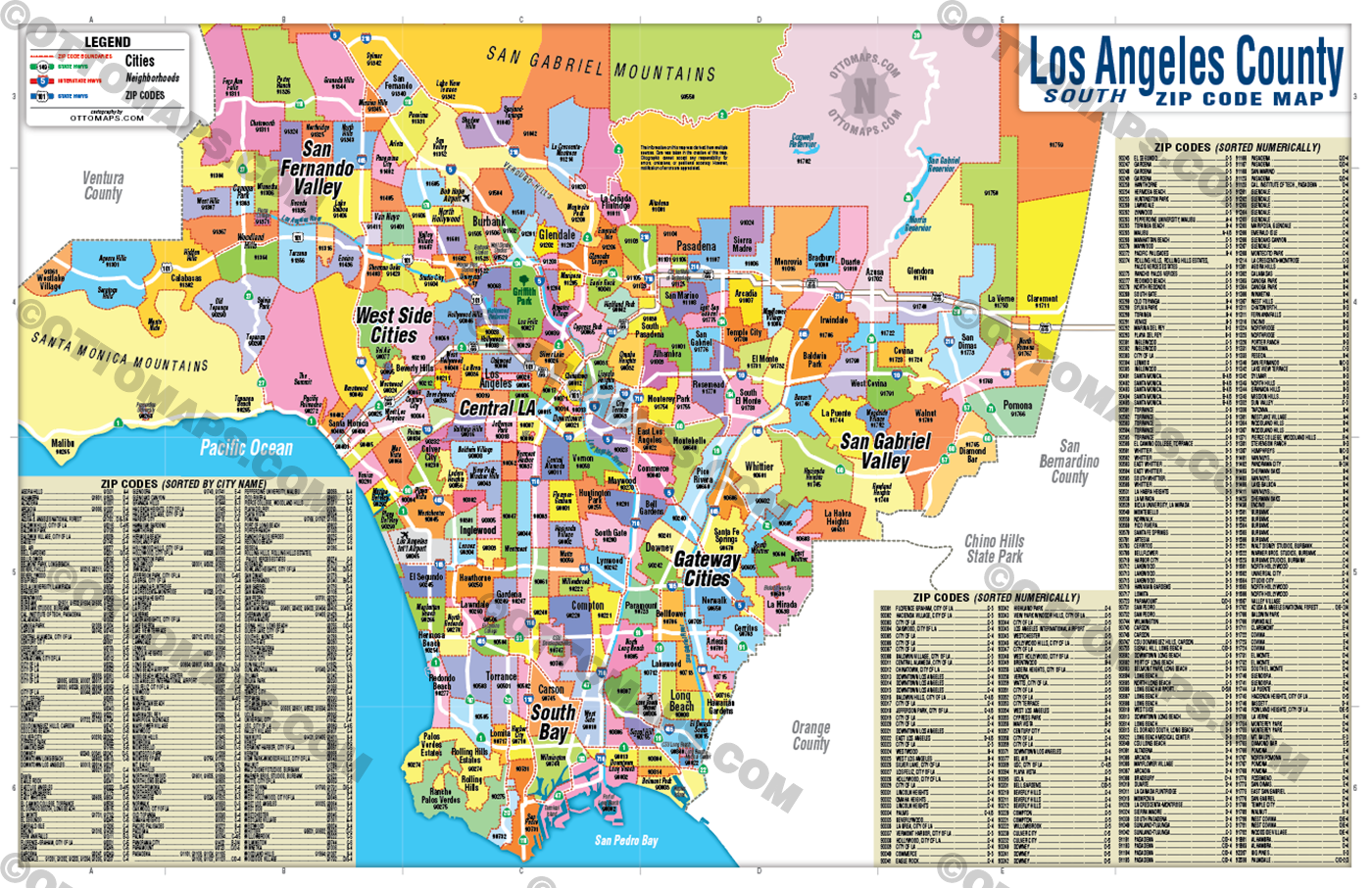
The Los Angeles landscape is divided into distinct zones that define which area code a subscriber is assigned. Because of the overlay system, geographic boundaries are not always strictly enforced for mobile devices, which can technically be assigned any valid code within a broader region. However, for landlines, the association remains tied to the physical location of the exchange.
Downtown and Central Los Angeles
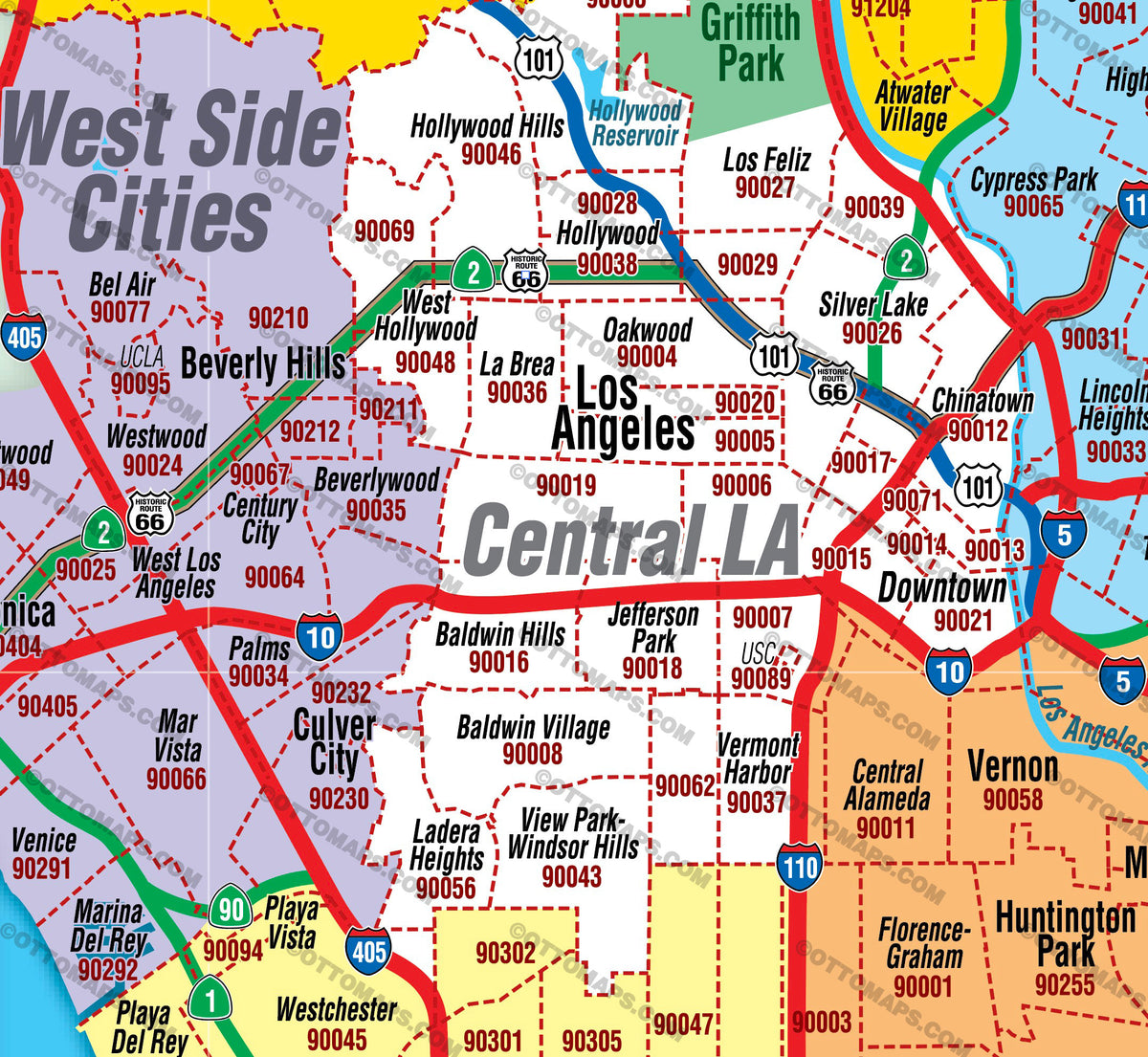
The original urban core is primarily serviced by 213 and 323. These codes cover neighborhoods like Boyle Heights, Hollywood, and the central business district. While 323 is often associated with the area immediately surrounding downtown, the overlay nature of these assignments means residents and businesses in these zones may hold either prefix.
The Westside and Coastal Regions
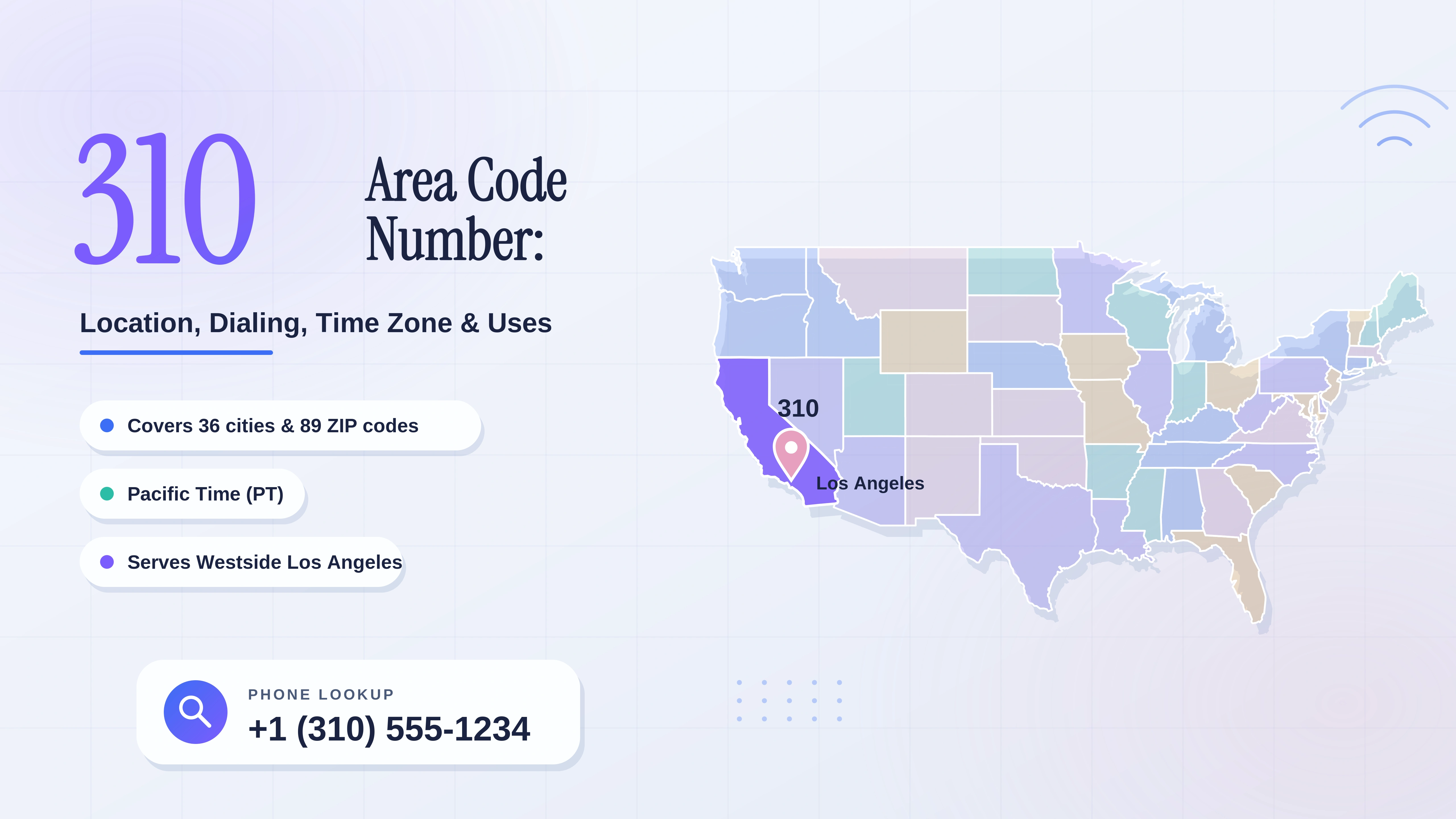
The 310 area code covers the prestigious Westside, including Santa Monica, Beverly Hills, and parts of the South Bay. Due to the high density of businesses and the sheer volume of personal devices, the 310 code reached capacity, leading to the introduction of the 424 overlay. Any new request for a number in the 310 region is now likely to be assigned the 424 prefix.
The San Fernando Valley
The San Fernando Valley relies heavily on the 818 area code. Much like the experience in the 310 region, the 818 code eventually faced exhaustion. To address this, the 747 overlay was introduced. It covers the same geographic area as 818, ensuring that the residential and commercial growth of the valley can continue without exhausting the supply of available numbers.
Table: Los Angeles Area Code Reference Guide
| Area Code | Primary Geographic Focus | Type of Assignment |
|---|---|---|
| 213 | Downtown Los Angeles | Legacy / Original |
| 323 | Central LA, Hollywood, East LA | Overlay (to 213) |
| 310 | Westside, Beverly Hills, South Bay | Legacy |
| 424 | Westside, Beverly Hills, South Bay | Overlay (to 310) |
| 818 | San Fernando Valley | Legacy |
| 747 | San Fernando Valley | Overlay (to 818) |
Technical Considerations for Dialing and Verification
In California, particularly within the Los Angeles region, ten-digit dialing is mandatory. This means that even if you are calling from one 213 number to another 213 number, you must dial the full area code followed by the seven-digit phone number. This requirement was implemented as a direct result of the overlay system. When multiple area codes serve the same physical geography, a three-digit prefix is no longer sufficient to distinguish between local and long-distance routing, necessitating the inclusion of the area code for every call.
If you are a business owner or a resident looking to verify a caller's location, it is critical to note that area codes are no longer a foolproof method for identifying physical location. With the advent of Voice over IP (VoIP) and mobile number portability, a user can retain their 213 phone number while living in a different state or country. Consequently, an area code suggests the origin of the number's issuance but does not definitively prove the current physical location of the individual or entity.
Managing Business and Personal Communications
For businesses operating in Los Angeles, selecting an area code is a branding decision. A 213 or 310 number is often perceived as "established" or "local" due to their historical significance in affluent or central parts of the city. Conversely, overlay codes like 424 or 747 are modern necessities.
When establishing a new service, you typically do not have a choice of area code unless your service provider has a specific block of numbers available in their inventory. Because these numbers are managed at the carrier level, if you require a specific prefix for branding purposes, you may need to utilize a secondary virtual number service that allows for the selection of specific local area codes.
Troubleshooting Common Issues
One of the most frequent challenges users face is the inability to connect a call or the perception that a number is "invalid." In the Los Angeles area, this is usually due to one of three issues:
- Omitting the Area Code: As noted, seven-digit dialing is obsolete. Always ensure you are using the full ten-digit format.
- Improper Prefixing: Ensure you are not mistaking the California state area code for a country code. If you are dialing from outside the United States, you must prepend the international calling code (011) and the country code (1) before the ten-digit Los Angeles number.
- Carrier Porting Delays: If you have recently moved your phone number from one carrier to another, the database updates may take several hours. This can lead to temporary routing errors where the number appears disconnected.
If you believe you have been scammed or are receiving unwanted solicitations, remember that area codes are easily "spoofed." Automated dialing systems can display any area code, including a local 213 or 310, to make a call appear more trustworthy. Always verify the identity of the caller independently if the nature of the conversation is financial or sensitive.
Frequently Asked Questions
Why can't I get a 213 area code for my new phone line? The 213 area code is a legacy code that is largely exhausted. While numbers occasionally become available when they are surrendered or cancelled, they are rare. Most providers will assign an overlay code like 323 for the central Los Angeles region.
Is there a difference in cost between calling 818 and 747? No. Both 818 and 747 are within the same local calling area. Calling from an 818 number to a 747 number is treated as a local call, and there is no difference in billing rates regardless of which prefix is used.
Do I need to dial '1' before the area code in Los Angeles? In most cases, you do not need to dial '1' if you are making a local call within the same area code or even across different LA area codes, provided the call is within the local calling zone. You only need the ten-digit number. However, some older business PBX systems may require a '9' or '1' to grab an outside line.
Can I move my 310 number to a different city? Yes, thanks to federal regulations regarding number portability, you can move your number to a new provider. However, if you move to a completely different geographic region, your carrier may have restrictions on keeping a non-local area code, though this is becoming less common with modern VoIP services.
Are these area codes specific to mobile or landline phones? No. Area codes are assigned by the region, not the device type. A 323 number can be a landline in a home, a business line in an office, or a mobile phone in your pocket.
Final Recommendation
When managing communications in Los Angeles, prioritize the use of the full ten-digit phone number in all contacts and databases to ensure compatibility with modern routing requirements. If you are a business owner seeking a local presence, contact your telecommunications provider to inquire about their current inventory of available prefixes in your target neighborhood. For personal security, remain vigilant against spoofed calls that mimic local area codes, and always treat unexpected requests for sensitive information with caution, regardless of the area code appearing on your caller ID.