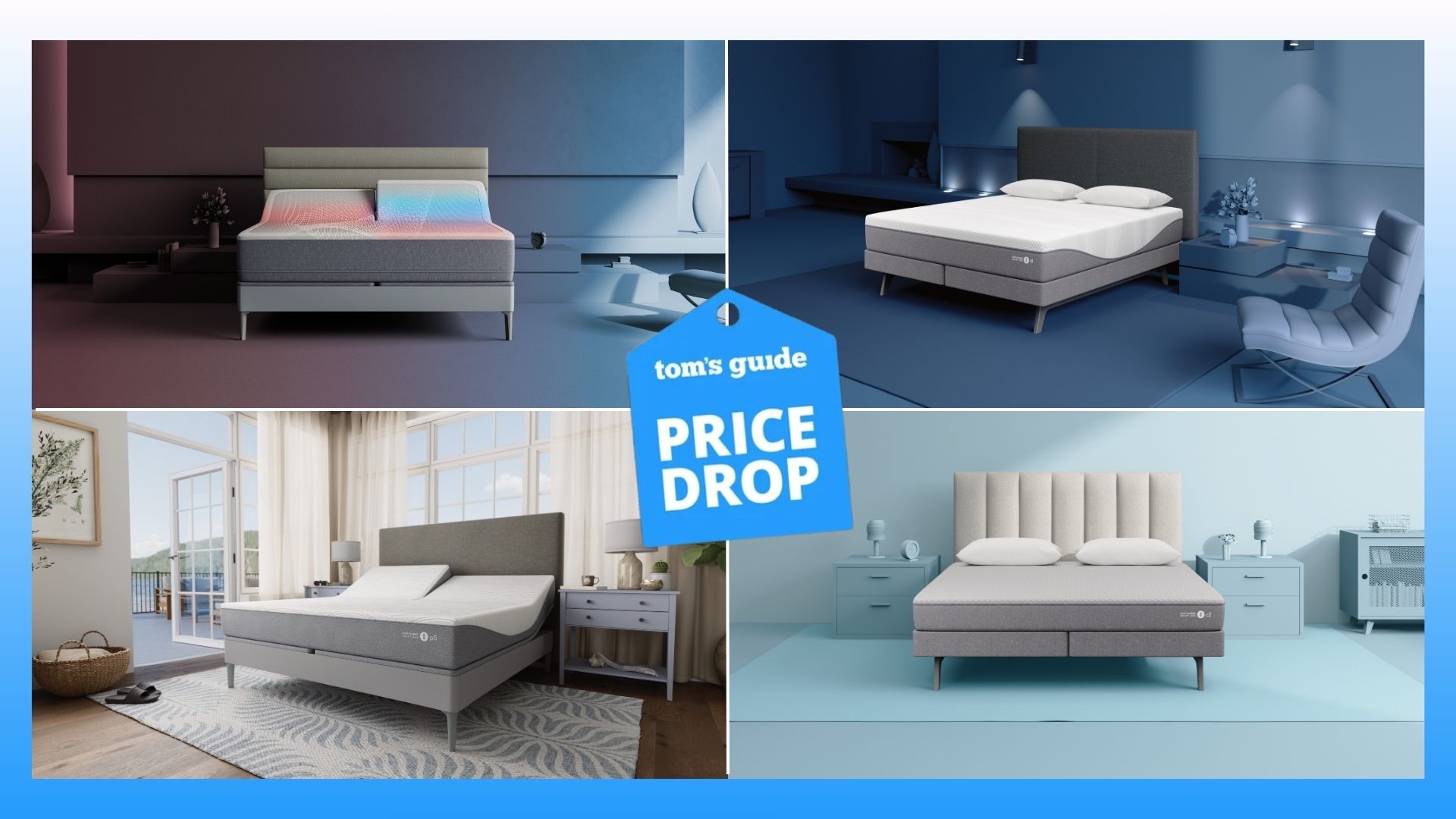
High-tech beds are worth the investment for individuals with specific sleep disturbances—such as chronic overheating, sleep apnea, or insomnia—and for those who actively use biometric data to improve their health. However, for sleepers without significant issues, the high initial cost and recurring software subscription fees may outweigh the incremental benefits.
The concept of the "smart bed" has evolved significantly. In 2026, the market has moved beyond simple sleep tracking apps to integrated sleep systems that actively manipulate the sleep environment in real-time. These systems utilize a combination of biometric sensors, mechanical actuators, and thermal regulation units to address the fundamental pillars of sleep hygiene: temperature, posture, and timing. To determine if these systems are worth the "hype," one must look past the marketing gloss and examine the underlying engineering and clinical utility.
The Engineering of Modern Smart Beds
To understand the value of a high-tech bed, it is necessary to differentiate between a "smart mattress" and a "smart sleep system." A standard mattress provides passive support through coils or foam. In contrast, a high-tech system is an active electronic device.
Biometric Sensor Integration
Most high-end models now utilize ballistocardiography (BCG) sensors. Unlike wearable devices that require contact with the skin, these sensors are embedded within the mattress layers or a topper. They measure the mechanical micro-movements of the body caused by the heartbeat and respiration. By 2026, the precision of these sensors has reached a level where they can detect subtle irregularities in heart rate variability (HRV) and respiratory patterns that might indicate the onset of illness or high stress levels before the user feels symptomatic.
Active Thermal Regulation
Temperature is perhaps the most validated aspect of sleep science. The human body needs to drop its core temperature by approximately 2 to 3 degrees Fahrenheit to initiate sleep and enter deep REM stages. Traditional mattresses often trap heat, leading to "micro-awakenings." High-tech beds solve this through active liquid cooling or forced-air systems. These units circulate temperature-controlled water through a network of thin tubes near the surface of the mattress, allowing users to set specific temperatures for different stages of the night—for example, cooling down rapidly to induce sleep and warming up slightly before the alarm to facilitate a natural wake-up.
Responsive Support and Positional Adjustments
Adjustable bases have transitioned from hospital-room staples to luxury consumer goods. Modern hi-tech beds feature automatic snore detection. Using integrated microphones or vibration sensors, the bed can detect the specific frequency of snoring and automatically elevate the sleeper’s head by 5 to 7 degrees. This slight adjustment often opens the airway enough to stop the snoring without waking the individual or their partner.
The Health and Performance Benefits
The primary justification for the high cost of these systems is their impact on long-term health. Sleep is no longer viewed as "down time" but as a critical period for metabolic clearance and cognitive consolidation.
Addressing Sleep Apnea and Respiratory Health
For those with mild to moderate obstructive sleep apnea, a hi-tech bed can be a life-changing tool. While not a replacement for a CPAP machine in severe cases, the ability of a bed to maintain a slight incline reduces the gravitational collapse of the soft tissues in the throat. This leads to higher oxygen saturation levels throughout the night.
Athletic Recovery and HRV Tracking
Professional athletes have been early adopters of smart beds for their ability to monitor Recovery Scores. By analyzing HRV during deep sleep, the bed’s software provides an objective measure of how well the body has recovered from the previous day’s physical exertion. In 2026, these systems often integrate with other health platforms (like Apple Health or Google Fit) to correlate sleep quality with activity levels, providing a holistic view of physical readiness.
The Solution for "Thermal Incompatibility"
One of the most common complaints among couples is differing temperature preferences. Hi-tech beds often feature dual-zone climate control, allowing one side of the bed to be set to 65°F while the other remains at 75°F. This customization eliminates a major source of relationship friction and improves the sleep quality of both partners simultaneously.
The Economic Reality: Cost vs. Longevity
While the benefits are measurable, the financial commitment is substantial. Evaluating the "worth" requires a calculation of the total cost of ownership over a ten-year period.
| Feature Category | Entry-Level Smart Bed | Premium Integrated System | Traditional Luxury Mattress |
|---|---|---|---|
| Initial Price (2026) | $2,000 – $3,500 | $6,000 – $12,000 | $1,500 – $4,000 |
| Cooling Tech | Passive (Graphite/Gel) | Active (Liquid/Thermoelectric) | Passive (None/Phase Change) |
| Sensors | Basic Sleep Tracking | Medical-Grade Biometrics | None |
| Subscription Fees | $10 – $20 / month | Included or $30+ / month | None |
| Mechanical Life | 5–7 Years (Electronics) | 10 Years (Modular) | 7–10 Years |
| Primary Benefit | Data Awareness | Active Sleep Correction | Basic Comfort |
The "Mattress as a Service" Trend
A significant shift in the 2020s has been the introduction of subscription models for high-tech beds. Companies like Eight Sleep and Sleep Number often gate their most advanced AI coaching and long-term data trends behind a monthly paywall. When considering if a bed is "worth it," consumers must factor in an additional $1,200 to $3,000 in subscription costs over the life of the mattress. If you stop paying, your "smart" bed may revert to a "dumb" mattress, losing the very features you purchased it for.
Durability and Maintenance
Traditional mattresses fail when the internal structure (coils or foam) sags. High-tech beds introduce additional points of failure: pumps, sensors, Wi-Fi modules, and power supplies. While many companies have moved toward modular designs in 2026—allowing users to replace a faulty pump without discarding the entire mattress—the complexity of these systems inherently makes them more prone to technical issues than a standard bed.
Common Pitfalls and Limitations
Despite the hype, high-tech beds are not a panacea for all sleep issues. There are several areas where these systems may fall short of consumer expectations.
- The "Nocebo" Effect of Data: For some users, seeing a "low sleep score" in the morning can trigger anxiety, which ironically makes it harder to sleep the following night. This phenomenon, sometimes called orthosomnia, can negate the benefits of tracking.
- Connectivity Issues: A smart bed relies on a stable home network. If your Wi-Fi routers are distant or the company's servers go down, you may lose the ability to adjust your bed’s firmness or temperature via the app.
- EMF and Privacy Concerns: While most beds use low-energy Bluetooth or shielded Wi-Fi, some users are concerned about sleeping directly on top of electronic components. Furthermore, biometric data—including heart rates and respiratory patterns—is highly sensitive. Users must carefully vet the privacy policies of manufacturers to ensure their health data isn't being sold to third-party advertisers or insurance companies.
- Complexity of Setup: These are not "plug and play" items. They often require professional installation, calibration of the sensors to the user's body weight, and integration with a smartphone.
Comparison: Who Should Buy and Who Should Skip?
Target Audience: The "Optimization" Crowd
If you are an "optimizer"—someone who tracks their macros, follows a strict exercise regimen, and views sleep as a performance variable—a hi-tech bed is likely worth the hype. The ability to correlate a late-night meal with a drop in HRV and then use active cooling to mitigate the metabolic heat is a powerful tool for self-improvement.
The "Chronic Problem" Group
Individuals suffering from night sweats (common during menopause or due to certain medications) or those with chronic lower back pain that requires precise lumbar adjustment will find the functional benefits of a smart bed far more valuable than a standard mattress. In these cases, the bed is a medical/wellness tool rather than a luxury gadget.
Who Should Skip?
If you are a "good sleeper" who typically falls asleep within 15 minutes and wakes up feeling refreshed on a standard mattress, the marginal gains of a smart bed are unlikely to justify the $5,000+ price tag. Similarly, if you are tech-averse or frustrated by the "subscriptionification" of household objects, the maintenance and ongoing costs will likely lead to buyer's remorse.
Technical Specifications to Look For
When evaluating a specific model in 2026, prioritize these technical standards to ensure you are getting a future-proof system:
- Matter/Thread Compatibility: Ensure the bed integrates with the wider smart home ecosystem so your lights can dim and your thermostat can adjust automatically when the bed senses you have fallen asleep.
- Dual-Sided Independence: The system should have two separate pumps and sensor arrays if you share the bed.
- Local Data Processing: Prefer systems that process biometric data locally on a hub rather than sending every heartbeat to the cloud, which improves both privacy and latency.
- Warranty on Electronics: Look for at least a 3-year full-replacement warranty on electronic components, as these are the parts most likely to fail before the mattress core.
Frequently Asked Questions
Do hi-tech beds emit harmful radiation?
Most modern smart beds use Low-Energy Bluetooth (BLE) or shielded Wi-Fi modules that emit significantly less non-ionizing radiation than a standard smartphone. Many manufacturers also include an "Airplane Mode" that disables all transmissions during the night while still collecting data locally to be synced in the morning.
How long do the electronics in a smart bed last?
While the foam and springs may last 10 years, the electronic sensors and pumps typically have a functional lifespan of 5 to 7 years. It is important to choose a brand that offers modular replacement parts so you do not have to replace the entire bed if a single sensor fails.
Can I use my existing sheets with a high-tech cooling bed?
Generally, yes, but for beds with active liquid cooling, thinner, breathable sheets (such as Tencel or high-quality bamboo) are recommended. Heavy, high-thread-count cotton or flannel can act as an insulator and reduce the effectiveness of the cooling system.
Do these beds require a special bed frame?
Many hi-tech beds, especially those with adjustable bases, require a sturdy, flat surface or a specific compatible frame. You should verify the weight capacity of your current frame, as smart beds with water pumps and motors can weigh significantly more than traditional mattresses.
Is the sleep tracking as accurate as a wearable?
In many cases, it is more accurate for sleep stages. Because a mattress sensor has a larger surface area and can use ballistocardiography, it often captures more consistent heart and respiratory data than a wrist-based wearable that might move or lose contact during the night.
The Verdict: How to Decide
To decide if a hi-tech bed is worth the hype for your specific situation, perform a "sleep audit." For one week, track how many times you wake up because you are too hot, how often your partner's movement disturbs you, and whether you wake up with localized back pain.
If these issues occur more than three times a week, the functional interventions of a smart bed—active cooling, motion isolation, and adjustable firmness—provide a clear ROI in the form of better health and daily productivity. If your sleep is already consistent, your money is likely better spent elsewhere.