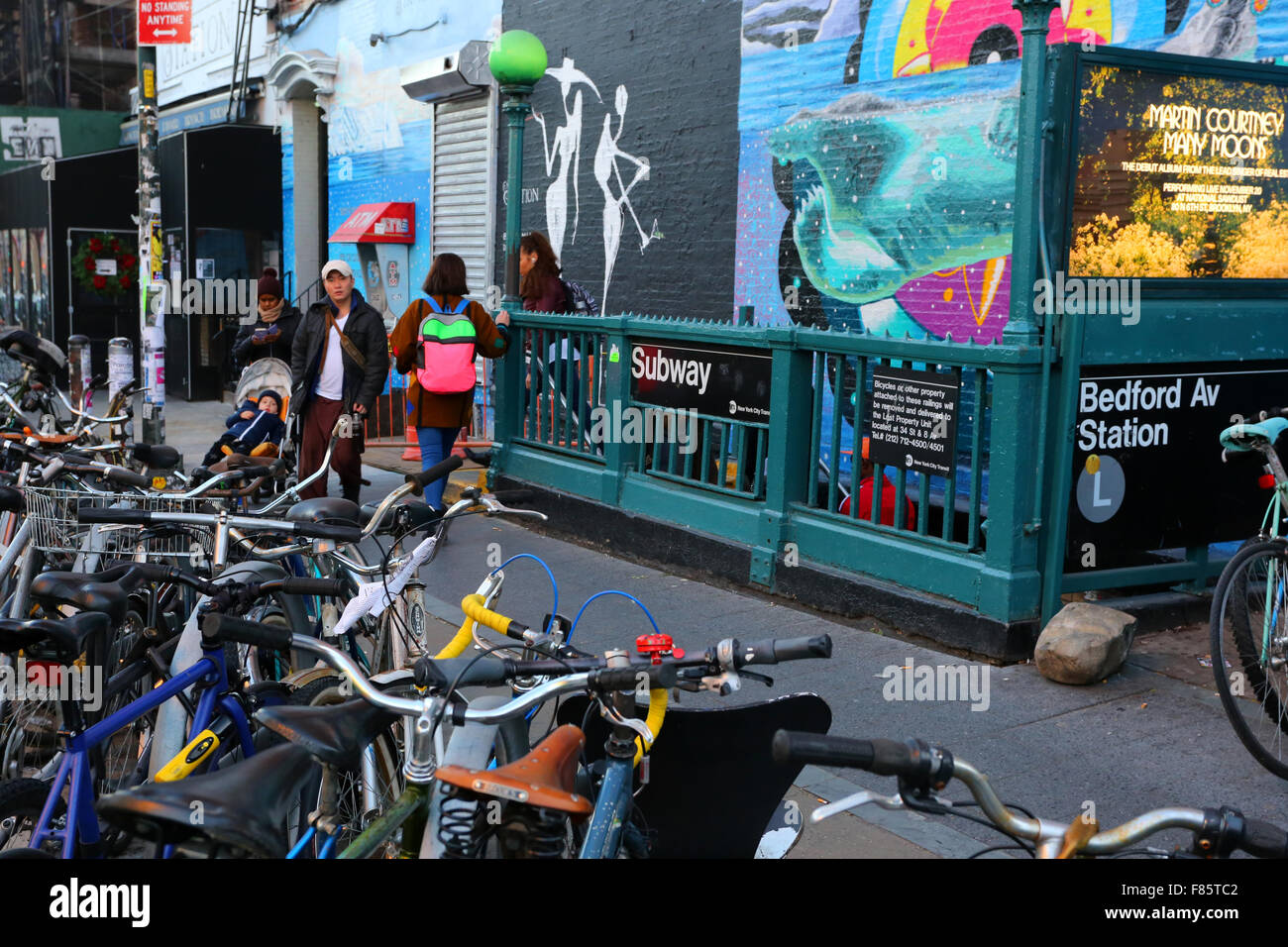
The Williamsburg "hipster" scene is often considered overrated because the neighborhood has transitioned from a DIY counter-culture hub into a high-end commercial district. In 2026, while the aesthetic remains, the grit and affordability that once defined the movement have been replaced by luxury developments and global retail brands.
The Evolution of the Williamsburg Identity
To understand if the Williamsburg hipster is overrated, one must first recognize that the term "hipster" itself has undergone a radical transformation over the last three decades. In the late 1990s and early 2000s, Williamsburg was a refuge for artists, musicians, and creatives fleeing the skyrocketing rents of Manhattan. This era was defined by warehouse parties, experimental galleries, and a genuine "do-it-yourself" (DIY) ethos.
By the mid-2010s, the neighborhood became a global symbol of cool, attracting international tourism and massive real estate investment. Today, in 2026, the "Williamsburg Hipster" is less of a starving artist and more of a wealthy creative professional or tech worker. The irony of the situation is that the very culture that made the neighborhood desirable—vintage clothing, artisanal coffee, and independent bookstores—has been standardized and packaged for a demographic that can afford $5,000-a-month studio apartments.
The neighborhood's identity is now a curated experience. While the street art is still present, much of it is commissioned by developers rather than painted in the middle of the night. This shift leads many to argue that the "authentic" hipster experience is long gone, making the current hype feel like a hollow echo of a more vibrant past.
The Commercialization of Subculture
One of the primary reasons Williamsburg is frequently labeled as overrated is the sheer level of commercialization. Walking down Bedford Avenue in 2026, you are as likely to see a global luxury flagship store as you are a local boutique. The "artisanal" movement, which once prioritized local sourcing and small-batch production, has been co-opted by corporate entities.
When a neighborhood's identity is built on being "alternative," the arrival of Apple, Whole Foods, and high-end fitness clubs creates a paradox. The subculture becomes the product. For a visitor looking for the cutting edge of art and music, Williamsburg may feel overrated because it offers a "sanitized" version of Brooklyn. The edges have been smoothed over to accommodate the tastes of the upper-middle class.
However, it is important to distinguish between "overrated" and "unpleasant." Williamsburg remains one of the most walkable, aesthetically pleasing, and service-rich neighborhoods in New York City. The problem lies in the marketing; if you are looking for the birthplace of the next underground movement, you are about fifteen years too late. If you are looking for a Michelin-starred meal and a view of the Manhattan skyline from a designer park, Williamsburg is exactly where you should be.
Real Estate and the Displacement of the "Starving Artist"
The economic reality of 2026 has made it virtually impossible for the traditional "hipster"—the young person with more ideas than money—to live in Williamsburg. Gentrification has reached its late-stage equilibrium. The warehouse lofts that once housed communal art spaces have been converted into luxury condos with biophilic designs and smart-home integration.
According to data from various New York City real estate reports, the median rent in Williamsburg has consistently outpaced the city's average growth. This financial barrier to entry has forced the creative class to move further east to Bushwick, Ridgewood, or even into deeper parts of Queens.
As a result, the population of Williamsburg has shifted. The "hipsters" you see today are often "trust fund creatives" or high-earning professionals who adopt the hipster aesthetic (the beard, the tattoos, the sustainable fashion) without the underlying financial struggle that characterized the original movement. This lack of "struggle" or "authenticity" is exactly what critics point to when they call the scene overrated. The cultural output has slowed because the people who produce it can no longer afford to live there.
The Aesthetic Shift: From DIY to Luxury Lifestyle
In 2026, the aesthetic of Williamsburg has moved away from "industrial chic" toward "luxury organic." While the neighborhood still celebrates its industrial roots through reclaimed wood and exposed brick, the execution is now flawless and expensive. The grit has been replaced by gloss.
- Dining: The food scene remains world-class, but the prices reflect the neighborhood's status. The "underground" pop-up dinners of 2010 have been replaced by restaurants with three-month waiting lists and celebrity chefs.
- Retail: Thrift stores still exist, but many are "curated vintage" shops where a t-shirt can cost $100. This is a far cry from the $5 bin-diving that defined the early hipster era.
- Public Space: Spaces like Domino Park represent the peak of urban design, offering incredible amenities. However, they also symbolize the neighborhood's pivot toward families and high-net-worth individuals rather than the bohemian youth.
This shift doesn't necessarily make the neighborhood "bad," but it does make the "hipster" label feel increasingly inaccurate. When people ask if Williamsburg is overrated, they are often asking if it still holds the cultural weight it once did. The answer, from a subcultural standpoint, is likely no.
Comparing Williamsburg: 2010 vs. 2026
| Feature | Williamsburg (2010) | Williamsburg (2026) |
|---|---|---|
| Primary Demographic | Emerging artists, musicians, recent grads | Tech professionals, executives, young families |
| Main Transport | L Train (often unreliable) | L Train (upgraded), NYC Ferry, Citi Bike hubs |
| Housing Style | Converted warehouses, walk-ups | Luxury glass towers, "smart" brownstones |
| Retail Landscape | Independent record stores, local thrift | Global luxury brands, flagship tech stores |
| Dining Vibe | Hidden gems, DIY coffee shops | Michelin-rated, high-design concepts |
| Cost of Living | Moderate (for NYC) | High (among the most expensive in Brooklyn) |
Why Williamsburg Still Draws a Crowd (The "Not Overrated" Case)
Despite the criticisms, it is reductive to simply dismiss Williamsburg as "overrated." There are objective reasons why it remains a premier destination in 2026. For many, the neighborhood represents the successful integration of urban living and luxury.
First, the infrastructure is superior to many other parts of Brooklyn. The upgrades to the L train and the expansion of the NYC Ferry system have made it one of the most accessible areas in the city. Second, the quality of life is undeniably high. With access to the waterfront, world-class gyms, and a high density of high-quality grocery stores (like the expanded Wegmans and Whole Foods markets), it offers a convenience that "authentic" bohemian neighborhoods often lack.
Furthermore, Williamsburg has become a "safe" version of Brooklyn for tourists and new residents. It provides the feeling of being in a creative neighborhood without the safety concerns or lack of amenities that sometimes accompany ungentrified areas. For a visitor from abroad, the "overrated" hipster scene is still more interesting than a generic Midtown hotel district.
Where the "Authentic" Scene Migrated
If the consensus is that Williamsburg has become too commercialized, the question follows: where did the actual culture go? In 2026, the spiritual successors to the early-2000s Williamsburg scene are found elsewhere.
- Bushwick: While also gentrifying rapidly, Bushwick still maintains a higher density of artist studios and underground venues. The nightlife here is arguably more experimental and less polished than the offerings in Williamsburg.
- Ridgewood: Located on the border of Brooklyn and Queens, Ridgewood has become the go-to for those seeking lower rents and a more neighborhood-centric feel. It retains the "quiet" coolness that Williamsburg lost a decade ago.
- Bed-Stuy and Crown Heights: These neighborhoods offer a different kind of cultural vibrancy, blending long-standing community traditions with a newer wave of creative energy.
For those who find Williamsburg overrated, these neighborhoods offer a glimpse into the "real" Brooklyn that isn't yet fully saturated by global capital.
Frequently Asked Questions
Is Williamsburg safe to visit in 2026?
Yes, Williamsburg is one of the safest neighborhoods in Brooklyn. The heavy investment in real estate and the constant influx of foot traffic have resulted in a very low crime rate compared to the city average. However, standard urban precautions should always be taken, especially late at night.
Can I still find "affordable" things to do in Williamsburg?
While the neighborhood is expensive, public spaces like Domino Park and the East River State Park (Marsha P. Johnson State Park) are free and offer some of the best views in the city. There are also still a few long-standing dive bars and smaller galleries that offer a more budget-friendly experience, though they are becoming rarer.
Is the L train still a problem for getting to Williamsburg?
As of 2026, the L train is significantly more reliable than it was in the late 2010s, following extensive tunnel repairs and signaling upgrades. Additionally, the neighborhood is well-served by the G, J, M, and Z lines, as well as several ferry stops.
Are there still artists in Williamsburg?
Yes, there are still artists, but they are generally established professionals or those who moved in decades ago and managed to stay. The days of a new, unknown artist moving to Williamsburg to "make it" are largely over due to the extreme cost of studio space and housing.
What is the best way to see the "real" Williamsburg?
To see beyond the commercial veneer, walk away from Bedford Avenue and head toward the South Side or the areas bordering Greenpoint. You will find more historic architecture and smaller, family-owned businesses that have survived the gentrification waves.
Final Recommendations: Navigating the Hype
Whether Williamsburg is overrated depends entirely on your expectations. If you are chasing a 20-year-old ghost of bohemian rebellion, you will likely be disappointed. The neighborhood is no longer the "fringe" of society; it is the center of a specific kind of global, wealthy aesthetic.
For Visitors: Treat Williamsburg as a high-end destination for dining, shopping, and waterfront views. Don't go looking for the "underground." Enjoy it for its polished, modern Brooklyn charm.
For Potential Residents: Be prepared for high costs and a demographic that skews toward high-earning professionals. If you value convenience, safety, and amenities over "grit" and "authenticity," you will find Williamsburg to be worth the price.
For Creatives: If you are looking for a community of peers and affordable workspace, you may find better opportunities in Bushwick, Ridgewood, or emerging areas in the Bronx and Queens.
Ultimately, Williamsburg isn't so much overrated as it is redefined. It has traded its soul for stability and its edge for elegance. In 2026, it stands as a monument to the power of gentrification—a beautiful, expensive, and highly curated version of what was once a spontaneous cultural explosion.