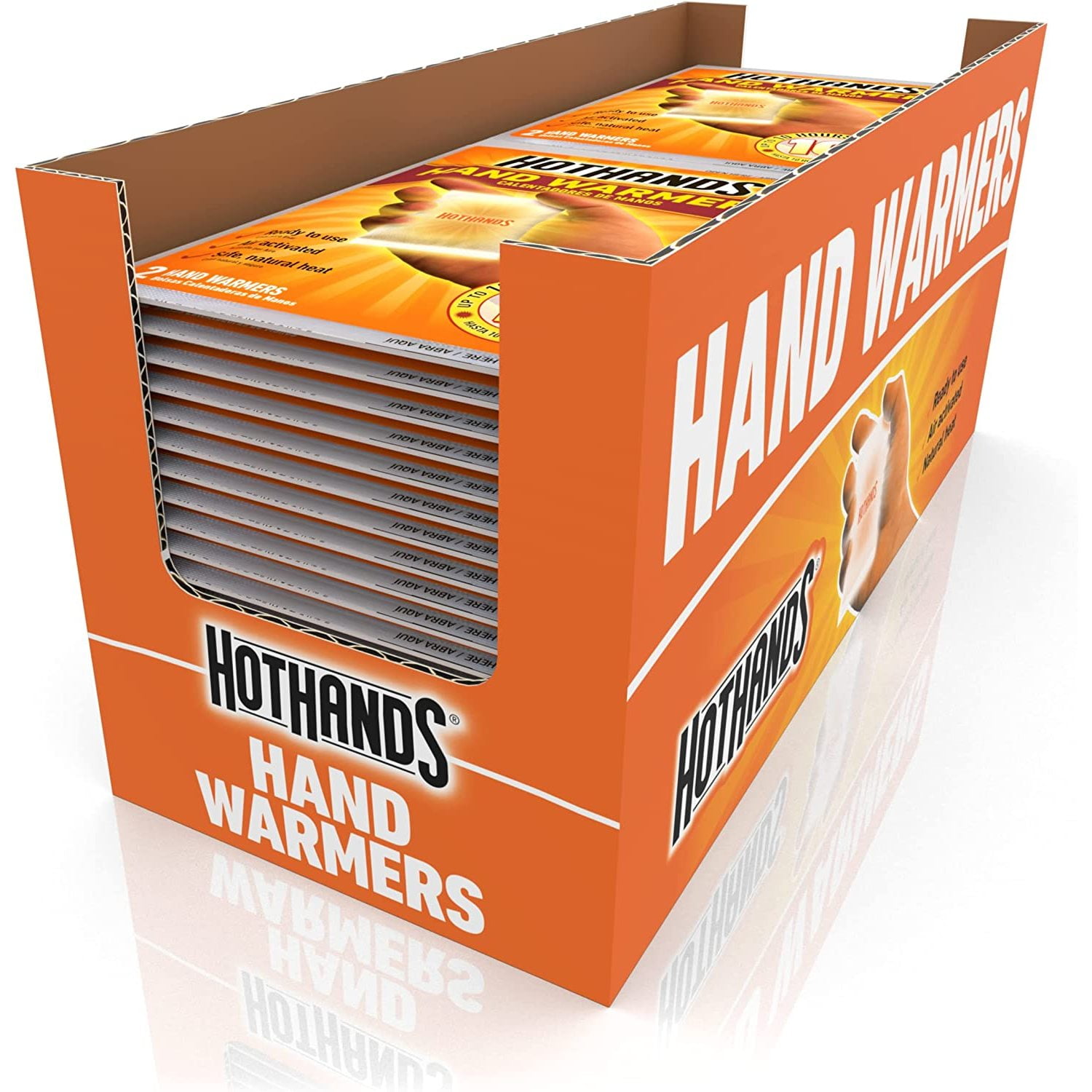
Yes, Hot Hands and similar air-activated hand warmers are highly toxic to dogs, primarily due to their high concentration of iron powder. If ingested, the iron can cause severe oxidative damage to the gastrointestinal tract, liver, and kidneys, potentially leading to multi-organ failure or death without immediate veterinary intervention.
While hand warmers are a staple for outdoor enthusiasts, hunters, and spectators during the winter months, they represent a significant "hidden" danger in many households. To a curious dog, the soft, squishy texture of a hand warmer packet may mimic a toy, but the chemical contents inside are far from harmless. Understanding why these products are dangerous, how to recognize the signs of poisoning, and what steps to take in an emergency is critical for every pet owner.
Understanding the Chemistry: What Is Inside a Hand Warmer?
To understand why Hot Hands are toxic, we must first look at how they generate heat. Most disposable hand warmers, including the HotHands brand, rely on an exothermic oxidation reaction. When the outer plastic packaging is removed, oxygen permeates the inner porous pouch, triggering a chemical reaction among the following ingredients:
- Iron Powder: This is the primary active ingredient and the most significant toxicological threat. Iron constitutes the majority of the packet's weight. When exposed to oxygen, it "rusts" rapidly, releasing heat.
- Activated Charcoal: This component acts as a reservoir for the moisture required for the reaction and helps distribute heat evenly.
- Salt (Sodium Chloride): Salt acts as a catalyst, accelerating the oxidation process so the packet reaches a functional temperature quickly.
- Vermiculite: A natural mineral that acts as an insulator, helping to retain the generated heat within the pouch.
- Water: Essential for the oxidation of the iron.
While ingredients like charcoal and vermiculite are generally considered inert or minimally toxic, the combination of concentrated iron and salt poses a dual threat. In small dogs, the salt content alone can contribute to electrolyte imbalances, but the iron is the element that consistently leads to life-threatening emergencies.
The Mechanism of Iron Toxicity in Canines
Iron is an essential mineral for dogs, playing a vital role in oxygen transport via hemoglobin. However, the body has no active mechanism for excreting excess iron. When a dog ingests a hand warmer, the iron is rapidly absorbed into the bloodstream once it reaches the stomach and small intestine.
Cellular Damage and Oxidative Stress
Excessive free iron in the blood acts as a potent pro-oxidant. It reacts with hydrogen peroxide in the body (the Fenton reaction) to produce hydroxyl radicals. These radicals attack cellular membranes, proteins, and DNA. This process, known as lipid peroxidation, destroys the structural integrity of cells, particularly those lining the gastrointestinal (GI) tract and the functional cells of the liver (hepatocytes).
Systemic Impact
Once the GI barrier is breached by corrosive damage, even more iron enters the systemic circulation. This leads to profound metabolic acidosis—a condition where the blood becomes too acidic—and cardiovascular collapse. The liver, which attempts to filter the blood, becomes overwhelmed and undergoes necrosis (cell death).
Clinical Stages of Iron Poisoning
Veterinary toxicologists generally divide iron toxicosis into four distinct stages. Recognizing these stages is vital because dogs often experience a "false recovery" period that can mislead owners into thinking the danger has passed.
Stage 1: Gastrointestinal Irritation (0–6 Hours Post-Ingestion)
The initial signs are usually related to the direct corrosive effect of the iron on the stomach lining.
- Vomiting (often containing blood or looking like coffee grounds).
- Diarrhea.
- Abdominal pain and lethargy.
- Increased heart rate.
Stage 2: The Latent Period (6–24 Hours Post-Ingestion)
This is the most dangerous phase for uninformed owners. The dog may appear to recover; the vomiting stops, and they may regain some energy. However, internally, the iron is being absorbed into the organs and causing cellular damage. Do not assume your dog is fine during this window.
Stage 3: Multi-Organ Failure (12–96 Hours Post-Ingestion)
This stage represents a systemic crisis. The damage to the liver and kidneys becomes apparent.
- Severe lethargy or coma.
- Jaundice (yellowing of the skin, eyes, or gums).
- Seizures.
- Coagulopathy (inability for the blood to clot).
- Cardiovascular collapse.
Stage 4: Gastrointestinal Obstruction (2–6 Weeks Post-Ingestion)
In dogs that survive the acute phases, the significant scarring caused by the initial corrosive damage can lead to strictures (narrowing) of the GI tract, resulting in chronic vomiting or bowel obstructions weeks later.
Risk Assessment: How Much Is Too Much?
The toxicity of iron is dose-dependent. In veterinary medicine, the "toxic dose" is calculated based on the amount of elemental iron ingested per kilogram of the dog's body weight.
| Ingested Iron Dose (mg/kg) | Potential Clinical Outcome |
|---|---|
| Less than 20 mg/kg | Mild GI upset; generally low risk of systemic toxicity. |
| 20 - 60 mg/kg | Moderate toxicity; potential for significant GI damage and early systemic signs. |
| Greater than 60 mg/kg | Severe toxicity; high risk of liver failure and death. |
| Greater than 100 mg/kg | Extremely high mortality rate without immediate chelation therapy. |
A standard HotHands hand warmer contains a significant amount of iron. While the exact "elemental iron" content varies by product size, a single large packet can contain enough iron to severely poison a medium-sized dog (30–40 lbs) and can be fatal for small breeds or puppies.
Are "Spent" Hand Warmers Toxic?
Many owners ask if a hand warmer that has already been used and cooled down is still dangerous. The answer is yes. While some of the iron has been converted to iron oxide (rust), the conversion is rarely 100% complete. There is almost always enough residual elemental iron to cause toxicity, especially in smaller pets. Additionally, the physical pouch itself remains a foreign body hazard that can cause a mechanical bowel obstruction.
Immediate Actions and First Aid
If you suspect or witness your dog eating a hand warmer, time is the most critical factor. According to the ASPCA Animal Poison Control Center, early intervention significantly improves the prognosis.
- Remove the Pouch: Immediately take any remaining pieces of the hand warmer away from the dog.
- Call Your Veterinarian or Poison Control: Contact your vet or a dedicated pet poison hotline (such as the Pet Poison Helpline at 855-764-7661) immediately. Be prepared to provide the brand name, the size of the packet, and an estimate of how much was consumed.
- Do Not Induce Vomiting Without Instruction: While removing the iron is the goal, the corrosive nature of the ingredients can sometimes cause more damage if brought back up through the esophagus. Only induce vomiting (emesis) if specifically directed by a veterinary professional.
- Check the Packaging: If you have the outer packaging, bring it with you to the clinic. It contains ingredient ratios that help the vet calculate the exact iron exposure.
Veterinary Diagnosis and Treatment Protocols
Upon arrival at a veterinary hospital, the medical team will prioritize stabilizing the dog and preventing further absorption of the iron.
Diagnostics
- Radiographs (X-rays): Iron is radiopaque, meaning it shows up clearly on X-rays. This allows vets to see exactly how many packets or pieces are in the stomach.
- Serum Iron Levels: Testing the concentration of iron in the blood.
- Total Iron-Binding Capacity (TIBC): This helps determine how much "free" iron is circulating.
- Blood Chemistry and CBC: To monitor liver enzymes, kidney function, and signs of internal bleeding.
Treatment
- Gastric Lavage: If emesis is contraindicated or unsuccessful, the vet may perform a "stomach pump" under sedation to flush out the iron particles.
- Intravenous (IV) Fluids: Crucial for maintaining blood pressure, correcting acidosis, and supporting kidney function.
- Chelation Therapy: This is the gold standard for severe iron poisoning. Vets use a drug called Deferoxamine, which binds to the iron in the bloodstream, forming a complex that the kidneys can safely excrete in the urine.
- Gastroprotectants: Medications like sucralfate and omeprazole are used to help heal the damaged stomach and intestinal lining.
Note: Activated charcoal, often used for other types of poisoning, is not effective for iron toxicosis because it does not bind to metals.
Prevention and Safer Alternatives
Preventing exposure is the only 100% effective way to manage the risk of Hot Hands toxicity. Because these items are often used in pockets and left in jackets, dogs frequently find them through "scavenging" behavior.
- Secure Storage: Store unused and used hand warmers in sealed containers or high cabinets.
- Laundry Safety: Always check the pockets of winter coats, hoodies, and tactical gear before tossing them on the floor or in a laundry basket accessible to your dog.
- Trash Management: Dispose of spent warmers in a trash can with a locking lid.
- Alternative Warmth: For dogs that need extra warmth during winter walks, consider pet-safe heated vests or high-quality insulated dog coats rather than placing human hand warmers inside their bedding or gear.
- Battery-Powered Warmers: Consider switching to rechargeable electronic hand warmers. While they present a battery ingestion risk (which is its own emergency), they do not contain the loose iron powder that makes Hot Hands so insidious.
Frequently Asked Questions
Can one Hot Hand kill a dog?
Yes, especially in small to medium-sized breeds. A single packet contains a concentrated dose of elemental iron that can exceed the 60 mg/kg threshold for severe toxicity in dogs weighing under 25–30 pounds.
What are the first signs of hand warmer poisoning?
The earliest signs are usually gastrointestinal, including vomiting (which may be bloody), diarrhea, and a noticeable loss of appetite or lethargy. These signs typically appear within 30 minutes to 6 hours of ingestion.
Is the iron in hand warmers different from the iron in vitamins?
The iron in hand warmers is "elemental iron," whereas vitamins usually contain iron salts (like ferrous sulfate). Both are toxic in high doses, but hand warmers often contain much higher total quantities of iron than a standard multivitamin, making them more dangerous per unit of consumption.
My dog ate a hand warmer but seems fine. Should I still go to the vet?
Yes. As discussed in the "Stage 2: Latent Period" section, dogs often appear to recover for 6 to 24 hours before crashing into severe organ failure. Waiting until the dog looks sick again can be fatal, as the window for effective chelation therapy may have closed.
Are there any "dog-safe" hand warmers?
There are no air-activated chemical hand warmers that are considered safe for ingestion. If you need a warming product for your dog, use specifically designed pet heating pads that are pressure-sensitive or microwaveable rice bags (ensuring they aren't too hot to cause burns), and always supervise their use.
Final Recommendation
If your dog has ingested a Hot Hands packet or any similar air-activated warmer, treat it as a medical emergency. Do not wait for symptoms to develop. Contact your local emergency veterinarian or a pet poison hotline immediately. The "false recovery" phase of iron poisoning is a dangerous trap; early decontamination and potential chelation therapy are the only ways to ensure your pet survives a significant iron exposure.