High-yield credit cards are worth it if your annual spending in specific categories generates rewards that significantly exceed the annual fee and the opportunity cost of simpler, no-fee cards. In 2026, these cards often provide 4% to 6% effective returns, making them powerful tools for disciplined spenders who pay balances in full and leverage integrated high-yield savings accounts.
Defining the High Yield Credit Card Landscape in 2026
The term "high yield" in the credit card industry has evolved. Historically, credit cards were viewed purely as payment tools or debt instruments. By 2026, the market has shifted toward "ecosystem banking," where credit cards act as the primary engine for a broader wealth-management strategy. A high-yield credit card is generally defined as a product that offers a return on spend significantly above the industry standard of 1% to 1.5%.
There are three primary variants of high-yield cards dominant in 2026:
- Category-Specific Powerhouse Cards: These offer 4% to 6% back on high-frequency expenses like groceries, streaming, or green energy utilities.
- Investment-Linked Cards: Rewards are automatically directed into brokerage accounts or cryptocurrencies, allowing the "yield" to compound over time.
- Deposit-Integrated Cards: These cards are tethered to high-yield savings accounts (HYSAs). The "yield" often comes in the form of a boosted interest rate on your savings balance, triggered by a specific monthly spend on the card.
Understanding which of these you are considering is the first step in determining worth. A card that yields 5% on travel is useless to a homebody, just as a card that boosts a savings account rate by 0.5% is only valuable if you maintain a significant cash reserve.
The Mechanics of High Yield Rewards: How the "Yield" is Calculated
To determine if a card is "worth it," you must understand where the money comes from. Credit card issuers primarily earn revenue through interchange fees (charged to merchants) and interest (charged to consumers). High-yield cards typically redistribute a larger portion of the interchange fee back to the consumer to encourage "top-of-wallet" behavior.
Cash Back vs. Points: Which Offers Better Absolute Yield?
In 2026, the debate between cash back and transferable points has matured. Cash back offers a guaranteed yield. If a card offers 5% back on gas, you receive exactly $0.05 for every dollar spent. This is a "hard yield."
Transferable points (often found on premium travel cards) offer a "variable yield." Depending on how you redeem those points—for example, transferring them to an international airline partner for a business-class seat—the value per point can exceed 2 or 3 cents. This can push the effective yield of a card above 10% for savvy travelers. However, this requires significant effort and "award flight" availability, which has become increasingly scarce in the mid-2020s.
The Role of Integration in 2026
Modern fintech platforms now offer "stacked yields." For instance, some cards in 2026 offer a base 2% cash back that is automatically deposited into an account earning 4.5% APY. This creates a dual-engine growth model where the reward itself begins earning interest the moment it is earned. When evaluating these cards, you must look at the "Total Economic Value" (TEV), which includes the rewards, the interest on those rewards, and any ancillary benefits like insurance or lounge access.
Assessing the Real Cost: Fees, Interest, and Opportunity Cost
The "yield" on a high-yield card is not profit until you subtract the costs of ownership. In 2026, the premium card market has seen a moderate increase in annual fees, reflecting the higher cost of providing luxury perks and elevated reward rates.
The Annual Fee Hurdle
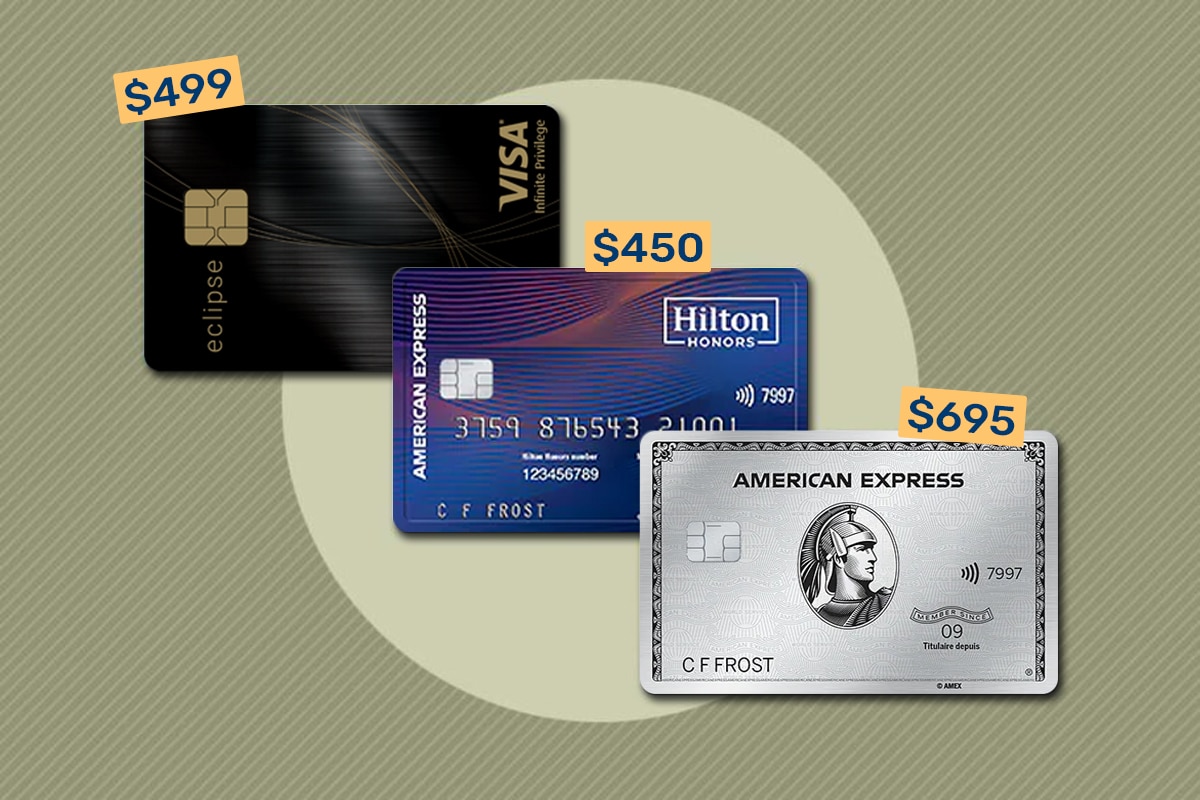
Many high-yield cards carry annual fees ranging from $95 to $695. To find the "Break-Even Point," use this formula: Annual Fee / (High Yield Rate - Base Rate of a Free Card) = Required Spend.
For example, if a card costs $250 and offers 6% on groceries, compared to a free card offering 2%, the "extra" yield is 4%. You would need to spend $6,250 annually on groceries ($520/month) just to cover the fee. Any spend below that means you are actually losing money compared to using a basic, no-fee 2% card.
The APR Trap
The most significant threat to the "worth" of a high-yield card is the Annual Percentage Rate (APR). By 2026, average credit card APRs have remained elevated. If you carry a balance even for one month, the interest charges (often 20% to 29%) will instantly wipe out an entire year’s worth of 5% yield. High-yield cards are only worth it for "transactors"—those who pay their statement balance in full every month. For "revolvers" (those who carry a balance), a low-interest card is always a better financial choice than a high-yield card.
Opportunity Cost of Simplicity
There is a cognitive cost to managing high-yield cards. Many require "activating" categories every quarter or monitoring spending caps (e.g., 5% back on the first $1,500 spent). If you spend four hours a month managing your cards to earn an extra $40, you are effectively working for $10 an hour. For many high-earning professionals, a flat-rate 2% or 2.5% card is "worth more" because it saves time and reduces the risk of missing a category activation.
Comparison Table: Top High-Yield Card Profiles in 2026
The following table outlines the typical performance metrics for the dominant high-yield card categories available in 2026.
| Card Category | Typical Yield Rate | Common Annual Fee | Best For | Key Limitation |
|---|---|---|---|---|
| Grocery/Dining Powerhouse | 4% - 6% | $95 - $250 | Families & Foodies | Annual spending caps often apply |
| Premium Travel | 5x - 10x Points | $550 - $695 | Frequent Flyers | High fee; rewards require effort to maximize |
| Investment-Linked | 2% - 3% | $0 - $100 | Long-term Savers | Requires brokerage account with specific firm |
| Rotating 5% Cards | 5% | $0 | Optimization Enthusiasts | Requires manual activation; capped rewards |
| Ecosystem/HYSA Boost | +0.5% to +1.0% APY | $0 - $95 | Large Cash Savers | Benefit depends on your total savings balance |
When a High Yield Card is Definitely Worth It
A high-yield card becomes a mathematically superior choice under specific conditions. If you fall into these categories, the "yield" is essentially free money left on the table if you use a standard card.
- High-Volume Spending in Narrow Categories: If your lifestyle dictates heavy spending in one area (e.g., a commuter spending $800/month on gas and tolls), a card yielding 5% in that category provides a clear advantage. In this scenario, the $480 annual yield far outstrips the rewards of a generic 1.5% card ($144).
- Using "Credits" to Offset Fees: Many 2026 high-yield cards offer "lifestyle credits" (e.g., $10/month for Uber, $200 airline fee credit). If you already use these services, these credits effectively reduce the annual fee to zero or even a negative amount. In this case, the high yield is "pure" profit.
- Large Savings Balances: If you use a card that boosts your HYSA rate, the math changes. A 0.5% boost on a $100,000 savings balance is worth $500 a year. Even if the card itself has mediocre rewards, the "yield" on the savings side makes it highly valuable.
- Business Expenses: For small business owners, high-yield business cards (often 3-5% on office supplies or digital advertising) are almost always worth it due to the high volume of deductible business spending.
Red Flags: When the "Yield" is a Mirage
Not all high-yield cards are created equal. The 2026 market includes several "trap" products that appear lucrative but are designed to profit from consumer psychology.
- Devaluation-Prone Points: If a card earns "proprietary points" that cannot be transferred to airlines or hotels, the issuer can change the "yield" at any time by increasing the cost of items in their rewards portal.
- The "Spending Nudge": Behavioral economics shows that people tend to spend more when they know they are earning 5% back. If the promise of high yield causes you to buy a $100 item you didn't need just to get $5 back, you have lost $95.
- Complex Redemption Rules: Some cards only allow you to redeem rewards once you reach a high threshold (e.g., $50 or $100) or only for specific "statement credits" that don't cover your most common expenses.
- Hidden Foreign Transaction Fees: A card might offer 4% yield, but if it charges a 3% foreign transaction fee and you travel frequently, your effective yield drops to a measly 1%.
How to Maximize Your Effective Yield
If you decide a high-yield card is worth it, you should implement a strategy to ensure you are capturing every basis point of value.
Automated Optimization
In 2026, many consumers use AI-driven wallet aggregators. These apps link to your cards and use geolocation or merchant data to tell you exactly which card to use at a specific cash register. This eliminates the "mental load" of remembering categories and ensures you are always hitting the maximum yield.
The "Double Dip" Strategy
Combine your high-yield card with third-party rewards programs. For example, use a 5% grocery card at a store where you also have a loyalty membership, and then scan the receipt into a rewards app. By 2026, these "triple stack" opportunities can push the total value recovered from a single transaction toward 8% or 10%.
Periodic Audit
The credit card market is highly competitive. Every 12 months, you should audit your cards. Issuers frequently "nerf" (reduce) reward rates or increase fees. If a card's "Net Yield" (Rewards minus Fees) has fallen below a newer competitor's, it is time to switch. According to the Consumer Financial Protection Bureau, transparency in fee structures is a right, so always review your "Schumer Box" (the standardized disclosure table) for updates.
Alternatives to High-Yield Credit Cards
If the complexity or the risk of high-yield cards is unappealing, consider these 2026 alternatives:
- High-Yield Savings Accounts (HYSA): As of 2026, many HYSAs offer competitive rates without the need to spend money to "earn." You can find current rate trends at the Federal Reserve Bank of St. Louis.
- Certificate of Deposits (CDs): For money you don't need immediate access to, a CD might offer a higher "yield" than any credit card reward program can match through spending.
- Cash-Back Debit Cards: While rare, some fintech banks offer 1% cash back on debit transactions. The yield is lower, but there is zero risk of debt or interest.
FAQs
Are credit card rewards taxable in 2026?
Generally, no. The IRS typically views credit card rewards and cash back as a "rebate" on a purchase rather than income. However, there is an exception: if you receive a "sign-up bonus" for opening an account without a spending requirement, or if the "yield" comes from interest earned in a linked savings account, that portion is considered taxable income and you will receive a 1099-INT form.
Do high-yield cards hurt your credit score?
They can, but not because they are "high yield." These cards often have higher credit limit requirements. Applying for one results in a "hard inquiry," which may temporarily dip your score by a few points. However, the higher credit limit can improve your "credit utilization ratio," which is a significant positive factor in your Experian or FICO score calculation.
Is the "yield" higher on travel or cash back?
In 2026, travel points often have a higher potential yield (2.0+ cents per point), but cash back has a higher guaranteed yield. For the average person who does not want to spend hours researching "sweet spots" in airline loyalty programs, cash back is usually the more reliable "worth it" choice.
Can I have multiple high-yield cards?
Yes, a strategy called "card churning" or "multi-card stacking" involves using different cards for different categories (e.g., Card A for 6% on groceries, Card B for 5% on travel). This maximizes yield but requires a high degree of organization and increases the risk of missing a payment.
What happens to my "yield" if I return an item?
When you return an item, the issuer deducts the rewards earned from that transaction from your balance. If you have already redeemed those rewards, your rewards balance may go into the negative.
Final Recommendation
High-yield credit cards are worth it for the financially disciplined consumer whose spending patterns align with the card's specific "boosted" categories. To make these cards work, you must be a "transactor" who pays off the full balance monthly to avoid high APRs. In 2026, the best value is found in cards that integrate directly with your broader financial life—automatically investing your rewards or boosting your savings rates. If you prefer simplicity and want to avoid the "mental tax" of tracking categories and fees, a high-quality, no-fee 2% cash-back card remains the gold standard for reliable, low-effort value.