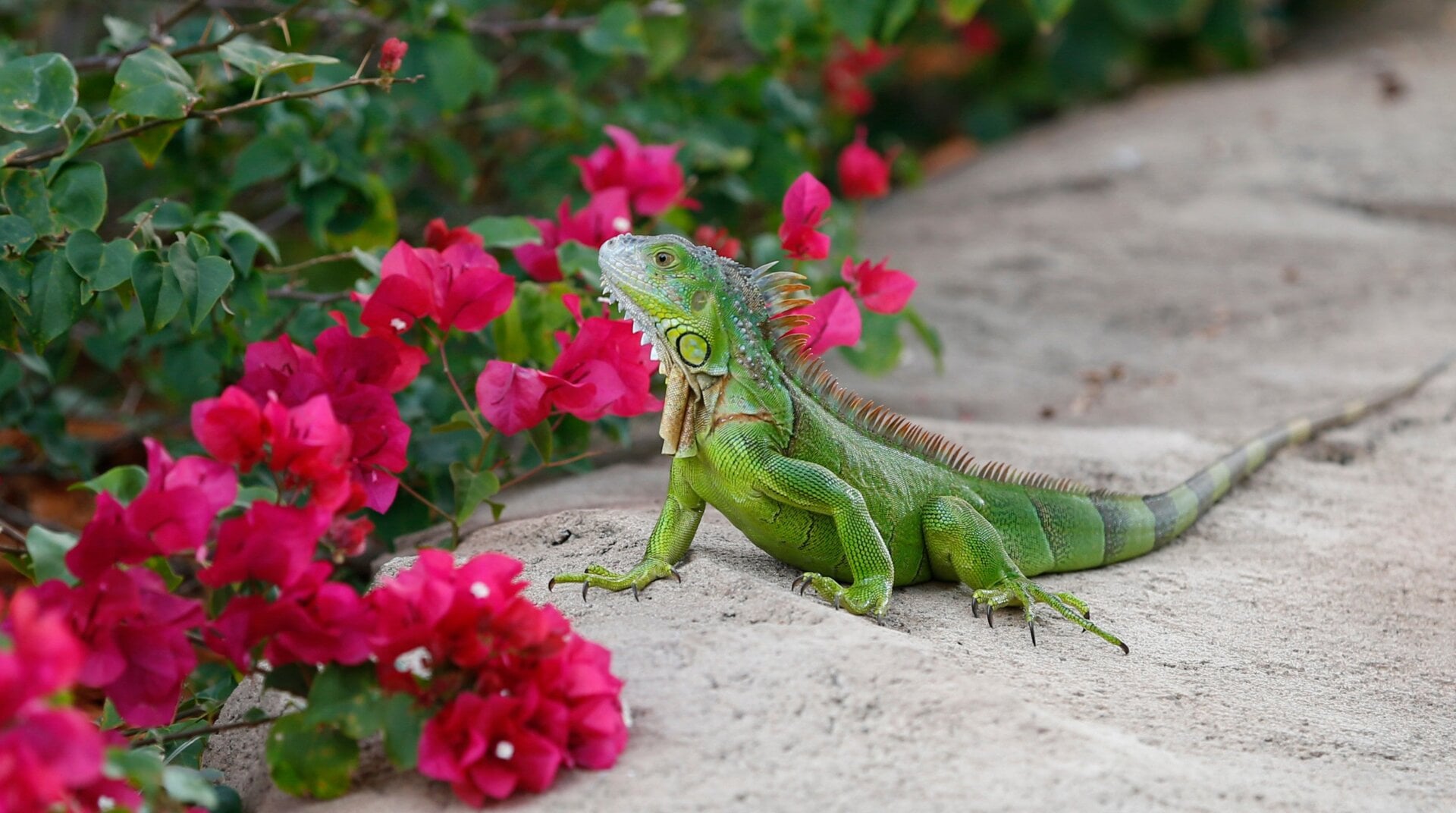
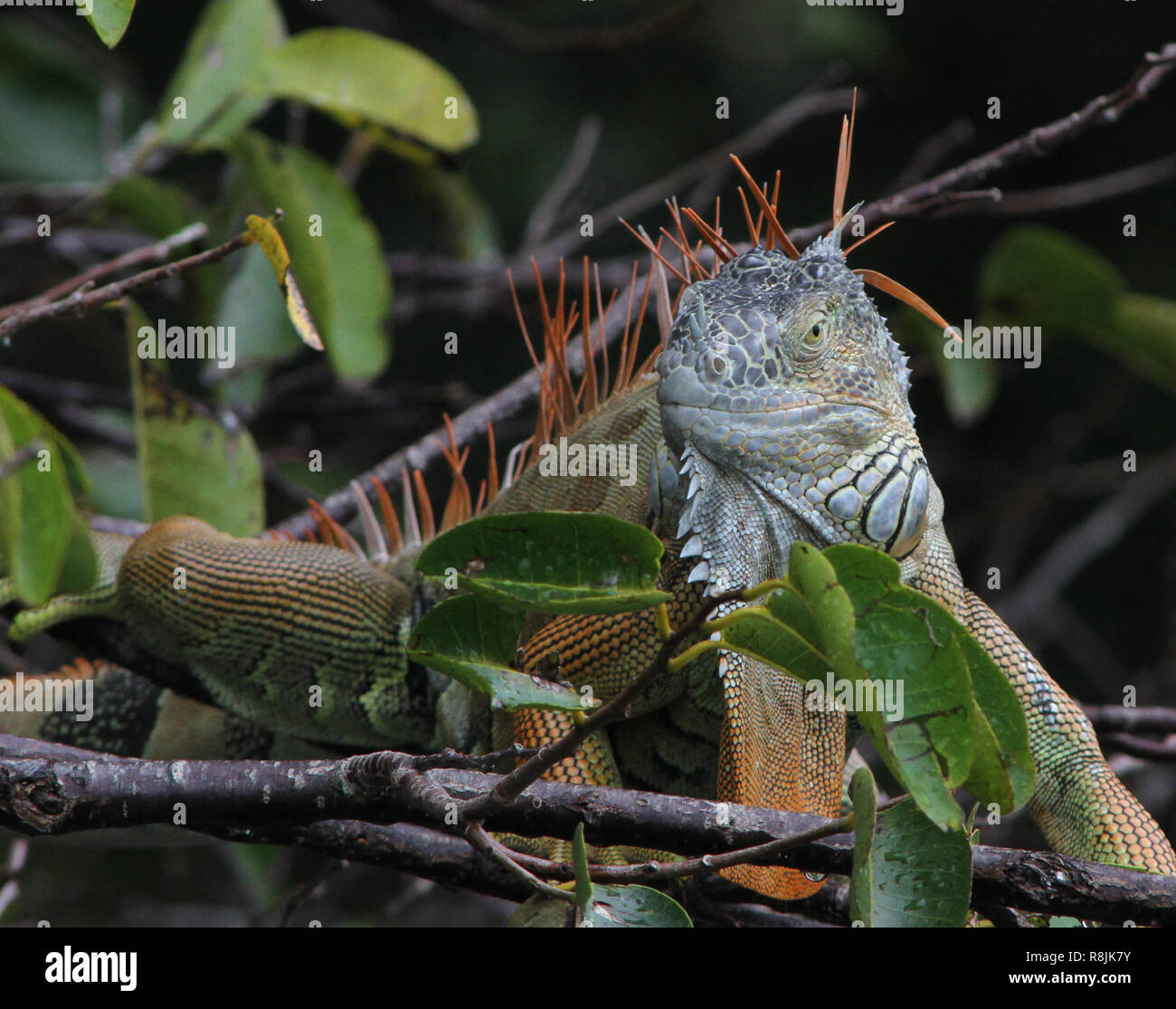
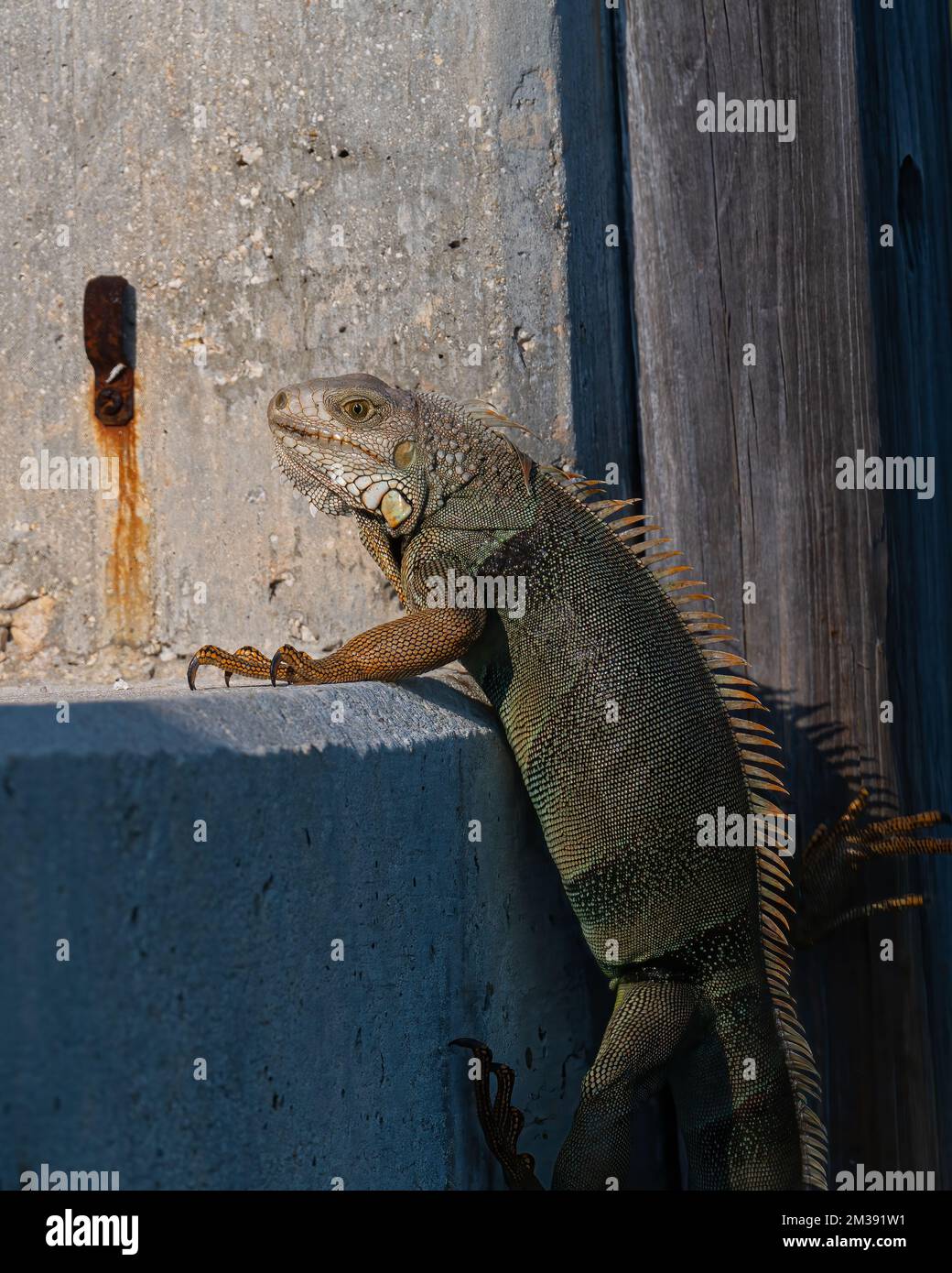
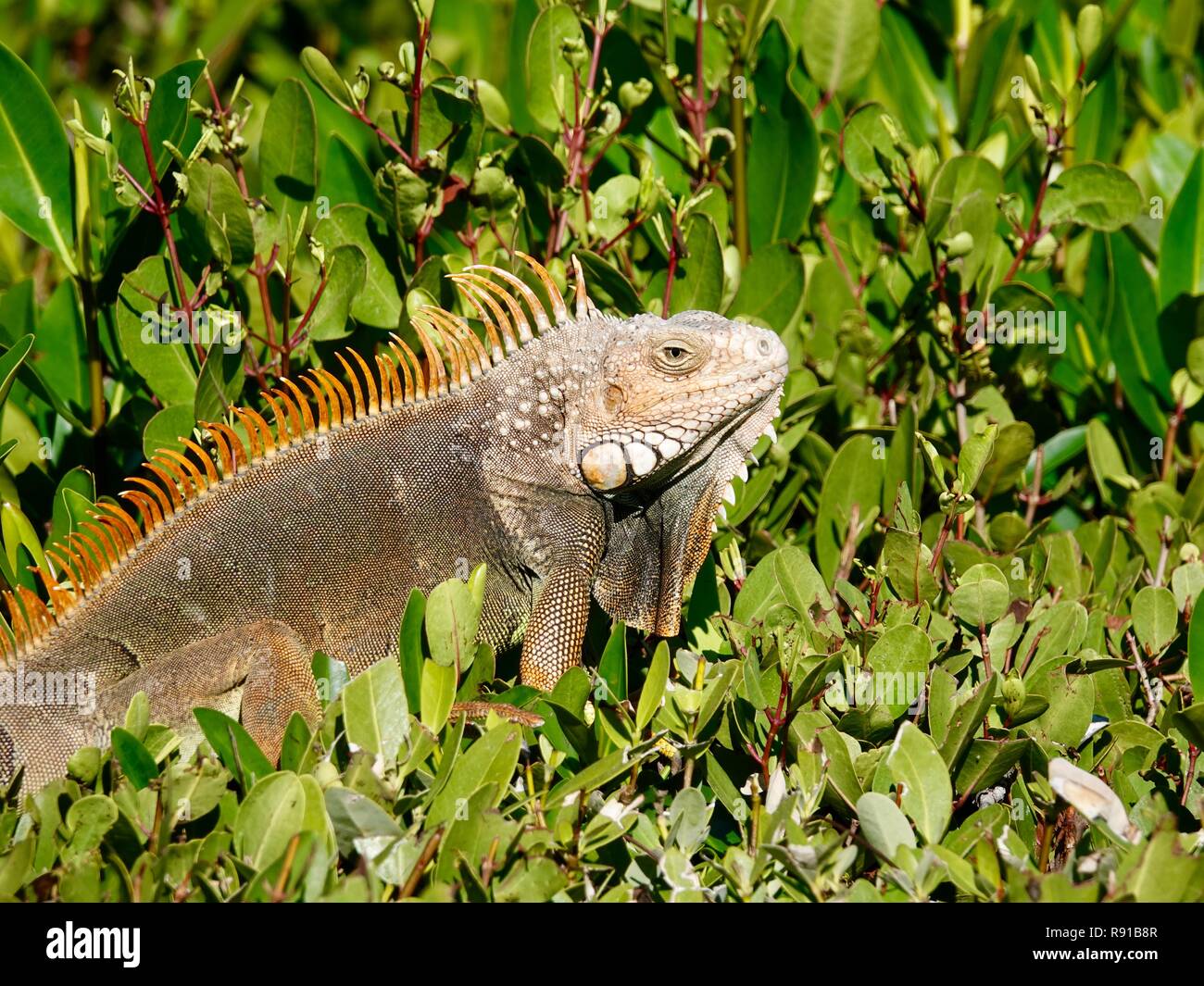
Green iguanas (Iguana iguana) are a highly invasive species in Florida, significantly impacting the state’s infrastructure, native ecosystems, and public health. Originally from Central and South America, they have established self-sustaining populations across South and Central Florida. State authorities now classify them as prohibited species due to their destructive nature and rapid proliferation.
As of 2026, the green iguana remains one of the most visible and problematic invasive reptiles in the Sunshine State. While their vibrant colors and prehistoric appearance once made them popular in the exotic pet trade, their presence in the wild has become a costly burden for homeowners, municipalities, and environmental agencies. Understanding why these lizards are classified as invasive requires looking at their biological advantages, the specific damages they cause, and the rigorous legal framework Florida has implemented to manage their numbers.
The Status of Green Iguanas in Florida in 2026
The green iguana is not native to Florida. In their natural range, which extends from southern Mexico to central Brazil and various Caribbean islands, their populations are balanced by natural predators and seasonal cycles. However, in Florida’s subtropical climate—specifically from the Florida Keys up through the Treasure Coast and increasingly into the I-4 corridor—they have found a second home with few natural checks.
By 2026, the expansion of green iguanas has reached a critical mass. While they were historically confined to the southernmost counties like Miami-Dade, Broward, and Monroe, sightings are now common as far north as Orlando and even parts of the Nature Coast. This northern migration is largely attributed to a decade of relatively mild winters. Iguanas are cold-blooded; temperatures below 40 degrees Fahrenheit typically cause them to become lethargic or "fall from trees," a phenomenon often reported in the news. However, the lack of sustained deep freezes has allowed northern populations to survive and reproduce.
Florida’s infrastructure provides an unintentional sanctuary for these reptiles. The state’s vast network of canals serves as a "highway system" for iguanas, which are excellent swimmers. They use these waterways to move between residential areas, golf courses, and natural preserves, making total eradication nearly impossible.
Historical Context: How Did They Get Here?
The presence of green iguanas in Florida is a direct consequence of the pet trade. The first documented wild sightings occurred in the 1960s in Hialeah, Miami-Dade County. Throughout the 1970s and 1980s, the popularity of iguanas as inexpensive, "cool" pets led to a surge in imports.
Many of these animals entered the wild through two primary routes:
- Intentional Release: Owners often purchased juvenile iguanas when they were only a few inches long. Within a few years, these lizards can grow to five or six feet in length and become aggressive or difficult to manage, leading frustrated owners to release them into nearby canals or parks.
- Accidental Escapes: Hurricanes and tropical storms, common in Florida, frequently destroy outdoor enclosures, allowing captive iguanas to escape into the wild.
Once in the wild, the iguanas found an environment rich in ornamental hibiscus, fruit trees, and heat-absorbing concrete—the perfect conditions for a population explosion.
Why They Are Classified as Invasive
The term "invasive" is a specific ecological designation. A species is not invasive simply because it is non-native; it must also cause harm to the environment, the economy, or human health. Green iguanas meet all three criteria in Florida.
Ecological Impacts on Native Flora and Fauna
Green iguanas are primarily herbivores, but their appetite is voracious. They consume a wide variety of vegetation, often targeting the same plants that native wildlife depends on. They are particularly fond of the nickerbean, which is the host plant for the endangered Miami Blue butterfly. By consuming these plants, iguanas directly contribute to the decline of native insect populations.
While mostly vegetarian, larger iguanas have been observed consuming the eggs of ground-nesting birds and native tree snails. This opportunistic feeding behavior puts additional pressure on Florida’s already stressed native biodiversity. Furthermore, they compete with native lizards, such as the green anole, for basking spots and territory.
Infrastructure Damage and Economic Costs
The most significant economic impact of green iguanas stems from their burrowing behavior. Female iguanas dig deep, complex burrows to lay their eggs, often containing up to 70 eggs per clutch. These burrows are frequently located under:
- Seawalls: Constant burrowing weakens the soil structure behind seawalls, leading to collapses that cost homeowners and marinas tens of thousands of dollars to repair.
- Sidewalks and Roads: Voids created by iguana tunnels cause pavement to crack and sink, creating trip hazards and structural instability.
- Canal Banks: The erosion caused by these burrows compromises the integrity of Florida’s water management systems, which are vital for flood control.
In addition to burrowing, their feces are a major nuisance. Iguanas often defecate in swimming pools, on docks, and across outdoor furniture. This is not just an aesthetic issue; it presents a genuine health risk.
Public Health and Safety Concerns
Green iguanas carry Salmonella bacteria in their digestive tracts. The bacteria are shed in their droppings, which can contaminate pool water, surfaces, and soil. If humans or pets come into contact with these surfaces and do not follow strict hygiene protocols, they can contract salmonellosis, leading to severe gastrointestinal illness.
Furthermore, while iguanas are generally not aggressive toward humans unless cornered, they are powerful animals. An adult green iguana can reach 17 pounds and possesses sharp teeth, jagged dorsal spines, and a whip-like tail that can deliver a painful strike. Property owners attempting to remove them without proper equipment often sustain bites or scratches that are prone to infection due to the bacteria the lizards carry.
Identifying the Green Iguana
In Florida, several large lizards are often confused with the green iguana. Accurate identification is essential before any removal or control efforts are undertaken.
| Feature | Green Iguana (Iguana iguana) | Black Spiny-tailed Iguana (Cachryx spp.) | Native Green Anole (Anolis carolinensis) |
|---|---|---|---|
| Size | Up to 5–6 feet | Up to 3–4 feet | Up to 5–8 inches |
| Color | Bright green to dull grey/orange | Grey, black, or tan with dark bars | Bright green or brown |
| Tail | Long, banded with black rings | Covered in whorls of sharp spines | Slender, no spines |
| Distinguishing Mark | Large circular scale (subtympanic plate) on the cheek | Lack the large cheek scale | Pink or red "dewlap" (throat fan) |
| Diet | Primarily plants/flowers | Omnivorous (plants and small animals) | Primarily insects |
Current Legal Status and Regulations
The Florida Fish and Wildlife Conservation Commission (FWC) has taken aggressive steps to manage the iguana population. As of 2021, and continuing through 2026, the green iguana is listed under Chapter 68-5, Florida Administrative Code, as a Prohibited Species.
Restrictions on Ownership
It is illegal to buy, sell, or trade green iguanas in Florida. While individuals who owned iguanas as pets prior to the rule change were allowed to keep them under a "grandfathered" permit system, new pet ownership is strictly prohibited. These permitted pets must be microchipped and kept in secure enclosures that prevent escape.
Removal and Euthanasia Laws
The FWC encourages the removal of green iguanas from private property.
- No Permit Required: Homeowners do not need a permit to humanely kill iguanas on their own property.
- Public Lands: The FWC has designated several public land areas where iguanas can be removed without a permit or hunting license.
- Anti-Cruelty Laws: Even though they are invasive, iguanas are protected by Florida’s anti-cruelty statutes. Any person attempting to kill an iguana must do so humanely. This typically means a method that results in immediate loss of consciousness and death, such as a captive bolt or a forceful strike to the head. Drowning, poisoning, or "freezing" (placing a live iguana in a standard freezer) are considered inhumane and are illegal.
More information on these regulations can be found on the official FWC invasive species page.
Management and Removal Strategies for Homeowners
Because iguanas are so well-established, many Florida residents have had to adapt their landscaping and home maintenance to deter these pests.
Habitat Modification
Iguanas are attracted to specific environments. To make a property less inviting:
- Remove Attractants: Avoid planting hibiscus, orchids, roses, and fruit trees like mango or papaya. Instead, opt for "iguana-resistant" plants like oleander, milkweed, and citrus.
- Fill Burrows: If you find a burrow, wait until the iguana has left, then fill it with rocks and dirt. Capping the entrance with heavy gravel or wire mesh can prevent re-entry.
- Tree Guards: Wrap the trunks of trees with smooth metal flashing (about 6–12 inches wide) at least 18 inches off the ground. Iguanas cannot grip the smooth surface to climb into the canopy.
Humane Trapping and Professional Services
For many, the size and speed of an adult iguana make DIY removal difficult. In 2026, a robust industry of professional iguana trappers exists in South Florida. These professionals use specialized traps, snares, and air rifles to remove iguanas safely and humanely.
Trapping is effective but requires persistence. Since iguanas are highly mobile, a yard cleared one day may be inhabited by new arrivals from a neighboring canal the next. Community-wide efforts are generally more successful than individual actions.
Future Outlook for Florida's Iguana Population
As we look toward the remainder of the 2020s, the battle against green iguanas is shifting from eradication to long-term management. The FWC and local governments have recognized that these lizards are likely a permanent fixture of the Florida landscape. Research is currently focused on more efficient trapping methods and potential biological controls, though the latter remains controversial due to the risk of impacting native species.
Climate change continues to be the "wild card." If Florida continues to experience warmer winters, the green iguana's range will likely continue to creep northward, potentially reaching as far as the Florida-Georgia line by the mid-2030s.
Frequently Asked Questions
Can I eat green iguanas found in Florida?
Yes, green iguanas are edible and are often referred to as "chicken of the trees" in their native range. However, caution is advised. Wild iguanas in Florida may have been exposed to pesticides, herbicides, or heavy metals in urban environments. If you choose to consume them, they must be cleaned and cooked thoroughly to avoid Salmonella.
Are green iguanas dangerous to my dogs or cats?
Generally, iguanas will try to flee from pets. However, if a dog corners an iguana, the lizard can defend itself with its tail or teeth. The primary danger to pets is the risk of Salmonella if they lick or eat iguana droppings or the lizards themselves. Always monitor pets in yards where iguanas are present.
Can I catch a wild iguana and keep it as a pet?
No. Under current FWC regulations, it is illegal to possess a wild-caught green iguana as a pet. Any iguana captured must be either humanely euthanized on-site or disposed of by a permitted professional.
Why doesn't the state just use poison to get rid of them?
Florida does not permit the use of poisons for iguana control. Poisons are non-discriminatory; an iguana that consumes poison could be eaten by a native bird of prey (like an osprey or hawk) or a family pet, leading to secondary poisoning. Additionally, there are no toxicants currently registered with the EPA specifically for use on iguanas.
Do green iguanas bite?
Iguanas have very sharp teeth and strong jaws. While they do not hunt humans or pets, they will bite if they feel threatened or are being handled. Their bites can cause deep lacerations and often require medical attention due to the high risk of infection.
Practical Recommendation
If you are dealing with a green iguana infestation on your property, your first step should be habitat modification. Removing their food sources and basking spots is the most sustainable way to reduce their presence. If the population is unmanageable, contact a licensed nuisance wildlife trapper. For those choosing to handle removal themselves, ensure you are familiar with the FWC’s humane killing guidelines to remain in compliance with state law.