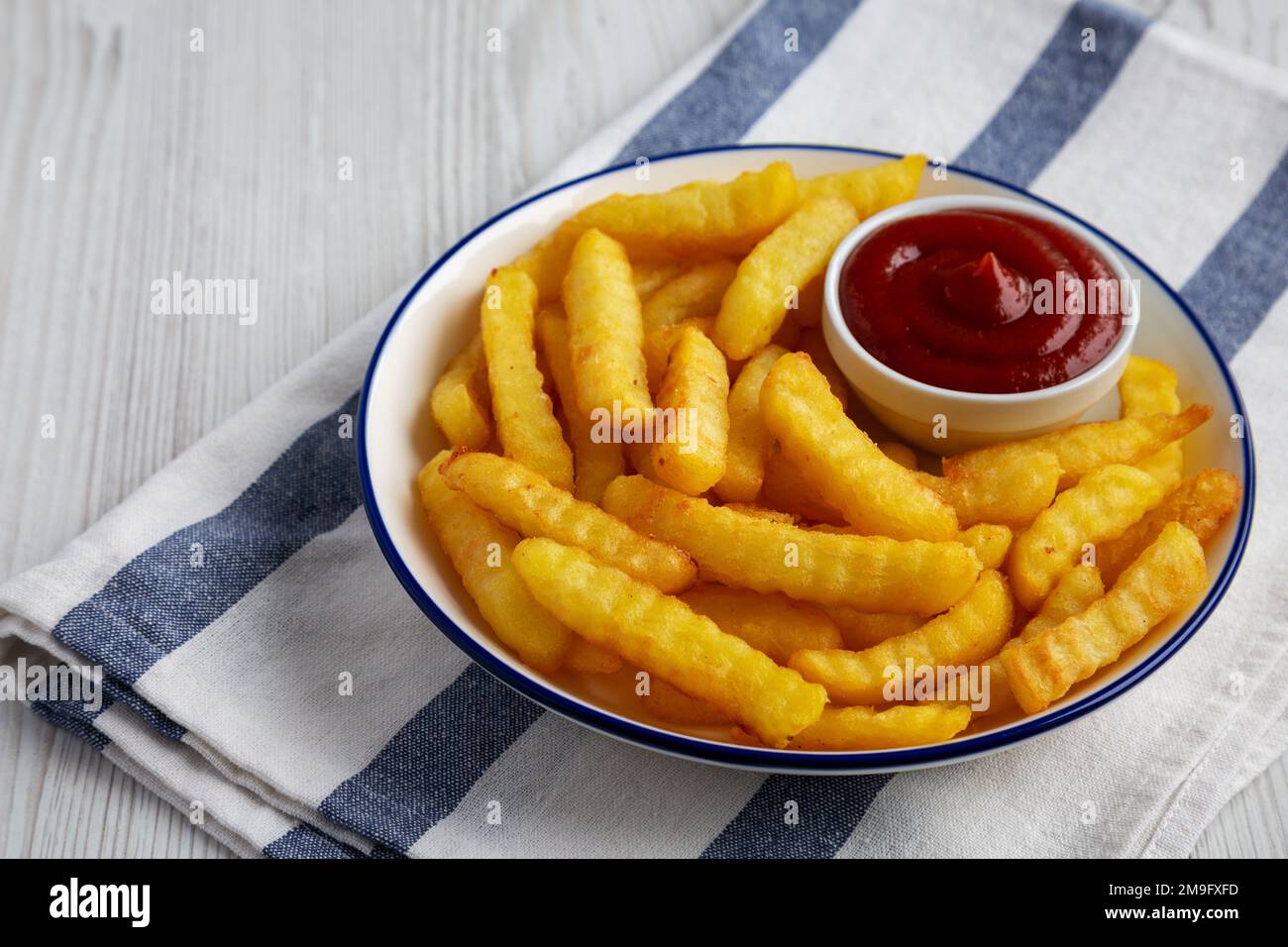
Homemade french fries are not inherently unhealthy; their nutritional value depends primarily on your preparation method and ingredient choices. While traditional deep-frying adds significant calories and oxidized fats, alternative methods like air-frying or oven-baking preserve the potato's fiber and essential vitamins while minimizing harmful compounds like acrylamide, making them a viable component of a balanced diet.
For decades, the french fry has been the poster child for nutritional "villainy," largely due to its association with fast-food chains and highly processed vegetable oils. However, as we navigate 2026, the distinction between a commercially processed fry and a carefully crafted homemade version has never been more significant. To understand if homemade french fries are unhealthy, we must dissect the potato itself, the chemistry of cooking oils, and the physiological impact of different preparation techniques.
The Nutritional Foundation: Understanding the Potato
Before a potato is sliced and subjected to heat, it is a nutrient-dense root vegetable. Often maligned for its carbohydrate content, the potato (specifically the Solanum tuberosum) offers a complex array of micronutrients that are frequently overlooked.
Essential Micronutrients and Fiber
A medium-sized potato contains approximately 160 calories, 4 grams of protein, and 0 grams of fat. It is an excellent source of Vitamin C, which supports immune function and collagen synthesis, and Vitamin B6, which is crucial for brain health and metabolism. Perhaps most notably, potatoes are richer in potassium than bananas. Potassium is an essential electrolyte that helps regulate fluid balance, nerve signals, and muscle contractions.
The fiber content is primarily found in the skin. When making homemade fries, leaving the skin on provides significant amounts of insoluble fiber, which aids digestion and promotes satiety. By removing the skin, as most commercial manufacturers do, you strip away a large portion of the vegetable's nutritional value.
Resistance Starch and Glycemic Impact
The way a potato is prepared affects its glycemic index (GI). High-GI foods cause rapid spikes in blood sugar, which can be problematic for metabolic health. However, homemade fries offer an opportunity to manipulate this. When potatoes are cooked and then cooled (a common step in achieving a crispy fry), they develop resistant starch. This type of starch acts more like fiber, feeding beneficial gut bacteria and improving insulin sensitivity.
The Impact of Cooking Methods on Health
The primary reason french fries are labeled "unhealthy" isn't the potato; it is the cooking medium. The transition from a raw tuber to a crispy fry involves high heat, which alters the chemical structure of the food.
Deep Frying: The Traditional Health Risk
Deep frying involves submerging potatoes in oil at temperatures ranging from 325°F to 375°F (163°C to 190°C). During this process, the moisture inside the potato evaporates and is replaced by the cooking oil. This significantly increases the calorie density. A plain baked potato has negligible fat, but a deep-fried portion of the same weight can contain 15 to 20 grams of fat.
In a home setting, deep frying is often "healthier" than in restaurants because home cooks are less likely to reuse oil repeatedly. In commercial settings, oil is often heated for days, leading to the formation of polar compounds and trans fats, which are linked to inflammation and cardiovascular disease.
Air Frying: The Modern Compromise
As of 2026, air frying has become the standard for health-conscious home cooks. Air fryers use convection to circulate hot air and a very small amount of oil around the potato. This method reduces the fat content by up to 75% to 80% compared to traditional deep frying. Because the potato is not submerged, the caloric increase is minimal, yet the Maillard reaction (the chemical reaction that creates the brown crust) still occurs, providing the desired flavor and texture.
Oven Baking: Maximizing Nutrient Retention
Oven baking is perhaps the most nutritionally sound method for making fries at home. By tossing sliced potatoes in a heart-healthy oil and roasting them at high temperatures, you control the exact amount of fat used. This method typically results in the lowest calorie count and allows for the inclusion of various spices that offer additional health benefits, such as turmeric or paprika.
The Role of Cooking Oils and Fat Quality
If you choose to use oil—whether for deep frying, air frying, or baking—the type of oil you select determines the health profile of the final product. Not all oils are created equal, especially when subjected to heat.
Smoke Point and Stability
The "smoke point" is the temperature at which an oil begins to break down and release harmful free radicals and acrolein. For homemade fries, using an oil with a high smoke point is non-negotiable.
- Avocado Oil: With a smoke point of approximately 520°F (271°C), it is one of the safest and healthiest choices for high-heat cooking. It is rich in monounsaturated fats, which are heart-healthy.
- Extra Virgin Olive Oil (EVOO): While once thought unsuitable for frying, recent studies show that high-quality EVOO is remarkably stable due to its antioxidant content. However, its lower smoke point (around 375°F) requires careful temperature monitoring.
- Refined Seed Oils: Oils like canola, soybean, or corn oil are often used because they are cheap and have high smoke points. However, they are high in Omega-6 fatty acids, which can be pro-inflammatory if consumed in excess without a balance of Omega-3s.
The Problem with Reused Oil
One of the greatest advantages of making fries at home is the ability to use fresh oil. Each time oil is reheated, its molecular structure degrades. This process, known as thermal oxidation, creates toxic byproducts that can damage DNA and promote arterial plaque. By using fresh, high-quality oil for every batch, you eliminate one of the primary health risks associated with restaurant fries.
Chemical Hazards: Acrylamide and How to Avoid It
A significant concern with any high-heat potato preparation is the formation of acrylamide. Acrylamide is a chemical that naturally forms in starchy foods during high-temperature cooking (frying, roasting, or baking). The International Agency for Research on Cancer (IARC) classifies acrylamide as a "probable human carcinogen."
How to Minimize Acrylamide in Homemade Fries
Fortunately, the home cook has several strategies to drastically reduce acrylamide levels:
- Soaking: Soaking raw potato slices in water for 30 to 60 minutes before cooking removes excess surface sugars (asparagine), which are the precursors to acrylamide formation.
- Color Control: Cook fries to a light golden yellow rather than a dark brown. The darker the fry, the higher the acrylamide concentration.
- Storage: Never store raw potatoes in the refrigerator. Cold temperatures convert potato starch into sugar, which leads to higher acrylamide levels during cooking. Store them in a cool, dark pantry.
- Blanching: Briefly boiling the potatoes before frying or baking not only improves texture but also leaches out the sugars that contribute to acrylamide.
Comparing Homemade vs. Commercial French Fries
To truly assess if homemade fries are unhealthy, we must look at the data. The following table compares 100 grams of potatoes prepared in different ways based on standard nutritional data available in 2026.
| Preparation Method | Calories (approx.) | Total Fat (g) | Saturated Fat (g) | Sodium (mg) | Acrylamide Risk |
|---|---|---|---|---|---|
| Raw Potato | 77 | 0.1 | 0 | 6 | Low |
| Fast Food Fry | 312 | 15.0 | 2.5 | 210 | High |
| Homemade Deep Fried | 250 | 12.0 | 1.5 | 100 (Adjustable) | Medium |
| Homemade Air Fried | 130 | 3.0 | 0.4 | 100 (Adjustable) | Low-Medium |
| Homemade Oven Baked | 120 | 2.5 | 0.3 | 100 (Adjustable) | Low |
Note: Data assumes 100g portions. Sodium levels in homemade versions are entirely dependent on the cook.
The Sodium and Additive Factor
Beyond fats and chemicals, commercial french fries are often loaded with sodium and additives designed to preserve color and texture. Sodium excess is a primary driver of hypertension and kidney stress.
In a home kitchen, you have total control over the seasoning. You can use high-quality sea salt or potassium-enriched salt substitutes. Furthermore, you avoid additives like dimethylpolysiloxane (an anti-foaming agent) and sodium acid pyrophosphate (used to maintain color), both of which are common in frozen and fast-food fries.
Practical Steps for the Healthiest Homemade Fries
If you want to enjoy french fries without compromising your health goals in 2026, follow this optimized protocol:
- Choose the Right Potato: Use Russet potatoes for the classic "fluffy" interior or Yukon Gold for a more buttery flavor with less need for added fats.
- Keep the Skins: Scrub the potatoes thoroughly but leave the skins on to maximize fiber and mineral intake.
- The Soak and Dry: Soak the cut fries in cold water for at least 30 minutes. Most importantly, pat them completely dry with a clean towel before cooking. Any remaining moisture will cause steaming rather than crisping, leading to soggy fries that absorb more oil.
- Use Quality Fats: Use a small amount of avocado oil or extra virgin olive oil. A spray bottle is an excellent tool for ensuring an even, thin coat of oil without overdoing it.
- Season Wisely: Use herbs like rosemary, thyme, or garlic powder to add flavor without relying solely on salt.
- Monitor Temperature: If baking or air-frying, stay between 375°F and 400°F. This is hot enough to crisp the exterior but low enough to manage acrylamide formation.
Frequently Asked Questions
Are potatoes with the skin on healthier for fries?
Yes. The skin contains about half of the total dietary fiber of the potato and a large portion of its antioxidant compounds. Leaving the skin on slows down the digestion of the potato, leading to a more gradual rise in blood sugar compared to peeled fries.
Does air frying fries make them "healthy" or just "healthier"?
Air frying makes them "healthier" by significantly reducing calorie density and harmful fat intake. Whether they are "healthy" depends on the rest of your diet. As a source of complex carbohydrates and essential minerals, air-fried potatoes can absolutely fit into a health-conscious meal plan.
Can I reuse oil when making fries at home?
It is generally recommended not to reuse oil more than once or twice, and only if it was not overheated. Reused oil undergoes oxidative stress, which creates harmful compounds. For the healthiest results, use fresh oil or stick to air-frying/baking which requires very little oil.
Why do some homemade fries turn dark brown too quickly?
This usually happens if the potatoes were stored in the refrigerator or if they are high-sugar varieties. The excess sugar browns (and burns) rapidly through the Maillard reaction. Soaking the potatoes can help mitigate this.
Is it better to use frozen fries or make them from scratch?
From scratch is almost always better. Many frozen fries are "par-fried" in unhealthy oils before being packaged. By starting with a fresh potato, you eliminate the industrial processing and secondary frying stages.
Final Recommendation
Homemade french fries are not a "junk food" by default. When prepared using an air fryer or oven-baking method, with skins intact, and using stable fats like avocado oil, they serve as a nutrient-dense source of carbohydrates and potassium. To maximize health benefits, focus on minimizing acrylamide through soaking and avoiding excessive salt. By taking control of the ingredients and the cooking environment, you transform a traditionally unhealthy snack into a wholesome side dish that supports a balanced lifestyle in 2026.