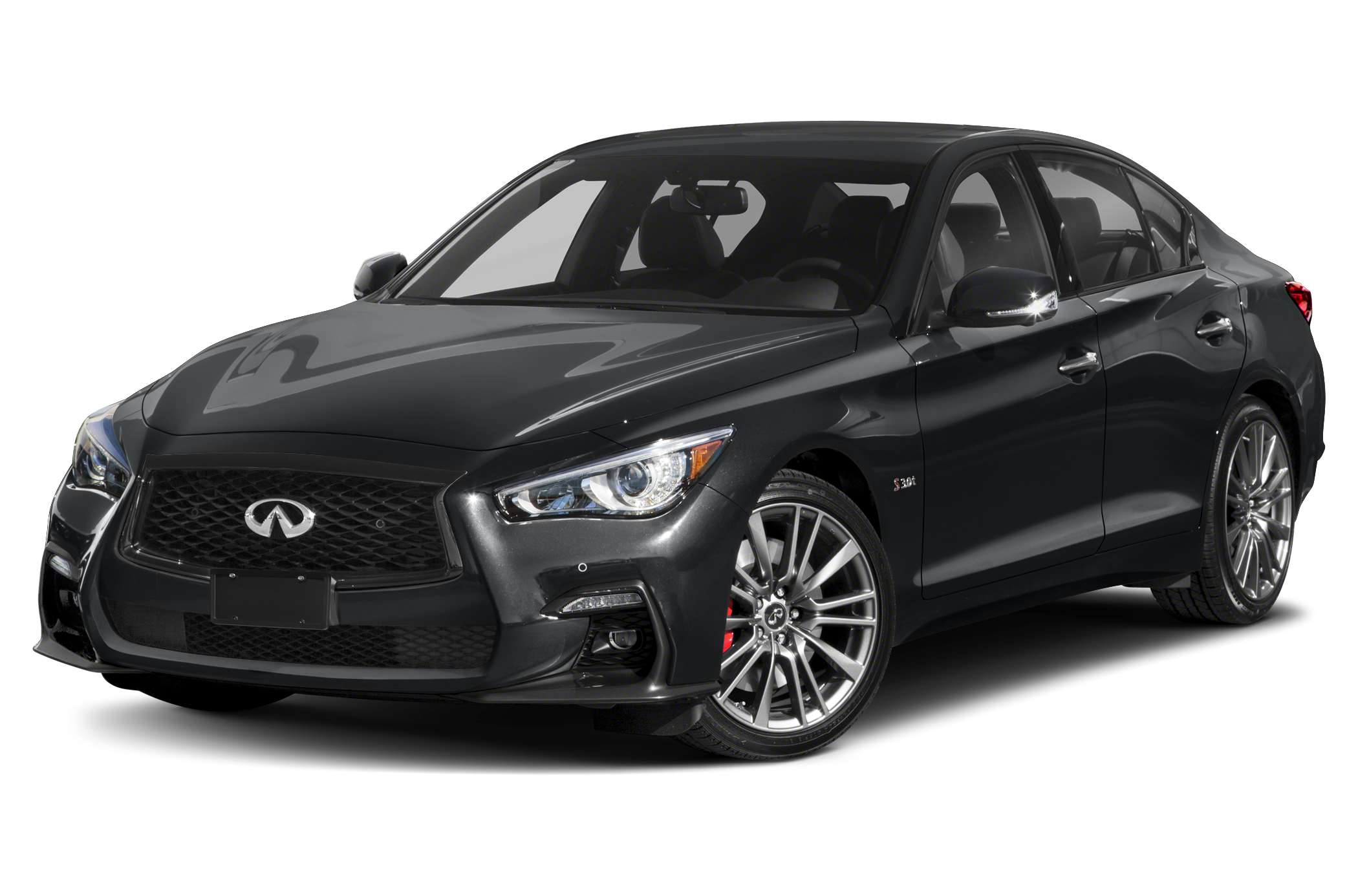
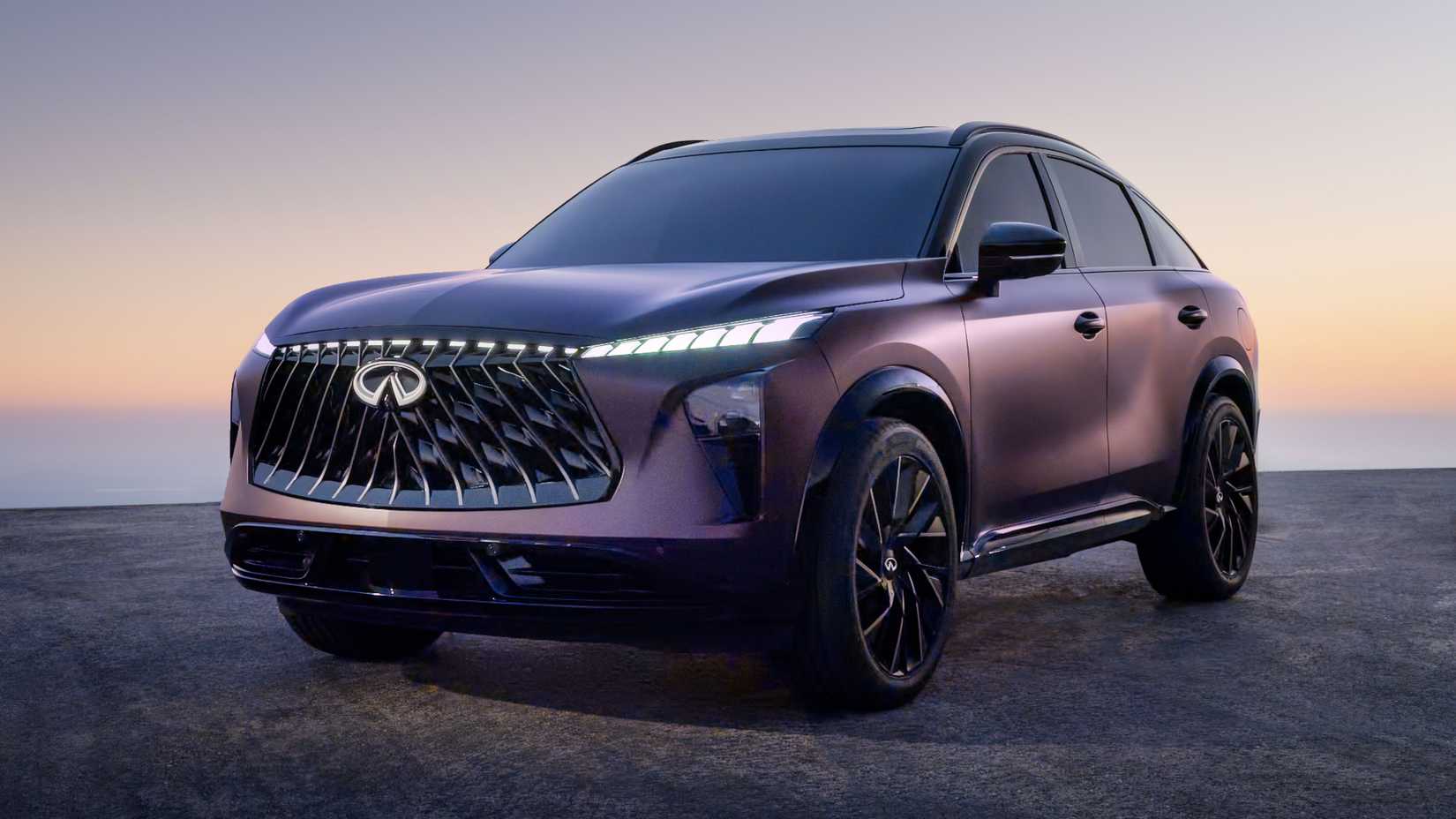
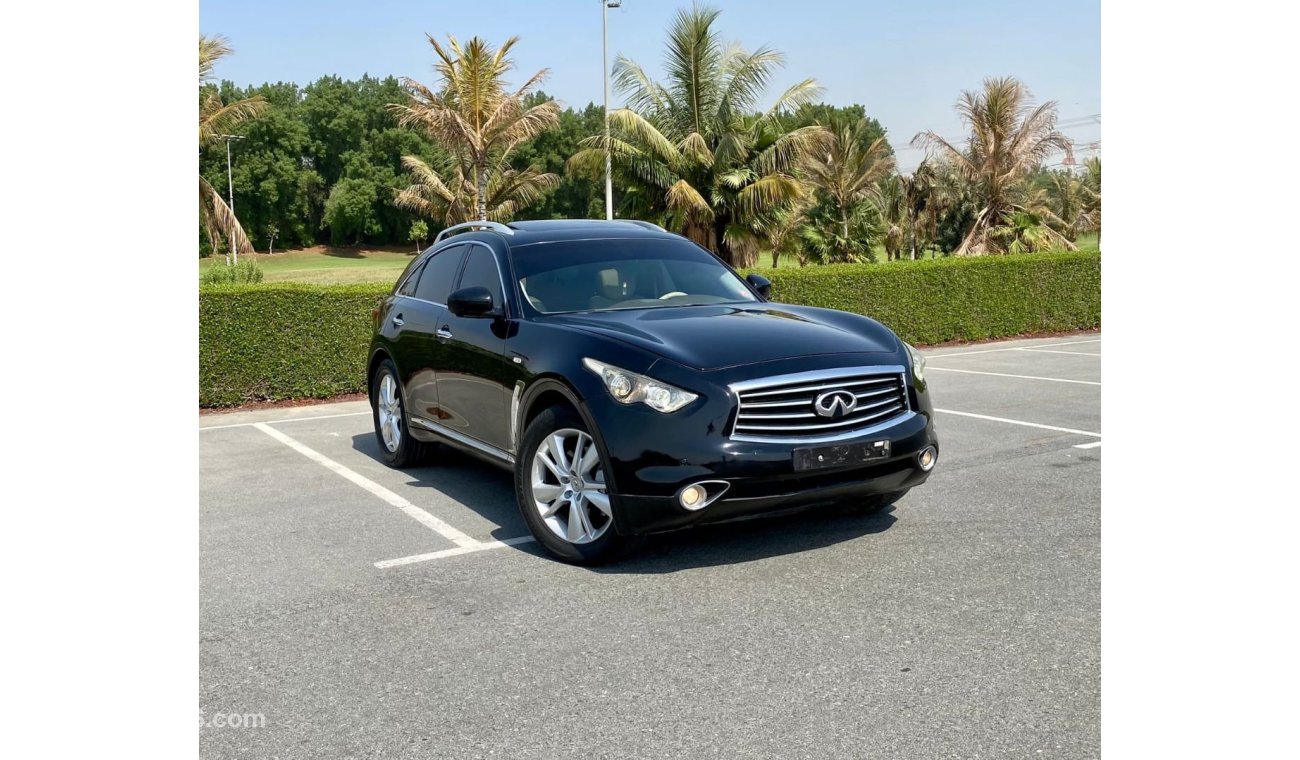
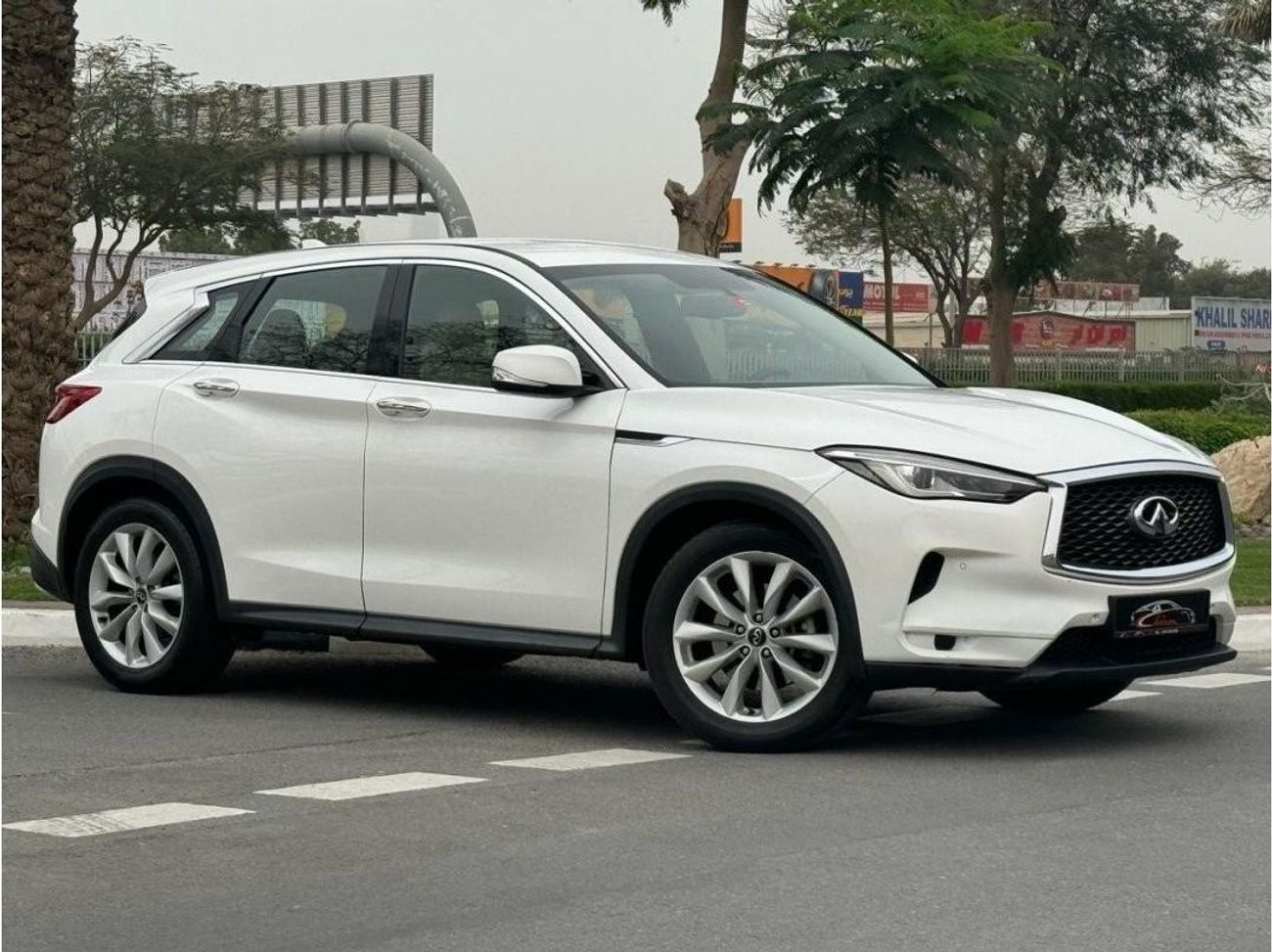
Infiniti cars are generally considered good luxury vehicles, offering a distinct blend of Japanese reliability, performance-oriented engineering, and competitive pricing. While they often trail Lexus in absolute dependability and German rivals in brand prestige, Infiniti excels at providing powerful engines and high-end features at a lower entry price than most Tier-1 luxury competitors.
The Identity of Infiniti: Balancing Luxury and Performance
To understand if Infiniti cars are "good," one must first understand their position in the automotive landscape. Established in 1989 as the luxury division of Nissan, Infiniti was designed to compete with Acura (Honda) and Lexus (Toyota). However, whereas Lexus focused on whisper-quiet cabins and Acura on front-wheel-drive efficiency, Infiniti carved out a niche as the "Japanese BMW." This legacy of rear-wheel-drive platforms and robust V6 engines continues to define the brand in 2026.
The "goodness" of an Infiniti often depends on what a buyer prioritizes. If you are looking for a vehicle that feels more mechanical and engaging than a Lexus but costs significantly less to maintain than a Mercedes-Benz or Audi, Infiniti occupies a "sweet spot." However, the brand has historically struggled with aging interior designs and infotainment systems that lagged behind the industry. Recent updates to the flagship QX80 and the mid-size QX60 have addressed many of these criticisms, bringing the brand's technology suite into the modern era.
Evaluating Long-Term Reliability and Engine Durability
Reliability is the primary concern for most luxury car buyers. Infiniti has a complicated but generally positive track record in this department. Most of their reputation is built on the VQ-series V6 engine, which has been featured on "Ward's 10 Best Engines" list for nearly two decades. These engines are known for their longevity, often reaching 200,000 miles or more with standard maintenance.
In the current 2026 lineup, the transition to the VR30DDTT (the 3.0-liter Twin-Turbo V6) has proven successful. While early iterations of this engine had minor issues with belt alignment and turbo cooling, those have largely been resolved. The more recent VC-Turbo (Variable Compression) engines found in the QX50 and QX55 represent a more complex engineering feat. While they offer an impressive balance of power and fuel economy by physically changing the compression ratio during operation, their long-term reliability is still being monitored by high-mileage users. For the most "bulletproof" experience, the naturally aspirated 3.5-liter V6 found in the QX60 remains the gold standard for the brand.
Performance Dynamics: The Driver-Centric Approach
Infiniti continues to prioritize a "driver-centric" feel, even in their SUV-heavy 2026 catalog. Unlike many competitors that have moved exclusively to small-displacement four-cylinder engines, Infiniti still leans heavily into its six-cylinder heritage. The Q50 sedan, despite being an older platform, remains popular because it offers a 300-to-400 horsepower twin-turbo V6 at a price point where competitors often offer only turbocharged fours.
The brand's handling characteristics are typically sharper than Lexus but softer than BMW’s M-Sport offerings. One polarizing technical aspect is Direct Adaptive Steering (DAS), a digital "steer-by-wire" system. While it filters out unwanted road vibrations and allows for incredible customization of steering weight, some enthusiasts argue it lacks the tactile feedback of a traditional mechanical rack. However, for the average luxury buyer, the system provides a smooth, effortless experience that reduces fatigue during long highway commutes.
Interior Quality and Technology Evolution
Historically, the weakest link in the "Are Infiniti cars good?" debate was the interior technology. For years, Infiniti utilized a dual-screen infotainment system that felt dated the moment it was released. By 2026, the brand has largely phased this out in favor of large, high-resolution single-pane displays with wireless integration for smartphones and advanced voice recognition.
The materials used in Infiniti cabins—specifically the semi-aniline leather and open-pore wood trims—are of exceptionally high quality. Infiniti’s "Zero Gravity" seats, inspired by NASA research, are widely regarded as some of the most comfortable in the industry. They are designed to minimize pressure points and maintain a neutral spinal posture, making Infiniti a premier choice for drivers who prioritize seat comfort over flashy digital gimmicks.
Comparison of 2026 Infiniti Models
The following table compares the primary models available in the 2026 lineup to help determine which "good" Infiniti fits your specific needs.
| Model | Segment | Engine Type | Primary Strength | Best For |
|---|---|---|---|---|
| Q50 | Compact Executive Sedan | 3.0L Twin-Turbo V6 | Raw Power & Value | Performance enthusiasts on a budget |
| QX50 | Compact Luxury SUV | 2.0L VC-Turbo I4 | Fuel Efficiency & Cargo Space | Small families and urban commuters |
| QX55 | Luxury Crossover Coupe | 2.0L VC-Turbo I4 | Unique Styling/Aesthetics | Style-conscious buyers |
| QX60 | Mid-Size 3-Row SUV | 3.5L V6 | Utility & Interior Tech | Large families seeking comfort |
| QX80 | Full-Size Luxury SUV | 3.5L Twin-Turbo V6 | Towing & Pure Opulence | Luxury towing and maximum presence |
Maintenance Costs and Ownership Experience
One of the strongest arguments for Infiniti is the cost of ownership relative to European luxury brands. Because Infiniti shares many mechanical components and platforms with Nissan, parts are generally more accessible and less expensive. You are not forced to pay "German premium" prices for basic components like oil filters, brake pads, or sensors.
However, Infiniti maintenance is still more expensive than a standard economy car. The vehicles typically require premium 91+ octane fuel to maintain engine health and performance, especially the turbocharged models. Furthermore, while you can take an Infiniti to a Nissan dealership for basic service in many regions, the luxury experience at an Infiniti-specific service center includes higher labor rates compensated by loaner vehicles and premium amenities.
Common Maintenance Considerations:
- Transmission Fluid: For models equipped with the older 7-speed automatic, regular fluid changes are vital to prevent "hunting" for gears. The newer 9-speed ZF transmissions are more robust but still require adherence to the 60,000-mile service interval.
- Tire Wear: Due to their performance-oriented suspension geometry, some Infiniti models (particularly the Q50 and QX55) can experience faster-than-average tire wear on the inner shoulders if alignments are not checked annually.
- Electronics: While mechanical systems are sound, older Infiniti models sometimes struggle with infotainment lag. In 2026 models, ensure software updates are performed via the over-the-air (OTA) system to maintain connectivity stability.
Resale Value: The Double-Edged Sword
When asking if Infiniti is a "good" car, you must consider the financial aspect of resale value. Infiniti typically experiences steeper depreciation than Lexus or Porsche. For a new car buyer, this is a disadvantage, as the car loses a significant portion of its value in the first three years.
However, for a used car buyer, this makes Infiniti one of the best values on the market. You can often purchase a three-year-old Infiniti with low mileage for the price of a brand-new, mid-trim Honda or Toyota. Because the mechanical components are durable, buying a certified pre-owned (CPO) Infiniti is often considered a "smart" financial move, allowing you to enjoy luxury features and a powerful engine without the initial depreciation hit.
Safety Ratings and Driver Assistance
Infiniti has consistently performed well in crash testing conducted by the Insurance Institute for Highway Safety (IIHS) and the National Highway Traffic Safety Administration (NHTSA). By 2026, the ProPILOT Assist suite is standard across almost the entire lineup. This system includes:
- Intelligent Cruise Control: Which can bring the car to a full stop and resume in traffic.
- Lane Departure Prevention: Which uses subtle braking to guide the vehicle back into the lane.
- Predictive Forward Collision Warning: A standout feature that monitors not just the car in front of you, but the car two vehicles ahead, alerting you to sudden braking before it’s even visible to the naked eye.
These safety technologies are not just "good"—they are among the most proactive in the luxury segment, making Infiniti a top choice for safety-conscious families.
Who Should Buy an Infiniti?
Infiniti is the right choice for a specific type of buyer. If you find Lexus too "boring" or soft, and you find BMW or Mercedes-Benz too expensive to maintain or overly complex, Infiniti is the middle ground. It appeals to those who appreciate a heavy, substantial feel to their vehicle and who prefer the sound and linear power of a V6 engine over a highly-strung four-cylinder.
It is less ideal for buyers who want the absolute cutting edge of "gadgetry" or those who change cars every two years and are sensitive to trade-in values. Infiniti is a "long-term" luxury brand—it is at its best when you buy it, maintain it well, and drive it for a decade.
FAQs
Are Infiniti cars expensive to repair?
Infiniti repair costs are moderate for the luxury segment. They are generally 20-30% cheaper to maintain over a ten-year period than a BMW or Audi, primarily because they share a parts supply chain with Nissan. However, they are more expensive to repair than a Lexus, which benefits from the massive global parts commonality of the Toyota brand.
Does Infiniti require premium gas?
Yes, most Infiniti models, especially those with the 3.0L Twin-Turbo or 2.0L VC-Turbo engines, require premium fuel (91 octane or higher). Using regular gas can lead to reduced performance, lower fuel economy, and potentially "knocking" which can damage the engine over time.
How long do Infiniti engines last?
With proper maintenance, Infiniti engines—particularly the V6 variants—are known to last between 200,000 and 250,000 miles. The naturally aspirated 3.5L V6 is especially famous for its durability, while the newer turbocharged engines are expected to reach similar milestones if oil changes are performed strictly every 5,000 to 7,500 miles.
Is Infiniti more reliable than Lexus?
Generally, no. Lexus consistently ranks at the top of reliability surveys from J.D. Power and Consumer Reports. Infiniti usually occupies the middle-to-upper-tier of these rankings. While Infiniti is very reliable compared to the industry average, Lexus remains the benchmark for the luxury category.
Why is Infiniti depreciation so high?
Infiniti depreciation is driven by several factors, including heavy fleet sales in previous years, a perceived "identity crisis" compared to Tier-1 luxury brands, and an older product lineup that stayed on the market too long without updates. However, for 2026 models, the improved tech and design are expected to help stabilize resale values compared to the 2015-2020 era.
Practical Recommendation
If you are considering an Infiniti in 2026, focus your search on the QX60 or the QX80. These models represent the brand's most modern engineering and have moved away from the aging platforms that previously held the brand back. If you are shopping for a sedan, the Q50 remains a "good" car only if you prioritize engine power over interior modernism. For the best value, look for a Certified Pre-Owned (CPO) model that is 2-3 years old; this allows you to bypass the steepest part of the depreciation curve while still benefiting from a factory warranty and a vehicle that is mechanically sound for years to come.