In the vast majority of jurisdictions worldwide, hotels are strictly prohibited from placing cameras inside private guest rooms, bathrooms, or any area where a guest has a reasonable expectation of privacy. While surveillance is permitted in public areas like lobbies and hallways for security, indoor room recording is illegal and violates fundamental privacy laws.
The Legal Framework: Where Cameras Are and Aren’t Allowed
The legality of hotel surveillance is governed by the concept of a "reasonable expectation of privacy." This legal doctrine dictates that in certain environments—such as a home, a public restroom, or a rented hotel room—individuals have a right to remain unobserved. In the United States, this is rooted in the Fourth Amendment, and although hotels are private entities, state "Peeping Tom" laws and invasion of privacy statutes provide criminal and civil protections for guests.
As of 2026, these regulations have only tightened. Major hospitality hubs across North America, Europe, and Asia-Pacific maintain a zero-tolerance policy regarding cameras in sleeping areas. The American Hotel & Lodging Association (AHLA) and similar international bodies reinforce that guest rooms are off-limits for video monitoring. If a hotel were to intentionally install cameras in a room, they would face massive civil lawsuits, the revocation of their operating licenses, and criminal charges for the executives or staff involved.
Surveillance is legally concentrated in "common areas." These include the lobby, elevators, hallways, parking garages, gymnasiums, and pool decks. In these locations, the hotel has a "duty of care" to protect guests from crime, making cameras a standard safety feature. However, the transition from the hallway to the guest room door marks a definitive legal boundary that cameras cannot cross.
The Difference Between Hotel Policy and Illegal Surveillance
It is vital to distinguish between official hotel policy and the illegal actions of rogue individuals. No reputable hotel brand—such as Marriott, Hilton, or InterContinental—has a policy that allows for cameras in rooms. When "hidden camera" stories appear in the news, they almost always involve a "rogue actor." This could be a malicious employee, a contractor, or even a previous guest who planted a device for voyeuristic purposes.
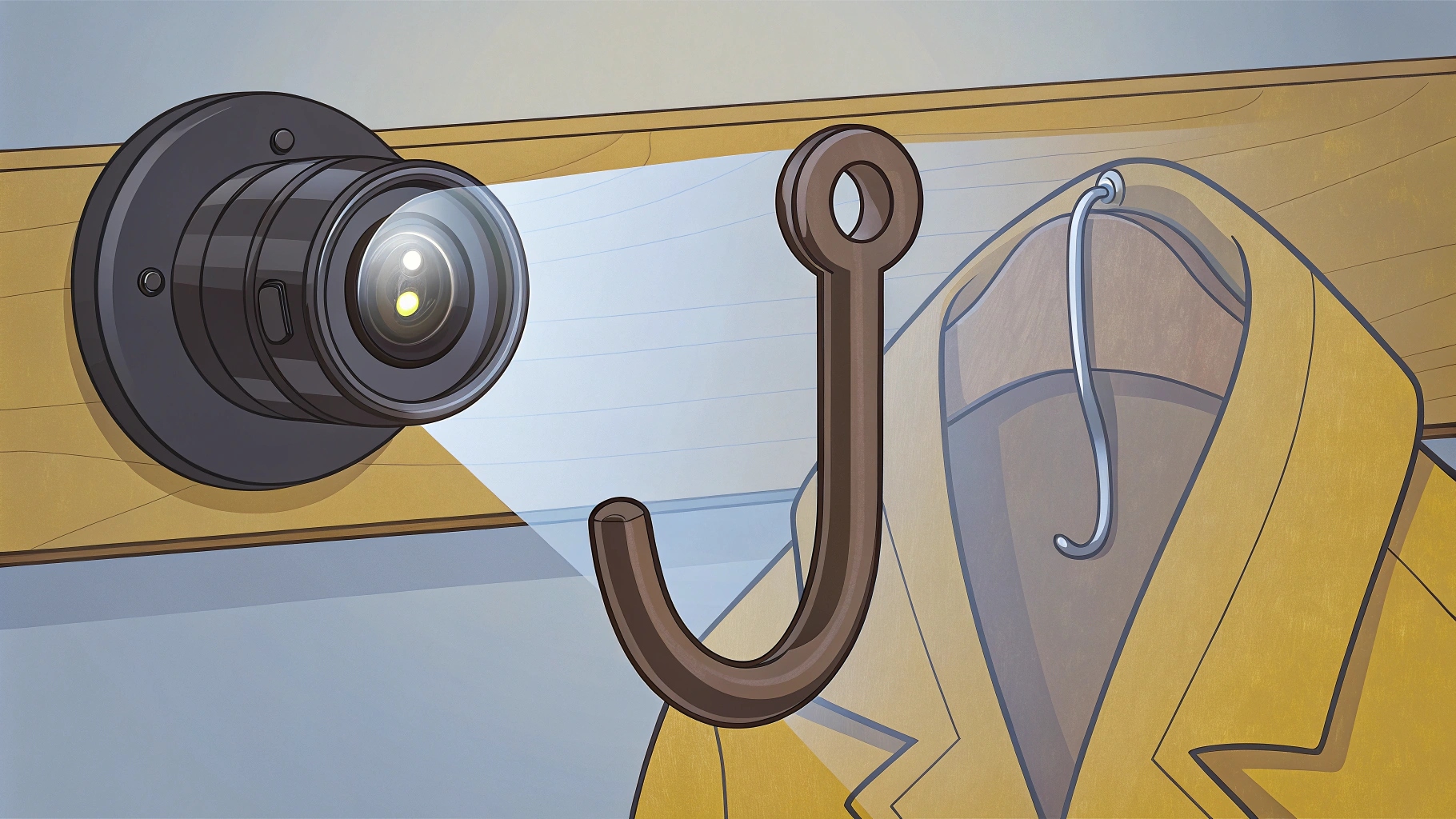
Because technology has become smaller and more affordable, "spy cameras" disguised as everyday objects—smoke detectors, alarm clocks, USB chargers, or even screw heads—have become a concern for travelers. Even though the hotel corporation does not authorize these devices, the hotel may still be held liable for "negligent security" or "invasion of privacy" if they fail to inspect rooms thoroughly enough to find these devices during housekeeping rotations.
In the sharing economy, such as Airbnb or Vrbo, the rules used to be more ambiguous, but as of 2024, Airbnb officially banned all indoor security cameras globally, regardless of whether they were disclosed in the listing. By 2026, this has become the industry standard across all short-term rental platforms, aligning them with traditional hotel privacy standards.
Why Hotels Use Surveillance in Permitted Areas
While cameras are banned in rooms, they are ubiquitous in the rest of the property for several legitimate reasons. Understanding these can help guests feel more secure rather than surveilled.
- Crime Deterrence and Evidence: Lobbies and hallways are high-traffic areas. Cameras help deter theft, assault, and unauthorized entry. If a crime occurs, the footage is essential for police investigations.
- Liability Protection: Hotels are frequently targets of fraudulent "slip and fall" claims. High-definition footage in common areas allows the hotel to verify the validity of such claims, potentially saving millions in legal fees.
- Employee Accountability: Surveillance ensures that staff members are following safety protocols and providing the level of service expected by the brand.
- Asset Protection: Hotels house expensive equipment, art, and furniture in their common areas. Cameras help prevent vandalism and theft of property.
The 2026 hospitality landscape also utilizes AI-driven monitoring in these common areas to detect unusual behavior—such as a person wandering a hallway for an extended period without entering a room—which can trigger a security check before an incident occurs.
How to Detect Hidden Cameras in Your Hotel Room
Despite the illegality, travelers who want peace of mind can perform a "privacy sweep" of their room. Modern hidden cameras are incredibly small, but they still obey the laws of physics and electronics.
Physical Inspection
Start with the most obvious spots. Check items that are pointed toward the bed or the shower. Common disguises include:
- Smoke detectors (look for a tiny, non-functional "light" or hole).
- Alarm clocks and bedside lamps.
- Power strips and USB wall chargers.
- Tissue boxes or wall art.
- Thermostats and air vents.
The Flashlight Method
Camera lenses are made of glass, which is reflective. Turn off all the lights in the room and close the curtains to make it as dark as possible. Use a bright flashlight or the light on your smartphone to slowly scan the room. If you see a small, bright blue or purple reflection, it may be the glint of a camera lens.
Network Scanning
Most modern "spy cams" need to transmit data over Wi-Fi. You can use apps like Fing or similar network scanners to see every device connected to the hotel's guest Wi-Fi. If you see a device labeled "IP Camera," "Cam," or a generic manufacturer string that doesn't match a printer or smart TV, it warrants further investigation. Note, however, that sophisticated hackers might put cameras on a hidden, separate network.
RF Detectors
For frequent travelers, a portable Radio Frequency (RF) detector can identify devices emitting signals. These devices beep or vibrate when they get close to something transmitting data. In 2026, these are relatively inexpensive and can detect both Wi-Fi and cellular-based hidden cameras.
Comparison of Surveillance Norms in Hospitality
The following table outlines where you should and should not expect to find cameras in a standard hotel environment.
| Area Type | Cameras Permitted? | Common Locations | Purpose |
|---|---|---|---|
| Public Areas | Yes | Lobby, Front Desk, Elevators | Safety, crime prevention, staff monitoring |
| Circulation Areas | Yes | Hallways, Stairwells, Parking | Security, monitoring unauthorized access |
| Amenities | Yes | Gyms, Pool Decks, Business Centers | Liability protection, guest safety |
| Sleeping Areas | No | Inside Guest Rooms | Strictly prohibited; violation of privacy |
| Hygiene Areas | No | Bathrooms, Saunas, Changing Rooms | Illegal; criminal offense in most regions |
| Back of House | Yes | Kitchens, Laundry, Loading Docks | Operational efficiency, loss prevention |
What to Do If You Find a Hidden Camera
If you discover a device that you believe is a camera in your room, your priority should be evidence preservation and personal safety.
- Do Not Touch or Move the Device: If it is an illegal camera, it is a piece of evidence in a criminal case. Touching it could smudge fingerprints or damage digital metadata.
- Document Everything: Take photos and videos of the device from multiple angles using your own phone. Note the exact location and how it was hidden.
- Cover the Device: Without touching the lens, place a piece of clothing or a towel over the device to stop it from recording you further.
- Contact the Authorities: Do not just go to the front desk. Call the local police. A hotel’s internal security might try to downplay the incident to avoid a PR scandal. A police report creates a formal, legal record.
- Notify Hotel Management: Once the police are on their way, inform the manager on duty. They should move you to a different room (or you may choose to leave the property entirely) and provide a full refund.
- Contact Your Embassy (If Abroad): If you are traveling internationally, your embassy can provide legal guidance and ensure the local authorities handle the case appropriately.
The Rise of "Smart Rooms" and Privacy Concerns
By 2026, the "Smart Hotel Room" has become a standard in the luxury and mid-scale sectors. These rooms often feature voice-activated assistants (like Alexa or Google Home), smart thermostats, and tablets for room service.
While these devices do not contain cameras, they do have microphones. Hotel policies and manufacturers state that these microphones only "listen" for a wake word and do not record private conversations. However, for the privacy-conscious guest, most of these devices have a physical "mute" button or can be unplugged. Reputable hotels provide clear signage or digital notices explaining the presence of these smart devices and how to disable them. It is important to distinguish these convenience-oriented devices from the illegal surveillance discussed earlier.
Global Variations in Privacy Laws
While the "no cameras in rooms" rule is nearly universal, the enforcement and specifics can vary by country.
- United States/Canada: Strong "reasonable expectation of privacy" laws. Violation is both a tort (civil) and a crime.
- European Union (GDPR): The General Data Protection Regulation (GDPR) provides some of the world’s strictest protections. Hotels must have "Signage" for cameras in public areas and are strictly forbidden from recording in private spaces. Data must be deleted after a set period (usually 30 days).
- South Korea: Has faced significant issues with "molka" (hidden camera) crimes. Consequently, the government has implemented strict inspections for hotels and heavy criminal penalties for offenders.
- Japan: Extremely strict privacy culture. While common areas are monitored, room privacy is treated as sacrosanct.
FAQ
Can a hotel put a camera in the hallway facing my door?
Yes, hotels are allowed to have cameras in the hallways for security purposes. These cameras are intended to monitor who enters and exits rooms to prevent theft and unauthorized entry. As long as the camera is not positioned to look into your room when the door is open, it is legally permitted.
Do hotels hide cameras in the TV?
Reputable hotels do not hide cameras in TVs. Some modern "Smart TVs" might have built-in cameras for video conferencing, but these are almost never found in hotel room models. If a TV did have a camera, hotel policy would require it to be disclosed, and it would likely be physically disabled or covered for guest privacy.
Is it legal for Airbnb hosts to have cameras outside?
Yes, in 2026, it is generally legal for Airbnb and short-term rental hosts to have outdoor security cameras (such as doorbell cameras or driveway monitors) to protect their property. However, these must be disclosed in the listing description, and they are not allowed to monitor areas where guests have a higher expectation of privacy, like an outdoor shower or a hot tub area.
Can I be recorded in the hotel lobby without my consent?
In most countries, by entering a "place of public accommodation" like a hotel lobby, you are giving implied consent to be recorded by security cameras. There is no "reasonable expectation of privacy" in a hotel lobby, as it is a space shared with staff and other guests.
What should I do if I think a smoke detector is a camera?
Check for a visible SD card slot, a small lens that looks different from the infrared sensor, or any wires that look out of place. Most legitimate smoke detectors have a small blinking red or green light; this is normal. If the "light" is actually a hole with glass behind it, it may be a camera. You can test this by shining a light at it to see if a lens reflects back.
Practical Recommendation for Travelers
When checking into any accommodation in 2026, the best approach is to be observant but not paranoid. The vast majority of hotels value guest privacy as their most important asset. Upon entering your room, do a quick two-minute scan of the "tech" items (clocks, chargers, smoke detectors). If you see something suspicious, trust your gut and alert management or the authorities immediately. For those who travel frequently to high-risk areas or are particularly concerned with privacy, carrying a small RF detector and a simple rubber door wedge (to prevent unauthorized entry) remains the gold standard for personal travel security.