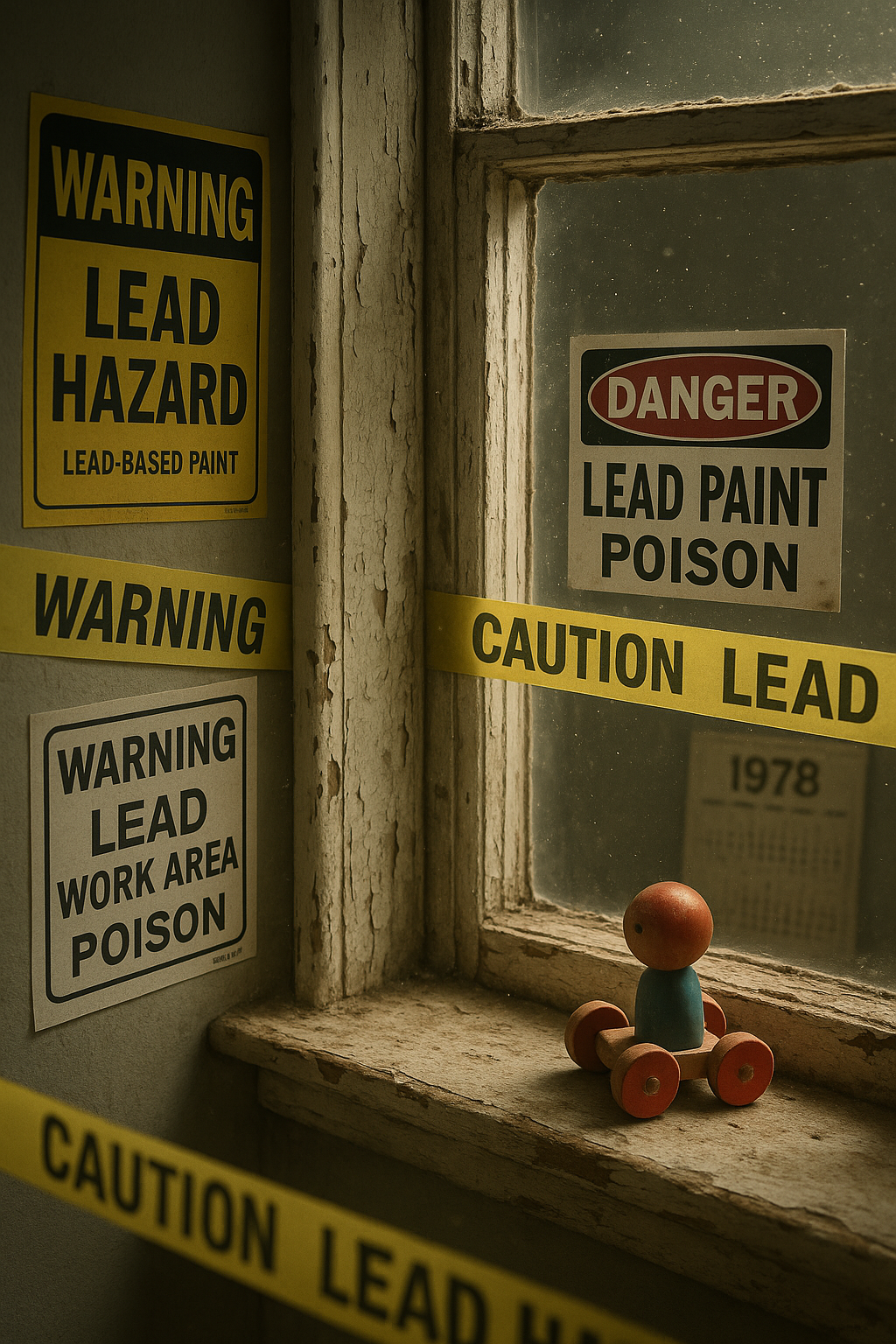
Household items containing lead pose a significant health risk, particularly in homes built before 1978. Lead exposure occurs through inhaling contaminated dust, swallowing lead paint chips, or consuming water and food contaminated by old pipes and glazed ceramics. Even low levels of exposure can cause irreversible neurological damage in children and cardiovascular issues in adults.
Understanding the Lead Hazard in Modern Homes
As we navigate through 2026, the persistence of lead in residential environments remains a critical public health concern. While the most aggressive legislative actions against lead were enacted decades ago, the legacy of lead-based products continues to impact millions of households. Lead is a heavy metal that was historically favored for its durability, corrosion resistance, and pigment-binding properties. However, it is also a potent neurotoxin with no known safe level of exposure.
The primary mechanism of risk is not always the item itself, but the degradation of that item over time. Lead does not dissipate; it accumulates. In a typical household, lead-based paint may be buried under layers of modern latex paint, but as the house settles or surfaces rub against one another—such as window sashes or door frames—microscopic lead dust is released. This dust settles on floors and toys, where it is easily ingested by young children through normal hand-to-mouth behavior. Understanding where lead hides is the first step in mitigating a risk that many families erroneously believe is a thing of the past.
Identifying Common Household Items Containing Lead
Lead can be found in various corners of the home, ranging from structural components to everyday consumer goods. Identifying these sources requires a blend of historical knowledge and current vigilance regarding imported products.
Lead-Based Paint: The Primary Culprit
The most significant source of lead exposure in residential settings is lead-based paint. In the United States, the federal government banned the use of lead-based paint in housing in 1978. However, the Environmental Protection Agency (EPA) estimates that millions of homes still contain lead paint.
The risk is highest when the paint is "deteriorated"—peeling, chipping, or cracking. Even when paint is in good condition, "friction surfaces" pose a threat. These include windows, doors, and stairs, where the mechanical action of opening or closing grinds the paint into a fine, often invisible powder. This dust is the most common pathway for lead to enter the bloodstream of children.
Drinking Water and Plumbing Infrastructure
Lead rarely occurs naturally in source water. Instead, it enters the water supply through the corrosion of plumbing materials. As of 2026, many municipalities are still in the process of identifying and replacing lead service lines—the pipes that connect the water main under the street to a home’s internal plumbing.
Homes built before 1986 are more likely to have lead pipes, fixtures, and solder. Even "lead-free" plumbing components manufactured before 2014 were allowed to contain up to 8% lead. Current standards have reduced this to a weighted average of 0.25%, but legacy fixtures remain a concern. Brass or chrome-plated brass faucets and plumbing with lead solder can leach the metal into water, especially when the water is hot or has sat stagnant in the pipes for several hours.
Vintage and Imported Ceramics and Cookware
Many families cherish heirloom ceramics or purchase handcrafted pottery while traveling. Unfortunately, these items often utilize lead-based glazes to achieve a high-gloss finish or vibrant colors. If the pottery is not fired at high enough temperatures for a sufficient duration, the lead can leach into food and beverages.
This risk is particularly acute with acidic foods like citrus juices, tomato sauce, or coffee, which accelerate the leaching process. The U.S. Food and Drug Administration (FDA) regulates lead in commercial cookware, but "decorative" items or those from small-scale international artisans often bypass these safety checks.
Children’s Toys and Jewelry
Despite strict regulations under the Consumer Product Safety Improvement Act (CPSIA), lead is occasionally discovered in toys and children's jewelry. Most modern instances involve imported goods where quality control failed to detect lead in plastics, paints, or metal alloys. Lead is sometimes used to soften plastic or make it more flexible, while in jewelry, it may be used to add weight or stabilize dyes. Because children often chew on toys or put jewelry in their mouths, even small amounts of surface lead can result in toxic ingestion.
Health Impacts: How Lead Affects Your Family
The biological danger of lead lies in its ability to mimic calcium. When lead enters the body, it is distributed to the brain, liver, kidney, and bones. The body "mistakes" lead for calcium, allowing the toxin to cross the blood-brain barrier and interfere with neurotransmitters.
Neurological Effects in Children
Children under the age of six are the most vulnerable population. Their brains and nervous systems are still developing, and their bodies absorb lead at a rate four to five times higher than adults. Exposure during these formative years can lead to:
- Lowered IQ and cognitive delays.
- Attention deficit disorders and increased impulsivity.
- Delayed physical growth and hearing problems.
- Developmental milestones being missed or regressed.
Because the symptoms of lead poisoning are often subtle—such as irritability or fatigue—they can be easily misdiagnosed as other behavioral or learning issues. By the time high levels of lead are detected in the blood, the damage to the central nervous system is often irreversible.
Adult Health Risks and Reproductive Issues
While adults are less susceptible to the immediate neurological impacts seen in children, chronic low-level exposure carries severe long-term risks. Lead accumulates in the bones, where it can stay for decades. During periods of high bone turnover, such as pregnancy, menopause, or after an injury, this stored lead can be released back into the bloodstream.
In adults, lead exposure is linked to:
- Hypertension (high blood pressure) and cardiovascular disease.
- Decreased kidney function and chronic kidney disease.
- Reproductive issues, including reduced sperm count in men and increased risk of miscarriage or premature birth in women.
- Memory loss and cognitive decline in older populations.
How to Test for Lead in Your Home
If you live in a home built before 1978 or suspect that household items contain lead, testing is the only way to confirm your risk level.
- Professional Risk Assessment: This is the most thorough method. A certified lead inspector uses an X-ray Fluorescence (XRF) analyzer to "see" lead through multiple layers of paint without damaging the walls. They will also take dust wipe samples and soil samples.
- DIY Lead Swabs: Available at hardware stores, these chemical swabs (such as those using sodium rhodizonate) change color when they contact lead. While useful for checking ceramics or immediate surface paint, they cannot detect lead buried under newer paint layers and are prone to false negatives if not used correctly.
- Water Testing: You cannot see, taste, or smell lead in water. Most local water utilities provide testing kits for residents, or you can hire a state-certified laboratory. This is especially important if you have a private well or live in an area with known lead service lines.
- Blood Lead Level (BLL) Testing: If you are concerned about exposure, a simple blood test performed by a pediatrician or general practitioner is the gold standard for determining if lead has entered the body. In 2026, the Centers for Disease Control and Prevention (CDC) continues to use a blood lead reference value to identify children with higher levels of lead in their blood compared to most children.
Comparison of Common Lead Sources and Risk Levels
The following table summarizes the most frequent sources of lead found in residential environments and the standard mitigation strategies as of 2026.
| Source | Common Location/Origin | Risk Mechanism | Recommended Action |
|---|---|---|---|
| Lead-Based Paint | Homes built pre-1978; windows, doors, baseboards. | Ingestion of chips or inhalation of dust. | Professional abatement or interim controls (painting over). |
| Drinking Water | Lead service lines; brass fixtures; lead solder. | Leaching into water, especially hot or stagnant water. | Use NSF-certified filters (Standard 53 or 58); replace pipes. |
| Soil | Perimeter of old homes; near busy roadways (historic gas use). | Tracking dust into home; children playing in dirt. | Mulching, planting grass, and "shoes-off" policy indoors. |
| Ceramics | Vintage pottery; artisanal glazes; imported dishes. | Leaching into acidic food or hot liquids. | Use for decoration only; avoid food/drink contact. |
| Consumer Goods | Imported toys; inexpensive jewelry; antique furniture. | Mouth-to-object contact; paint degradation. | Check CPSC recall lists; dispose of suspicious items. |
Mitigation Strategies: Reducing Exposure in 2026
If lead is identified in your home, immediate steps can be taken to reduce risk while you plan for long-term solutions.
- Practice Lead-Safe Cleaning: Traditional sweeping or vacuuming often spreads lead dust into the air. Instead, use a "wet-mop" technique. Use a HEPA-filter vacuum specifically rated for lead dust, and wipe down windowsills and friction surfaces weekly with a damp cloth and an all-purpose cleaner.
- The "Flush" Method for Water: If you suspect lead in your pipes, run the cold water for at least two to three minutes before using it for drinking or cooking, especially if the water hasn't been used for several hours. Never use hot water from the tap for cooking or making baby formula, as lead leaches much faster in hot water.
- Nutrition as a Defense: A diet high in calcium, iron, and vitamin C can help prevent the body from absorbing lead. When the body has sufficient essential minerals, it is less likely to "mistake" lead for these nutrients.
- Professional Abatement: If you are renovating a home built before 1978, do not attempt to scrape or sand paint yourself. Hire a contractor certified under the EPA's Lead Renovation, Repair and Painting (RRP) Rule. Professional abatement may involve removing lead-painted components (like windows) or permanently "encapsulating" the lead with specialized coatings.
Legal Requirements and Professional Removal
In 2026, many jurisdictions have strict disclosure laws. When selling or leasing a pre-1978 home, owners are legally required to provide a lead disclosure form and any known reports on lead hazards. Furthermore, the EPA’s RRP Rule mandates that firms performing renovations that disturb lead-based paint in homes, child-occupied facilities, and pre-schools must be certified by the EPA and use specific work practices to prevent lead contamination.
Attempting to remove lead-based paint without proper training often results in a massive increase in lead dust levels, turning a dormant risk into an acute health crisis. Always verify a contractor's certification through the official EPA database or your state’s environmental department.
Frequently Asked Questions
Can I just paint over lead paint to make it safe?
Yes, this is known as "encapsulation" or "interim control." If the lead paint is in good condition and not on a friction surface (like a window track), painting over it with modern latex paint or a specialized encapsulant can prevent dust from escaping. However, this is not a permanent solution, as the lead remains underneath and can be released if the new paint peels or during future renovations.
Is lead still used in new products today?
While strictly regulated in the U.S. and EU, lead is still used in various industrial applications and may appear in consumer goods produced in countries with less stringent oversight. This includes certain PVC plastics, electronic components, and industrial pigments. Always buy toys and cookware from reputable brands that provide safety certifications.
Are there symptoms of lead poisoning I should look for?
Lead poisoning is often "silent." Most children with elevated blood lead levels do not look or act sick. When symptoms do appear, they are often non-specific, such as abdominal pain, constipation, fatigue, or irritability. In cases of acute high-level exposure, symptoms can include vomiting, seizures, and loss of consciousness.
How do I know if my water filter removes lead?
Not all water filters are created equal. To ensure lead removal, look for filters certified by NSF International specifically for Standard 53 (lead reduction) or Standard 58 (reverse osmosis). Check the packaging or the manufacturer’s website for the performance data sheet.
Does boiling water remove lead?
No. Boiling water does not remove lead; in fact, it can slightly increase the concentration of lead because some of the water evaporates while the lead remains behind.
Recommendation
To protect your family, start by assessing the age of your home and the origin of your most-used household items. If your residence was built before 1978, prioritize a professional lead inspection and use only NSF-certified water filters for drinking and cooking. For vintage or imported items, err on the side of caution and treat them as decorative rather than functional. Regular blood lead screenings for children during their one- and two-year checkups remain the most effective way to catch exposure early and prevent long-term harm.