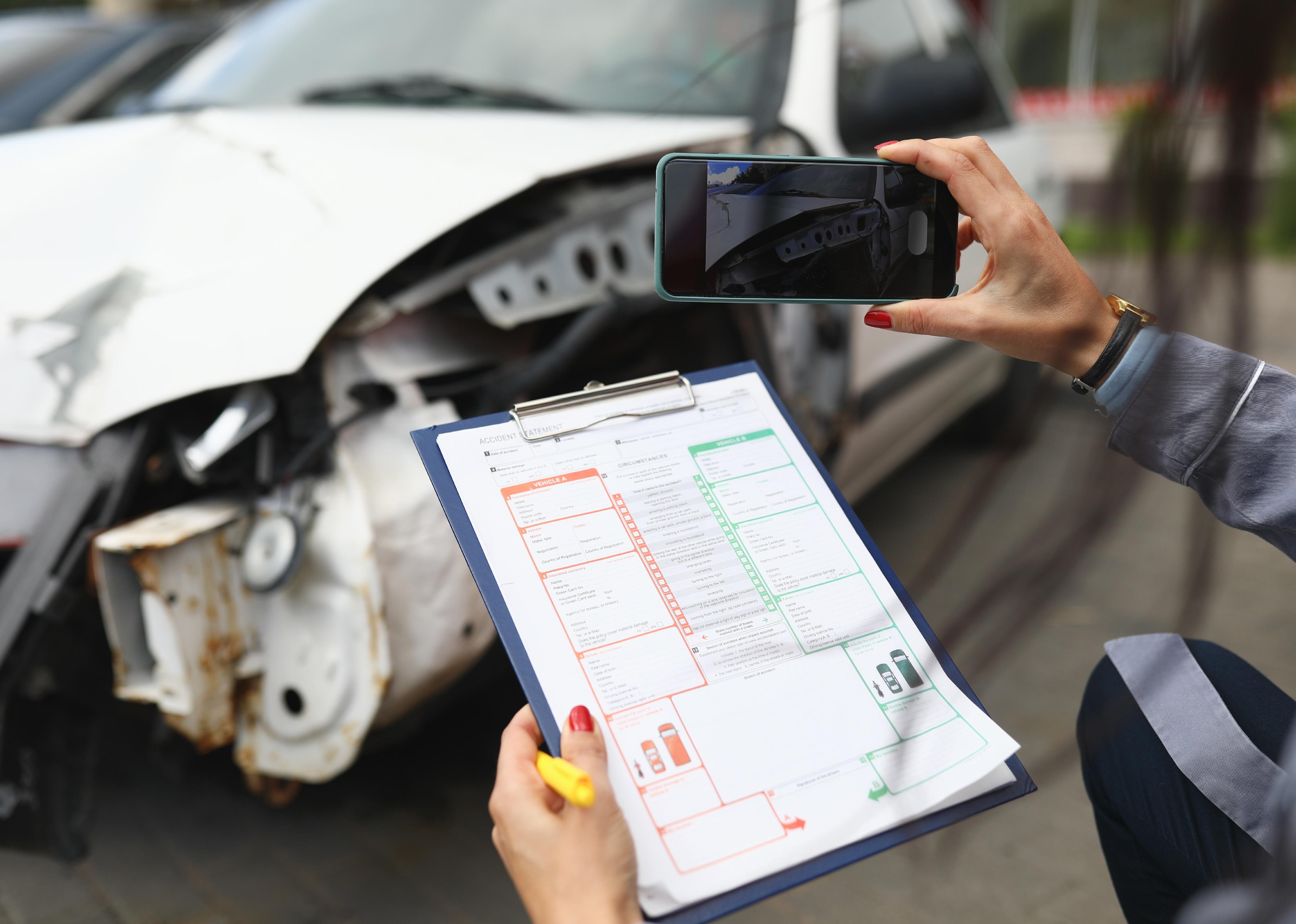
Insurance auto damage appraiser jobs in California are generally worth it for professionals seeking high salary potential and career stability in a vehicle-dense market. While California offers some of the highest compensation rates in the United States, the value proposition depends heavily on balancing these earnings against the state's significant cost of living and rigorous technical requirements.
Determining the "worth" of a career in the California insurance sector requires more than a glance at a salary figure. As of 2026, the landscape for auto damage appraisers has shifted toward high-tech vehicle diagnostics and a complex regulatory environment. For those with a background in automotive repair or insurance claims, California provides a unique ecosystem where specialized knowledge is rewarded, yet the professional demands are higher than in most other regions.
The Financial Landscape: Salary vs. Cost of Living in 2026
The primary draw for insurance auto damage appraisers in California is the headline salary. California consistently ranks among the top-paying states for this role, driven by the sheer volume of vehicles on the road and the high cost of automotive repairs within the state.
In 2026, a staff appraiser for a major carrier in California can expect a base salary ranging from $78,000 to $112,000, depending on the specific region and years of experience. Senior-level appraisers or those specializing in heavy equipment and specialty vehicles often see total compensation packages exceeding $130,000 when bonuses and benefits are included.
However, the "worth" of this salary is relative to the California cost of living. In metropolitan hubs like Los Angeles, San Diego, and the San Francisco Bay Area, housing costs and state income taxes can quickly erode the gains made from a higher salary. An appraiser earning $95,000 in Riverside may enjoy a higher standard of living than one earning $110,000 in San Francisco. When evaluating a job offer, it is essential to calculate the "real wage" after accounting for localized expenses.
Independent vs. Staff Appraiser Earnings
It is also vital to distinguish between staff appraisers (employees of insurance companies) and independent appraisers (contractors).
- Staff Appraisers: Benefit from stability, company cars (or mileage reimbursement), health insurance, and 401(k) matching. In 2026, the value of these benefits in California is estimated at $20,000–$30,000 annually.
- Independent Appraisers (IAs): Can earn significantly more—often $120,000 to $160,000—but must cover their own health insurance, taxes, and vehicle maintenance. With California's high gas prices and strict vehicle emissions standards, the overhead for an IA is considerable.
Licensing and Certification Requirements in California
One of the unique aspects of the California market is the regulatory framework. Unlike many other states that require a specific "Auto Damage Appraiser License," California operates primarily under the California Department of Insurance (CDI) guidelines for insurance adjusters.
In California, most auto damage appraisers do not need a standalone state license if they are working as staff for an admitted insurer. However, if you intend to work as an independent adjuster, you must obtain a California Independent Insurance Adjuster License. This process involves:
- Experience: Providing proof of two years of experience in the insurance adjusting field.
- Examination: Passing a rigorous state exam that covers California-specific insurance codes and ethics.
- Background Check: Undergoing fingerprinting and a criminal history review.
The Rise of Technical Certifications
While state licensing may not be required for everyone, industry certifications have become mandatory for career progression by 2026. Because California has the highest concentration of Electric Vehicles (EVs) and vehicles equipped with Advanced Driver Assistance Systems (ADAS), employers prioritize candidates with:
- I-CAR Platinum Status: This demonstrates ongoing training in the latest collision repair technologies.
- ASE (Automotive Service Excellence) Certifications: Specifically in Damage Analysis and Estimating (B6).
- EV Safety Certifications: Necessary for handling high-voltage vehicle appraisals safely.
Regional Market Dynamics and Work Environment
The California "experience" varies wildly depending on your territory. The geographic diversity of the state dictates the types of claims you will handle and the logistical challenges you will face.
The Urban Grind: Los Angeles and the Bay Area
In these regions, the job is characterized by high volume and high stress. Traffic congestion is a significant factor in an appraiser’s daily life. A field appraiser in Los Angeles might only be able to see four or five vehicles a day due to transit times, whereas an appraiser in a less dense state might see seven or eight. Many carriers have transitioned to "Virtual Appraisal" roles in these cities, where the appraiser works from home using AI-assisted photo estimation tools, which significantly increases the "worth" of the job by eliminating the commute.
The Rural Scope: Central Valley and Northern California
Appraisers in these areas may deal with more "total loss" claims involving high-speed accidents on highways or damage related to agricultural equipment. The travel distances are greater, but the pace is often more manageable. In 2026, there is a noted shortage of qualified appraisers in the Central Valley, leading to signing bonuses and more competitive salary offers in cities like Fresno and Sacramento.
Technology's Impact on the Profession in 2026
By 2026, the role of an auto damage appraiser in California has evolved from a purely mechanical evaluation to a tech-heavy diagnostic role. This shift has influenced whether the career is worth pursuing.
AI and Remote Estimating
Artificial Intelligence now performs the initial assessment for roughly 60% of minor "fender bender" claims in California. This has led some to fear job obsolescence. However, the reality is that AI has removed the monotonous, low-value work. Today’s appraisers focus on complex repairs, supplemental estimates, and disputes. If you enjoy technical problem-solving and negotiating with body shops, the current tech climate makes the job more engaging.
The Complexity of Modern Vehicles
California’s strict safety regulations mean that even minor collisions often require expensive sensor calibrations. An appraiser must understand the "build sheet" of a vehicle to ensure all ADAS components are accounted for in the estimate. This complexity has elevated the appraiser from a "glorified mechanic" to a "technical analyst," which has helped justify the higher salary brackets seen in 2026.
Pros and Cons of California Auto Appraising
To help determine if this career path aligns with your goals, consider the following comparison of the benefits and drawbacks specific to the California market.
| Feature | Pros | Cons |
|---|---|---|
| Compensation | Highest average salaries in the U.S. | High state income tax and housing costs. |
| Stability | Massive vehicle population ensures high demand. | Heavy regulation and strict compliance audits. |
| Technological Growth | Exposure to cutting-edge EV and ADAS tech. | Constant need for expensive re-certification. |
| Flexibility | Increasing opportunities for remote/virtual work. | Field roles suffer from extreme traffic congestion. |
| Legal Environment | Strong consumer protection laws (Fair Claims Act). | Litigious environment leads to high-pressure files. |
Practical Challenges: The California Regulatory Burden
The California Code of Regulations (Title 10, Chapter 5) sets strict standards for how insurance claims are handled. Appraisers in California must adhere to the Fair Claims Settlement Practices Regulations.
Failure to follow these rules—such as not responding to a claimant within the mandated 15-day window or failing to provide a written explanation for a denied repair—can lead to significant fines for the insurance carrier. This creates a high-pressure environment for the appraiser. You are not just evaluating metal and paint; you are managing a legal process. For some, this added layer of bureaucracy makes the job less appealing. For those who are detail-oriented and enjoy clear structures, it provides a professional framework that rewards accuracy.
Is It Worth It for You?
The decision ultimately rests on your career stage and location.
- For Early-Career Professionals: California is an excellent "training ground." The complexity of the claims and the high volume of work will build your skills faster than almost anywhere else.
- For Mid-Career Professionals: The worth depends on your ability to secure a "Virtual" or "Inside" position that allows you to bypass the California commute while retaining the high-cost-of-labor salary.
- For Independent Adjusters: The worth is contingent on your networking ability. High-end independent appraisers who specialize in luxury vehicles or classic cars in areas like Malibu or Monterey can command premium rates that far exceed staff salaries.
FAQ
1. Does California require a specific license for staff auto damage appraisers?
No, California does not require a specific "appraiser" license for individuals working as direct employees of an insurance company. However, they must work under the supervision of the company’s licensed claims management and follow all Department of Insurance regulations. Independent adjusters, however, must be licensed.
2. What is the average starting salary for an appraiser in California in 2026?
In 2026, an entry-level auto damage appraiser in California can expect a starting salary of approximately $70,000 to $75,000. This is typically higher in the San Francisco Bay Area and slightly lower in the Inland Empire or Central Valley.
3. How has the rise of EVs affected appraiser jobs in California?
California has the highest EV adoption rate in the country. This has made the job more technical and dangerous. Appraisers must now be trained in high-voltage safety and understand the specific total-loss thresholds for battery-damaged vehicles, which are significantly different from internal combustion engine vehicles.
4. Are remote auto appraiser jobs common in California?
Yes, by 2026, many major carriers have moved toward a "hybrid" or "full-remote" model for appraisal. Using photo-estimating software and AI, appraisers can write estimates from a home office. However, field appraisers are still required for complex damages, high-value claims, and shop disagreements.
5. What are the best cities in California for this career?
Sacramento and Riverside are often considered the "best" because they offer a favorable balance between relatively high insurance salaries and a lower cost of living compared to coastal cities like Los Angeles or San Francisco.
Final Recommendation
If you are looking for a career that offers high job security and a clear path to a six-figure income, insurance auto damage appraiser jobs in California are worth it. To maximize your success, focus on obtaining EV-specific certifications and seek roles that offer "inside" or "virtual" options to mitigate the state's high transportation costs. The profession is no longer just about cars; it is about managing high-tech assets within a complex legal framework. If you can master both the technical and the regulatory aspects, you will find California to be one of the most lucrative markets in the country.