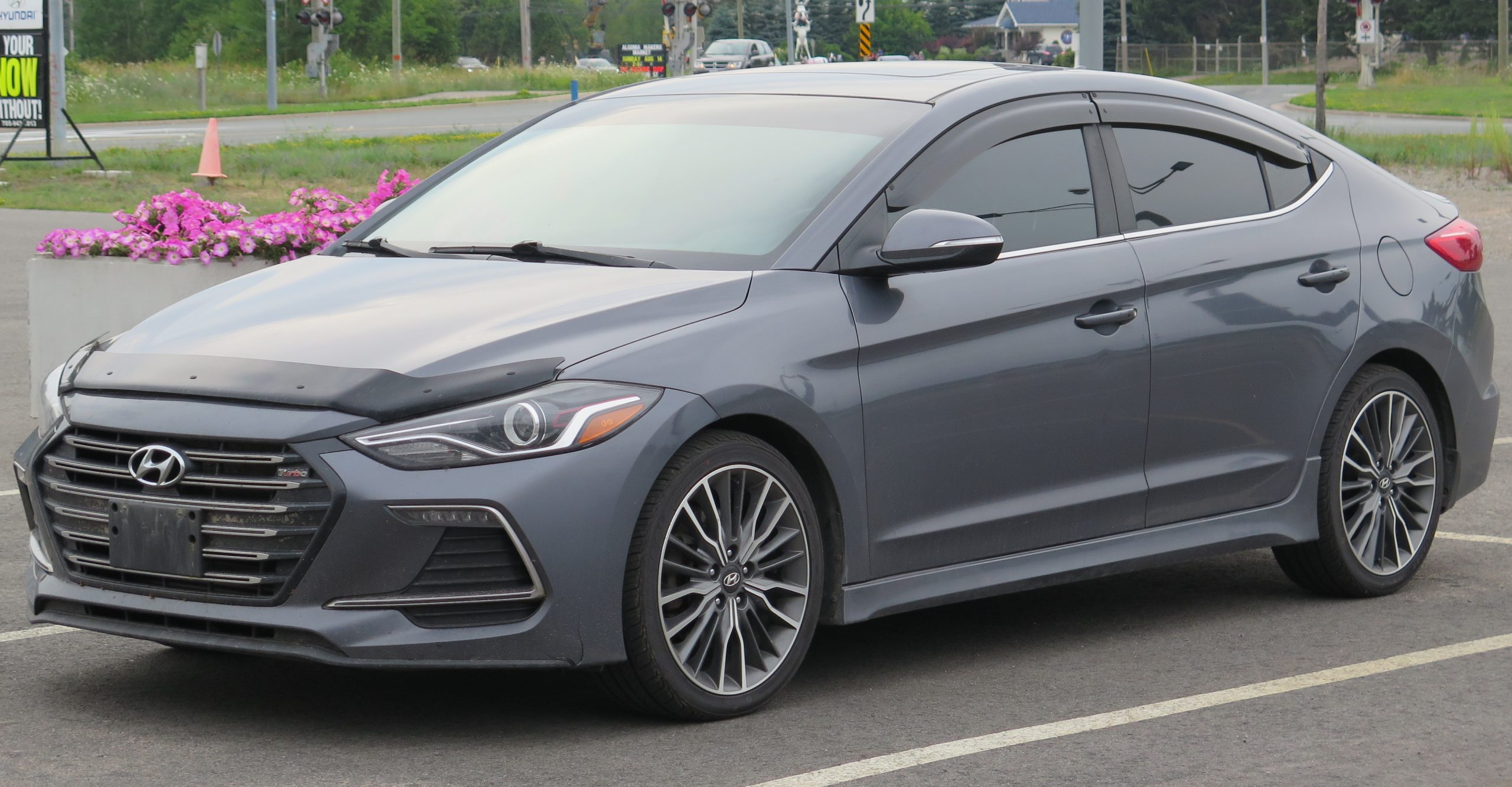
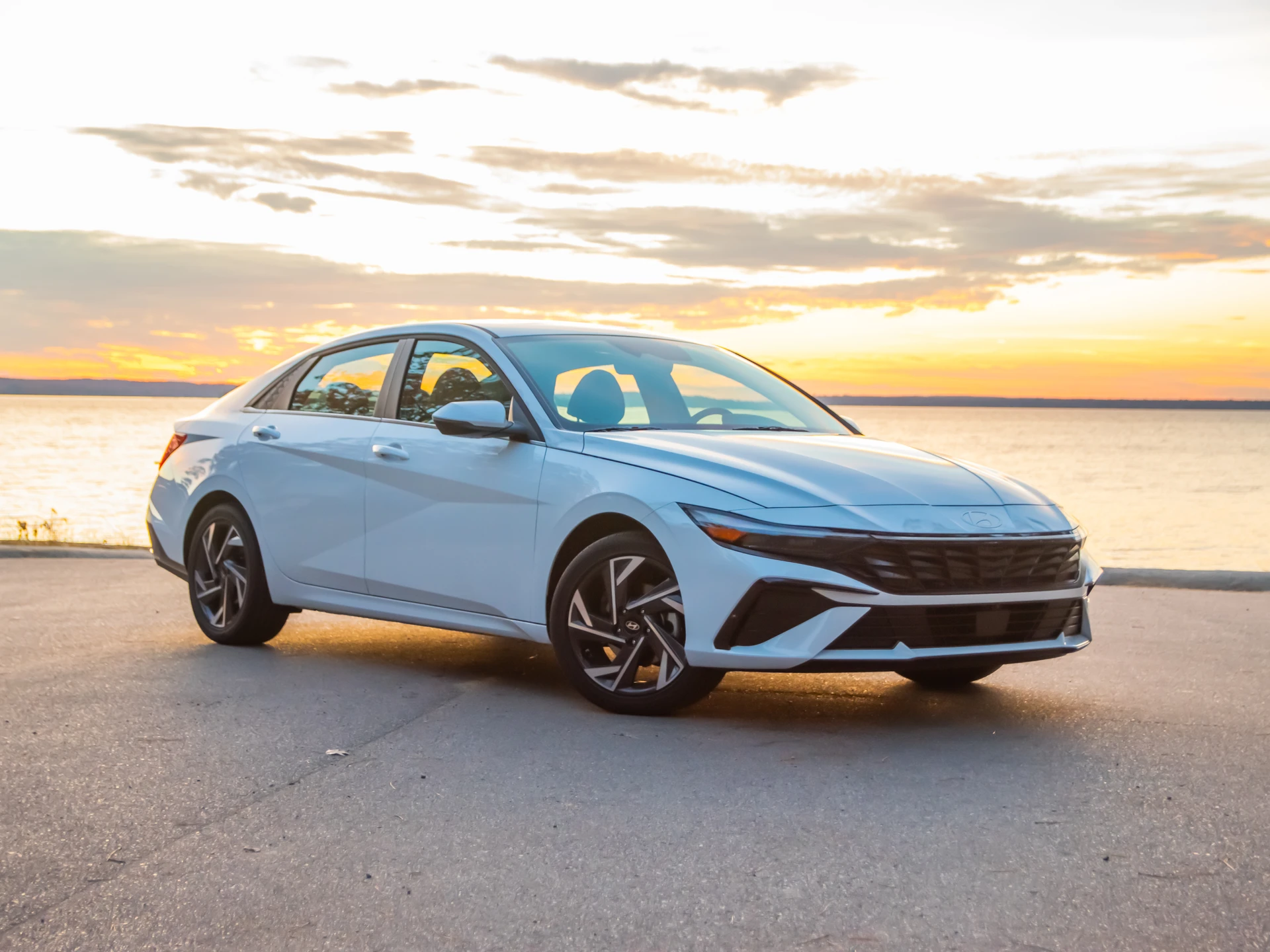
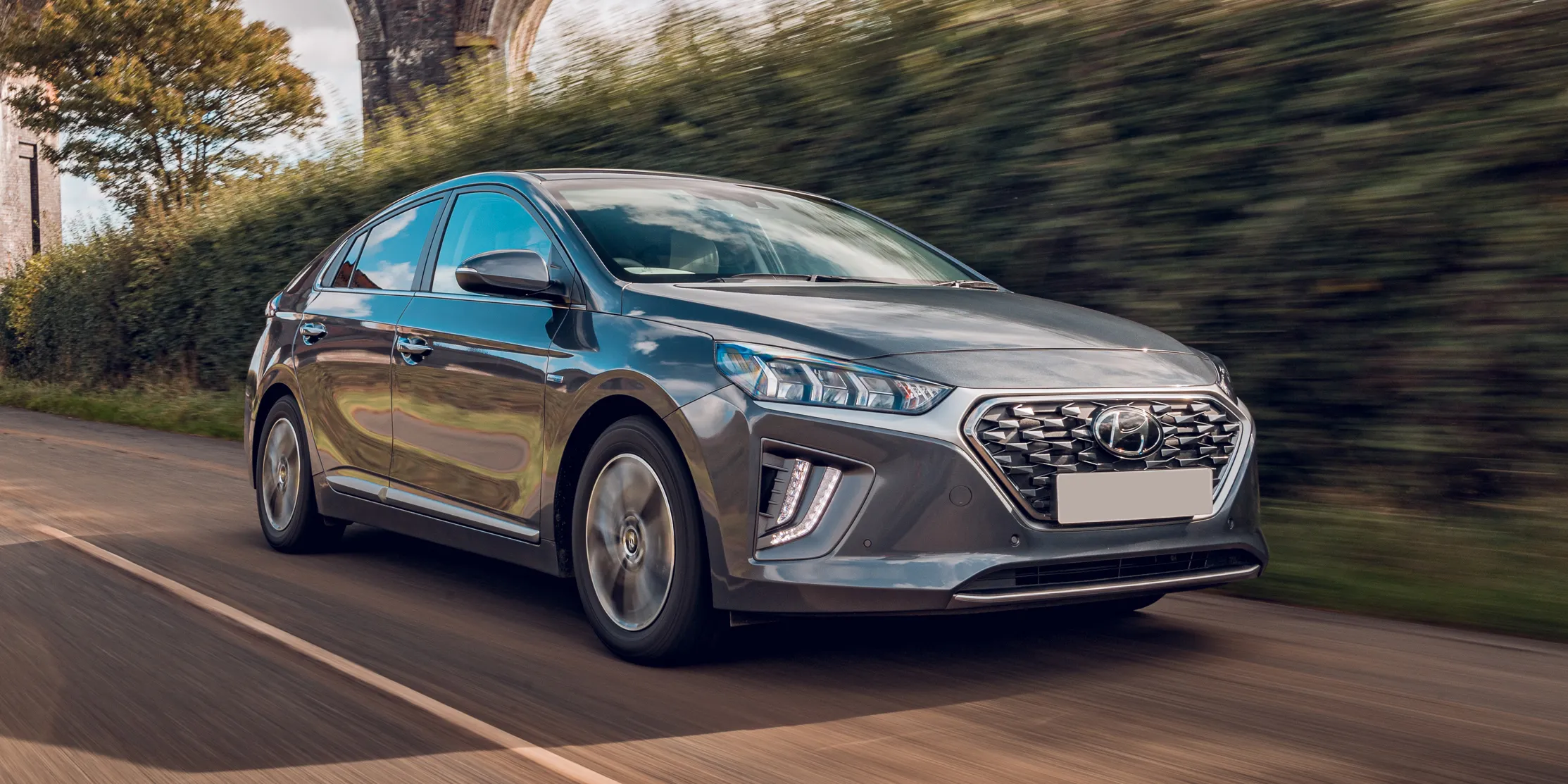
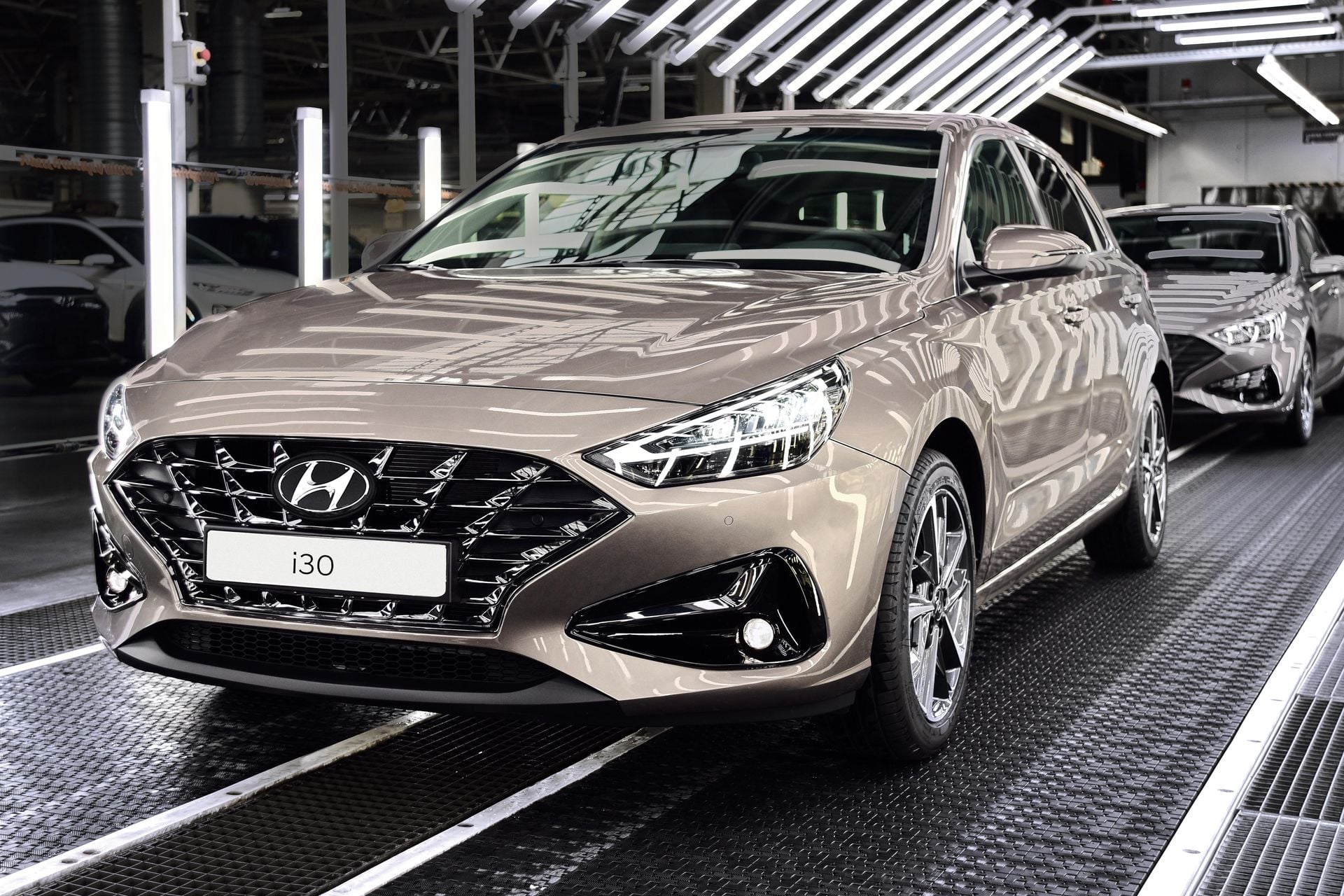
Hyundai vehicles are widely considered some of the most affordable cars to maintain in 2026. On average, owners spend between $450 and $550 annually on routine maintenance and unscheduled repairs, which is significantly lower than the industry average of approximately $720. This affordability is driven by a combination of high reliability, a comprehensive warranty program, and the widespread availability of parts.
Understanding Hyundai's Maintenance Cost Landscape in 2026
When evaluating whether a car brand is "expensive" to maintain, it is essential to distinguish between routine maintenance (scheduled services like oil changes and tire rotations) and unplanned repairs (fixing components that break prematurely). In both categories, Hyundai consistently outperforms many of its European and domestic competitors.
The primary reason for Hyundai’s low maintenance overhead is its engineering philosophy. Most Hyundai internal combustion engine (ICE) models use the Smartstream powertrain family, designed for high thermal efficiency and simplified serviceability. By 2026, these engines have matured, meaning mechanics across the country—not just at dealerships—are intimately familiar with their architecture. This widespread expertise keeps labor costs competitive. Furthermore, because Hyundai shares many platforms and components with its sibling brand, Kia, the economies of scale for replacement parts are massive, keeping the retail price of components like alternators, water pumps, and brake rotors relatively low.
The Impact of "America’s Best Warranty"
One cannot discuss Hyundai maintenance costs without mentioning the 10-year/100,000-mile powertrain limited warranty. While this does not cover "wear and tear" items like brake pads or windshield wipers, it acts as a financial safety net against the most expensive possible failures: engines and transmissions.
In 2026, as vehicle technology becomes increasingly complex with sophisticated sensors and hybrid systems, the cost of a major engine repair can easily exceed $5,000. For a Hyundai owner, this risk is largely mitigated for the first decade of ownership. Additionally, Hyundai's 5-year/60,000-mile new vehicle limited warranty (the "bumper-to-bumper" coverage) is more generous than the industry-standard 3-year/36,000-mile offering from brands like Toyota or Honda. This extended coverage significantly lowers the "out-of-pocket" repair costs during the first few years of ownership, which are often the most critical for a vehicle’s long-term health.
Comparing Hyundai Maintenance Costs by Model Segment
Not all Hyundais have the same upkeep requirements. A compact sedan like the Elantra will naturally be more affordable to maintain than a three-row SUV like the Palisade. Below is a breakdown of what owners can expect in 2026 across different segments.
Compact and Midsize Sedans (Elantra and Sonata)
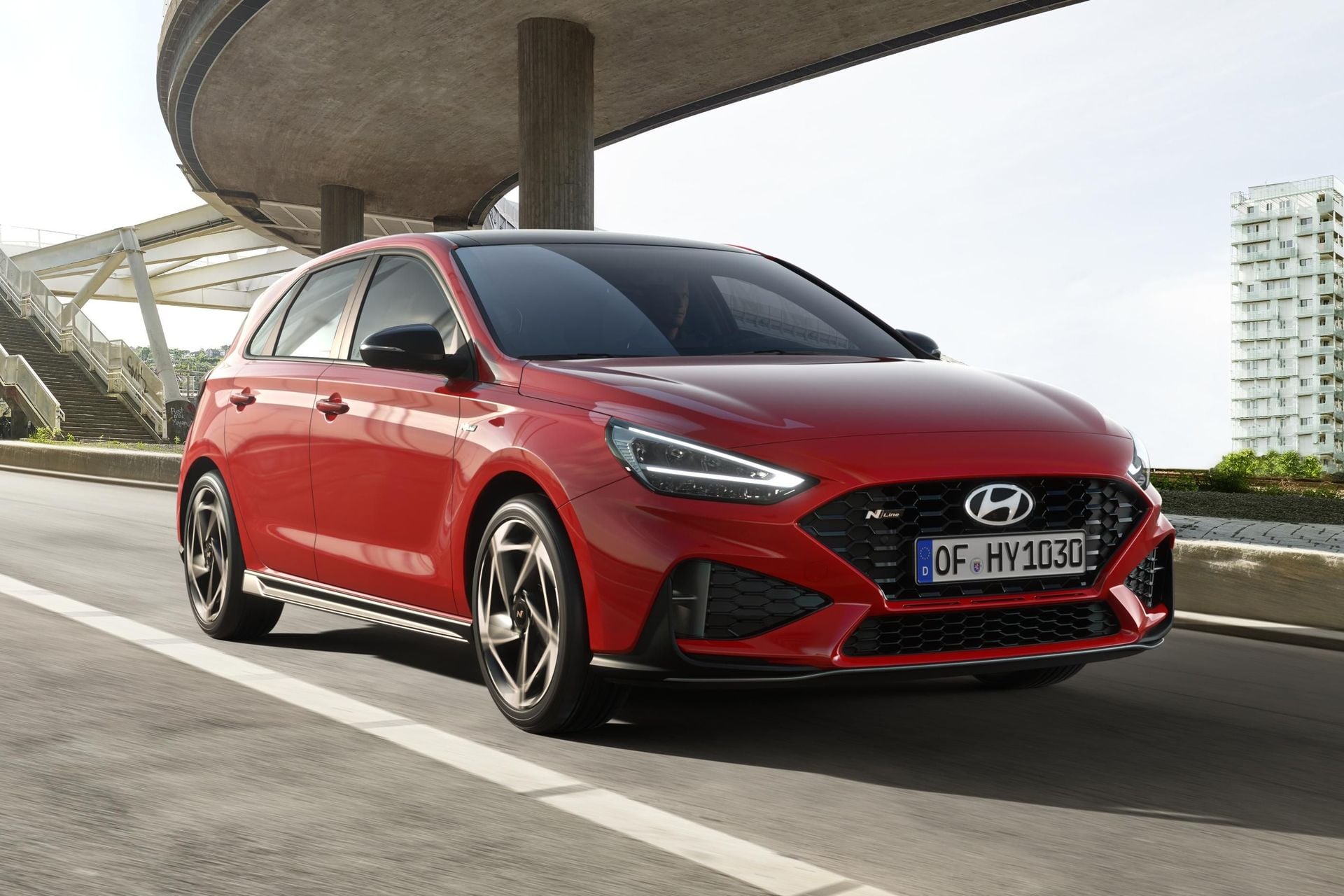
These models represent the pinnacle of Hyundai’s low-cost maintenance strategy. The Elantra, specifically, is often cited by data aggregators like RepairPal as having one of the lowest annual maintenance costs in the automotive industry. Most services involve basic fluid changes and cabin filter replacements. Because these cars use standard tire sizes (15 to 17 inches on base trims), replacement rubber is also significantly cheaper than it is for larger SUVs.
Crossovers and SUVs (Tucson, Santa Fe, and Palisade)
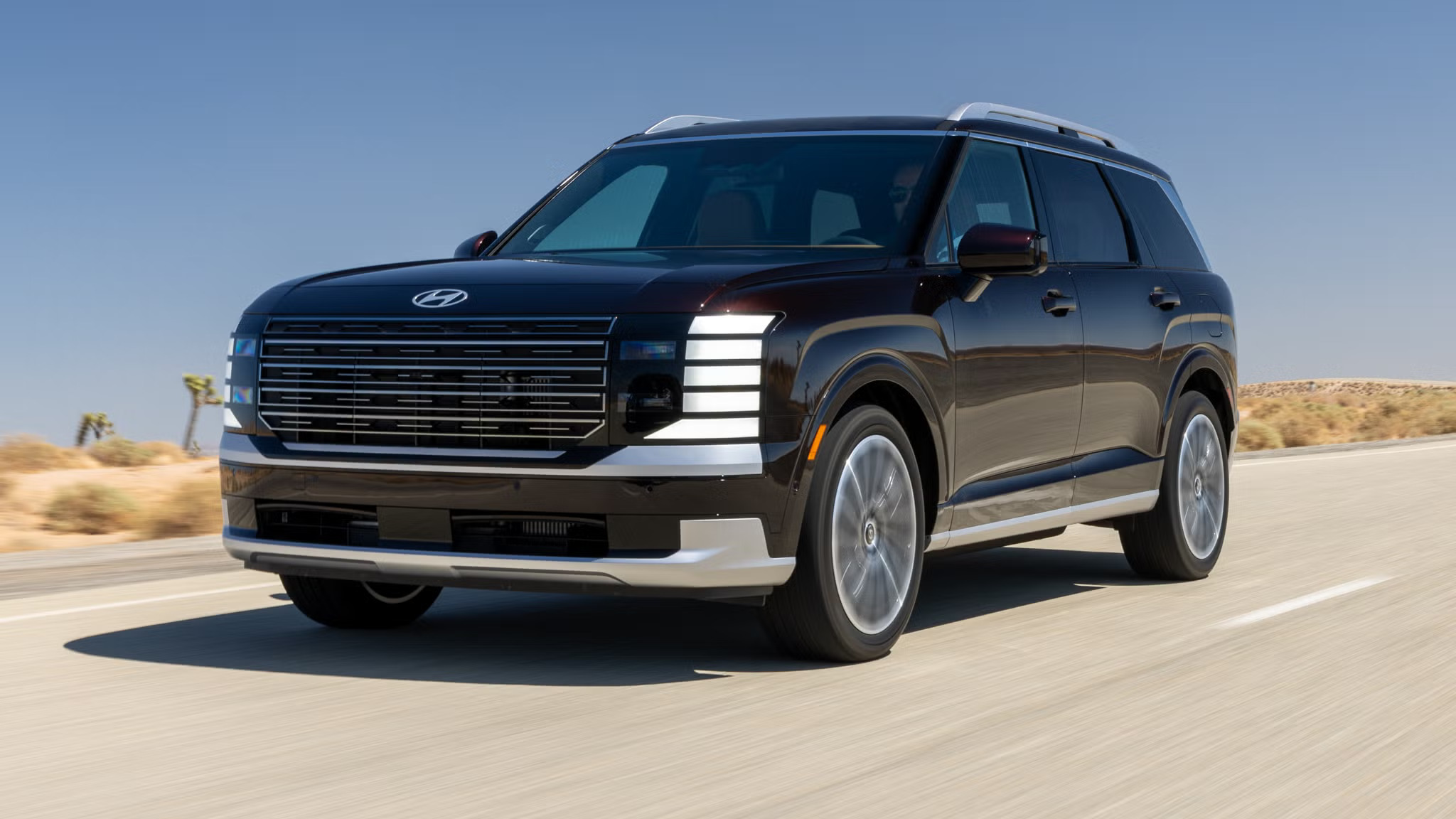
As you move up to SUVs, costs increase slightly due to larger components and more complex drivetrains. For example, the Hyundai Palisade features a V6 engine and an available HTRAC All-Wheel Drive (AWD) system. AWD vehicles require periodic differential fluid changes and transfer case inspections that front-wheel-drive sedans do not. Furthermore, the 20-inch tires found on higher-trim Palisades can cost double what an Elantra owner pays for a set. However, even with these factors, the Tucson and Santa Fe remain more affordable to service than comparable models from Jeep or Ford.
Electric Vehicles (Ioniq 5 and Ioniq 6)
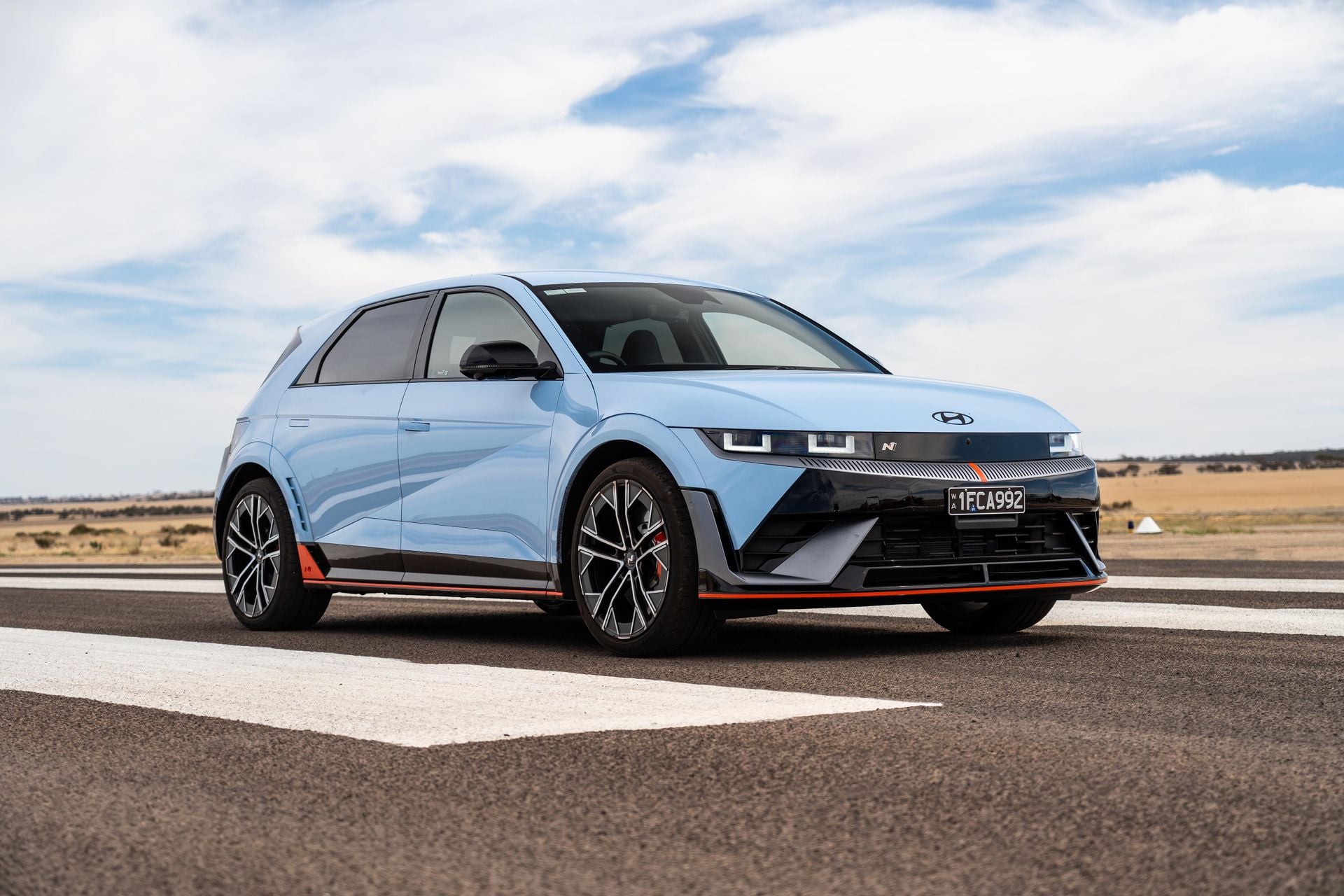
By 2026, the Ioniq line has become a major part of Hyundai’s fleet. Maintenance for these EVs is fundamentally different. There are no oil changes, spark plugs, or timing belts. However, EV owners should be prepared for higher tire wear due to the heavy weight of the batteries and the high instant torque. Additionally, the specialized low-conductivity coolant used in Hyundai’s E-GMP platform battery packs requires a specific flush every 35,000 to 40,000 miles, which can be more expensive than a traditional radiator flush.
| Model Category | Estimated Annual Maintenance (2026) | 5-Year Total Estimated Cost | Relative Reliability Rating |
|---|---|---|---|
| Compact Sedan (Elantra) | $430 - $460 | $2,150 - $2,300 | Very High |
| Midsize SUV (Tucson) | $480 - $530 | $2,400 - $2,650 | High |
| Full-Size SUV (Palisade) | $590 - $650 | $2,950 - $3,250 | Above Average |
| Electric Sedan (Ioniq 6) | $300 - $350 | $1,500 - $1,750 | Very High |
| Industry Average | $720 | $3,600 | N/A |
Reliability and Common Long-Term Issues
While Hyundai is generally affordable, prospective buyers should be aware of historical and potential issues that could impact long-term costs. In the early 2020s, Hyundai faced challenges regarding the Theta II engine and high-profile recalls. While 2026 models utilize the improved Smartstream architecture, which has resolved many of these legacy oil-consumption and knocking issues, it highlights the importance of adhering to the manufacturer's oil change intervals.
Modern Hyundais are heavily reliant on electronics. The integrated infotainment systems and Advanced Driver Assistance Systems (ADAS) (like Highway Driving Assist 2) are robust but can be expensive to calibrate if the vehicle is involved in a minor collision or if a windshield needs replacement. If a sensor fails outside of the warranty period, the cost of the part itself can be several hundred dollars, plus the labor for specialized calibration software.
The Role of Hyundai Complimentary Maintenance
For new car buyers in 2026, the Hyundai Complimentary Maintenance program remains a significant value proposition. Typically covering the first 3 years or 36,000 miles, this program includes oil and filter changes plus tire rotations at no cost to the owner. This essentially eliminates maintenance expenses for the first few years of ownership, allowing the owner to build a "maintenance fund" for later years.
Scheduled Maintenance Tasks and Intervals
To keep a Hyundai running affordably into its second decade, following the "Normal" vs. "Severe" maintenance schedules is critical. In many parts of the United States, driving conditions are actually classified as "Severe" (stop-and-go traffic, extreme heat or cold, or short trips).
- Oil Changes (Every 7,500 to 10,000 miles): Hyundai specifies synthetic oil for most modern engines. While synthetic oil is more expensive per quart, the extended intervals mean you visit the shop less frequently.
- Tire Rotations (Every 5,000 to 7,500 miles): Essential for AWD models to prevent strain on the drivetrain.
- Air and Cabin Filters (Every 15,000 to 20,000 miles): These are inexpensive and can often be replaced by the owner to save on labor costs.
- Brake Fluid Flush (Every 30,000 miles): Often overlooked, this is vital for maintaining the responsiveness of the ABS and stability control systems.
- Coolant Service (Initial at 120,000 miles, then every 30,000 miles): Hyundai uses long-life coolants that require very little attention during the first several years of the vehicle's life.
How Hyundai Compares to Key Competitors
When comparing Hyundai to other major brands, the value proposition remains strong.
- Toyota: Generally considered the benchmark for reliability. Toyota's maintenance costs are remarkably similar to Hyundai's, though Toyota parts can sometimes carry a slight premium. However, Toyota’s standard powertrain warranty is only 5 years/60,000 miles, giving Hyundai the edge in long-term financial protection.
- Honda: Similar to Toyota, Honda has a stellar reputation. However, in recent years, some Honda models have moved toward more complex turbocharged engines that require meticulous maintenance. Hyundai’s 2026 lineup offers a wider variety of naturally aspirated and hybrid options that are often simpler to maintain.
- European Brands (VW, BMW, Audi): There is no contest here. European vehicles often require specialized tools, expensive European-spec synthetic oils, and have much higher parts costs. A typical Audi A4 can cost nearly double the annual maintenance of a Hyundai Sonata over a ten-year period.
According to data from J.D. Power, Hyundai consistently ranks in the top tier for "Long-Term Dependability," which directly correlates to fewer visits to the mechanic for unplanned repairs.
Tips for Minimizing Hyundai Maintenance Costs
Even with a brand as affordable as Hyundai, there are ways to further reduce your total cost of ownership:
- Utilize Independent Specialists: For maintenance that isn't covered by the complimentary program, independent shops that specialize in Korean or Asian imports often have lower labor rates than dealerships.
- Keep Meticulous Records: If you ever need to make a claim under the 100,000-mile powertrain warranty, Hyundai will require proof that the vehicle was maintained according to the schedule. Using a digital log or an app to track services is highly recommended.
- Check for Software Updates: Modern Hyundais frequently receive "Over-the-Air" (OTA) updates. Ensuring your vehicle's software is up to date can often fix minor glitches in the transmission shifting or infotainment system without a physical repair.
- Inspect the GDI Valves: Many Hyundai engines use Gasoline Direct Injection (GDI). Over time, carbon can build up on the intake valves. Using high-quality "Top Tier" gasoline and an occasional fuel system cleaner can help mitigate this, potentially saving you from a multi-hundred-dollar walnut blasting service later in the car’s life.
Is a Hyundai Right for Your Budget?
For the vast majority of drivers in 2026, a Hyundai represents one of the most fiscally responsible choices in the automotive market. The combination of low entry prices, exceptional warranty coverage, and lower-than-average parts costs makes it a leader in "Total Cost of Ownership" (TCO) metrics.
While no vehicle is entirely maintenance-free, Hyundai’s shift toward more reliable engine architectures and a robust EV platform has solidified its position as a brand that won't break the bank after you leave the showroom. If you prioritize predictable, low-cost automotive upkeep, Hyundai remains a top-tier recommendation.
Frequently Asked Questions
Does Hyundai's 10-year warranty cover maintenance? No, the 10-year/100,000-mile warranty is a powertrain warranty, meaning it covers the internal components of the engine, transmission, and drivetrain against manufacturing defects. It does not cover routine maintenance like oil changes, brake pads, or tires. However, new Hyundais in 2026 typically include a separate "Complimentary Maintenance" program for the first 3 years of ownership.
Are Hyundai parts expensive compared to Toyota? Generally, no. Hyundai and Toyota parts are priced very competitively. In some cases, Hyundai parts may even be slightly cheaper because Hyundai owns a significant portion of its supply chain through its affiliate, Hyundai MOBIS, which manufactures many of the components in-house.
Why are some people saying Hyundai engines are unreliable? This reputation largely stems from issues with the older Theta II engines used in the mid-2010s, which were subject to significant recalls. Since then, Hyundai has introduced the Smartstream engine family, which features redesigned oil galleries and improved cooling. By 2026, these newer engines have demonstrated a much higher level of reliability in real-world conditions.
How much does a typical Hyundai oil change cost in 2026? Depending on your location and whether you use a dealership or an independent shop, a full synthetic oil change for a Hyundai typically costs between $75 and $110. This usually includes a genuine Hyundai OEM filter and up to 5 or 6 quarts of oil.
Do Hyundai EVs cost less to maintain than their gas cars? Yes, in the long run. Hyundai Ioniq models do not require engine oil changes, transmission services, or spark plug replacements. While they require more frequent tire replacements and specialized coolant services, the overall maintenance budget for a Hyundai EV is roughly 30% to 40% lower than its gasoline counterparts over a five-year period.
Recommendation for Next Steps If you are considering a used Hyundai, always request a CARFAX or AutoCheck report to ensure the previous owner adhered to the maintenance schedule, especially for GDI engines. If buying new, ensure you understand the specific terms of the Complimentary Maintenance program in your region, as these can vary slightly by dealership.