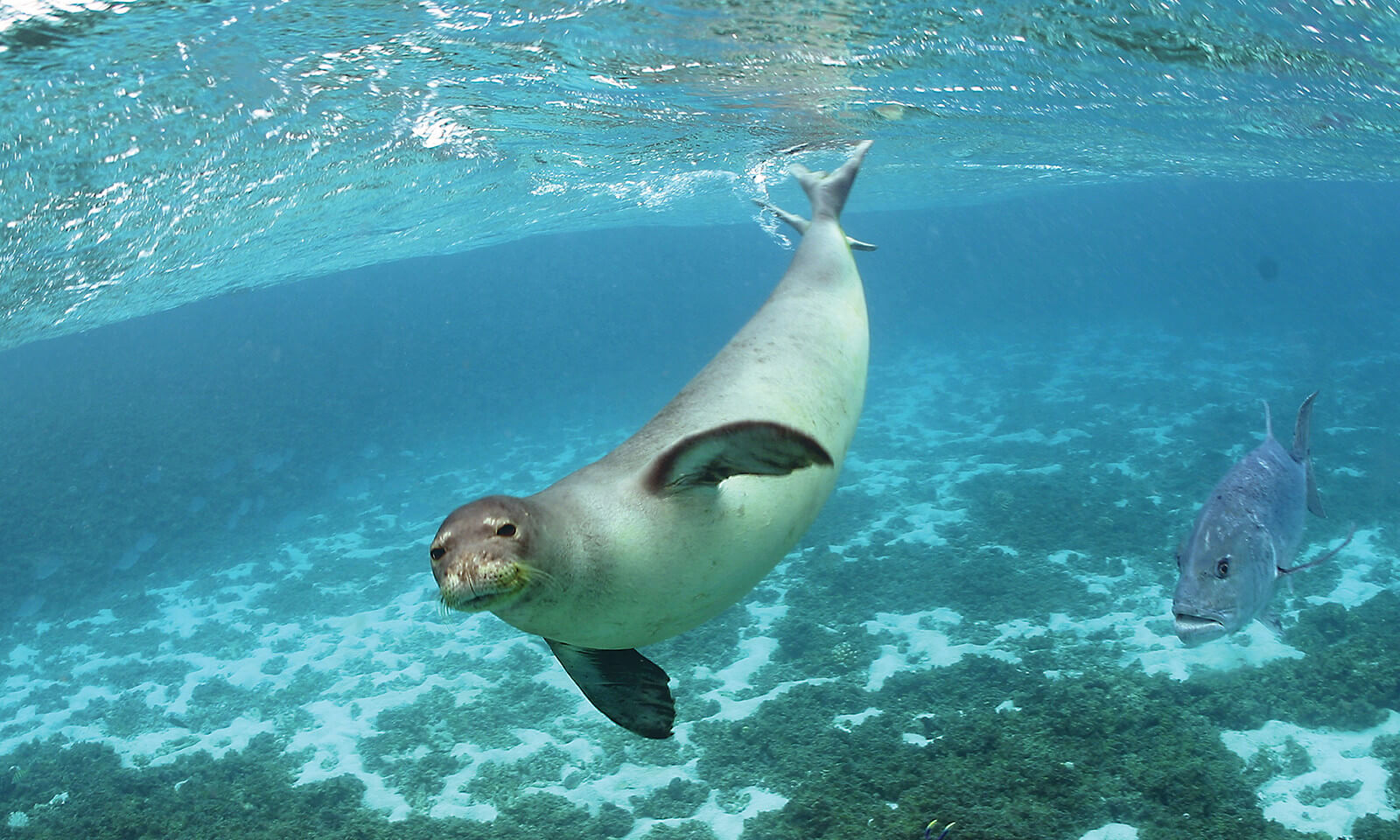
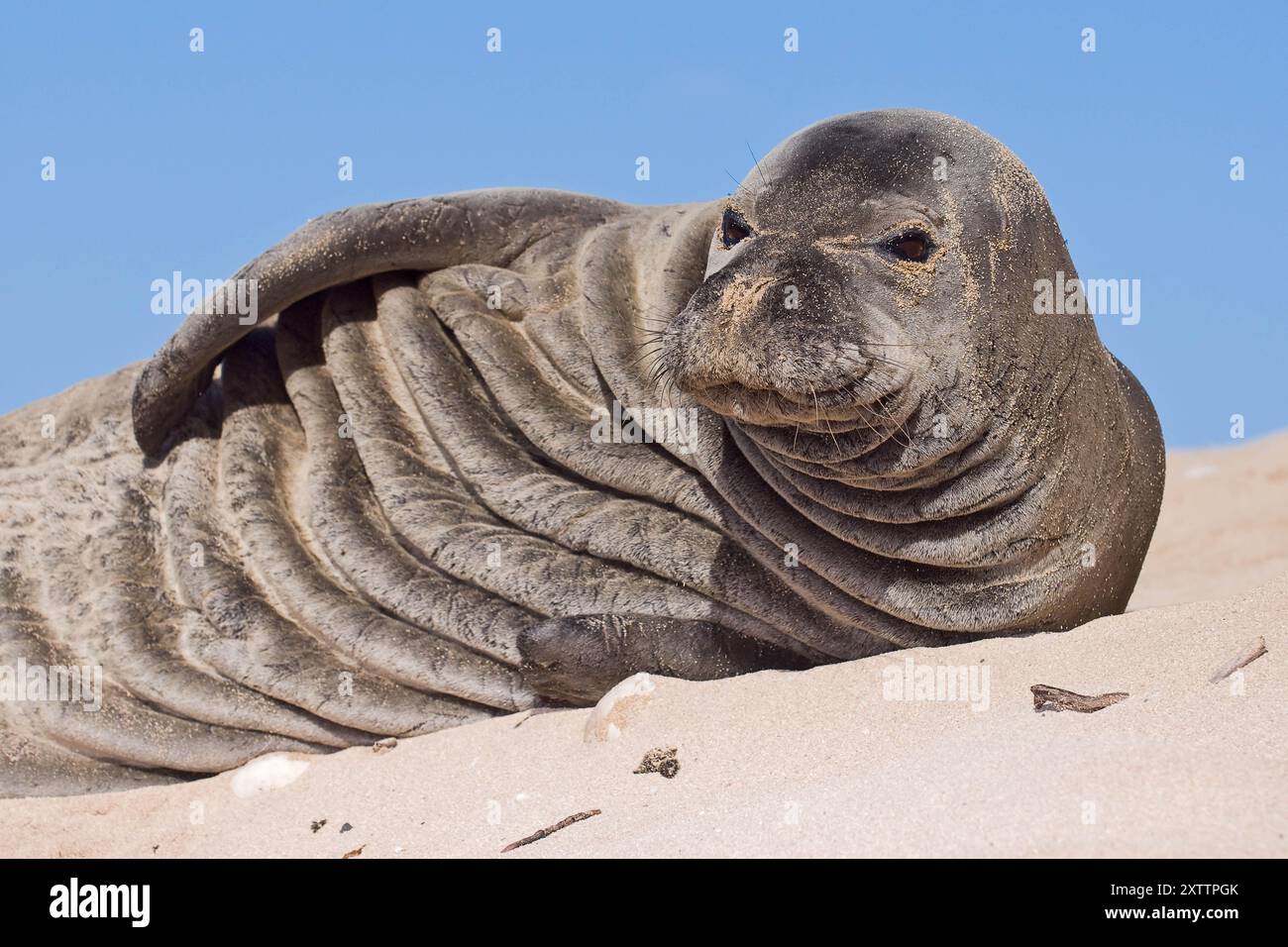
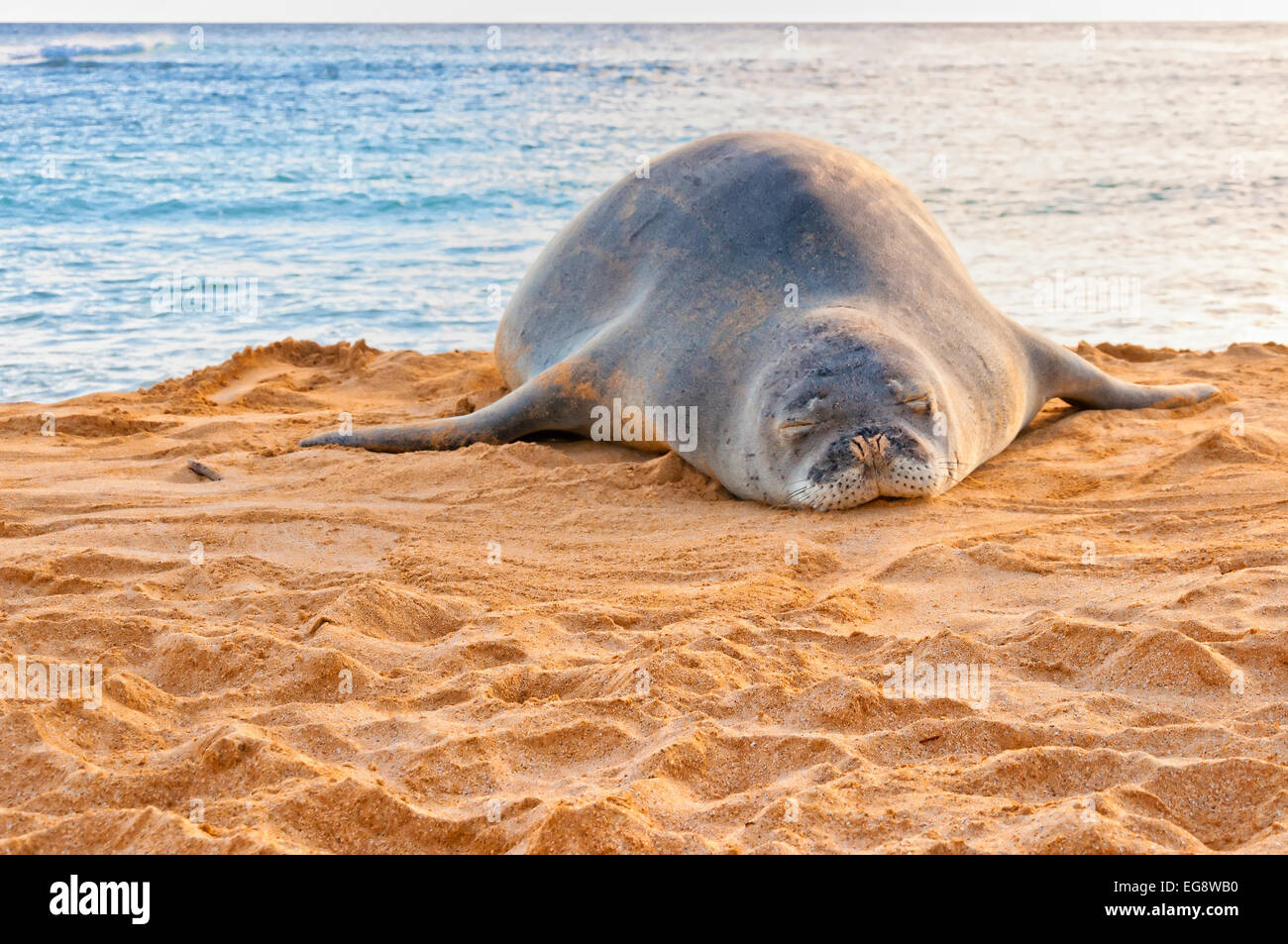
Yes, the Hawaiian monk seal (Neomonachus schauinslandi) remains listed as an endangered species under the U.S. Endangered Species Act (ESA) as of 2026. While their population has shown a promising upward trend over the last decade, reaching approximately 1,600 individuals, they continue to face significant threats from habitat loss, disease, and human interference.
The Hawaiian monk seal is one of the rarest marine mammals in the world and the only seal species native to the Hawaiian Islands. Known to Native Hawaiians as "ʻIlio-holo-i-ka-uaua" (dog that runs in rough water), these animals are endemic to the archipelago. Despite intensive conservation efforts led by the National Oceanic and Atmospheric Administration (NOAA) and various non-profit partners, the road to full recovery is long. To understand why they remain endangered, one must look at the complex interplay of biological, environmental, and human factors that govern their survival across the 1,500-mile stretch of the Hawaiian Islands.
The Legal Framework: ESA and MMPA Status
The endangered status of the Hawaiian monk seal is not merely a biological observation but a legal designation that triggers specific federal protections. They were first listed as endangered under the Endangered Species Act in 1976. Additionally, they are classified as a "depleted" species under the Marine Mammal Protection Act (MMPA).
Under these laws, it is illegal to "take" a monk seal. In legal terms, "take" is defined broadly to include harassing, hunting, capturing, killing, or even attempting to engage in such conduct. In 2026, these protections remain the cornerstone of recovery efforts. The ESA requires the federal government to designate "critical habitat" for the species—areas essential to their conservation—which includes both the remote Northwestern Hawaiian Islands (NWHI) and the populated Main Hawaiian Islands (MHI).
The recovery goal for the species is not just about preventing extinction but reaching a "downlisting" threshold. For the Hawaiian monk seal to be moved from "Endangered" to "Threatened," the population must meet specific criteria regarding total numbers and geographic distribution, ensuring that a single localized catastrophe (like a disease outbreak) wouldn't wipe out the entire species.
Population Trends: Northwestern vs. Main Hawaiian Islands
To understand the current status of the monk seal, it is necessary to distinguish between the two primary sub-populations. The vast majority of monk seals live in the Northwestern Hawaiian Islands, a chain of remote atolls within the Papahānaumokuākea Marine National Monument. However, a small but growing population resides in the Main Hawaiian Islands (Oahu, Kauai, Maui, Molokai, Lanai, and Hawaii Island).
The Northwestern Hawaiian Islands (NWHI)
Historically, the NWHI held the bulk of the population. However, this region has faced severe challenges. For decades, the population there declined due to poor juvenile survival rates, often linked to food limitation and shark predation. While these numbers have stabilized and shown slight growth in recent years, the NWHI environment is increasingly volatile due to climate change. As of 2026, researchers continue to monitor these remote atolls closely, as they represent the genetic stronghold of the species.
The Main Hawaiian Islands (MHI)
The MHI population is a relatively recent phenomenon in terms of modern record-keeping. In the mid-20th century, sightings in the main islands were rare. Today, the MHI population is estimated to be around 300 to 400 individuals and is generally healthier than the NWHI population. The seals in the main islands tend to be larger and have higher successful birth rates, likely due to more abundant food resources. However, this proximity to humans creates a different set of challenges, including boat strikes, fishing gear entanglement, and domestic animal diseases.
Primary Threats to Survival in 2026
The reason the Hawaiian monk seal remains endangered is that the threats against them are diverse and persistent. Conservationists categorize these threats into natural and anthropogenic (human-caused) factors.
1. Toxoplasmosis: The Silent Killer
Perhaps the most significant threat in the Main Hawaiian Islands is toxoplasmosis. This disease is caused by the parasite Toxoplasma gondii, which reproduces only in the digestive tracts of felids (cats). When cat feces enter the watershed through runoff, the oocysts (eggs) contaminate the marine environment. Monk seals ingest these oocysts, leading to severe organ inflammation and, almost inevitably, death. Since seals have no natural immunity to this terrestrial parasite, a single infection is often fatal. By 2026, mitigating runoff and managing feral cat populations near coastal areas remain high-priority conservation goals.
2. Marine Debris and Entanglement
Monk seals are curious creatures, particularly as juveniles. The Hawaiian archipelago acts as a "comb," catching massive amounts of "ghost nets" and plastic debris circulating in the North Pacific Subtropical Gyre. Seals can become entangled in these nets, leading to drowning, starvation, or deep physical trauma. NOAA divers spend months each year in the NWHI physically removing tons of debris from reefs and beaches to prevent these tragedies.
3. Food Limitation and Predation
In the NWHI, young seals face intense competition for food with large predatory fish like ulua (jacks) and sharks. If a pup cannot find enough small fish and cephalopods to sustain its growth, it becomes weak and more susceptible to predation by Galapagos sharks. In some atolls, shark predation has been a major driver of juvenile mortality, necessitating active intervention by biologists who sometimes relocate pups to "nursery" islands with lower predator densities.
4. Climate Change and Habitat Loss
The NWHI consist of low-lying atolls, some only a few feet above sea level. Rising sea levels and increased storm intensity are literally washing away the islands where monk seals pup and rest. A notable example occurred in 2018 when Hurricane Walaka completely submerged East Island in the French Frigate Shoals. As these terrestrial habitats disappear, seals lose the safe ground needed to nurse their young and molt their fur, which are critical stages of their life cycle.
Comparative Overview of Hawaiian Monk Seal Status
The following table compares the current status and primary pressures of the two distinct Hawaiian monk seal sub-populations as of 2026.
| Feature | Northwestern Hawaiian Islands (NWHI) | Main Hawaiian Islands (MHI) |
|---|---|---|
| Population Size | ~1,200 - 1,300 | ~300 - 400 |
| Growth Trend | Stable / Slow Growth | Increasing |
| Primary Threat | Habitat Loss & Food Competition | Toxoplasmosis & Human Interaction |
| Predation Risk | High (Galapagos Sharks) | Low |
| Human Contact | Minimal (Scientists only) | High (Tourists & Residents) |
| Key Location | French Frigate Shoals, Laysan, Midway | Kauai, Oahu, Molokai |
Conservation Success Stories and Interventions
Despite the "Endangered" label, the story of the Hawaiian monk seal is one of incredible resilience and successful human intervention. It is estimated that approximately 30% of the monk seals alive today are either alive themselves or are the descendants of seals that survived due to a direct conservation intervention.
The Role of Ke Kai Ola
The Marine Mammal Center operates a dedicated hospital for monk seals called Ke Kai Ola on Hawaii Island. This facility allows veterinarians to treat malnourished pups from the NWHI or injured seals from the MHI. Once rehabilitated, these seals are returned to their home islands, providing a vital boost to the population’s survival rate.
Vaccination Programs
In an unprecedented move for marine mammal conservation, NOAA launched a vaccination program to protect monk seals against morbillivirus (a virus similar to distemper). Because the population is so small and geographically concentrated, a single outbreak of a highly contagious virus could decimate the species. By proactively vaccinating seals, scientists are building "herd immunity" within the wild population.
Community Outreach and "Pono" Practices
In the Main Hawaiian Islands, conservation relies heavily on the public. Volunteer networks respond to "haul-outs"—whenever a seal comes ashore to rest or molt—by setting up temporary perimeters to keep beachgoers at a safe distance. Educating the public on how to share the shore is essential for reducing stress on the animals and preventing "human-habituation," where seals lose their natural fear of people.
Human-Wildlife Conflict and Mitigation
As the population in the Main Hawaiian Islands grows, interactions between humans and seals have become more frequent. This has led to occasional conflicts, particularly with the local fishing community. Seals are sometimes accused of "stealing" fish or damaging nets.
However, research into monk seal diets shows that they primarily hunt for small, bottom-dwelling prey like eels, octopuses, and small reef fish—species that are not typically the primary targets of commercial or recreational fishers. To mitigate conflict, NOAA works with fishers to develop "seal-safe" gear and provides guidelines on what to do if a seal is accidentally hooked. Reporting an accidental hooking immediately is crucial, as it allows specialized teams to remove the hook before it causes internal damage or infection.
Guidelines for Residents and Visitors
Because the Hawaiian monk seal is protected by federal law, there are specific guidelines that everyone in Hawaii must follow. These are designed to protect both the seals and the public, as a mother monk seal can be very aggressive if she perceives a threat to her pup.
- Maintain Distance: Stay at least 50 feet (15 meters) away from monk seals. If it is a mother and pup, increase that distance to at least 150 feet (45 meters).
- Do Not Feed: Feeding a monk seal is a federal offense. It also teaches the seal to associate humans with food, which often leads to the seal being struck by boats or becoming entangled in fishing gear.
- Keep Dogs Leashed: Dogs can transmit diseases to seals and can also provoke attacks. Always keep pets on a leash when a seal is present on the beach.
- Report Sightings: If you see a monk seal, especially one that appears injured, entangled, or in a crowded area, call the NOAA Marine Wildlife Hotline.
Frequently Asked Questions
Why are they called "monk" seals?
The name comes from the folds of skin around their necks that resemble a monk’s cowl, as well as their solitary nature. Unlike many other seal species that live in large, social colonies, Hawaiian monk seals spend much of their time alone or in very small groups.
How long do Hawaiian monk seals live?
In the wild, they typically live between 25 and 30 years. Their age can often be determined by their size and the condition of their teeth, though biologists also use flipper tags to track specific individuals throughout their lives.
Can I swim with Hawaiian monk seals?
No. You should never intentionally swim with or approach a monk seal in the water. If a seal approaches you while you are swimming or snorkeling, you should remain calm and move away slowly. Seeking out interaction is considered harassment under federal law.
How many Hawaiian monk seals are left in 2026?
The estimated population in 2026 is approximately 1,600 individuals. While this is a significant improvement from the low point of around 1,100 in the early 2000s, it is still well below the numbers required for the species to be considered "recovered."
Why are they only found in Hawaii?
Hawaiian monk seals are endemic, meaning they evolved specifically in the Hawaiian archipelago and are found nowhere else on Earth. They are one of only two remaining species of monk seals; the Mediterranean monk seal is also critically endangered, while the Caribbean monk seal was declared extinct in the 20th century.
Moving Forward: The Future of the Species
The status of the Hawaiian monk seal in 2026 is a testament to the power of dedicated conservation science. While they remain endangered, the trend is one of cautious optimism. The survival of the species depends on a multi-faceted approach: protecting the remote wilderness of the Northwestern Hawaiian Islands, managing the health and safety of the seals in the Main Hawaiian Islands, and addressing the global threat of climate change.
For residents and visitors to Hawaii, the best way to support the recovery of these "living fossils" is through respectful coexistence. By giving them space to rest and reporting sightings to authorities, we ensure that the ʻIlio-holo-i-ka-uaua continues to swim in Hawaiian waters for generations to come.