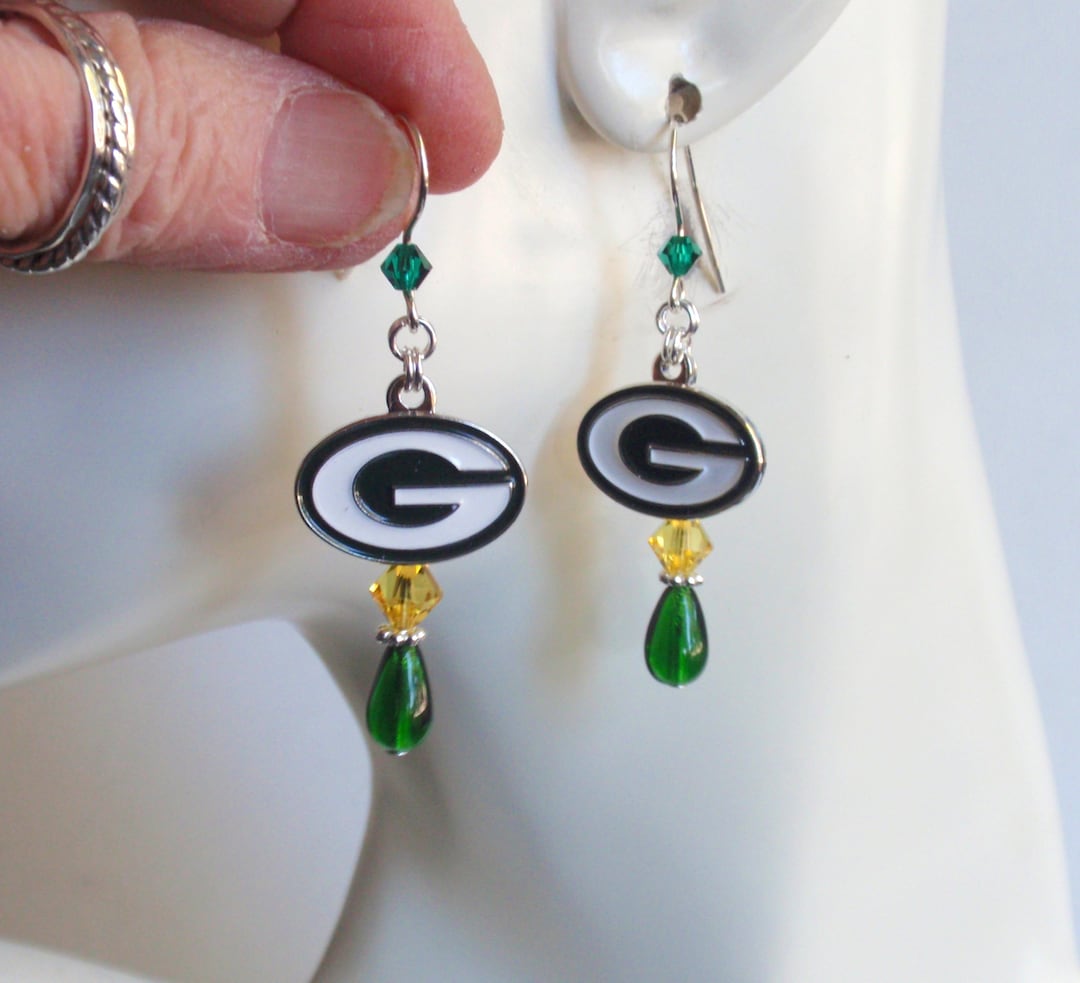
From a traditional financial perspective, Green Bay Packers stock is not a good investment because it offers no dividends, cannot appreciate in value, and is virtually non-transferable. However, as a symbolic investment in community heritage and a "legacy asset" for fans, it provides unique emotional returns and ensures the team remains in Green Bay.
To understand whether the "Green and Gold" is a wise place to put your money, one must first dismantle the word "investment." In the world of Wall Street, an investment is an asset acquired with the goal of generating income or appreciation. In the world of Titletown, an investment is a philanthropic gesture toward a non-profit corporation to preserve a cultural institution. As of 2026, the Green Bay Packers remain the only major community-owned professional sports franchise in the United States, a status maintained through a series of six historic stock offerings.
The Unique Legal and Financial Structure of Packers Stock
The Green Bay Packers, Inc., is a publicly owned, non-profit corporation. This is a radical departure from the ownership models of the other 31 NFL teams, which are typically held by billionaires or private equity groups. When an individual purchases a share of Packers stock, they are technically becoming a "shareholder," but the legal definition of that role is severely limited by the organization’s bylaws and NFL regulations.
First and foremost, the stock pays no dividends. If the team earns a massive profit from television contracts or jersey sales, that money is reinvested into Lambeau Field or the team’s "rainy day" fund; it is never distributed to the fans. Furthermore, the stock cannot appreciate. A share purchased for $25 in 1950 or $300 in 2021 is still worth exactly its face value—or arguably less when adjusted for inflation—because there is no secondary market where it can be sold for a profit.
The transferability of the stock is also highly restricted. Shareholders cannot sell their shares to a third party. They can only transfer shares to "immediate family members" (spouses, children, siblings, etc.) via formal request. If a shareholder wishes to dispose of their stock for any other reason, the corporation reserves the right to buy it back for a fraction of a cent. Essentially, the money spent on a share is a permanent contribution to the franchise.
Evaluating the "Emotional ROI" and Symbolic Value
Since the financial return is zero, the "good" in this investment must be measured by different metrics. For many fans, the value lies in the Emotional ROI (Return on Investment). Owning a share provides a sense of "skin in the game" that no other sports fan can claim.
The Rights of a Shareholder
While you cannot trade your shares on an exchange, being a "Green and Gold" owner does come with specific, tangible perks that have maintained their value through 2026:
- Voting Rights: Shareholders are entitled to vote for the team’s Board of Directors. While this is largely a ceremonial process for the average fan, it is the mechanism that ensures the team is governed by a community-focused board rather than a single profit-motivated individual.
- The Annual Meeting: Shareholders receive an invitation to the annual meeting at Lambeau Field. This event allows fans to sit in the bowl, hear reports from the President and General Manager, and experience the stadium in a non-game-day environment.
- Exclusive Merchandise: Owners have access to a specific line of "Shareholder" apparel and collectibles that are not available to the general public.
- The Certificate: For many, the high-quality paper certificate, suitable for framing, is the primary "product." It serves as a status symbol within the fan base and a piece of sports history.
Historical Context: When and Why the Packers Sell Stock
The Packers do not sell stock continuously. Offerings are rare events triggered by a need for massive capital expenditures, such as stadium renovations or expansion projects. To date, there have been six major offerings:
- 1923: The original offering that saved the team from bankruptcy, selling shares at $5 each.
- 1935: Triggered by a lawsuit and the need to reorganize after the team went into receivership.
- 1950: A critical "Save the Packers" drive that raised over $100,000 to prevent the team from folding.
- 1997: The first modern-era sale, which funded the redevelopment of Lambeau Field.
- 2011: Raised approximately $67 million for the expansion of the South End Zone.
- 2021: Authorized by the NFL to fund concourse upgrades and new video boards.
As we look at the landscape in 2026, the funds from these historical sales have allowed the Packers to maintain one of the most technologically advanced and historically preserved stadiums in the world without relying entirely on local taxpayer money. This "investment" by fans is what keeps the team in the smallest market in professional sports.
Comparative Analysis: Packers Stock vs. Traditional Assets
To illustrate the gap between this and a standard financial instrument, consider the following comparison based on 2026 market realities.
| Feature | Green Bay Packers Common Stock | S&P 500 Index Fund (Standard) |
|---|---|---|
| Dividend Yield | 0% | Historically ~1.3% to 2% |
| Capital Appreciation | None (Value is fixed/zero) | Variable (Long-term growth) |
| Liquidity | Non-liquid (Cannot be sold) | High (Can be sold instantly) |
| Voting Power | 1 vote per share (Elects Board) | Proportional to shares (Proxy voting) |
| Transferability | Limited to immediate family | Unlimited |
| Tax Treatment | Not tax-deductible | Subject to capital gains/losses |
| Primary Goal | Team preservation/Fandom | Wealth accumulation |
Common Mistakes and Misconceptions
Prospective buyers often enter the "Green and Gold" ownership circle with several misunderstandings. Clearing these up is essential for anyone weighing the cost of a share.
The "Tax-Deductible Donation" Myth
Because the Green Bay Packers, Inc., is a non-profit, many people assume the purchase of stock is a charitable donation that can be deducted from their federal taxes. This is incorrect. The IRS does not view the stock purchase as a gift to a 501(c)(3) charity. It is a purchase of an equity interest in a corporation, albeit one with no value. You should not expect a tax break for buying a share.
The "Season Ticket Shortcut"
There is a persistent rumor that being a shareholder moves a fan up the legendary season ticket waiting list (which currently spans decades). This is entirely false. Shareholders receive no preference for season tickets, playoff tickets, or Super Bowl tickets. The "investment" buys you the certificate and the title of owner, but it does not buy you a seat in the stands on Sunday.
The "Hostile Takeover" Protection
Individual investors sometimes wonder if they could buy up thousands of shares to gain control of the team. The Packers' bylaws have a built-in "poison pill." No single individual is allowed to own more than 200,000 shares. This prevents any wealthy individual from acquiring a controlling interest and moving the team to a larger market like London or Los Angeles. This protection is a "good" feature of the investment for those who value the team’s local presence.
Technical Specifications of Ownership
If you are considering a purchase during an active offering (or analyzing a transfer in 2026), you must be aware of the technical requirements:
- Residency: Offerings are typically limited to residents of the United States, and sometimes specific US territories or Canada.
- Registration: Shares must be registered to a single individual or to "joint tenants" (usually spouses). You cannot register a share in the name of a business or a trust without specific approvals.
- The Cost: The most recent prices have hovered around $300 per share, plus a handling fee. In 2026, this represents a significant "fan expense," comparable to a high-end jersey or a single premium game ticket.
Is It a "Good" Investment for You?
The answer depends entirely on your financial health and your relationship with the team.
It is a BAD investment if:
- You are looking for a way to grow your retirement savings.
- You are struggling to pay off high-interest debt or build an emergency fund.
- You expect the stock to "pay for itself" through discounts or perks.
- You want an asset that you can easily sell if you need cash in the future.
It is a GOOD investment if:
- You are a lifelong fan who wants a permanent connection to the franchise.
- You want to give a "legacy gift" to a child or grandchild that will stay in the family for generations.
- You believe in the "Packers Way" of community ownership and want to support the stadium's upkeep.
- You have $300+ of "disposable" income that you would have otherwise spent on entertainment or collectibles.
Frequently Asked Questions
Can I buy Packers stock right now in 2026?
Stock is only available during specific offering periods authorized by the Board of Directors and the NFL. As of 2026, check the official Packers website to see if a current offering is active. If not, you cannot buy stock directly from the team or on any open market.
What happens to my shares if I pass away?
Packers stock is considered part of your estate. Your heirs can contact the Packers’ share registry to have the certificate reissued in their name. This is one of the few legal ways to transfer ownership.
Does owning stock give me a discount on jerseys or tickets?
No. Shareholders do not receive any discounts on merchandise at the Pro Shop or on game-day tickets. The only financial "perks" are the exclusive rights to purchase shareholder-only merchandise.
Can the NFL force the Packers to sell to a billionaire?
No. The Packers' ownership structure was grandfathered into the NFL constitution. While the NFL now requires every other team to have a primary owner with at least a 30% stake, the Packers are legally protected as a community-owned entity.
How many shareholders are there currently?
Following the 2021 offering, the number of shareholders exceeded 537,000. These individuals collectively own approximately 5.2 million shares.
Final Recommendation
If you are evaluating Green Bay Packers stock as a financial asset, it is a poor choice; you would be better served by a low-cost index fund or even a high-yield savings account. However, the Green and Gold stock is not a financial instrument—it is a civic membership.
If you view the purchase as a one-time "membership fee" to support the most unique business model in sports, it is a peerless investment. It guarantees that the team will never leave Wisconsin, funds the "cathedral" of football that is Lambeau Field, and provides a tangible link between the fan and the franchise. For the true fan in 2026, the value of saying "I am an owner" far outweighs the $300 price tag.