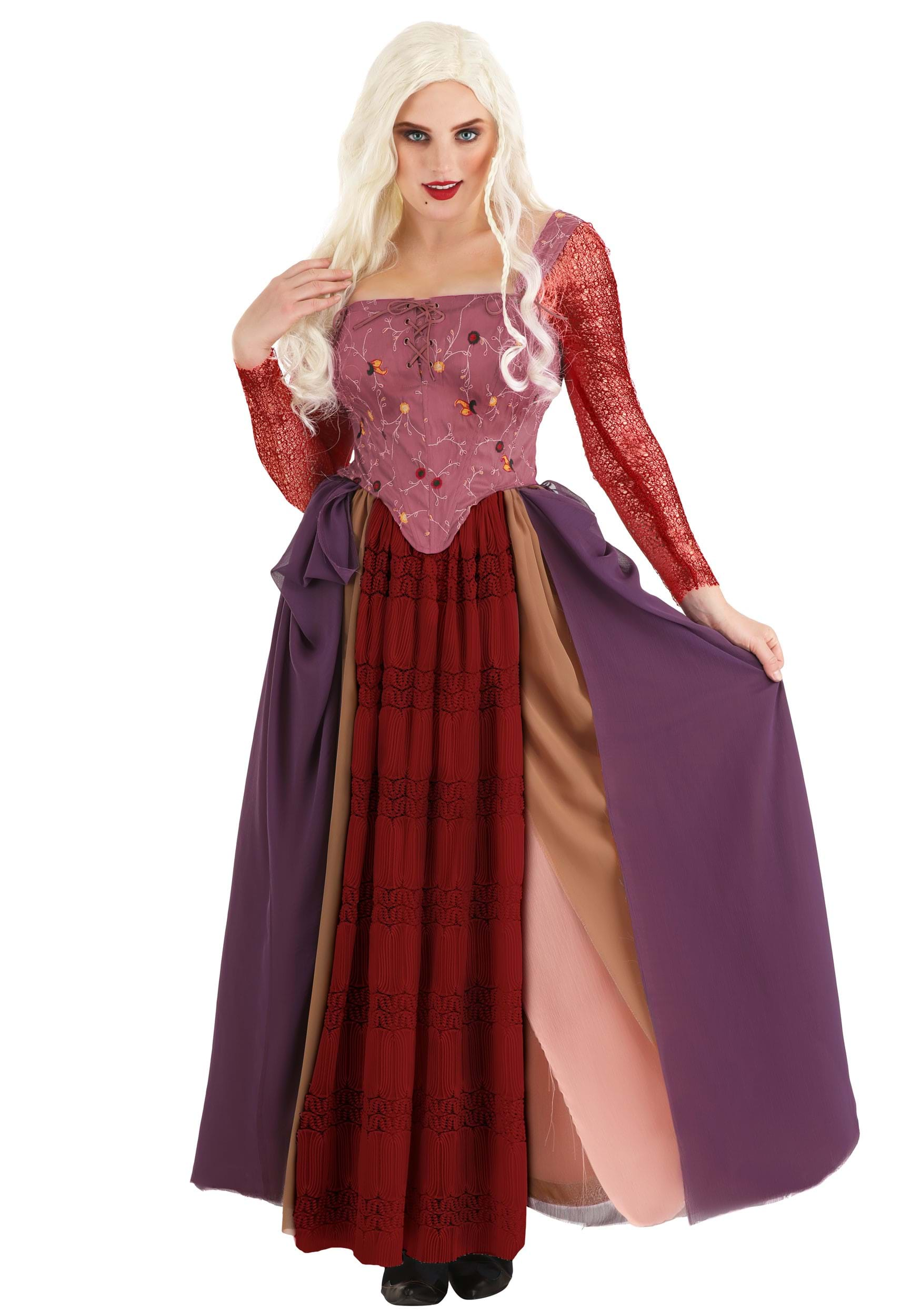
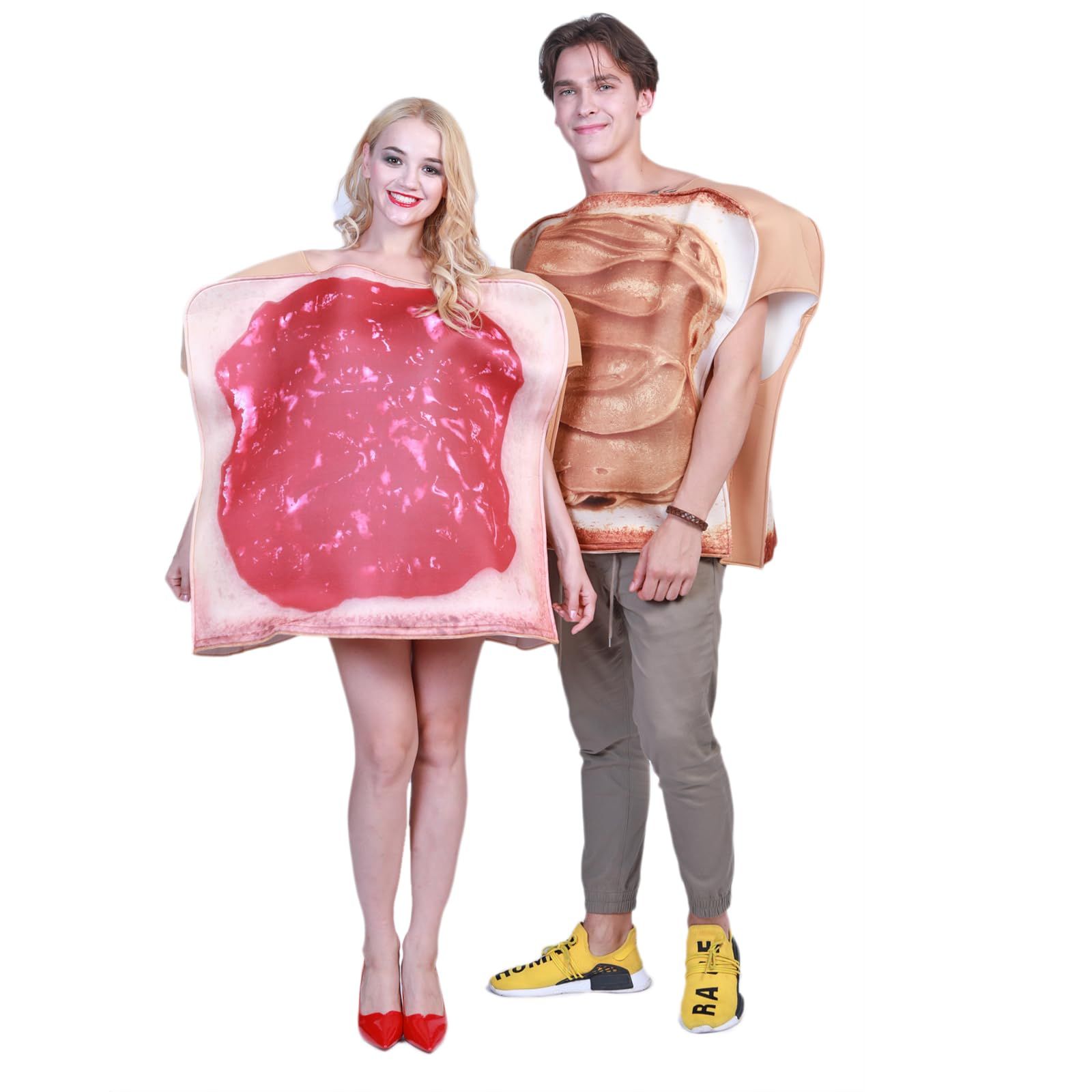
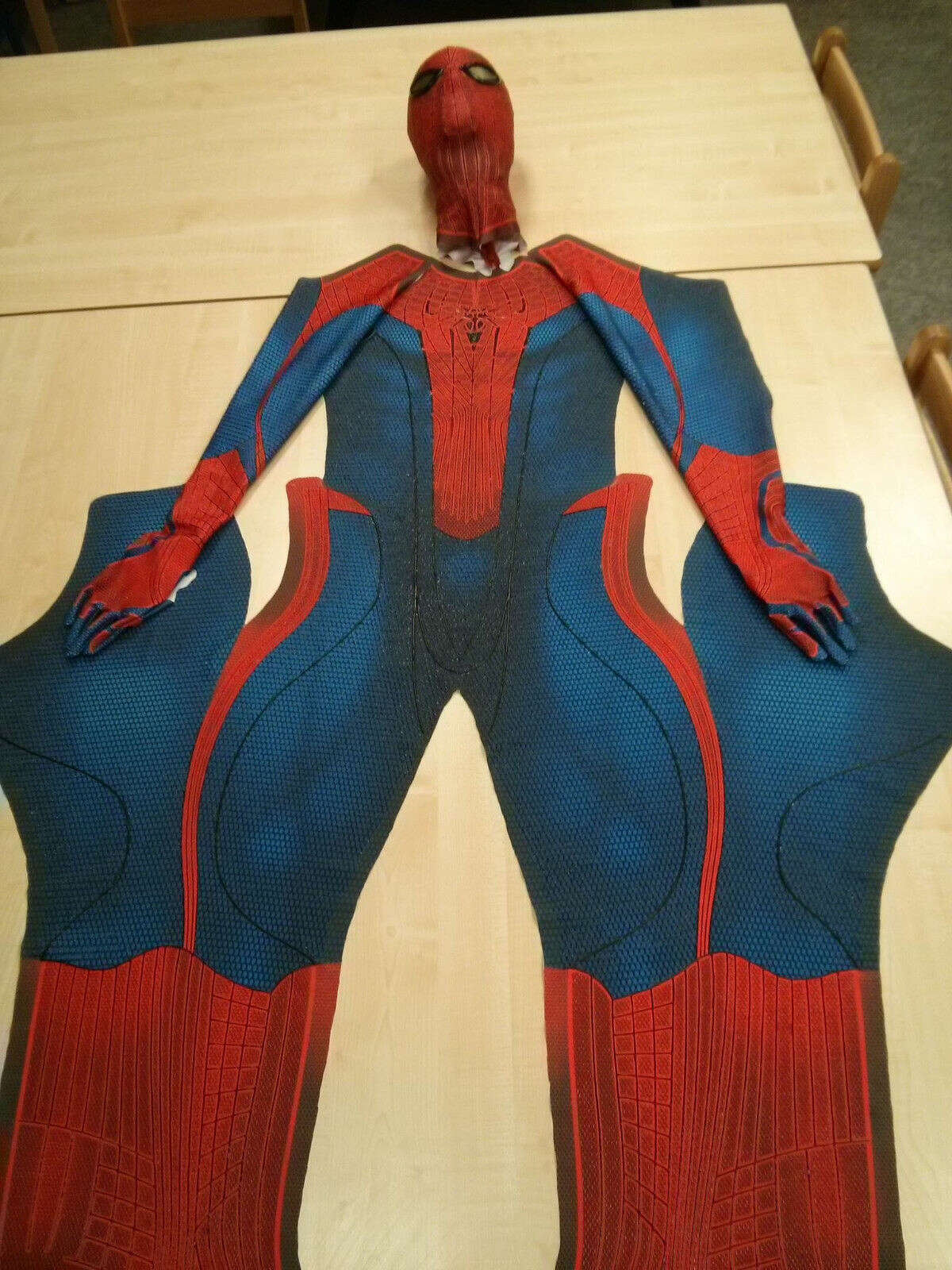
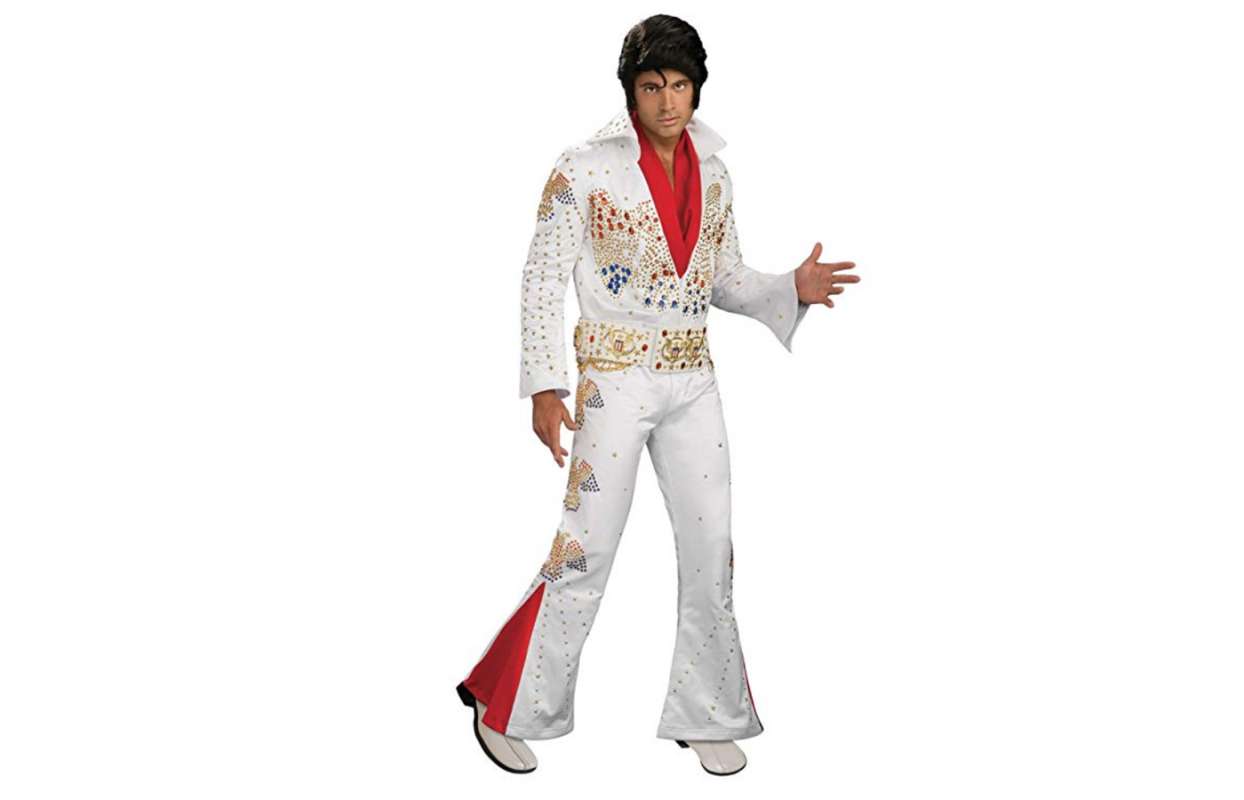
Halloween costumes can be expensive, with average retail prices in 2026 typically ranging from $35 to $75 for a standard adult outfit. However, costs vary wildly based on licensing, material quality, and complexity. While budget DIY options exist for under $20, high-end replicas and professional cosplay-grade suits can easily exceed $500.
The perception of "expensive" in the context of Halloween often depends on the intersection of manufacturing quality and the longevity of the garment. For many consumers, paying $60 for a thin, polyester jumpsuit that may not survive a single wash feels like a high price. Conversely, enthusiasts who invest in durable, multi-use pieces often find better value despite higher upfront costs. Understanding the market dynamics of 2026—including inflation, licensing fees, and the rise of sustainable "slow fashion" costumes—is essential for making an informed purchase.
The Factors Driving Halloween Costume Prices in 2026
The cost of a Halloween costume is rarely determined by fabric alone. Several behind-the-scenes factors contribute to the final price tag found at seasonal retailers like Spirit Halloween or online giants like Amazon.
1. Licensing and Intellectual Property Fees
The single largest contributor to the price of a mass-market costume is the licensing fee. When you purchase a costume of a specific character, such as a Marvel superhero, a Star Wars Jedi, or a Disney princess, the manufacturer must pay a percentage of the sale—often ranging from 10% to 20%—back to the parent company. This is why a generic "Space Knight" costume is consistently $15 to $20 cheaper than an official "Obi-Wan Kenobi" outfit, even if the materials used are identical.
2. Material Quality and Construction
Most "bagged" costumes found in big-box retailers are made from lightweight, non-breathable polyester. These materials are cheap to produce and easy to ship because they are very light. However, in 2026, there has been a significant shift toward "deluxe" versions that utilize heavier fabrics, faux leather, and embroidered details rather than screen-printed graphics. These improvements in construction naturally drive the price toward the $100 mark.
3. The Seasonal Retail Model
Pop-up shops operate on a unique business model. They must generate enough revenue in six to eight weeks to cover the costs of short-term commercial leases, seasonal staffing, and massive inventory shipments. To maintain profitability within this narrow window, markup percentages are often higher than those of year-round apparel retailers.
Categorizing the Costs: What to Expect at Each Price Point
To determine if a costume is "expensive," it is helpful to categorize the market into four distinct tiers. By 2026, these price brackets have stabilized following the supply chain fluctuations of the early 2020s.
The Budget Tier ($15 – $35)
At this level, you are primarily looking at "costume kits" or basic jumpsuits. These often include a single piece of clothing and perhaps one small accessory, like a mask or a headband.
- Pros: Highly affordable; perfect for one-night parties.
- Cons: Very thin materials; poor fit; lacks detail; accessories are often flimsy plastic.
The Standard/Retail Tier ($40 – $85)
This is the most common price range for adult costumes in 2026. These are the typical outfits found on the walls of seasonal retailers. They usually include a full outfit and a few coordinated accessories.
- Pros: Recognizable characters; includes most of what you need; widely available.
- Cons: Quality is hit-or-miss; often requires additional steaming to remove wrinkles; sizing can be inconsistent.
The Deluxe and Boutique Tier ($90 – $200)
These costumes are aimed at enthusiasts or those attending multiple events. They feature better fabrics (velvet, thick twill, or structured foam) and often include higher-quality masks or props.
- Pros: Durable enough for multiple years; looks much more "screen-accurate"; better comfort and breathability.
- Cons: Significant investment for a seasonal item; may require specialized cleaning (dry clean only).
The Professional/Cosplay Tier ($250 – $1,000+)
This category includes custom-made commissions or high-end replicas from specialized studios. Many of these items are made of genuine leather, worbla (thermoplastic), or 3D-printed resins.
- Pros: Museum-quality appearance; custom-fitted to the wearer; high resale value.
- Cons: Extremely expensive; often heavy or difficult to move in; long lead times for ordering.
2026 Halloween Costume Pricing Comparison
The following table breaks down the typical costs associated with popular costume categories and what is usually included at those price levels.
| Costume Category | Average Price (2026) | Typical Materials | What's Included |
|---|---|---|---|
| Generic/Classic | $30 - $45 | Polyester, Nylon | Basic jumpsuit, simple mask |
| Licensed Hero | $55 - $85 | Printed Spandex, Foam | Padded suit, plastic mask, cape |
| Deluxe Period Piece | $110 - $160 | Faux Suede, Cotton Blends | Multi-piece outfit, hat, belt |
| Inflatable Costumes | $45 - $70 | Coated Polyester | Suit, battery-operated fan |
| DIY / Thrifted | $20 - $50 | Varied (Second-hand) | Mixed garments, craft supplies |
| Pro Cosplay | $300+ | Leather, Resin, Worbla | Full custom suit, high-detail props |
The Hidden Costs of Halloween Outfits
The price tag on the costume bag is rarely the final cost of the ensemble. To achieve a polished look, most consumers find they need to invest in "the extras."
Accessories and Props
Many standard costumes do not include essential items shown on the packaging. A pirate costume may not come with the sword, boots, or wig. In 2026, a high-quality wig alone can cost between $25 and $40, while realistic-looking props can add another $20 to $50 to the total bill.
Makeup and Special Effects (SFX)
For those dressing as zombies, monsters, or fantasy creatures, makeup is a major secondary expense. Professional-grade cream paints, spirit gum, prosthetics, and setting sprays are necessary for a look that lasts through a party. A basic SFX kit generally starts at $30.
Footwear
Footwear is the most overlooked expense. Most costumes come with "boot tops"—flimsy fabric covers that slide over your regular shoes. These often look cheap and trip the wearer. Buying character-appropriate boots or shoes can easily double the cost of a $50 costume.
Is DIY Actually Cheaper?
A common misconception is that making a costume from scratch is always the most budget-friendly route. However, the "DIY Tax" is a real phenomenon in 2026.
If you already own a sewing machine and a stock of crafting supplies, DIY can save you money. But for the average person, the cost of individual components—fabric by the yard, patterns, specialty adhesives, paint, and base garments—often exceeds the price of a pre-made costume. According to retail data trends from the National Retail Federation, consumers who "make" their costumes often spend 15-20% more on materials than those who buy "off the rack," though the DIY versions tend to be of higher quality and better fit.
To truly save money with DIY:
- Thrift the Base: Use a local second-hand store to find the primary clothing items.
- Repurpose: Look for items in your current closet that can be modified with temporary alterations like safety pins or fabric tape.
- Focus on the "Signature": Spend money only on the one or two items that define the character (e.g., Harry Potter’s glasses and wand) and use basic clothing for the rest.
Strategies to Avoid High Prices
If you find that 2026 retail prices are beyond your budget, there are several verified methods to secure a costume for less.
- Shop the "After-Halloween" Sales: Between November 1st and November 5th, major retailers slash prices by 50% to 90% to clear inventory. This is the best time to buy classic costumes (witches, vampires, ghosts) for the following year.
- Use Rental Services: For high-end or period-specific costumes, local theatrical rental shops offer professional-grade outfits for a fraction of the purchase price. Expect to pay $50 to $100 for a rental that would cost $400 to buy.
- Costume Swaps: Community groups and social media marketplaces are increasingly popular for "costume trading." Since most people only wear a costume once, these items are usually in excellent condition.
- The "Closet Cosplay" Approach: Focus on characters who wear "real" clothes (like characters from Stranger Things or The Bear). This allows you to spend your money on high-quality apparel that you can actually wear again in your daily life.
Frequently Asked Questions
Why are kids' costumes almost as expensive as adults'?
Children's costumes often have higher manufacturing standards regarding safety and flame retardancy, which increases production costs. Additionally, the licensing fees for popular children's characters (like those from Nickelodeon or Disney) are among the highest in the industry. While they use less fabric, the complexity of the design and the regulatory compliance keep prices high.
Does the price of a costume drop closer to October 31st?
Generally, no. Most seasonal retailers maintain their prices until the holiday is over because demand peaks in the final 72 hours. While you might find scattered "last-minute" deals online, the best selection and prices are usually found in late September or early October.
Are expensive costumes worth the investment?
It depends on the "cost per wear." If you are a member of a fan organization, attend multiple conventions, or participate in "trunk-or-treat" and several parties, an $150 deluxe costume is a better value than three $50 disposable ones. High-end costumes also hold their resale value better on platforms like eBay or Poshmark.
How much should I budget for a complete Halloween look?
For a standard adult look that includes the outfit, basic accessories, and minimal makeup, a realistic budget for 2026 is $100 to $120. This accounts for the base costume ($60), decent shoes or props ($40), and basic grooming or makeup ($15).
Why do inflatable costumes cost more than fabric ones?
Inflatable costumes include mechanical components—specifically a battery-operated fan and motor. The cost of these electronics, combined with the specialized airtight fabric and the increased shipping volume (due to the weight of the motor), results in a higher price point than a simple cloth jumpsuit.
Final Recommendation
When deciding if a Halloween costume is too expensive, evaluate it based on durability and completeness. In 2026, the best value is often found in the $70 to $90 range. Costumes at this price point typically move away from "disposable" quality, offering better fabrics that can be washed and reused, which ultimately saves money over several years. If you are on a strict budget, avoid the "generic" versions of licensed characters, as they are often overpriced for their quality; instead, opt for a high-quality DIY "closet cosplay" that utilizes real clothing you can integrate into your everyday wardrobe.