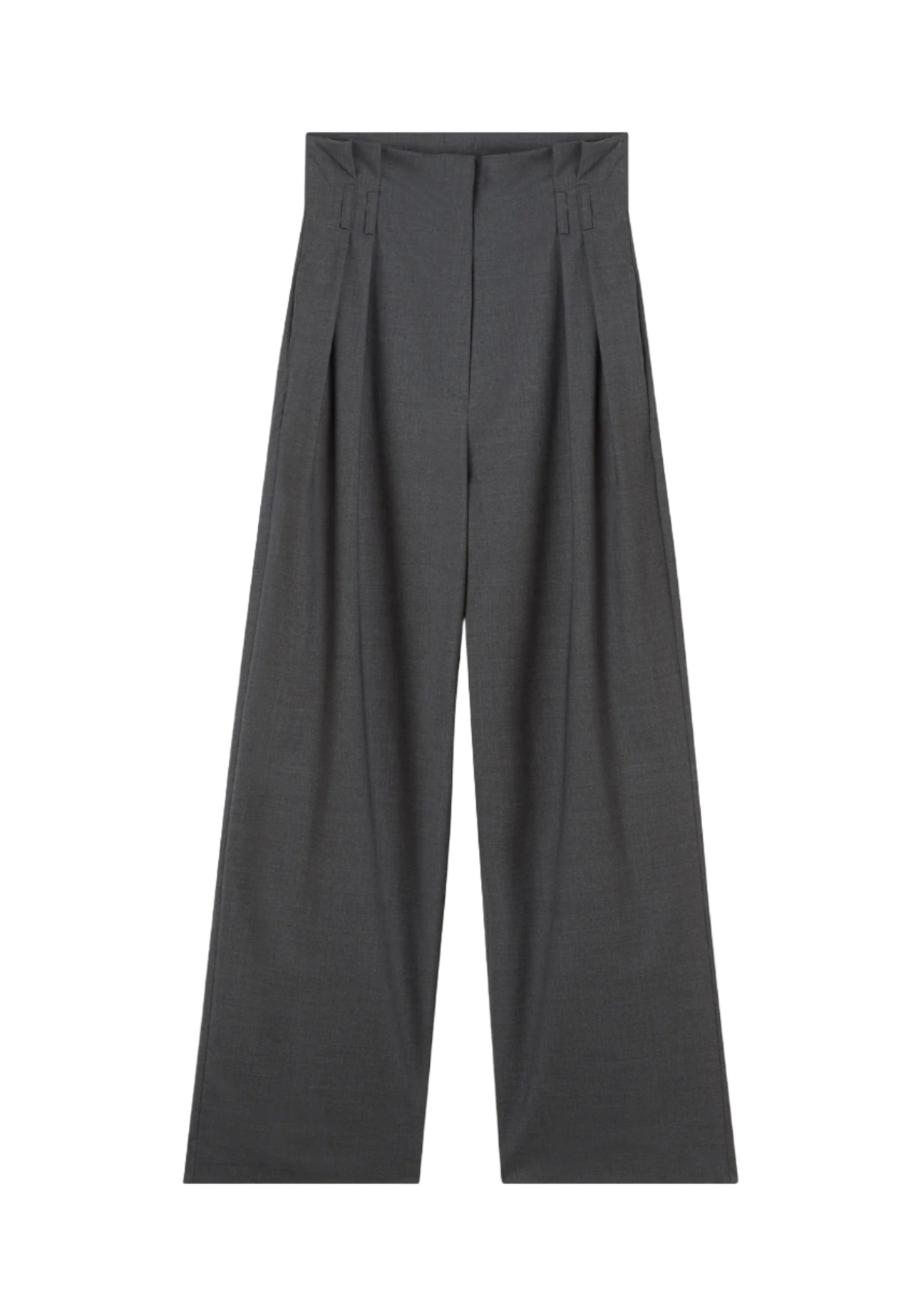
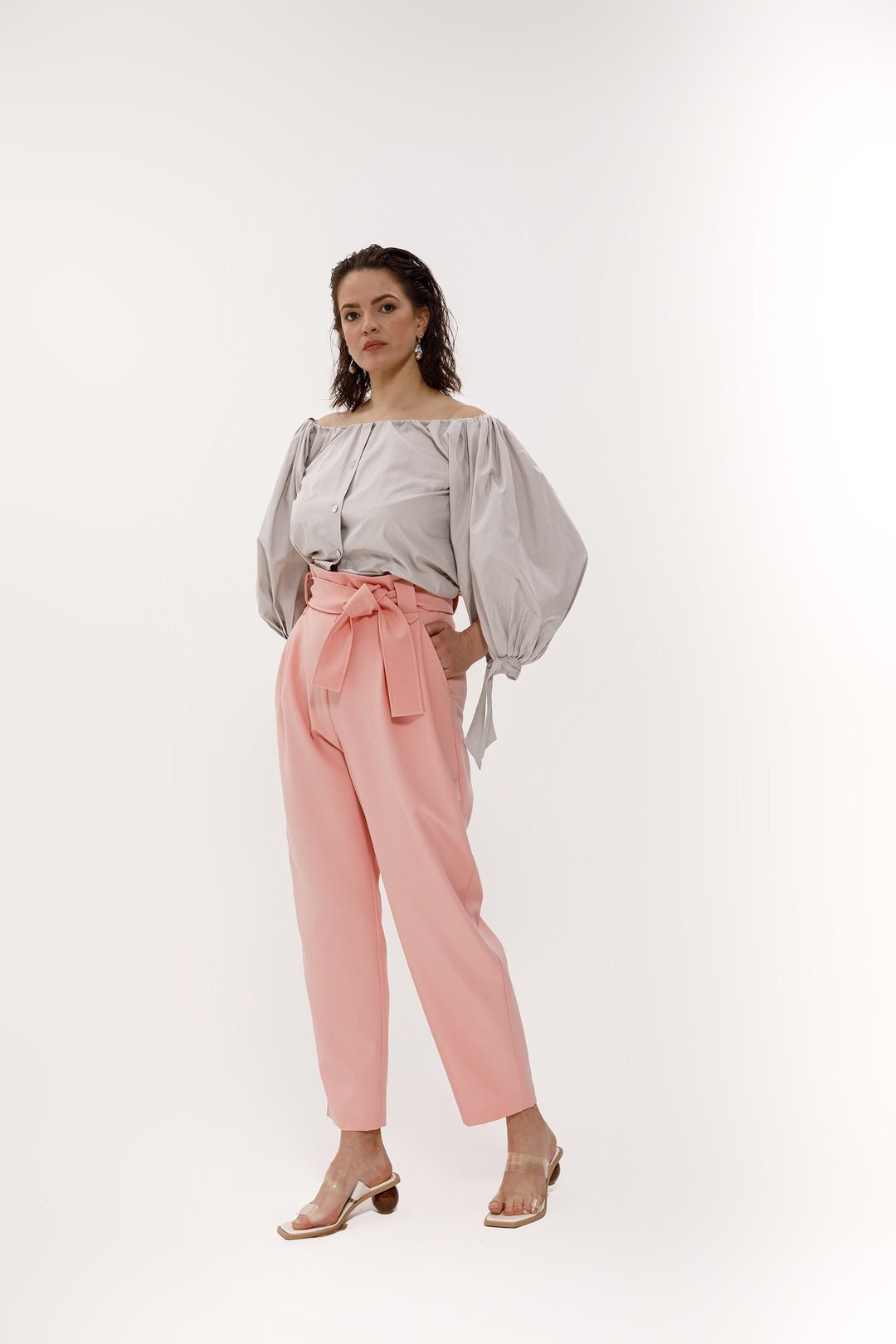
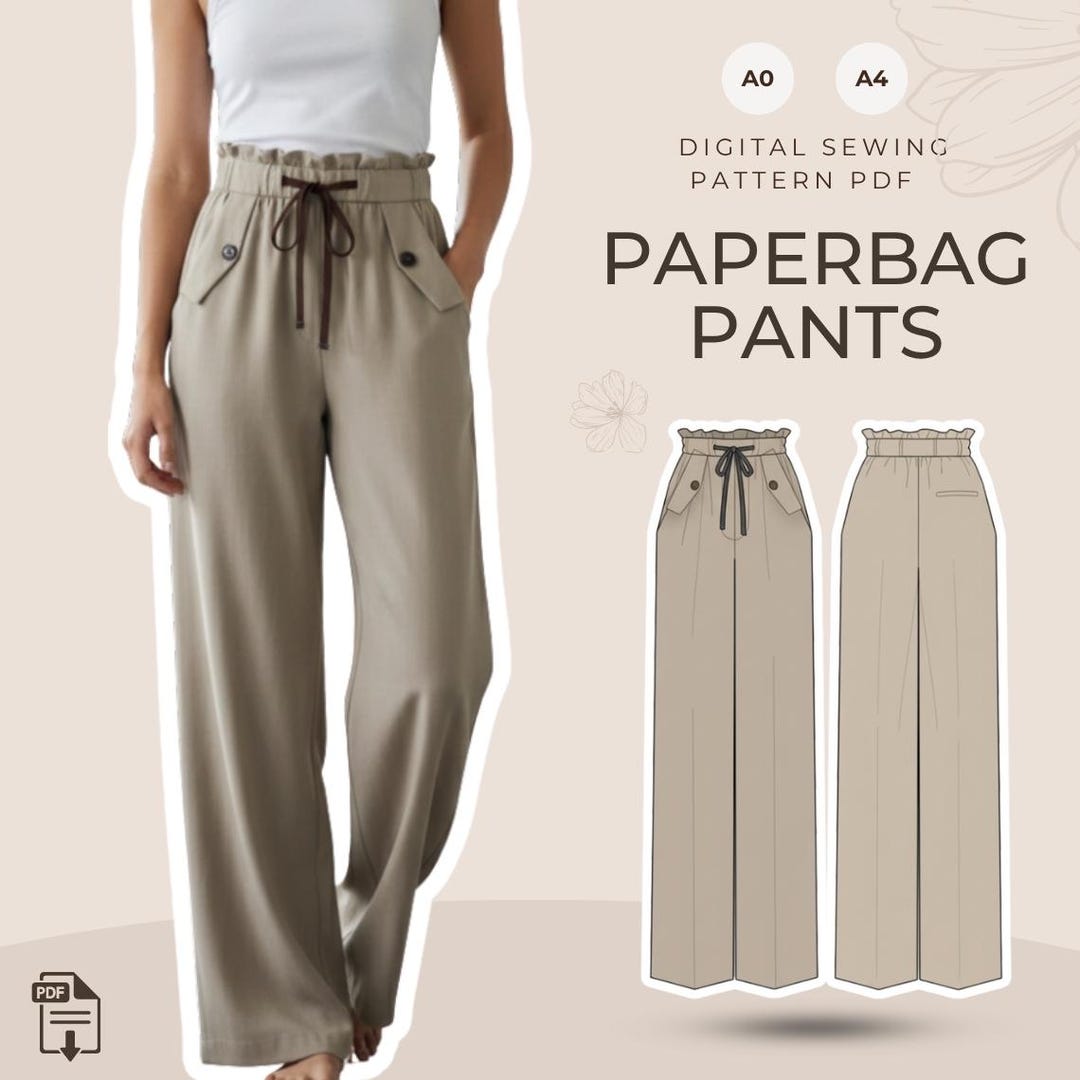
High waist paperbag trousers are a worthy wardrobe investment for those seeking a versatile garment that balances comfort with a highly defined silhouette. In 2026, their evolution into structured, high-quality fabrics has solidified their status as a modern classic, offering a sophisticated alternative to standard tailoring while accommodating various body types through adjustable, cinched waistlines.
The landscape of professional and casual attire has shifted significantly over the last few years. As we navigate the fashion trends of 2026, the emphasis remains on "functional elegance"—clothes that look curated but feel effortless. High waist paperbag trousers epitomize this movement. However, determining whether they deserve a spot in your personal collection requires an analysis of their construction, how they interact with different body proportions, and their long-term cost-per-wear value.
Anatomy of the Paperbag Waist: Construction and Design
To understand the value of paperbag trousers, one must first understand their unique technical construction. The "paperbag" designation refers specifically to the fabric that gathers above the waistline when a belt or drawstring is cinched. This creates a ruffled or "bag-like" appearance at the top of the garment.
The Waistband Mechanics
Unlike traditional trousers that rely on a flat waistband and a zipper fly, paperbag trousers often utilize a combination of elasticized backs and pleated fronts. This hybrid approach allows for a flexible fit that adapts to the wearer’s movements throughout the day. In 2026, many high-end designers have moved away from fully elasticated waists in favor of structured, sewn-in pleats that maintain the "paperbag" ruffles without adding excessive bulk to the midsection.
Rise and Proportions
The "high waist" aspect is non-negotiable for this style. The rise typically extends 2 to 4 inches above the natural navel. This height is intentional; it serves to elongate the leg line and provide a focal point for the narrowest part of the torso. When executed correctly, the vertical lines created by the pleats draw the eye upward, contributing to a streamlined aesthetic despite the extra fabric at the waist.
Evaluating the Investment: Longevity and Versatility
A true wardrobe investment is measured by how often a piece can be worn across different contexts and how well it survives repeated laundering. Paperbag trousers excel in versatility, but their longevity depends heavily on material choice.
Professional Utility
In a 2026 office environment—where the lines between "business" and "business casual" have blurred—paperbag trousers serve as a foundational piece. When crafted from mid-weight wool or high-quality crepe, they provide the structure of a suit pant with the comfort of lounge attire. They pair seamlessly with tucked-in silk blouses or slim-fit turtlenecks, creating a polished look that remains comfortable through long meetings.
Casual Adaptability
Outside the office, the same pair of trousers can be adapted for weekend wear. By swapping a blazer for a cropped denim jacket and replacing loafers with sleek sneakers, the paperbag silhouette becomes approachable and relaxed. This "chameleon" quality is a primary reason why stylists categorize them as a high-value investment; they effectively do the work of two different pairs of pants.
Material Selection for 2026: What to Look For
The "worth" of these trousers is intrinsically tied to the fabric. Low-quality synthetics often fail to hold the ruffles of the paperbag waist, causing the fabric to look limp or messy rather than intentionally pleated.
- Tencel and Lyocell Blends: These are highly recommended in 2026 for their drape and sustainability. They offer a slight sheen and a soft hand-feel, ensuring the gathered waist looks fluid rather than stiff.
- Structured Linen: Ideal for warmer climates, linen provides the necessary "body" to keep the waist ruffles upright. Look for linen-viscose blends to minimize the harsh wrinkling associated with pure linen.
- Recycled Wool: For autumn and winter, wool provides the thermal regulation and structural integrity needed for a more formal paperbag trouser.
- Technical Knits: A newer development in 2026 fashion, technical knits offer four-way stretch while maintaining a crisp, tailored appearance. These are particularly useful for travel.
Body Type Compatibility and Styling Nuances
One common misconception is that paperbag trousers only suit tall, slender frames. In reality, the adjustable nature of the waist makes them highly inclusive, provided the wearer understands how to balance proportions.
Creating Verticality
For petite individuals, the volume at the waist can sometimes feel overwhelming. To counter this, it is essential to choose a tapered or "cigarette" leg cut rather than a wide-leg version. This prevents the fabric from swallowing the lower half of the body. Additionally, monochromatic styling—matching the color of the top to the trousers—can create a continuous vertical line that adds the illusion of height.
Balancing the Silhouette
For those with an apple or strawberry body shape, the paperbag waist can help create the appearance of a more defined waistline. The key is the belt. A wider, structured belt will provide more definition than a thin, flimsy tie. Conversely, those with an hourglass figure can utilize the natural gathering of the fabric to highlight their existing proportions.
The "Tuck-In" Rule
The most critical rule of styling paperbag trousers is that the top must be tucked in. Because the design of the trousers adds volume at the waist, wearing a shirt over the top creates a bulky, disorganized silhouette. A "French tuck" or a full tuck is necessary to reveal the design details that make the trousers unique.
Technical Comparison: Paperbag vs. Traditional Styles
| Feature | Paperbag Trousers | Traditional Tailored Trousers | Wide-Leg Palazzo Pants |
|---|---|---|---|
| Waist Definition | High (Adjustable) | Moderate (Fixed) | Low to Moderate |
| Primary Silhouette | Hourglass/Tapered | Linear/Structured | Voluminous |
| Comfort Level | High (Elastic/Self-tie) | Moderate (Rigid Waist) | Very High |
| Style Context | Work-to-Weekend | Formal/Professional | Resort/Evening |
| Best Paired With | Fitted, Tucked Tops | Blouses/Blazers | Cropped/Form-fitting Tops |
Cost-Per-Wear Analysis
When evaluating the investment, consider the price point relative to the number of anticipated wears. In 2026, a high-quality pair of paperbag trousers ranges from $120 to $350.
- Initial Cost: $200
- Estimated Wears per Year: 40 (Average of once per week, excluding extreme weather)
- Cost Per Wear (Year 1): $5.00
- Cost Per Wear (Year 3): $1.66
Compare this to a "trend" item that may only be worn 5 times before falling out of style or deteriorating. The paperbag trouser, due to its functional benefits and classic high-waisted appeal, offers a much more favorable financial profile over a three-year period.
Potential Drawbacks and Considerations
While the benefits are significant, paperbag trousers are not without their challenges. Understanding these "cons" before purchasing will ensure you select a pair that actually works for your lifestyle.
Bulkiness and Layering
The extra fabric at the waist can make layering difficult. Traditional blazers that are cut close to the body may not sit flat over the ruffled waist. In 2026, the solution has been the rise of the "cropped blazer" or the "relaxed oversized coat," both of which accommodate the paperbag volume more effectively than a standard mid-length jacket.
Maintenance of the Pleats
The ruffles at the top require specific care. If the trousers are folded over a hanger improperly, the pleats can become crushed or misaligned. It is best to hang them by the waistband using clip hangers to maintain the vertical integrity of the ruffles. Furthermore, some fabrics may require light steaming at the waist after every few wears to keep the "bag" effect looking crisp.
FAQs
Are paperbag trousers still in style in 2026?
Yes, they have transitioned from a "fast-fashion" trend into a staple of modern tailoring. Their continued popularity is driven by the global move toward comfortable, adjustable workwear that does not sacrifice a professional silhouette.
Can I wear paperbag trousers if I have a short torso?
Yes, but with caution. If you have a short torso, look for a "mid-high" rise rather than an extreme high rise. An extreme rise may sit too close to the bust, effectively "disappearing" your waist. Selecting a pair with a thinner belt can also help maintain a balanced proportion between your upper and lower body.
What shoes should I wear with high waist paperbag trousers?
For a professional look, pointed-toe heels or loafers work best as they extend the line of the leg. For a casual aesthetic, low-profile leather sneakers or ballet flats (which have seen a massive resurgence in 2026) are ideal. Avoid chunky ankle boots that cut off the leg line, as this can conflict with the volume at the waist.
How do I stop the belt from sliding down?
This is a common issue with cheaper versions. Higher-quality trousers in 2026 often include reinforced belt loops or "invisible" button anchors inside the waistband to keep the belt centered. If your trousers lack these, a small safety pin hidden behind the belt or adding a few DIY thread loops can secure the belt in place.
Do paperbag trousers work for formal events?
Absolutely. When made from luxurious fabrics like silk or satin-backed crepe, paperbag trousers are a sophisticated alternative to a cocktail dress. Pair them with a structured corset top or a sequined bodysuit to balance the volume of the trousers.
Final Recommendation: Should You Buy Them?
High waist paperbag trousers are worth the investment if you value a garment that can transition seamlessly between different social and professional settings. Their ability to accentuate the waist while providing the comfort of a more relaxed fit makes them a standout choice in the 2026 fashion landscape.
To maximize your investment, prioritize natural fiber blends and look for structural details like sewn-in pleats and reinforced belt loops. Avoid overly trendy patterns; instead, opt for neutral tones—charcoal, olive, navy, or camel—which will allow you to maximize the number of outfit combinations available in your wardrobe. If you are willing to follow the "tuck-in" rule and maintain the fabric properly, these trousers will likely become one of the most frequently reached-for items in your collection.