Deploying assessment capabilities within enterprise platforms requires a balanced integration of standardized competency evaluation tools, secure data architectures, and scalable cloud-based workflows that align with overarching corporate human resources and operational objectives.
An assessment business operating within enterprise platforms functions by embedding specialized evaluation, diagnostic, or testing modules directly into core corporate software suites like enterprise resource planning (ERP) or human capital management (HCM) systems. This integration allows organizations to continuously evaluate workforce skills, compliance readiness, software proficiencies, or security vulnerabilities without forcing users to navigate fragmented third-party software environments.
Understanding the Enterprise Assessment Landscape
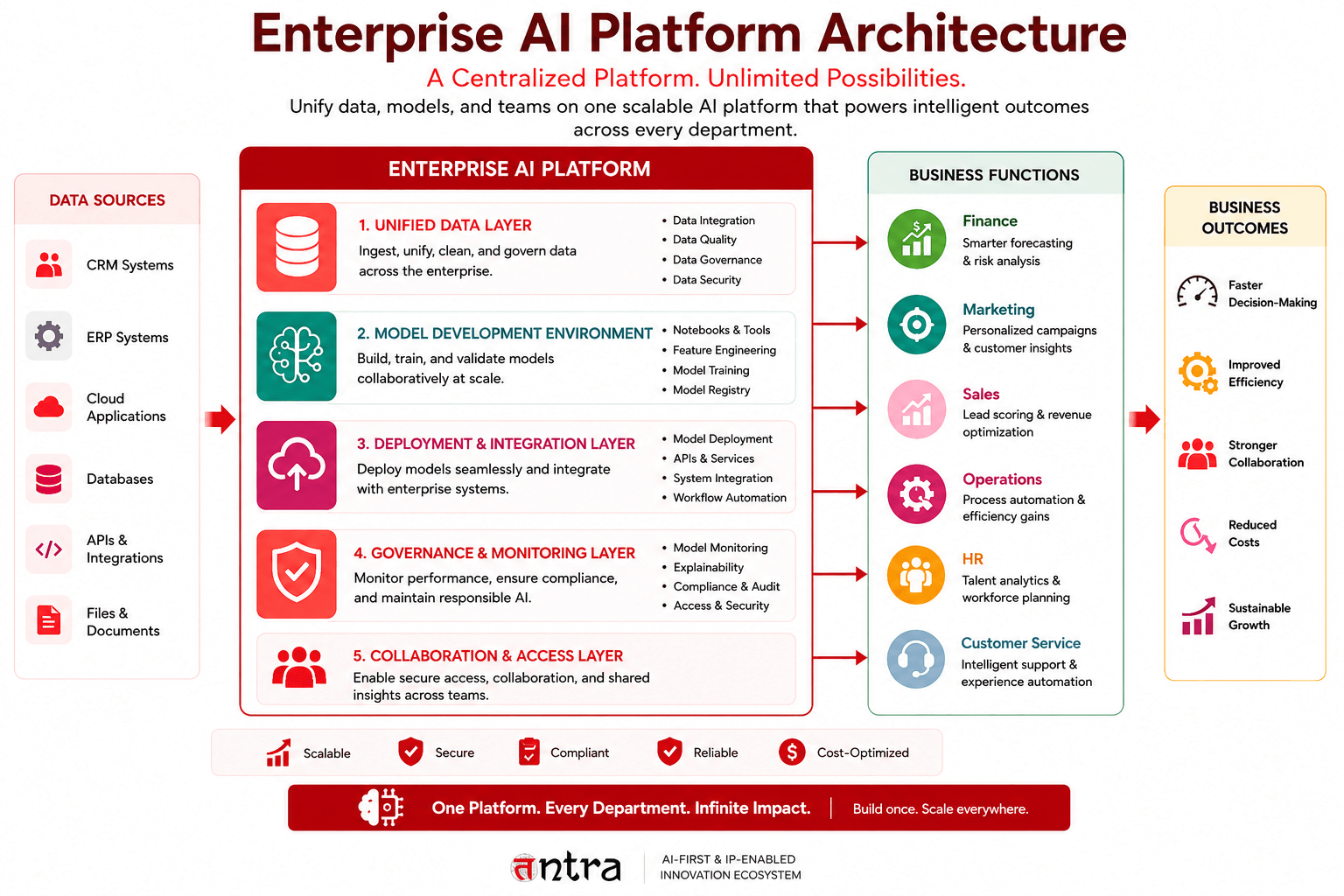
The modern enterprise software ecosystem is defined by consolidation and deep integration. Organizations no longer rely solely on standalone applications for specialized tasks. Instead, they demand comprehensive platforms that centralize data, governance, and user workflows. Within this environment, assessment businesses—ranging from psychometric testing vendors and compliance verification platforms to cybersecurity evaluation tools—must transition from isolated web services to native or deeply integrated platform components.
Enterprise platforms, such as those provided by SAP, Salesforce, Workday, and Microsoft, serve as the digital bedrock for multinational corporations. When an assessment business plugs into these architectures, it inherits the platform's security posture, user directory, and reporting capabilities. However, this integration also demands strict adherence to enterprise-grade APIs, data privacy standards such as GDPR and CCPA, and seamless multi-tenant scalability.
To succeed, assessment providers must move beyond simple scoring engines. They must act as comprehensive diagnostic partners that translate raw assessment data into actionable enterprise intelligence. This shift transforms assessments from sporadic compliance hurdles into continuous talent optimization and risk mitigation drivers.
Core Architectural Requirements and Integration Models
Integrating an assessment business model into an enterprise platform demands robust software architecture. Organizations cannot risk data leaks, single points of failure, or latency issues that disrupt primary enterprise workflows. Consequently, technical stakeholders must evaluate three primary integration models:
Native Embedment: Building the assessment engine directly within the enterprise platform's native development framework (e.g., Salesforce AppExchange or SAP Store). This provides maximum UX consistency and secure data flow.
API-Driven Integration: Maintaining a separate, dedicated assessment SaaS platform while using RESTful APIs and webhooks to synchronize user profiles, test assignments, and results back to the enterprise system.
Federated Single Sign-On (SSO) Portals: Utilizing protocols like SAML 2.0 or OAuth 2.0 to route enterprise users securely from their main dashboard to a specialized assessment environment while preserving session integrity.
Enterprise Platform (HCM/ERP)
- User Directory (Active Directory / Okta)
- Workflow Orchestration & Role-Based Access Control
- Secure API / SAML 2.0 / Webhooks
- Assessment Business Engine
- Psychometric / Compliance / Technical Testing
- Automated Scoring & Real-Time Analytics
- Assessment Business Engine
Regardless of the chosen model, data synchronization must be near real-time. Enterprise leaders rely on up-to-date dashboards to make hiring decisions, track regulatory compliance, and authorize system access. Latency in score reporting can stall critical business operations, making resilient queue management and error-handling protocols mandatory.
Business Models and Monetization Strategies
Monetizing assessment capabilities within enterprise platforms differs significantly from consumer-facing software-as-a-service (SaaS) models. Enterprise buyers prioritize predictable budgeting, volume scaling, and comprehensive service-level agreements (SLAs). Assessment businesses typically deploy one of three primary monetization structures:
- Consumption-Based (Per-Assessment) Licensing: Organizations purchase a pool of assessment credits. Each time an employee or candidate completes an evaluation, a credit is deducted. This model works well for high-turnover hiring pipelines or seasonal compliance checks.
- Platform Subscription (Tiered SaaS): Enterprises pay an annual recurring fee based on employee headcount tiers or active platform seats. This grants unlimited access to standard assessment libraries, appealing to large corporations seeking predictable software expenditures.
- Value-Based Enterprise Licensing: Custom pricing structures negotiated for Fortune 500 enterprises, including dedicated server instances, custom assessment authoring tools, and bespoke analytics dashboards.
| Monetization Model | Primary Target Segment | Cost Predictability | Best Suited For |
|---|---|---|---|
| Consumption-Based | Mid-market & High-Turnover | Variable | Seasonal hiring, ad-hoc compliance testing |
| Platform Subscription | Large Enterprises | High (Annual Fixed) | Continuous talent development, universal upskilling |
| Value-Based Custom | Global Conglomerates | Custom Negotiated | Complex security requirements, bespoke workflows |
Choosing the right monetization model requires aligning the assessment vendor’s cost structure with the customer's utilization patterns. For example, charging per assessment in a massive, organization-wide continuous learning program can disincentivize frequent testing, whereas subscription models encourage deeper platform adoption.
Compliance, Security, and Governance Standards
When assessments move into enterprise platforms, security and compliance become non-negotiable prerequisites. Enterprise Chief Information Security Officers (CISOs) scrutinize third-party software vendors rigorously before granting access to internal ecosystems.
Data Privacy and Localization
Assessments frequently capture sensitive personal identifiable information (PII), demographic data, and psychological or behavioral profiles. Assessment businesses must comply with regional data protection frameworks, including the European Union's General Data Protection Regulation (GDPR) and the California Consumer Privacy Act (CCPA). Furthermore, enterprises operating in regulated sectors like finance or healthcare often require data residency guarantees, ensuring that all assessment data remains within specific geographic boundaries (e.g., stored exclusively within EU-based cloud servers).
Accessibility and Fairness
Enterprise assessments must adhere to strict accessibility guidelines, such as the Web Content Accessibility Guidelines (WCAG) 2.1 AA standards, ensuring that candidates or employees with visual, auditory, or motor impairments can complete evaluations without hindrance. Additionally, psychological and cognitive assessments must undergo rigorous bias testing and validation studies (such as adverse impact analyses under EEOC guidelines) to prove fairness and legal defensibility in hiring and promotion decisions.
Operational Execution: Deployment and Change Management
Deploying an assessment platform across a large enterprise requires structured change management. Technical integration is only half the battle; driving user adoption and ensuring administrative alignment are equally critical for long-term success.
- Stakeholder Alignment: Involve human resources, IT security, legal counsel, and department heads during the initial procurement and scoping phases to mitigate operational friction.
- Pilot Testing: Roll out the assessment module to a single business unit or subsidiary before enterprise-wide deployment to identify UI bottlenecks, API latency issues, or permission errors.
- Continuous Training: Provide specialized training webinars and asynchronous documentation for human resources business partners (HRBPs) and hiring managers who will interpret the assessment analytics.
Neglecting change management often leads to low platform utilization, fragmented evaluation criteria across departments, and diminished return on investment for the enterprise buyer.
Comparative Overview of Integration Approaches
| Feature / Metric | Native Platform Integration | API-Driven SaaS Integration | Federated SSO Portal |
|---|---|---|---|
| Implementation Complexity | High | Medium | Low to Medium |
| User Experience Consistency | Seamless (Native UI) | Moderate (Cross-domain transition) | Fragmented (External web app) |
| Data Synchronization Speed | Instantaneous | Near Real-Time (via Webhooks) | Batch or Session-Based |
| Maintenance Overhead | High (Requires platform-specific updates) | Low to Medium | Low |
Frequently Asked Questions
What is an assessment business in the context of enterprise platforms?
An assessment business in enterprise platforms refers to a specialized software provider or service that embeds testing, diagnostic, compliance, or skill-evaluation tools directly into enterprise software ecosystems like ERP or HCM suites, enabling centralized workforce management.
How do enterprise platforms secure third-party assessment data?
Enterprise platforms secure assessment data by enforcing strict role-based access controls (RBAC), utilizing encrypted RESTful APIs, complying with SOC 2 Type II standards, and adhering to regional data privacy regulations like GDPR and CCPA.
What are the main pricing models for enterprise assessment software?
Enterprise assessment software is typically monetized through consumption-based credit pools, tiered annual subscription fees based on employee headcounts, or custom value-based enterprise agreements tailored for multinational corporations.
How can companies ensure assessments are legally defensible and unbiased?
Companies ensure defensibility by utilizing psychometrically validated assessment tools that undergo regular adverse impact analyses, comply with EEOC guidelines, and meet accessibility standards like WCAG 2.1 AA.
What is the difference between native integration and API-driven integration?
Native integration embeds the assessment tool directly into the enterprise platform's native development environment for a seamless user interface, whereas API-driven integration connects a standalone external application to the enterprise system via secure data pipelines.
Practical Next Actions for Enterprise Buyers
Organizations looking to implement or expand assessment capabilities within their enterprise platforms should initiate a comprehensive vendor audit. Begin by mapping current talent evaluation workflows against existing enterprise software infrastructure. Identify compliance gaps, evaluate API readiness, and require potential assessment vendors to provide documented proof of SOC 2 compliance, data localization capabilities, and validated fairness studies before signing enterprise-wide agreements.