An IT infrastructure assessment is a systematic evaluation of an organization's hardware, software, networks, data storage, and cloud environments to identify performance bottlenecks, security vulnerabilities, and strategic gaps. It provides actionable insights to align technology assets with business objectives while mitigating operational and cybersecurity risks.
Introduction to IT Infrastructure Assessments
Organizations rely heavily on complex technological ecosystems to maintain daily operations, secure sensitive data, and drive innovation. However, technology landscapes naturally drift over time due to rapid scaling, ad-hoc patching, software updates, and the integration of legacy systems with modern cloud solutions. An assessment of IT infrastructure acts as an organizational health check. It surfaces hidden vulnerabilities, uncovers capacity limitations, and provides leadership with an objective baseline of their technological capabilities.
Conducting this evaluation requires looking beyond simple device inventories. A thorough review examines how data flows across physical, virtual, and cloud architectures, how networks handle peak workloads, and how effectively security policies protect organizational assets. By establishing a clear methodology, internal IT teams and external consultants can systematically evaluate technical health, prioritize remediation efforts, and build a roadmap for future digital investments.
Objectives and Core Benefits
Before initiating a technical review, stakeholders must define clear goals. While every organization has unique priorities, most assessments target specific performance, security, and financial metrics. Understanding these drivers helps justify the time, labor, and financial capital required to execute the evaluation.
Enhancing Cybersecurity Posture
Security is often the primary driver behind an infrastructure review. As threat landscapes evolve, legacy systems and misconfigured firewalls expose enterprises to ransomware, data exfiltration, and unauthorized access. An assessment identifies outdated firmware, unpatched vulnerabilities, weak identity and access management (IAM) controls, and gaps in endpoint protection.
Optimizing Operational Efficiency and Performance
Network latency, failing hardware, and bloated software stacks can cripple employee productivity. An evaluation measures key performance indicators (KPIs) such as CPU utilization, memory thresholds, throughput, and database query response times. Pinpointing these bottlenecks allows administrators to reallocate resources or upgrade aging hardware before critical failures occur.
Controlling Costs and Improving ROI
Enterprise technology budgets are finite. Infrastructure reviews frequently uncover redundant software licenses, underutilized cloud virtual machines, and expensive maintenance contracts for hardware that has reached end-of-life status. Rationalizing these assets reduces operational expenditures (OpEx) and capital expenditures (CapEx), freeing up funds for strategic innovation.
Ensuring Compliance and Regulatory Alignment
Many industries face strict regulatory mandates regarding data privacy and security, such as HIPAA in healthcare, PCI-DSS for payment processors, and GDPR for organizations handling European data. An infrastructure evaluation verifies whether current architectures meet compliance standards, reducing the risk of severe financial penalties and reputational damage.
Scope of an IT Infrastructure Assessment
An effective assessment covers multiple interconnected layers of the enterprise technology stack. Failing to review any single component can leave blind spots that compromise the entire system.
- IT INFRASTRUCTURE SCOPE
- Hardware & Physical Assets (Servers, Endpoints)
- Network Architecture (LAN, WAN, Firewalls, Wi-Fi)
- Software & Operating Systems (Licensing, Patching)
- Data Storage & Management (Backups, DR, Databases)
- Cloud & Hybrid Environments (IaaS, SaaS, IAM)
Hardware and Physical Assets
This category encompasses physical servers, client endpoints (desktops, laptops, mobile devices), routers, switches, and peripheral hardware. Evaluators inspect device ages, warranty statuses, manufacturer support lifecycles, and environmental controls within server rooms or data centers, such as HVAC functionality and uninterruptible power supply (UPS) batteries.
Network Architecture and Connectivity
The network is the nervous system of an organization. Assessors analyze Local Area Networks (LANs), Wide Area Networks (WANs), Virtual Private Networks (VPNs), wireless access points, and perimeter defenses like firewalls and intrusion detection systems (IDS). Key metrics include bandwidth capacity, network segmentation, packet loss rates, and routing efficiency.
Software Portfolios and Operating Systems
Software evaluations look beyond installed applications to examine operating system versions, license compliance, and patch management cadences. Unpatched software remains one of the most common vectors for cyberattacks. Evaluators also catalog legacy applications that may lack vendor support or fail to integrate with modern API-driven workflows.
Data Storage, Backup, and Disaster Recovery
Data is among a company's most valuable assets. This segment of the evaluation reviews storage area networks (SANs), network-attached storage (NAS), cloud storage buckets, and database management systems. Crucially, assessors test the integrity, frequency, and encryption of backup routines, alongside the feasibility of disaster recovery (DR) and business continuity (BC) plans.
Cloud and Hybrid Environments
As workloads migrate to platforms like Amazon Web Services (AWS), Microsoft Azure, and Google Cloud Platform, the assessment must evaluate cloud configurations. Reviewers inspect identity federation, multi-factor authentication (MFA) enforcement, storage bucket permissions, resource provisioning policies, and egress cost management.
Step-by-Step Evaluation Methodology
Executing a successful assessment requires a structured, multi-phase approach. Rushing the process or skipping validation steps can lead to inaccurate findings and flawed remediation strategies.
- Scoping and Objective Setting: Define the boundaries of the evaluation. Determine whether the review will encompass the entire enterprise or focus on specific segments, such as a newly acquired subsidiary or the corporate network perimeter.
- Discovery and Inventory Collection: Utilize automated asset discovery tools, network mappers, and configuration management databases (CMDBs) to build an accurate, comprehensive inventory of all hardware, software, and active IP addresses.
- Vulnerability Scanning and Testing: Execute automated vulnerability scans on networks and endpoints. Perform penetration testing or architecture reviews to identify exploitable weaknesses in perimeter defenses and internal segmentation.
- Stakeholder Interviews: Consult internal IT staff, department heads, and end-users to understand day-to-day pain points, shadow IT usage, workflow bottlenecks, and historical stability issues.
- Data Analysis and Gap Analysis: Compare current infrastructure metrics, security controls, and performance baselines against industry frameworks, compliance mandates, and organizational goals.
- Reporting and Strategic Roadmap Formulation: Synthesize findings into a comprehensive executive summary and technical report. Categorize risks by severity and develop a prioritized, budget-conscious remediation roadmap.
Comparison of Assessment Approaches
Organizations can choose from several methodologies depending on internal expertise, budget constraints, and neutrality requirements.
| Assessment Type | Primary Focus | Advantages | Limitations |
|---|---|---|---|
| Internal Self-Assessment | Internal compliance, cost reduction, baseline audits. | Low financial cost; deep institutional knowledge. | Subject to internal bias; potential blind spots; limited specialized skills. |
| Third-Party Audit | Independent security verification, compliance validation. | High objectivity; specialized expertise; recognized credentials. | Higher financial cost; requires onboarding external personnel. |
| Automated Tool Scanning | Vulnerability identification, asset discovery, patch tracking. | Fast execution; broad coverage of digital assets; repeatable. | Lacks context regarding business logic; generates false positives requiring manual triage. |
Common Challenges and Pitfalls
Even with careful planning, organizations often encounter obstacles during an IT infrastructure assessment. Recognizing these potential pitfalls helps teams adjust their strategy before projects stall.
- Incomplete Asset Inventories: Many organizations suffer from "shadow IT"—unauthorized cloud services, personal devices, or unrecorded software deployed by departments without IT department approval. If an asset is unknown, it cannot be assessed.
- Operational Disruption: Vulnerability scans, penetration tests, and hardware stress tests can inadvertently degrade performance or crash sensitive legacy applications if executed during peak business hours.
- Resistance to Change: Internal IT teams may view an independent assessment as a criticism of their work rather than a constructive tool, leading to defensive behaviors or reluctance to share documentation.
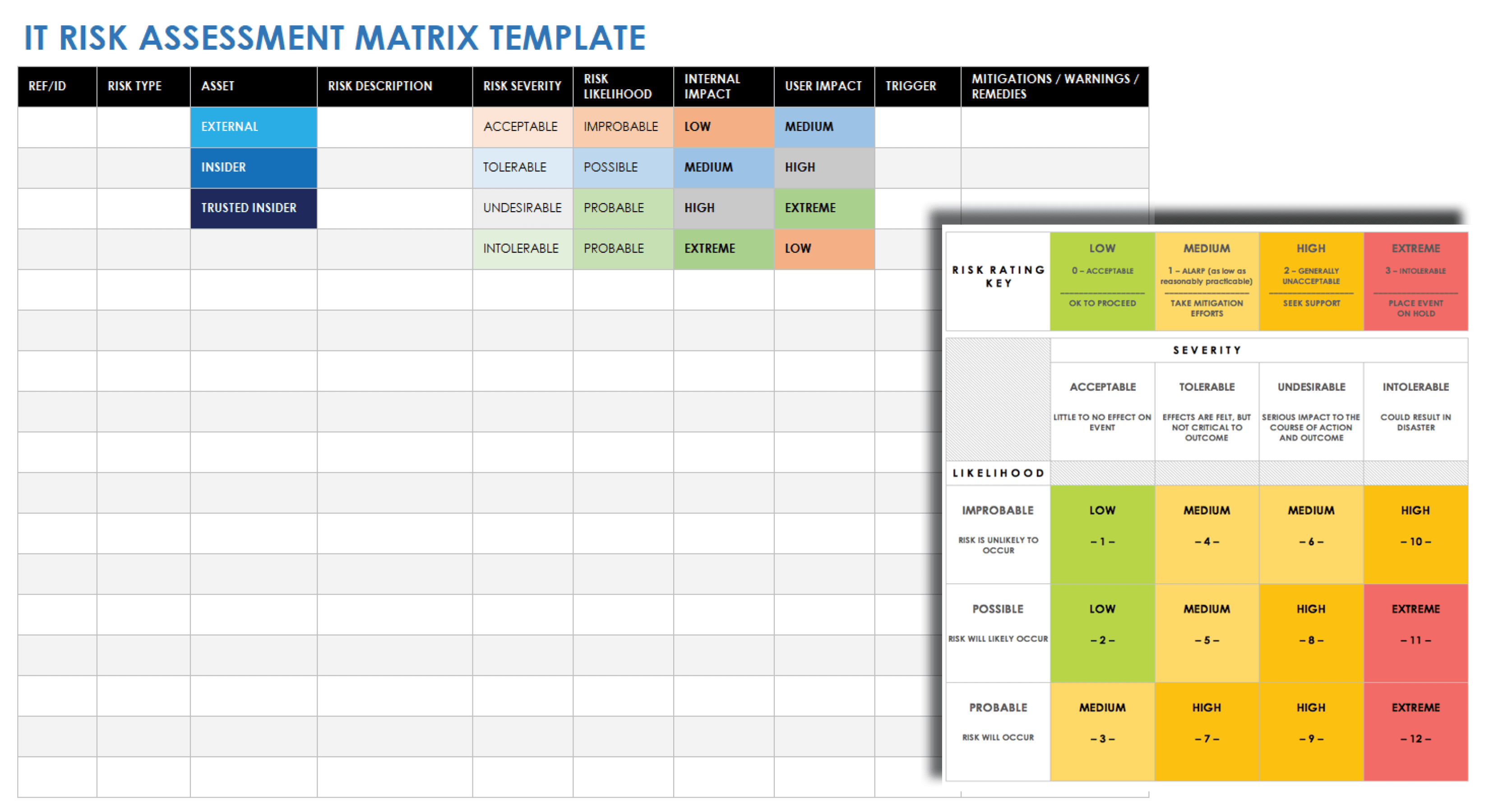
- Analysis Paralysis: Comprehensive evaluations often generate massive lists of vulnerabilities and recommended upgrades. Without a clear prioritization matrix, organizations may become overwhelmed and fail to address high-risk exposures.
Best Practices for Remediation and Continuous Monitoring
Identifying infrastructure deficiencies is only the first step. True value is realized through systematic remediation and the transition from point-in-time audits to continuous operational visibility.
Prioritize Based on Risk
Not all vulnerabilities carry equal weight. Organizations should utilize risk-scoring frameworks—such as the Common Vulnerability Scoring System (CVSS)—combined with business impact analyses to tackle high-probability, high-impact risks first. A vulnerability that exposes customer records should take precedence over a minor configuration mismatch on an isolated testing server.
Establish Continuous Monitoring
An infrastructure assessment should not be a once-a-year event. Technology environments change constantly. Deploying Security Information and Event Management (SIEM) solutions, automated patch management systems, and continuous network monitoring tools ensures that IT teams can detect drift, misconfigurations, and suspicious activity in real time.
Document and Update Policies
Technical fixes must be accompanied by administrative controls. Update internal policies regarding password complexity, hardware procurement lifecycles, remote work security, and data retention. Clear policies ensure that employees and administrators maintain secure practices long after the initial assessment concludes.
Frequently Asked Questions
How often should an IT infrastructure assessment be conducted?
Organizations should conduct a comprehensive infrastructure and security assessment at least annually. Additionally, major reviews should be triggered by significant organizational events, such as a merger, acquisition, migration to a cloud environment, or major updates to regulatory compliance frameworks.
What is the difference between an IT assessment and an IT audit?
While both evaluate technology environments, an IT audit typically focuses on compliance, financial controls, and adherence to specific regulatory standards or governance frameworks. An IT infrastructure assessment is broader and more technical, examining operational performance, system architecture, capacity planning, and hardware health alongside security posture.
Can small businesses perform their own IT assessments?
Small businesses with limited resources can utilize automated vulnerability scanners and self-assessment checklists to evaluate basic network security and hardware lifecycles. However, engaging a specialized managed service provider (MSP) or third-party cybersecurity firm is recommended for objective verification and complex cloud environments.
How long does an IT infrastructure review take to complete?
The duration depends heavily on the scale and complexity of the organization. A basic review of a small business network may take one to two weeks. Conversely, a comprehensive assessment of a multi-site enterprise with hybrid cloud architectures, thousands of endpoints, and strict compliance mandates can take anywhere from six to twelve weeks.
What qualifications should I look for in an infrastructure assessment partner?
When hiring external consultants, look for recognized industry certifications such as Certified Information Systems Auditor (CISA), Certified Information Systems Security Professional (CISSP), or specific vendor credentials (e.g., AWS Certified Solutions Architect, Microsoft Certified: Azure Solutions Architect Expert). Experience within your specific industry is also highly valuable.
Next Steps
To begin improving your technical landscape, initiate a preliminary scoping meeting with key IT stakeholders and department leaders. Catalog your primary business pain points, establish a realistic budget, and determine whether to utilize internal resources or engage an external specialist. Developing a clear project timeline will ensure your assessment delivers actionable, high-impact improvements without disrupting daily operations.