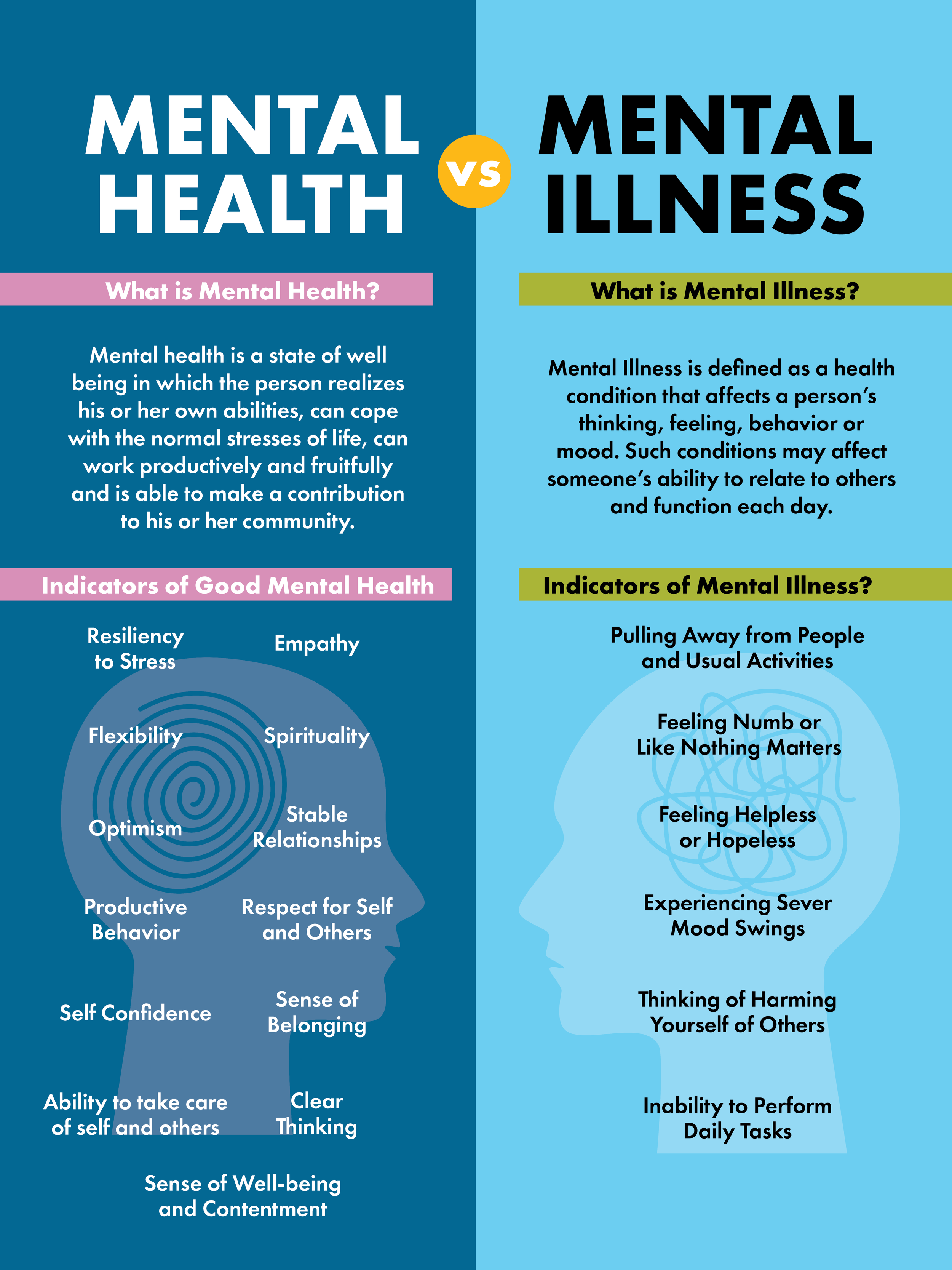
An assessment of mental health is a systematic evaluation of an individual's emotional, psychological, and social well-being, designed to identify clinical symptoms, cognitive functions, and behavioral patterns. Its primary components include clinical interviews, standardized psychological rating scales, behavioral observations, and functional evaluations, which collectively inform accurate diagnoses and personalized treatment planning.
Introduction to Mental Health Assessment
In clinical practice, understanding a person’s psychological state requires more than a casual conversation. An assessment of mental health serves as the foundational bridge between a patient experiencing distress and a clinician formulating an effective, evidence-based intervention. Rather than relying on a single observation, this multifaceted process systematically gathers data regarding an individual's mood, thinking processes, history, and daily functioning.
The primary search intent surrounding this topic typically involves understanding what these evaluations entail, why they are structured in specific ways, and what core elements distinguish a professional clinical assessment from informal self-reflection. To understand this process fully, one must explore its precise definition, structural components, methodological variations, and practical applications in clinical and community settings.
Disclaimer: The following overview is intended for educational purposes and should not be used for self-diagnosis or as a substitute for professional clinical evaluation.
Defining Mental Health Assessment
A mental health assessment is a professional evaluation conducted by licensed clinicians—such as psychiatrists, psychologists, psychiatric mental health nurse practitioners, and licensed clinical social workers—to evaluate an individual's current psychological functioning and overall mental well-being.
Unlike a simple medical test that might check blood pressure or cholesterol levels, a mental health evaluation examines subjective experiences, interpersonal behaviors, and cognitive capabilities. The World Health Organization (WHO) conceptualizes mental health not merely as the absence of mental disorder, but as a state of well-being in which an individual realizes their own abilities, can cope with the normal stresses of life, can work productively, and is able to make a contribution to their community. Consequently, a comprehensive assessment measures both pathology (symptoms of illness) and wellness (resilience, coping mechanisms, and adaptive functioning).
Objectives of the Evaluation
- Diagnostic Clarification: Determining whether an individual meets the criteria for specific conditions outlined in diagnostic manuals such as the Diagnostic and Statistical Manual of Mental Disorders (DSM-5-TR) or the International Classification of Diseases (ICD-11).
- Risk Stratification: Identifying immediate or long-term risks to self or others, including suicidal ideation, self-harm, or aggressive behaviors.
- Baseline Measurement: Establishing a quantitative and qualitative baseline of functioning to measure the efficacy of future treatments, medications, or psychotherapeutic interventions.
- Treatment Planning: Informing the selection of appropriate therapeutic modalities, level of care (e.g., outpatient, intensive outpatient, inpatient), and referral networks.
Key Components of a Mental Health Assessment
A thorough mental health assessment integrates several distinct methodologies. No single component stands alone; rather, clinicians synthesize data from each area to form a cohesive clinical formulation.
Comprehensive Mental Health Assessment:
- Clinical Interview
- Standardized Questionnaires
- Mental Status Examination (MSE)
- Functional & Risk Evaluation
1. The Clinical Interview
The clinical interview is the cornerstone of any mental health evaluation. Conducted as a dialogue between the clinician and the patient, it typically covers several key domains:
- Presenting Problem: Exploring the primary reasons the individual is seeking help, including the onset, duration, severity, and perceived triggers of current symptoms.
- Psychiatric History: Reviewing past mental health diagnoses, previous hospitalizations, past treatments, and the outcomes of prior therapeutic or pharmacological interventions.
- Medical and Family History: Assessing general health conditions, neurological histories, substance use history, and genetic predispositions by exploring family mental health backgrounds.
- Psychosocial and Developmental History: Examining childhood experiences, educational background, employment history, trauma history, relationship status, and cultural or spiritual values that may influence coping strategies.
2. The Mental Status Examination (MSE)
The Mental Status Examination is the psychological equivalent of a physical examination. It is a structured way of observing and describing a patient's current psychological functioning across several specific domains during the interview:
- Appearance and General Behavior: Noting grooming, hygiene, posture, eye contact, and any psychomotor agitation or retardation.
- Mood and Affect: Mood refers to the patient's self-reported internal emotional state (e.g., depressed, anxious, euphoric), while affect refers to the clinician's observation of the patient's outward emotional expression (e.g., flat, labile, restricted).
- Thought Process and Content: Evaluating how a patient thinks and what they think about. Clinicians look for logical flow, coherence, and the presence of delusions, obsessions, or suicidal/homicidal ideation.
- Perceptual Disturbances: Screening for hallucinations (auditory, visual, tactile) or illusions.
- Cognition: Assessing orientation to person, place, and time, as well as immediate, recent, and remote memory, and concentration abilities.
- Insight and Judgment: Determining the patient's awareness of their own mental health condition (insight) and their ability to make sound, rational decisions regarding their welfare and safety (judgment).
3. Standardized Rating Scales and Questionnaires
To complement subjective interviews, clinicians often utilize psychometrically validated self-report or clinician-rated questionnaires. These instruments provide standardized scores that help quantify symptom severity and track changes over time.
- Depression Screening: Instruments such as the Patient Health Questionnaire-9 (PHQ-9) measure the frequency and severity of depressive symptoms.
- Anxiety Screening: Tools like the Generalized Anxiety Disorder-7 (GAD-7) evaluate chronic anxiety and worry.
- Broad-Spectrum Symptom Inventories: Assessments like the Minnesota Multiphasic Personality Inventory (MMPI-2) or the Beck Depression Inventory (BDI) offer deeper insights into personality structures and specific psychiatric symptom clusters.
4. Functional and Risk Evaluation
Understanding how mental health symptoms impact daily life is essential. Clinicians evaluate occupational, academic, and social functioning to determine the degree of impairment. Additionally, structured risk assessments evaluate immediate safety concerns, including self-harm, suicide risk, substance intoxication withdrawal risks, and potential harm to others.
Comparison of Assessment Modalities
Different clinical settings and objectives require varying assessment approaches. The table below outlines the primary modalities used in mental health evaluations, their typical use cases, and their primary limitations.
| Assessment Modality | Primary Focus | Typical Use Case | Key Limitation |
|---|---|---|---|
| Semi-Structured Clinical Interview | Comprehensive history and symptom constellation | Initial intake evaluations, diagnostic formulation | Subject to patient recall bias and clinician subjectivity |
| Mental Status Examination (MSE) | Cross-sectional observation of current cognitive and emotional state | Emergency room evaluations, inpatient psychiatric rounds | Snapshot in time; may miss intermittent symptoms |
| Standardized Self-Report Scales | Quantifying symptom severity across specific domains | Routine tracking in outpatient therapy, clinical research | Relies on patient honesty and self-awareness |
| Neuropsychological Testing | Detailed cognitive mapping (memory, executive function) | Differentiating dementia from depression, learning disability evaluation | Time-consuming and expensive |
The Assessment Process: Step-by-Step
A professional mental health evaluation follows a structured progression to ensure thoroughness, ethical compliance, and patient comfort.
- Initial Referral and Consent: The process begins with a referral from a primary care physician, a self-referral, or an institutional requirement. Informed consent is obtained, explaining the purpose of the assessment, confidentiality limits, and the handling of clinical data.
- Data Collection: The clinician conducts the clinical interview, administers standardized questionnaires, and performs the mental status examination. Collateral information from family members or medical records may be incorporated with the patient's consent.
- Data Synthesis and Case Formulation: The clinician analyzes the collected information, weighs diagnostic criteria, considers cultural and environmental context, and rules out medical or substance-induced causes for symptoms.
- Feedback and Collaborative Planning: The clinician shares the assessment findings and diagnosis (if applicable) with the patient. Together, they discuss treatment options, establish goals, and formulate a care plan.
- Documentation and Referral: Detailed clinical notes are entered into the patient's medical record, and referrals for specialized care, psychotherapy, or psychiatric medication management are initiated.
Common Challenges and Troubleshooting in Mental Health Assessments
Conducting and undergoing mental health assessments involves distinct complexities that clinicians and patients must navigate carefully.
Symptom Under-Reporting or Over-Reporting
Patients may minimize symptoms due to social stigma, fear of institutionalization, or lack of insight (anosognosia). Conversely, individuals may exaggerate symptoms to secure specific secondary gains, such as disability benefits or prescription medications. Clinicians counter this by utilizing cross-cutting symptom measures, reviewing collateral historical data, and establishing a trusting therapeutic alliance.
Cultural and Linguistic Nuances
Expressions of psychological distress vary significantly across cultures. For instance, somatic complaints (such as chronic headaches or fatigue) may be the primary manifestation of depression in certain cultures rather than reported sadness. Clinicians must apply culturally sensitive frameworks and, when necessary, utilize certified medical interpreters to prevent misdiagnosis.
Differentiating Comorbidity
Many mental health conditions share overlapping symptoms. For example, anxiety and depression frequently co-occur, and attention-deficit/hyperactivity disorder (ADHD) can mimic symptoms of anxiety or bipolar disorder. Longitudinal observation and thorough developmental histories are vital tools for untangling complex, comorbid presentations.
Frequently Asked Questions
What is the difference between a mental health screening and a mental health assessment?
A screening is a brief, often rapid tool designed to identify individuals who may be at risk for a specific condition, prompting further evaluation (e.g., a primary care doctor asking two questions about mood). An assessment is a comprehensive, in-depth diagnostic evaluation conducted by a mental health professional to determine specific diagnoses, history, and tailored treatment plans.
How long does a standard mental health assessment take?
An initial comprehensive clinical interview and assessment typically ranges from 45 to 90 minutes. However, specialized evaluations, such as comprehensive neuropsychological testing batteries, can take several hours, sometimes broken up across multiple sessions.
Are the results of a mental health assessment confidential?
Yes, mental health assessments are strictly confidential and protected by privacy laws such as the Health Insurance Portability and Accountability Act (HIPAA) in the United States. Information cannot be shared without explicit written consent, except in specific legal exceptions involving imminent danger to self or others, or suspected child and elder abuse.
Can a primary care physician perform a mental health assessment?
Primary care physicians routinely perform preliminary mental health screenings and can diagnose and treat common conditions like mild-to-moderate depression or anxiety. However, for complex presentations, severe psychiatric disorders, or specialized testing, patients are typically referred to licensed mental health specialists.
What should I bring to my first mental health assessment?
Patients should bring a list of current medications and dosages, a summary of past medical and psychiatric history, contact information for previous providers, a list of current symptoms or life stressors, and any insurance or identification cards required by the clinic.
Conclusion and Next Actions
A professional assessment of mental health is a vital, structured process that clarifies psychological symptoms, establishes safety, and guides effective treatment interventions. By combining clinical interviews, standardized rating scales, and careful mental status observations, healthcare providers can decode complex emotional distress into actionable care plans. If you or someone you know is navigating mental health challenges, reaching out to a primary care provider or a licensed mental health clinician is the essential first step toward obtaining a comprehensive evaluation and starting the journey toward recovery.