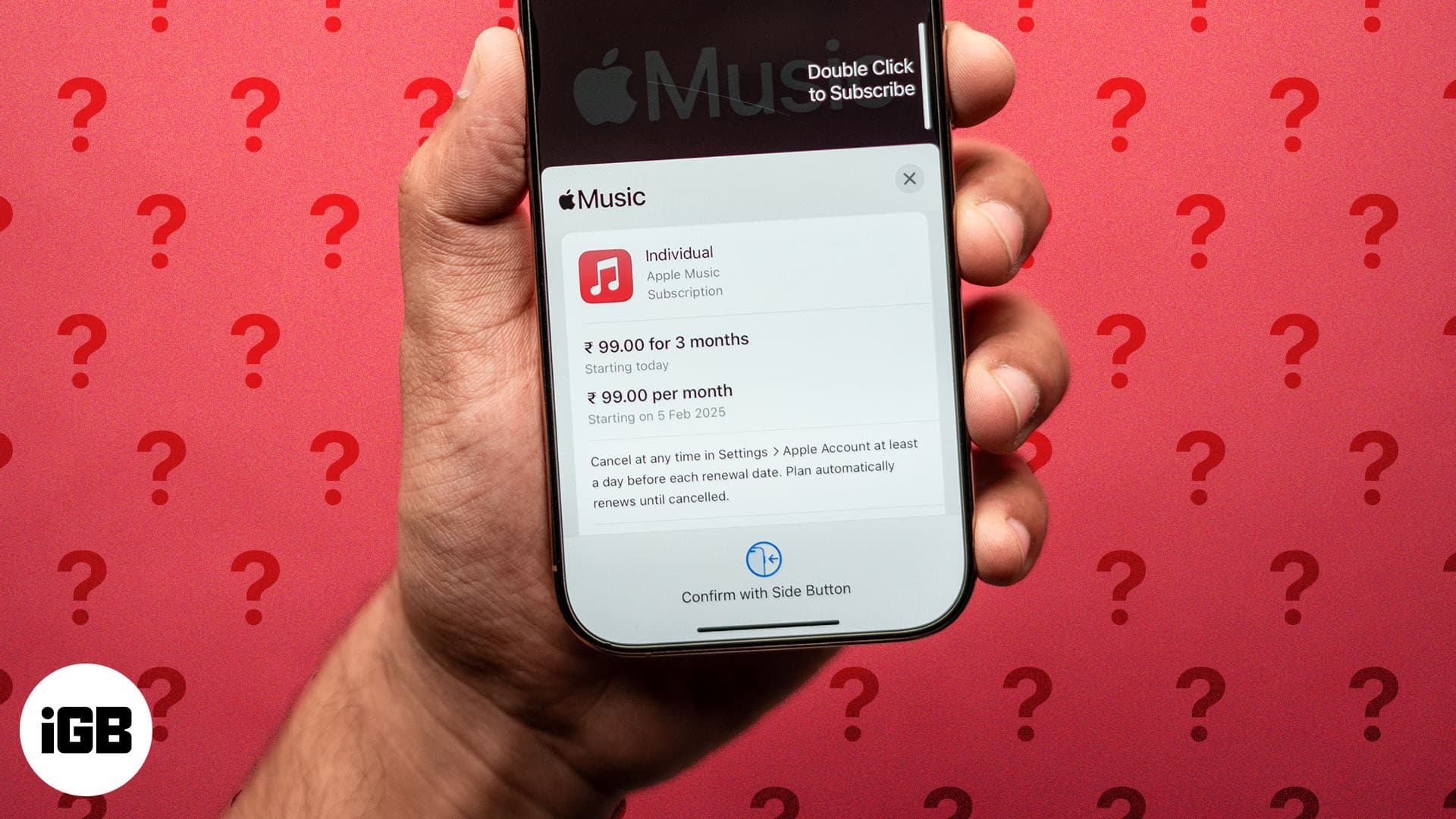
As of 2026, Apple Music in India offers a tiered subscription structure designed to cater to individual, family, and student users. The current pricing strategy—starting at ₹99 per month for students and reaching ₹149 per month for individuals—serves as the primary financial benchmark for users deciding between Apple’s ecosystem-integrated service and the more aggressively priced or ad-supported tiers offered by competitors like Spotify, YouTube Music, or JioSaavn. Understanding these costs is essential for Indian consumers balancing premium high-fidelity audio requirements against the flexibility of budget-friendly streaming alternatives.
The Current Apple Music Pricing Architecture in India
Apple Music’s pricing in India is calibrated to reflect the regional market’s high price sensitivity while maintaining the premium positioning of the Apple brand. Unlike some global markets where Apple utilizes a vast array of subscription bundles, the Indian market relies on three distinct pillars: the Individual plan, the Student plan, and the Family plan.
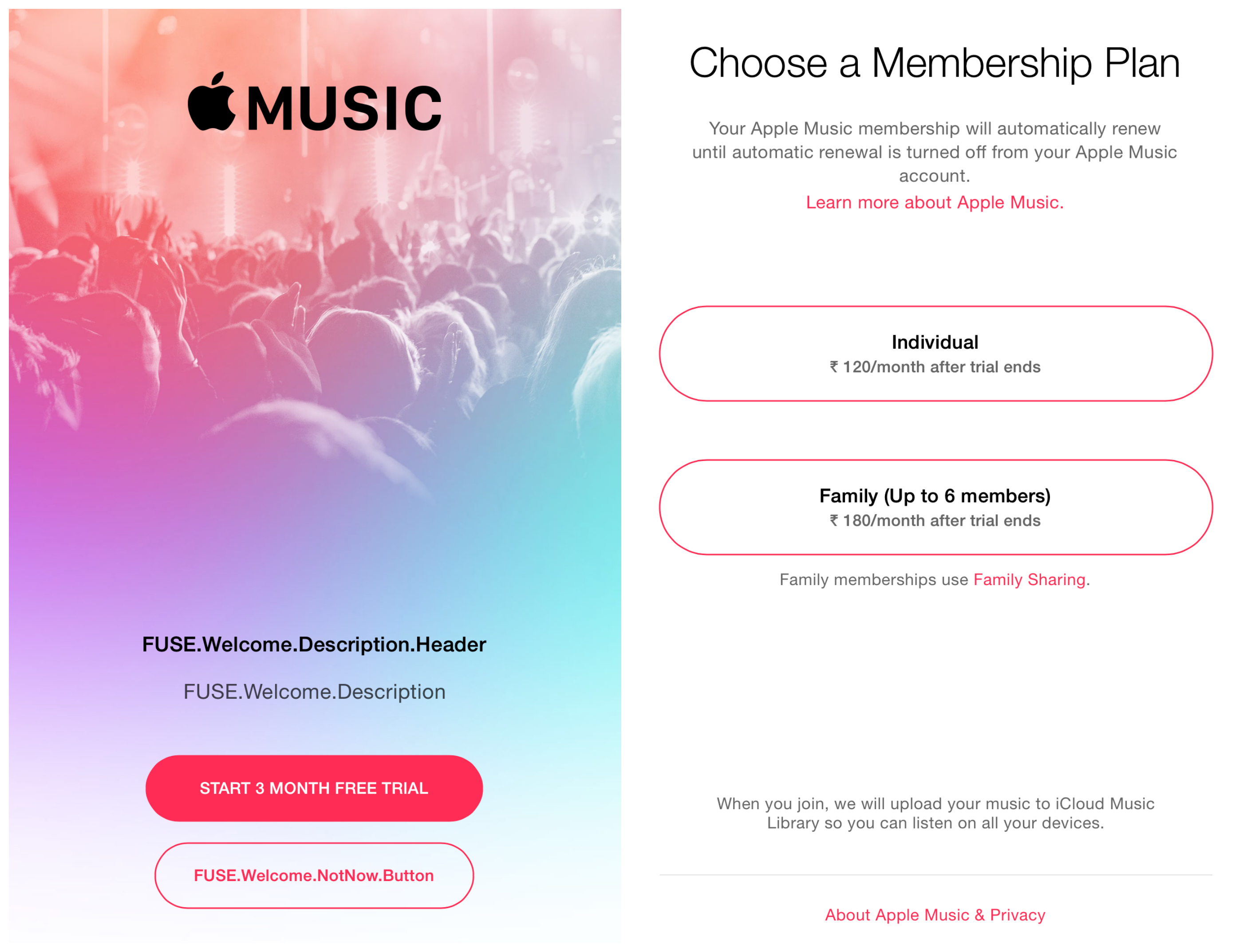
Individual Subscription
The Individual plan serves as the baseline for most users. Priced at ₹149 per month, this tier provides access to the full catalog of over 100 million songs, high-resolution Lossless Audio, Spatial Audio with Dolby Atmos, and ad-free listening. For the average listener, this price point represents a significant commitment compared to ad-supported tiers of local rivals. Users opting for this plan typically prioritize the seamless integration with iOS, iPadOS, and macOS, alongside the absence of intrusive advertising that characterizes the "freemium" model.
Student Subscription
Apple provides a discounted rate for verified students through the UNiDAYS platform. At ₹99 per month, this tier offers identical technical features to the Individual plan. The existence of this price point is a critical factor in shaping the habits of younger demographics, who are more likely to have brand loyalty to Apple but possess less disposable income. By anchoring the price under the ₹100 threshold, Apple effectively captures a significant segment of the university-going population, preventing them from migrating to cheaper, ad-supported competitors.
Family Subscription
The Family plan is priced at ₹199 per month and permits up to six users to share the subscription. When analyzed on a per-user basis, this is the most cost-effective tier available. If a family of six utilizes the account, the cost drops to approximately ₹33 per user per month. This structure is a primary driver for households already invested in the Apple ecosystem, as it encourages collective adoption rather than individual, fragmented subscriptions.
Comparative Market Analysis: Apple Music vs. The Competition
The streaming landscape in India is defined by a fierce battle between global giants and domestic platforms. The decision-making process for an Indian consumer is rarely based on audio quality alone; it is a calculation of price, content localization, and platform accessibility.
The Ad-Supported Competitive Landscape
Competitors such as Spotify, YouTube Music, and Amazon Music provide ad-supported tiers or bundle their services with larger ecosystems (like Amazon Prime). For many Indian users, the "cost" of streaming is seen as either time (listening to advertisements) or a bundled subscription (paying for Prime shipping to get music access).
Apple Music does not offer a free, ad-supported tier. This creates a psychological barrier for entry. While Apple’s pricing is competitive within the premium tier, it lacks a "zero-cost" entry point. This strategic choice reinforces Apple's image as a premium, privacy-focused service, but it also dictates that Apple Music users are predominantly those who have already determined that an ad-free experience is worth the monthly expenditure.
Technical Value Proposition
The justification for Apple’s price lies in its technical specifications. As of 2026, the inclusion of Lossless Audio and Dolby Atmos at no extra cost to the subscriber differentiates Apple from services that may charge a premium for "Hi-Fi" tiers. For audiophiles in India, the ₹149 monthly fee provides a level of technical depth—bitrates up to 24-bit/192kHz—that represents significant value compared to standard compressed streaming.
| Subscription Plan | Monthly Price (INR) | Primary Advantage |
|---|---|---|
| Student | ₹99 | Highest feature-to-cost ratio |
| Individual | ₹149 | Ad-free, high-fidelity standard |
| Family (6 users) | ₹199 | Best value for multi-device households |
How Costs Shape Consumer Behavior and Streaming Choices
In the Indian market, where mobile data usage is high but average revenue per user (ARPU) is lower than in Western markets, subscription costs act as a filter for user behavior. The lack of a free tier means that those who choose Apple Music have made a deliberate decision to avoid interruptions.
The Ecosystem Lock-in Effect
A significant portion of Apple Music’s Indian subscriber base consists of existing iPhone and Mac users. The integration of Apple Music into the Control Center, the optimized battery consumption, and the tight coupling with iCloud features often outweigh the cost differential compared to rival services. The "hidden" cost of switching—losing curated playlists, algorithmic training, and device-level integration—keeps users within the Apple ecosystem even when cheaper alternatives exist.
Impact of Regional Content and Localization
Apple has invested heavily in acquiring licenses for Indian regional music, including Bollywood, Tollywood, and independent Punjabi and South Indian tracks. As the platform’s library has grown to be more representative of the diverse Indian musical taste, the perceived value of the ₹149 subscription has increased. Consumers who previously found Apple Music lacking in local content are now more likely to view the price as justifiable, given the current depth of the regional catalog.
Evaluating the "Value" of a Paid Subscription
When deciding whether to maintain an Apple Music subscription, users often perform a mental "utility audit." This audit typically weighs three factors: audio quality, interface utility, and cross-device synchronization.
- Audio Quality: For users with high-quality headphones or home audio systems, the inclusion of Lossless and Spatial Audio is a non-negotiable benefit. The cost is justified by the technical performance.
- Interface and UX: Apple Music’s interface is largely devoid of the promotional clutter found on some competitors. For a user who values a clean, minimalist experience, this aesthetic value justifies the monthly fee.
- Synchronization: The ability to move from an iPhone to an iPad or Mac without interruption, combined with the iCloud Music Library feature that lets users upload their own local files to the cloud, provides a level of utility that is difficult to replicate with cheaper, non-Apple solutions.
Common Challenges and Troubleshooting for Indian Subscribers
Navigating the subscription process can occasionally present issues for users in India, particularly regarding payment methods.
- Payment Method Limitations: Apple requires specific payment methods that support recurring billing (Auto-Pay) via UPI, credit cards, or debit cards that meet Reserve Bank of India (RBI) mandates for e-mandates. If a payment fails, the subscription may lapse. Users should ensure their selected payment instrument is compatible with recurring international merchant transactions.
- Verification Cycles: Student subscribers must re-verify their status through UNiDAYS periodically. Failure to complete this process will result in an automatic migration to the Individual plan at the standard price. It is essential to keep university email addresses active and monitor expiration notifications.
- Family Plan Discrepancies: A common issue occurs when family members reside in different regions. To join a Family subscription, all members must have their Apple ID set to the India region. Attempting to mix accounts from different regional stores will prevent participation in the shared plan.
Future Outlook: The Role of Price in Streaming Retention
Looking toward the remainder of 2026, the streaming market in India remains highly competitive. The primary trend is a move toward ecosystem bundling. Apple’s challenge is to ensure that its standalone music service continues to feel essential in an environment where competitors are increasingly integrated into broader telecommunications and e-commerce bundles.
The choice of a streaming service in India is increasingly a choice about digital lifestyle management. Users who value simplicity and technical quality are likely to remain loyal to Apple Music, despite the lack of a free tier. Conversely, casual listeners who prioritize cost-efficiency over quality will likely continue to favor ad-supported or bundled streaming models. For the individual consumer, the decision rests on whether the premium experience is perceived as a luxury or an essential component of their daily routine.
Frequently Asked Questions
1. Does Apple Music offer a free, ad-supported tier in India? No, Apple Music does not offer a free, ad-supported streaming tier in India. Access requires an active subscription, though a limited-time free trial is frequently available for new subscribers.
2. Can I use a foreign Apple ID to get a cheaper price in India? No. Apple’s terms of service require that your account region matches your country of residence and payment method. Using a foreign ID typically leads to payment failures and is generally discouraged to avoid potential account restrictions.
3. Is there a way to pay for Apple Music without a credit card in India? Yes. Apple supports various local payment methods, including UPI (Unified Payments Interface) and specific debit cards that support auto-debit mandates, allowing for seamless subscription management without a traditional credit card.
4. What happens if I move from the Student plan to an Individual plan? If you lose your student status, you will be migrated to the standard Individual plan at the current price of ₹149 per month. You should receive a notification from Apple or UNiDAYS before this change takes effect, allowing you to update your documentation if you are still eligible.
5. Does the Family plan include separate music libraries for each user? Yes. Every person invited to an Apple Music Family plan uses their own Apple ID. This ensures that every member has their own independent music library, personalized recommendations, and private listening history, while the subscription cost is billed to the primary account holder.
Final Recommendation
For those already embedded in the Apple ecosystem, the Apple Music Family plan remains the most financially prudent choice for household access. If you are a student, utilize the verification process to secure the ₹99 rate, as it provides the full feature set at a significant discount. If you are an individual listener who prizes audio fidelity and a clean user interface, the ₹149 monthly subscription is a sound investment that offers industry-leading technical features without the interruption of advertisements. Evaluate your current device usage—if you frequently switch between Apple devices, the inherent integration of the service will likely provide enough value to justify the cost over free or ad-supported alternatives.