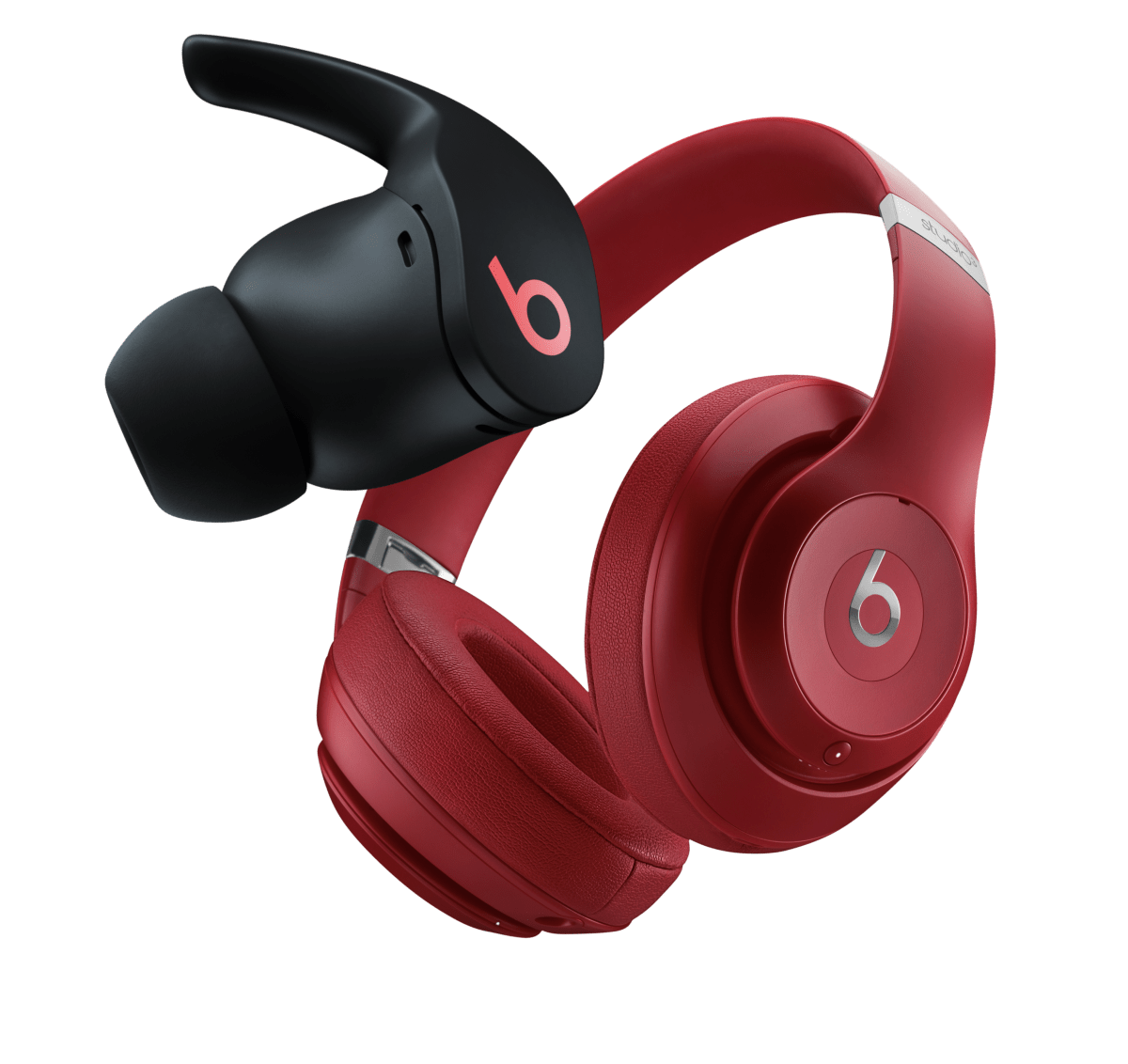
Yes, Apple Inc. owns Beats by Dr. Dre. The Cupertino-based technology giant finalized its acquisition of the audio brand, officially known as Beats Electronics and Beats Music, in August 2014. This acquisition remains one of the most significant strategic moves in Apple’s corporate history, fundamentally altering the company’s position in the high-fidelity audio market and serving as the catalyst for its current music streaming ecosystem.
The Context of the 2014 Acquisition
In May 2014, Apple announced its intent to acquire Beats Electronics and Beats Music for a total of $3 billion. The transaction was structured as $2.6 billion in cash and $400 million in Apple stock. When the deal closed in August of that same year, it represented the largest acquisition in Apple’s history at the time.
The move was orchestrated by Tim Cook, who viewed the deal not merely as a purchase of a hardware manufacturer, but as an opportunity to accelerate Apple’s entry into the subscription music streaming space. By bringing the founders—Dr. Dre (Andre Young) and Jimmy Iovine—into the fold, Apple integrated a brand with massive cultural cachet and a sophisticated understanding of consumer audio trends.
Strategic Objectives Behind the Purchase
Apple’s acquisition of Beats was driven by three core pillars: talent acquisition, hardware market expansion, and the development of a subscription-based music platform.
Cultural Integration and Leadership
Jimmy Iovine, a veteran of the music industry and co-founder of Interscope Records, brought decades of relationships with artists and producers. His influence was instrumental in shaping Apple Music, which launched in 2015. By absorbing the Beats leadership, Apple gained a unique perspective on how to bridge the gap between technology companies and the creative industry.
Capturing the Consumer Audio Market
Before the acquisition, Apple’s audio presence was largely defined by the basic EarPods included with iPhones. Beats brought a premium, fashion-forward hardware aesthetic that occupied the "lifestyle" segment of the headphone market. Beats headphones were widely recognized as status symbols, and integrating them into Apple’s retail chain allowed the company to dominate the premium personal audio category.
The Foundation of Apple Music
Perhaps the most critical reason for the acquisition was Beats Music. At the time, Apple was losing ground to competitors like Spotify, which had pioneered the subscription-streaming model. The technology and infrastructure behind Beats Music provided the foundation upon which Apple built its own subscription service, ensuring the company could retain its position as a central hub for digital music consumption.
Evolution of Beats Under Apple Ownership
Since 2014, Beats has operated as a distinct brand within the Apple hardware division. While the internal engineering of many Beats products now relies on Apple-proprietary components—such as the W1, H1, or H2 wireless chips—the aesthetic identity of the brand remains separate from the core Apple-branded audio products, such as the AirPods line.
Technical Synergy
The integration of Apple technology into Beats products solved one of the biggest hurdles in early Bluetooth audio: connectivity stability. By utilizing Apple’s H-series silicon in products like the Beats Studio Pro and the Powerbeats series, the headphones achieved the same "instant pair" functionality and ecosystem synchronization that defined the AirPods experience.
Product Segmentation
Apple maintains a clear product segmentation strategy. Apple-branded audio equipment, such as the AirPods and AirPods Max, focuses on minimalist design and deep integration with iOS. Beats, conversely, targets a broader demographic, including athletes and fashion-conscious consumers, by offering a wider range of colorways and form factors.
| Feature Category | Apple-Branded Audio (AirPods) | Beats by Dr. Dre |
|---|---|---|
| Primary Design Focus | Minimalism and Integration | Lifestyle and Cultural Aesthetic |
| Ecosystem Compatibility | Deeply optimized for iOS | Balanced support for iOS and Android |
| Hardware Components | Apple proprietary silicon | Apple proprietary silicon |
| Typical Target Audience | Apple-centric users | Diverse, cross-platform users |
Operational Impact and Brand Maintenance
Apple’s management of Beats provides a case study in "hands-off" acquisition strategy. Rather than rebranding the products as "Apple Headphones," the company chose to keep the Beats name. This was a tactical decision to preserve the brand equity Beats had cultivated through high-profile artist endorsements and its heavy association with youth culture and professional sports.
Maintaining Multi-Platform Support
One significant difference between Beats and other Apple audio products is the explicit focus on Android compatibility. The "Beats" app on the Google Play Store is a direct example of how the brand continues to reach beyond the Apple ecosystem. While Apple keeps its own AirPods features exclusive to Apple devices, Beats products are designed to function as high-performance audio tools for users across all major mobile operating systems.
Addressing the Technical Depth of Modern Beats
As of 2026, the Beats lineup has moved almost entirely to wireless form factors. The modern product stack focuses on Active Noise Cancellation (ANC), Transparency Mode, and high-fidelity spatial audio. By utilizing Apple’s manufacturing scale and supply chain, Beats has remained price-competitive while incorporating features that would be difficult for an independent audio firm to scale profitably.
Common Misconceptions Regarding the Merger
Because the two brands are often viewed as distinct, many consumers harbor confusion regarding the level of separation between them.
- "Are Beats still a separate company?" No. Beats is a fully integrated division of Apple Inc. It is not a subsidiary that operates independently of Apple’s financial or technical governance.
- "Do Beats use different internal hardware?" In terms of connectivity and signal processing, modern Beats products use the same underlying silicon as Apple’s audio products. However, the acoustic drivers, tuning, and exterior housing are designed by the dedicated Beats engineering team.
- "Does Apple force people to use Beats?" No. Apple sells a wide variety of third-party headphones in its stores. However, Beats products receive primary placement due to their ownership status.
Practical Considerations for Consumers in 2026
If you are considering a purchase of Beats products today, it is helpful to understand how the ownership structure benefits the end-user.
- Service and Support: Beats products are serviced directly through Apple Support. Whether you have a hardware defect or need battery service, you can schedule appointments at Apple Retail Stores or through official support channels.
- Firmware Updates: Firmware for Beats is delivered over-the-air through Apple’s update infrastructure. This ensures that even older Beats models remain compatible with newer versions of iOS and macOS.
- Warranty Coverage: All Beats products are covered under Apple’s standard limited hardware warranties, and they are eligible for AppleCare+ coverage, which provides extended protection against accidental damage.
Troubleshooting and Next Actions
If you are experiencing issues with Beats hardware, you should avoid third-party, non-certified repair centers. Because the devices contain proprietary chips, amateur repairs often result in a loss of functionality or the "bricking" of the device.
- Identify the Model: Locate the model number on your specific device. This is essential for finding the correct firmware update or support documentation on the Apple support website.
- Verify Firmware: If your audio quality or connectivity seems erratic, ensure your Beats device is updated. This can be checked within the Bluetooth settings on your iPhone or via the Beats app on Android.
- Contact Apple Support: If the device is unresponsive, visit the Apple support portal. You can initiate a mail-in repair or find an Apple Authorized Service Provider near you.
For users looking for a bridge between high-quality sound and cross-platform compatibility, Beats products remain one of the most reliable options on the market. They benefit from the vast R&D budget of Apple while retaining the specific sound profiles and design language that the Beats brand is known for.
Frequently Asked Questions
Does Apple still manufacture Beats headphones?
Yes, Apple designs and manufactures the full line of Beats headphones and speakers. While the engineering teams may collaborate, the product development follows the internal Apple hardware roadmap, ensuring regular updates to maintain market relevance.
Are Beats products compatible with non-Apple devices?
Yes. Beats products are intentionally designed to be "platform-agnostic." While they offer the best experience when paired with an iPhone or iPad, they maintain full Bluetooth functionality with Android devices, Windows PCs, and gaming consoles.
Why does Apple own two different headphone brands?
Apple maintains both the AirPods and Beats brands to capture different segments of the market. AirPods are positioned as the definitive, minimalist "Apple accessory," whereas Beats are positioned as a premium, style-forward audio brand that appeals to a broader, more fashion-conscious, and cross-platform audience.
Can I get Beats fixed at an Apple Store?
Yes. As of 2026, Apple Stores treat Beats products as their own. You can visit the Genius Bar for diagnostic services or repairs, provided you have a valid warranty or are willing to pay for out-of-warranty service.
Will Apple ever discontinue the Beats brand?
There is no indication of this. The Beats brand holds significant cultural value and possesses a strong identity that resonates with consumers who may prefer a different aesthetic than the one offered by the white-plastic design language of the standard AirPods line.
How does the sound profile of Beats differ from AirPods?
Historically, Beats were known for a bass-heavy, "club-like" sound profile. Over the last decade, Apple has tuned the audio signature of Beats to be more balanced and neutral, though they typically retain a slightly warmer, punchier bass response compared to the more clinical sound signature of the AirPods Pro.
Final Recommendation
If you are in the market for new audio equipment, recognize that purchasing a Beats product is functionally equivalent to buying an Apple-designed peripheral. You gain the benefit of Apple’s robust supply chain, long-term software support, and a streamlined warranty process. If your priority is deep integration with an existing Apple ecosystem, you might favor AirPods, but if you require versatility across Android and iOS, or prefer a specific aesthetic, Beats remains a high-performance, fully supported, and technologically modern choice. Always verify your model's specific capabilities on the official Beats by Dre website to ensure compatibility with your intended devices before finalizing your purchase.