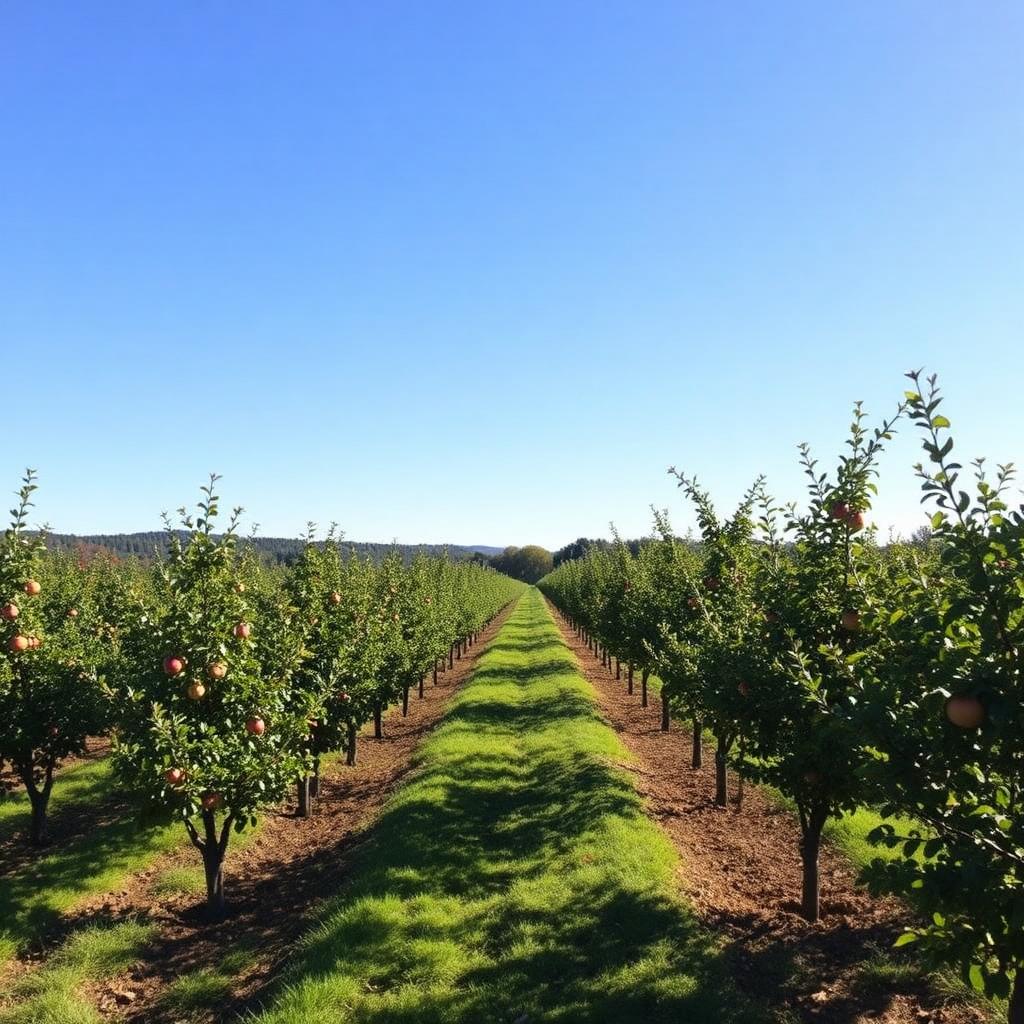
Apple picking in Maine near Portland offers a seasonal tradition that combines agricultural heritage with outdoor recreation. While Portland itself is a coastal urban center, a short drive inland toward towns like Buxton, Gorham, and Limington brings visitors to family-owned orchards where they can harvest varieties such as McIntosh, Cortland, and Honeycrisp during the late summer and autumn harvest window.
Understanding the Maine Apple Harvest Season
The apple season in Maine is dictated by the region's shorter growing period compared to the Mid-Atlantic or Southern United States. Typically, the picking season begins in late August or early September and concludes by mid-to-late October.
Early season varieties, such as Ginger Gold, often ripen in late August. By mid-September, the classic Maine varieties—specifically the McIntosh, which thrives in the state’s cooler climate—reach peak maturity. Late-season varieties like Baldwin or Mutsu may remain available until the first frost in late October. Because weather patterns vary annually, it is essential to monitor local orchard reports in 2026 before planning your trip, as a cool spring or a wet summer can shift these windows by one or two weeks.
Planning Your Visit to Orchards Near Portland
When planning a trip from Portland, most viable orchards are located within a 30-to-45-minute drive. Because these locations are often working farms rather than commercial retail centers, they operate on specific schedules that are highly dependent on fruit availability.
Seasonal Timing and Operational Logic
Orchards generally operate on a "crop-dependent" schedule. If a specific variety is picked out by high weekend traffic, the orchard may close its u-pick operations temporarily to allow the remaining crop to mature or to protect the trees.
Before departing Portland:
- Verify Crop Status: Check the orchard’s official website or social media feed for 2026 status updates. Many orchards provide daily updates regarding which rows are open.
- Timing Your Arrival: Mid-week visits are statistically quieter. If you must visit on a weekend, arriving at opening time is the most effective way to avoid crowds and ensure access to the best fruit in the lower canopy, which is easier for children and those with limited mobility to reach.
- Preparedness: Wear sturdy, closed-toe footwear. Orchards are uneven, grass-covered environments that may be muddy if there has been recent precipitation.
Evaluating Orchard Amenities
Beyond the picking experience, Maine orchards often serve as community hubs. When comparing locations, consider what additional facilities or experiences are offered to determine if the site fits your group's needs.
| Feature | Importance | What to Look For |
|---|---|---|
| U-Pick Access | High | Ensure the orchard explicitly allows public picking rather than just retail sales. |
| Variety Selection | Medium | Check if they offer a mix of baking, eating, and cider apples. |
| Parking | Medium | Large commercial orchards have gravel lots; smaller ones may have grassy, shoulder-parking. |
| On-Site Facilities | Low/Medium | Restrooms, picnic areas, and cider donut stands add convenience. |
The Mechanics of Sustainable Harvesting
Responsible apple picking requires a specific technique to ensure the health of the tree for the following year. An apple should never be pulled straight off the branch, as this can break the "spur"—the small, knobby growth on the branch that produces fruit for future seasons.
To harvest an apple correctly, place your palm under the fruit and gently lift it upward while twisting. If the apple is ripe, it will release from the branch with minimal resistance. If you have to tug, the apple is likely not ready to be picked. Avoid shaking the branches or climbing the trees, as this damages the bark and structural integrity of the limbs.
Common Varieties Found in Southern Maine
Maine’s climate is particularly well-suited for varieties that handle cold winters. Familiarizing yourself with these types will help you decide which orchard to target based on what you plan to make with your harvest.
- McIntosh: The quintessential Maine apple. It is soft, aromatic, and excellent for applesauce and snacking, though it breaks down quickly when baked.
- Cortland: A relative of the McIntosh with slightly firmer flesh. It is favored by bakers because it resists browning when sliced.
- Honeycrisp: Known for its explosive crunch and balanced sweet-tart profile. This variety requires specific harvesting windows and is often the first to sell out at local orchards.
- Macoun: Often considered the best "fresh-eating" apple. It has a complex, sweet flavor and a crisp texture.
Troubleshooting Your Trip
If you find that your chosen orchard is closed or the crop has been exhausted, do not attempt to access private land. Agricultural theft, even on a small scale, disrupts the orchard’s inventory management. Instead, have a secondary location in mind. Many of the orchards within a 30-mile radius of Portland share similar climate conditions, but differences in soil drainage or sun exposure can lead to varying harvest timelines between neighboring farms.
If you are traveling with children, ensure you have a designated meeting point in case of separation. Large orchards can become disorienting, and cell service may be spotty in the more rural areas of towns like Limington or Standish.
Legal and Safety Considerations
While visiting an orchard, you are subject to the property owner's rules. Most farms in Maine are private property that allows public access through an implied or explicit license.
- Liability: Most orchards in 2026 will have waivers or posted signs regarding liability. You are responsible for your own safety on uneven terrain.
- Pet Policies: Many working farms prohibit dogs in the picking areas due to food safety regulations (FSMA - Food Safety Modernization Act). Always verify pet policies before bringing animals, as most orchards will require them to remain in the vehicle or prohibit them entirely.
- Safety Limitation: This guide provides general information for 2026. For specific health-related queries regarding food allergies or farm-safety protocols, consult the individual farm's management directly.
Frequently Asked Questions
Is there an admission fee for apple picking in Maine? Most orchards in the Portland area do not charge an entry fee to enter the orchard grounds. Instead, you pay by the weight of the fruit you harvest, or by the size of the container (bag or bushel) you purchase upon arrival.
What is the best time of day to go apple picking? The best time is immediately upon opening. Not only is the weather cooler and the lighting better for photography, but you are also much more likely to find fruit on the lower branches that hasn't been picked over by earlier visitors.
Can I use my own bags for picking? Policies vary by farm. Some orchards require you to purchase their specific bags to ensure uniform weighing at the point of sale. Others allow you to bring your own, provided they are clean. Always ask at the entrance stand before heading into the rows.
Why are some orchards closed on weekdays? Many smaller, family-run orchards in Maine operate with limited staff. To manage labor costs and ensure the longevity of the crop, they may consolidate their operations to high-traffic weekend hours. Always confirm the current week’s operating hours online before driving out.
How long do fresh-picked Maine apples last? If stored in a cool, dark environment—such as a refrigerator crisper drawer—most Maine-grown apples will remain fresh for several weeks. Avoid storing them in direct sunlight or near heat sources, as this accelerates the ripening and softening process.
Recommendations for Your 2026 Trip
To maximize your experience, treat your apple-picking day as a local excursion rather than a singular task. Begin your day by identifying two potential orchards—one as your primary target and one as a backup.
Pack a small cooler in your car to keep your apples at a consistent temperature once picked, as the interior of a parked vehicle can reach temperatures that will cause fruit to spoil rapidly. Ensure you have cash on hand, as some smaller, seasonal farm stands in rural Maine may have limited connectivity for processing electronic payments during peak hours. By approaching the harvest with an understanding of the farm's operational needs and the biological requirements of the trees, you ensure a productive and sustainable experience for the 2026 season.