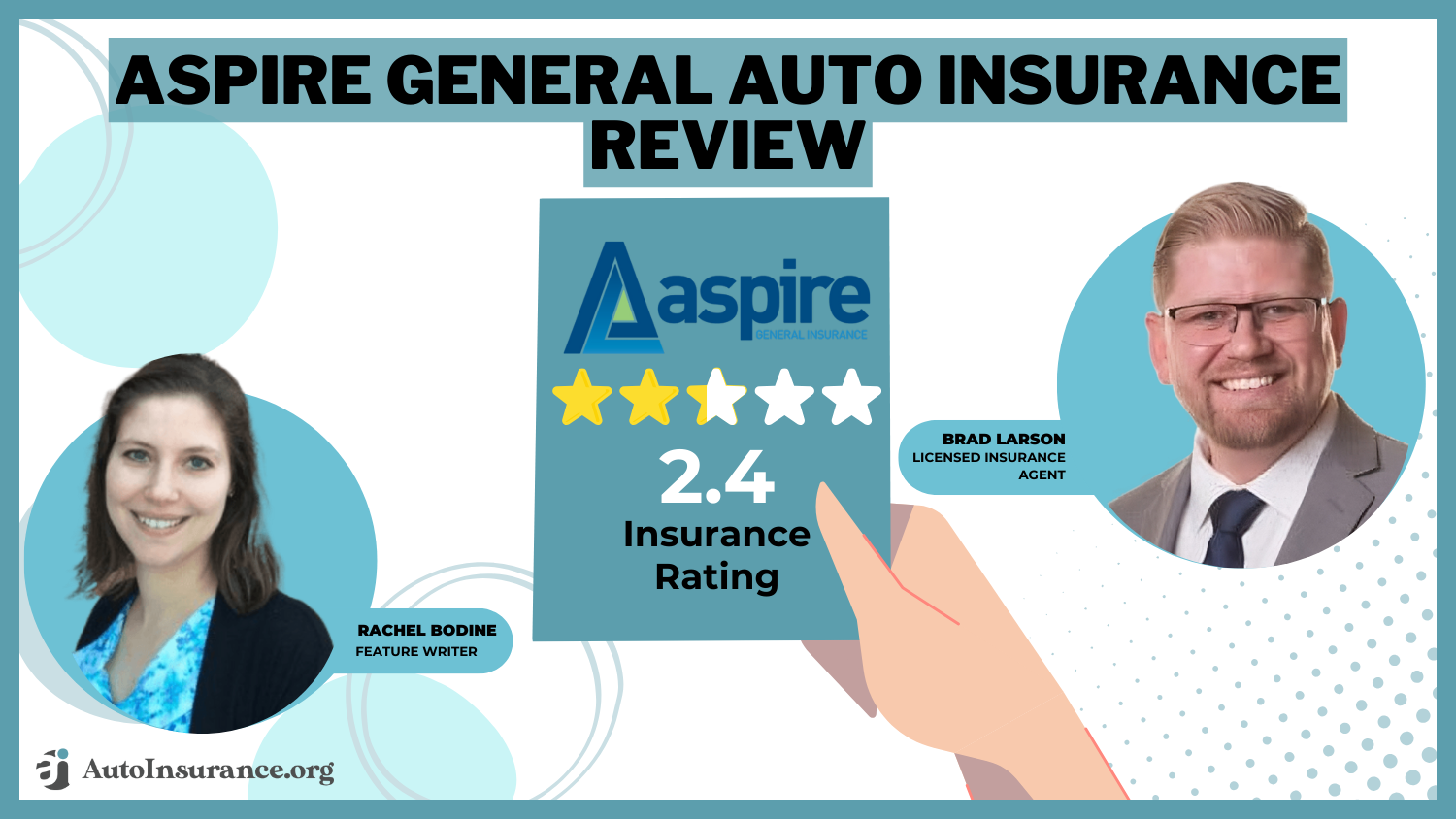
A great auto insurance review must balance personal narrative with objective data, focusing on coverage breadth, pricing transparency, and the efficiency of the claims process. In 2026, reviewers should also evaluate digital interfaces and telematics integration, providing a multi-dimensional view that helps fellow consumers assess both value and reliability before committing to a policy.
The Importance of High-Quality Insurance Reviews in 2026
Auto insurance is no longer a "set it and forget it" commodity. With the rise of AI-driven underwriting and highly personalized telematics programs, the landscape for consumers has become increasingly complex. A review that simply says "the service was good" is no longer sufficient. To be truly helpful, a review must dissect the nuances of a policy, the responsiveness of the insurer during a crisis, and the long-term value provided relative to the premium costs.
In 2026, consumers rely heavily on peer-to-peer feedback to cut through the marketing noise of major carriers. A professional-grade review serves as a bridge between the technical jargon of a 40-page policy document and the practical reality of filing a claim after a collision. By detailing specific interactions and data points, reviewers help others avoid financial pitfalls and identify companies that actually deliver on their promises.
Key Components of an Authoritative Review
To write a review that resonates with readers and provides genuine utility, you must cover several critical pillars. Each pillar addresses a specific concern a potential policyholder might have, from the initial quote process to the resolution of a total loss claim.
Coverage Options and Customization
The core of any insurance product is the protection it offers. A great review should list the standard coverages (Liability, Collision, and Comprehensive) but also highlight unique riders or endorsements. Does the company offer Original Equipment Manufacturer (OEM) parts coverage? Is there a robust Gap Insurance option for those with vehicle loans? Explaining how these options impacted your premium or protected your assets gives the reader a clearer picture of the company’s flexibility.
Pricing Transparency and Value
Price is often the primary driver for consumers, but "cheap" does not always mean "great." An effective review analyzes the quote-to-bind process. Were there hidden fees? How did the final premium compare to the initial online estimate? In 2026, many insurers use dynamic pricing based on real-time driving data. Reviewers should discuss if the discounts promised by telematics programs were actually achievable or if the "safe driver" benchmarks were realistically unreachable for the average commuter.
The Claims Experience
This is the "moment of truth" for any insurance company. A review that doesn't mention the claims process is incomplete. Detail the timeline: How long did it take for an adjuster to view the vehicle? Was the mobile app’s photo-claim feature intuitive or buggy? Highlighting the ease of communication—whether through a dedicated agent or an AI chatbot—provides vital information about the company's operational efficiency during stressful times.
Evaluating Financial Stability and Industry Reputation
While personal experience is the heart of a review, it should be anchored by objective third-party data. An insurer might have a great app but lack the financial reserves to pay out claims during a regional disaster.
Before finalizing a review, or when reading one to make a decision, it is essential to check these benchmarks:
- AM Best Ratings: This is the industry standard for financial strength. A rating of A (Excellent) or higher suggests the company is fiscally sound.
- J.D. Power Satisfaction Scores: These annual studies provide a macro-view of how thousands of customers feel about an insurer's claims and billing processes.
- NAIC Complaint Index: The National Association of Insurance Commissioners (NAIC) tracks consumer complaints. A score below 1.0 indicates fewer complaints than the industry average for a company of its size.
Including these metrics in a review transforms it from a subjective opinion into a comprehensive consumer report.
The Role of Telematics and AI in 2026 Reviews
By 2026, telematics—the use of in-car sensors or smartphone apps to monitor driving behavior—has become the standard for determining premiums. When writing a review, modern consumers expect to see a detailed analysis of these programs.
Was the privacy policy clear? Did the app drain your phone battery excessively? Most importantly, did the "score" feel fair? Many consumers in 2026 are wary of algorithmic bias in insurance. A great review will note if the system penalized "hard braking" in heavy traffic or if it accurately distinguished between aggressive driving and necessary defensive maneuvers.
Comparison Framework for Auto Insurance Reviews
The following table outlines the criteria that should be evaluated to produce a high-impact review that helps other consumers make a definitive choice.
| Evaluation Metric | What to Document | Consumer Impact |
|---|---|---|
| Onboarding Ease | Length of quote process, required documents, and instant ID card access. | Determines the "friction" of switching carriers. |
| Customer Support | Availability of 24/7 phone support vs. digital-only interaction. | Crucial for non-tech-savvy users or emergency situations. |
| Discount Accessibility | Ease of qualifying for multi-policy, good student, or safety discounts. | Directly affects the long-term affordability of the policy. |
| Claims Resolution | Number of days from filing to payment; quality of preferred repair shops. | The most significant indicator of company reliability. |
| Digital Tools | Performance of the mobile app, online portal, and digital claims filing. | Essential for consumers who prefer self-service management. |
Common Pitfalls to Avoid When Writing Reviews
To maintain credibility, a reviewer must avoid certain traps that can lead to biased or unhelpful content.
- Extreme Emotional Bias: While a frustrating claim can be upsetting, a review that is purely a "venting session" often lacks the objective details others need. Stick to the facts of the timeline and the specific failures of the company.
- Lack of Context: Stating that your insurance costs "$200 a month" is meaningless without context. Mention your general location (state), the type of vehicle, and the level of coverage (e.g., state minimum vs. 100/300/100 limits).
- Ignoring the "Small Print": Sometimes a company denies a claim because it falls outside the policy limits. A great reviewer acknowledges if the issue was a misunderstanding of the contract versus a failure of the company’s service.
Structuring the Review for Readability
A well-structured review uses headings and bullet points to help the reader find the information most relevant to them.
- The Summary: Start with a "Bottom Line" or "TL;DR" (Too Long; Didn't Read) section.
- The Pros and Cons: Use a balanced list. No company is perfect, and a review that lists only positives often feels like an advertisement.
- The "Who is it For?" Section: Identify the ideal customer. Is this insurer best for high-net-worth individuals needing umbrella policies, or is it better for a student on a budget?
Legal and Jurisdictional Considerations
It is important to remember that auto insurance is regulated at the state level in the United States and by national bodies elsewhere. A review of an insurer in California may not be applicable to a consumer in Florida due to different no-fault laws, minimum liability requirements, and litigation environments. Always state the jurisdiction in which the policy was held.
Furthermore, insurance reviews should avoid providing specific legal or financial advice. Instead, they should be framed as a shared personal experience intended for educational purposes. For professional guidance, consumers should always consult with a licensed insurance agent or a financial advisor.
Frequently Asked Questions
What is the most important factor in a "great" insurance review?
The most important factor is verifiable detail. Instead of saying "the claims process was fast," a great review says, "The adjuster contacted me within 4 hours of the accident, and the funds were deposited into my account within 5 business days." Specificity builds trust and provides a benchmark for other consumers.
Should I include my premium amount in a review?
While you shouldn't share sensitive personal data, providing a general range or a comparison (e.g., "This policy was 15% cheaper than my previous carrier for the same coverage") is very helpful. Because insurance rates are highly individualized based on credit score, age, and location, your exact dollar amount may not apply to others.
How do I evaluate an insurance company's mobile app?
Focus on the utility-to-clutter ratio. Does the app allow you to view your insurance card offline? Can you pay your bill with one tap? How many steps does it take to start a roadside assistance request? In 2026, a high-quality app is a fundamental part of the insurance product, not just a bonus.
Why are third-party ratings like AM Best important for my review?
Third-party ratings provide an objective "sanity check" to your personal experience. If you had a great experience with a company that has a failing financial rating, your review should mention that discrepancy. It helps consumers understand that while the service is currently good, the company’s long-term ability to pay major claims might be at risk.
How often should I update a review?
Insurance companies change their underwriting algorithms and customer service protocols frequently. If you have been with a company for several years, updating your review annually—especially after a renewal or a claim—ensures the information remains relevant to the current market conditions of 2026.
Next Steps for Consumers
If you are preparing to write a review or use one to choose an insurer, begin by gathering your policy's "Declarations Page." This document contains all the technical details (limits, deductibles, and premiums) that form the backbone of a high-quality analysis. Use this data to compare your experience against the promises made in the company’s marketing materials. Once your review is written, consider posting it on neutral, high-traffic platforms to ensure it reaches the widest possible audience of fellow consumers.