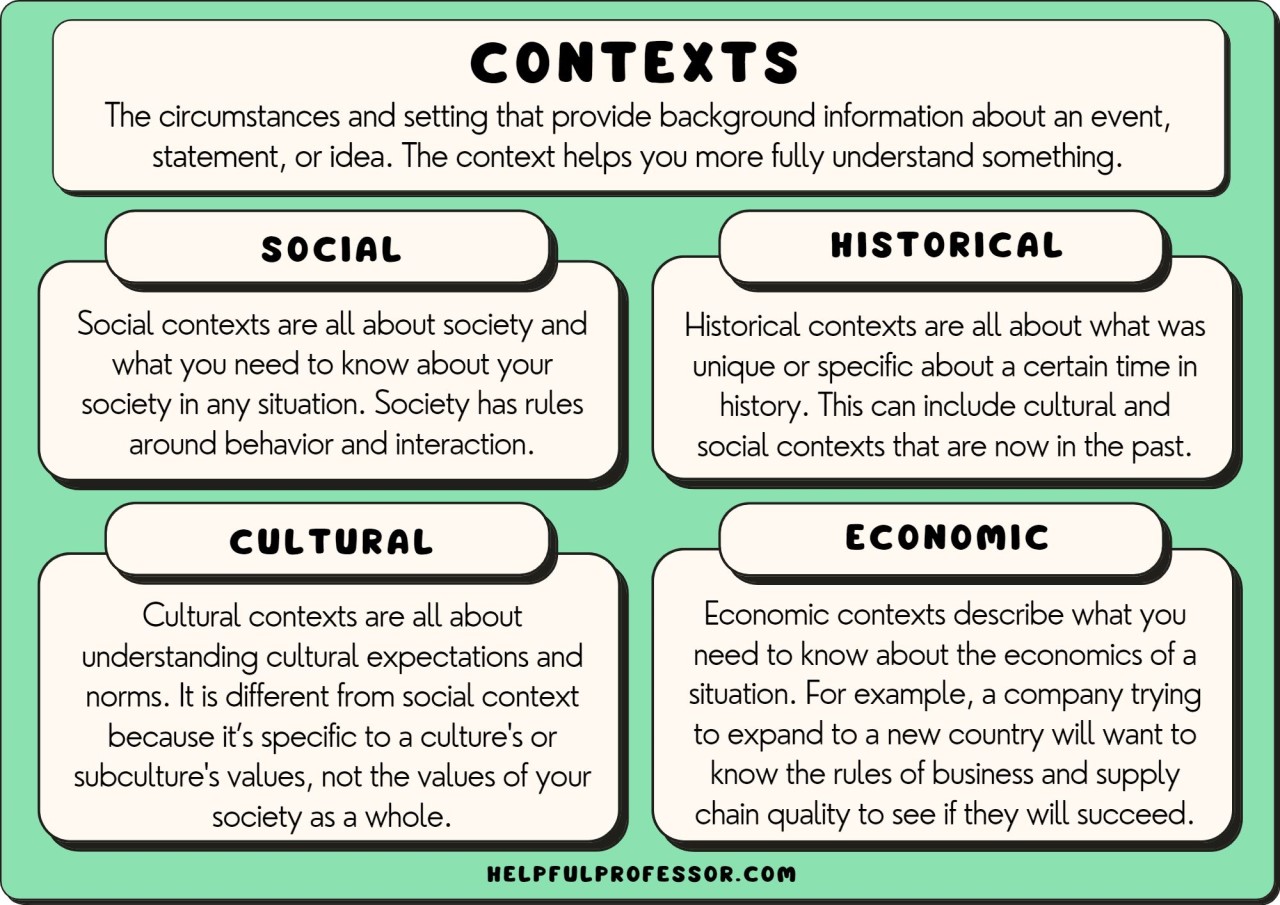
Social media is a collection of internet-based applications that facilitate the creation, sharing, and exchange of user-generated content within virtual communities. In a broader context, it represents a fundamental shift in human communication, moving from one-way broadcasting to a multi-directional, algorithmically mediated exchange of information, influence, and social capital.
The Multi-Dimensional Definition of Social Media
To understand social media in context, one must move beyond the narrow view of "apps on a smartphone." At its core, social media is a socio-technical system. The "social" aspect refers to the human instinct for connection, storytelling, and tribalism, while the "media" aspect refers to the technological tools used to facilitate these interactions. By 2026, this definition has expanded to include not just text, images, and video, but also immersive environments and AI-driven synthetic media.
In a functional context, social media serves as the "Digital Town Square." Unlike traditional media (newspapers, television), where a central authority decides what information is disseminated, social media decentralizes the power of publication. Every user is both a consumer and a creator. This democratization has profound implications for how news is reported, how brands are built, and how political movements are organized.
However, the context of social media is also defined by its business model. Most platforms operate on the "Attention Economy." Because these services are often free to the user, the user is not the customer; rather, the user's attention and data are the products sold to advertisers. This economic context explains many of the design choices made by platforms, such as infinite scroll, push notifications, and recommendation algorithms designed to maximize "dwell time."
The Historical Evolution: From Web 1.0 to the 2026 AI-Social Web
Understanding the current state of social media requires looking at the trajectory of the internet. In the Web 1.0 era (the 1990s), the internet was largely "read-only." Users visited static websites to consume information. There was very little interaction.
The transition to Web 2.0 in the mid-2000s marked the birth of social media. Platforms like SixDegrees (often cited as the first social network), followed by Friendster, MySpace, and eventually Facebook, shifted the internet to a "read-write" medium. For the first time, ordinary users could upload content, comment on others' posts, and build digital profiles that reflected their real-world identities.
By the early 2020s, the landscape shifted again toward short-form video and algorithmic discovery, pioneered by platforms like TikTok. This era moved away from the "Social Graph" (seeing content from people you know) toward the "Interest Graph" (seeing content the algorithm thinks you will like, regardless of who created it).
In 2026, we find ourselves in what many call the "Intelligent Social Web." Social media is no longer just a place to see what friends are doing; it is a pervasive layer of AI-curated reality. Generative AI now assists in creating half of the content we consume, from automated captions to deep-fake avatars and personalized news summaries. The context has shifted from "connecting people" to "personalizing the human experience through data."
The Economic Context: The Creator Economy and Data as Currency
The economic context of social media is perhaps its most influential driver. The "Creator Economy" has matured into a multi-billion dollar industry in 2026. What began as a hobby for "vloggers" has become a sophisticated ecosystem of micro-entrepreneurs, talent managers, and platform-specific monetization tools.
Platforms provide the infrastructure, but creators provide the value. This has led to a shift in power dynamics. High-value creators now have the leverage to move their audiences across platforms, leading to the rise of "platform-agnostic" following. This economic reality forces social media companies to constantly innovate their revenue-sharing models to prevent "creator churn."
Furthermore, the context of social media is inextricably linked to data privacy. Every "like," "share," and "hover" provides a data point that builds a behavioral profile. These profiles allow for hyper-targeted advertising, which is the primary revenue source for giants like Meta and ByteDance. According to reports from the Electronic Frontier Foundation, the tension between personalized user experiences and individual privacy rights remains the central conflict of the 2026 digital economy.
The Psychological and Social Context: Impact on Identity and Mental Health
From a psychological perspective, social media operates as a "dopamine loop." Features such as likes, comments, and the "variable reward" of a news feed trigger the brain’s reward system. This context is vital for understanding why social media can be addictive and how it influences self-esteem.
The "Social Comparison" theory is highly relevant here. Users frequently compare their "behind-the-scenes" lives with the "highlight reels" of others. In 2026, the rise of AI-enhanced filters and synthetic influencers has further blurred the line between reality and curated perfection. Research from organizations like the American Psychological Association highlights that while social media can provide essential community support for marginalized groups, it can also exacerbate feelings of loneliness and body dysmorphia if not used mindfully.
Socially, the context of social media has changed the concept of "community." We are no longer limited by geography. "Niche-sharing" allows individuals with highly specific interests—from vintage watch restoration to obscure coding languages—to find their tribe globally. However, this same mechanism creates "Filter Bubbles" or "Echo Chambers," where users are only exposed to information that reinforces their existing beliefs, contributing to social polarization.
Technological Context: Algorithms, Moderation, and AI
The "engine" of social media is the algorithm. An algorithm is a set of rules that determines which content is shown to which user. In the early days, feeds were chronological. Today, they are predictive.
In 2026, algorithms use multimodal AI to "understand" the content of videos and images in real-time, matching them with user preferences with uncanny accuracy. This technological context has several implications:
- Content Discovery: Small creators can go viral instantly if their content resonates with a specific algorithmic trigger.
- Moderation: With billions of posts daily, human moderation is impossible. Platforms rely on AI to flag hate speech, misinformation, and illegal content. However, AI often struggles with nuance, satire, and cultural context.
- Shadowbanning: This is the practice of reducing a user's reach without notifying them. It remains a controversial aspect of algorithmic governance.
The following table contextualizes the primary types of social media platforms as they exist in 2026:
| Platform Type | Primary Function | Context/Use Case | Example Entities |
|---|---|---|---|
| Relationship Networks | Connecting with friends/family | Maintaining personal social ties | Facebook, WhatsApp |
| Media Sharing | Content distribution (Video/Image) | Entertainment and brand building | Instagram, TikTok, YouTube |
| Professional Networks | Career and B2B growth | Networking and industry thought leadership | |
| Discussion Forums | Community and information | Deep-dive topics and troubleshooting | Reddit, Quora |
| Decentralized/Web3 | User ownership and privacy | Resistant to central censorship | Mastodon, Bluesky |
| Micro-Blogging | Real-time news and opinion | Public discourse and breaking events | X (formerly Twitter), Threads |
The Regulatory and Ethical Context
As social media has become "too big to fail," governments have stepped in to provide a regulatory context. By 2026, frameworks like the European Union's Digital Services Act (DSA) and the Digital Markets Act (DMA) have set a global standard for platform accountability. These laws require platforms to be transparent about their algorithms and to provide users with more control over their data.
The ethical context of social media involves the balance between Free Speech and Safety. In the United States, the interpretation of Section 230 of the Communications Decency Act remains a pivotal legal touchstone. It generally protects platforms from being held liable for the content posted by their users, though this protection is increasingly under fire regarding the spread of AI-generated misinformation.
Ethical considerations also extend to "Dark Patterns"—design choices intended to trick users into doing things they didn't intend to, such as signing up for subscriptions or sharing more data than necessary. In 2026, ethical design is becoming a competitive advantage for newer, privacy-focused platforms.
Practical Guidance: Managing Your Social Media Context
Navigating social media effectively in 2026 requires a proactive approach. Whether you are an individual user or a business, understanding the context allows you to use these tools rather than being used by them.
For Individuals: Digital Literacy and Wellness
- Curate Your Feed: Periodically audit who you follow. If an account consistently makes you feel negative or spreads unverified information, unfollow or mute it.
- Set Boundaries: Use built-in "Digital Wellbeing" tools to limit screen time. The context of "always-on" connectivity can lead to burnout.
- Verify Before Sharing: In an age of deepfakes and AI-generated news, use lateral reading techniques to verify sensational claims before amplifying them.
For Businesses: Authenticity and Engagement
- Contextual Marketing: Don't just broadcast advertisements. Provide value through education or entertainment that fits the specific culture of each platform.
- Community Management: Social media is a two-way street. Success in 2026 is measured by the depth of engagement and community trust, not just raw follower counts.
- AI Integration: Use AI tools to scale content production, but ensure a "human-in-the-loop" to maintain brand voice and ethical standards.
Frequently Asked Questions
What is the "Context" of social media?
The context of social media refers to the surrounding circumstances—historical, economic, psychological, and technological—that influence how these platforms operate and how they impact society. It is the difference between seeing a platform as just a "tool" versus seeing it as a complex ecosystem that shapes human behavior and global commerce.
Why are algorithms so controversial in the context of social media?
Algorithms are controversial because they act as "gatekeepers" of information. While they help users find content they enjoy, they can also create echo chambers, prioritize sensationalist content over factual accuracy, and operate with a "black box" lack of transparency that makes them difficult for regulators or users to fully understand.
How has the context of social media changed by 2026?
By 2026, the context has shifted toward AI-centricity and decentralization. Platforms are no longer just repositories of human-made content; they are AI-curated environments where synthetic media is common. Additionally, there is a growing movement toward decentralized platforms where users have more ownership over their data and identity.
Is social media still "free" in 2026?
While most platforms remain free to use in terms of monetary cost, the "price" is your data and attention. However, in 2026, we see a rise in "Freemium" models and subscription-based tiers (like "Meta Verified" or "X Premium") that offer an ad-free experience, enhanced security, or specialized features in exchange for a monthly fee.
What is the role of Section 230 in social media?
Section 230 is a piece of U.S. legislation that provides a "safe harbor" for internet platforms. It means they are generally not legally responsible for the things their users post. This allows for the open, unmoderated nature of much of the internet but also creates challenges in holding platforms accountable for the spread of harmful or illegal content.
Moving Forward: Next Steps for Digital Citizens
To thrive in the 2026 social media landscape, one must move from being a passive consumer to an intentional participant. The most important next action is to develop Digital Fluency. This involves understanding not just how to use the apps, but how the underlying systems work.
If you are a parent, educator, or business leader, focus on fostering "Critical Thinking" regarding digital content. As AI continues to evolve, the ability to discern context, intent, and accuracy will be the most valuable skill in the digital age. Regularly consult authoritative sources such as the Pew Research Center for updated data on social trends and the World Wide Web Consortium (W3C) for insights into evolving web standards. By understanding the context, you can harness the power of social media to build community and spread knowledge while mitigating the risks of the attention-driven digital world.