An incident response example for schools provides a structured framework to identify, contain, and recover from cybersecurity threats like ransomware or data breaches. It outlines specific roles for administrators and IT staff, establishes communication protocols for parents, and ensures compliance with privacy laws such as FERPA to protect sensitive student and staff information.
The educational sector remains a primary target for cybercriminals in 2026 due to the vast amount of personally identifiable information (PII) stored on school servers and the relatively high pressure to keep operations running. A school district without a tested incident response plan (IRP) faces significant financial loss, legal liability, and long-term reputational damage. This guide examines a detailed example of an incident response process tailored specifically for the K-12 and higher education environment.
The Foundation of School Incident Response
Incident response in a school setting differs from a corporate environment because the stakeholders include minors, and the "product" is student learning. In 2026, school networks are more complex than ever, integrating Internet of Things (IoT) devices for campus security, cloud-based learning management systems (LMS), and 1-to-1 device programs for students.
An effective incident response example for schools follows the established NIST Computer Security Incident Handling Guide (SP 800-61) framework but adapts the communication and recovery phases to meet the unique needs of educational communities.
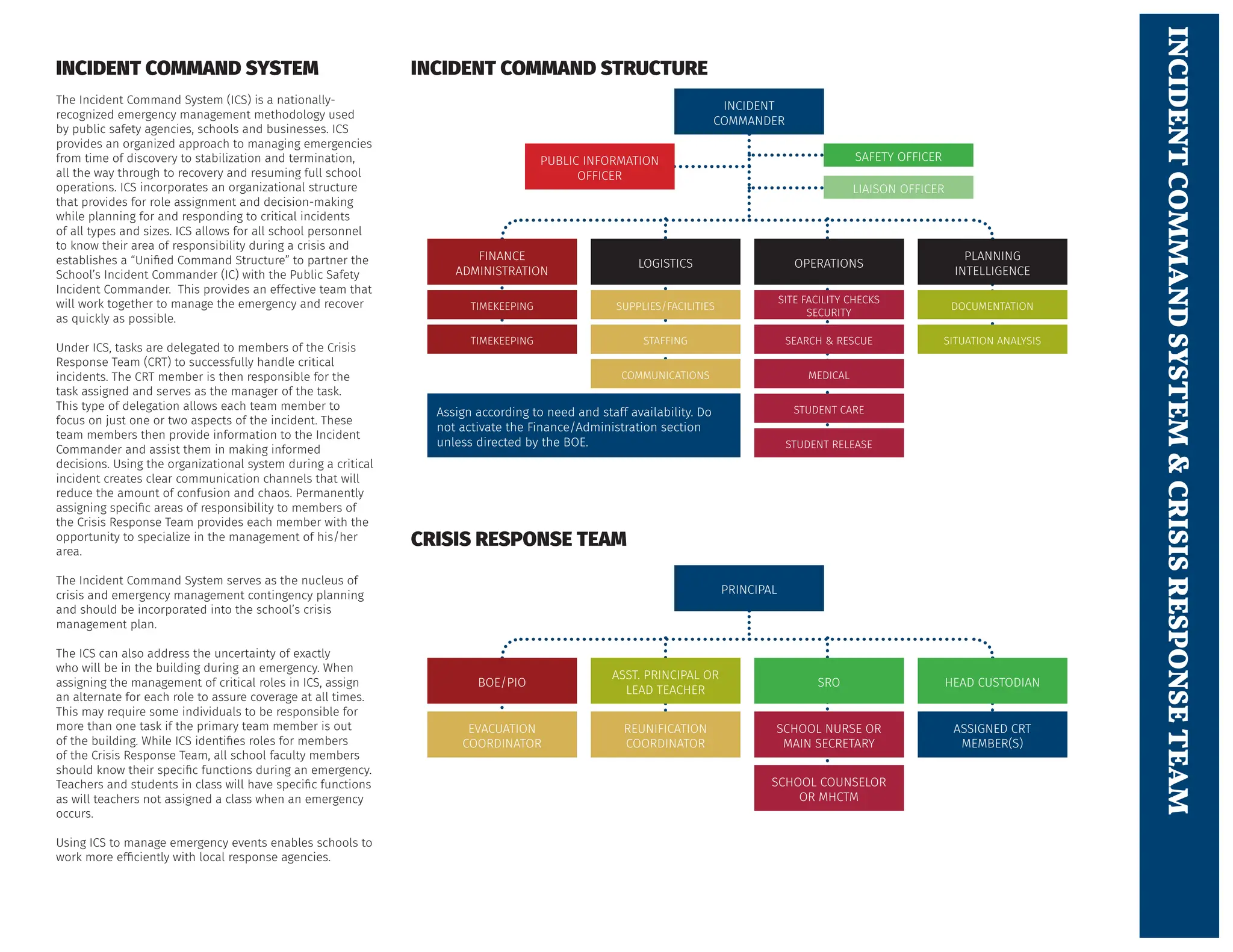
The School Incident Response Team (SIRT)
Before an incident occurs, a school must identify its SIRT. This team is not just composed of IT personnel; it requires a cross-functional approach to handle the legal, social, and operational fallout of a cyber attack.
- Incident Commander (usually the IT Director): Leads the technical response and coordinates with school leadership.
- Executive Lead (Superintendent or Principal): Makes high-level decisions regarding school closures and financial expenditures.
- Communications Officer: Manages the messaging to parents, students, and the media.
- Legal Counsel: Ensures the school meets state and federal reporting requirements regarding data breaches.
- External Partners: This includes cybersecurity insurance providers, local law enforcement (or the FBI/CISA), and third-party forensic investigators.
Phase 1: Preparation and Prevention
Preparation is the most critical phase. In 2026, schools prioritize immutable backups—backups that cannot be altered or deleted even if a hacker gains administrative access. This ensures that if a school is hit by ransomware, they can restore their systems without paying a ransom.
Schools also conduct annual "Tabletop Exercises." These are simulated scenarios where the SIRT gathers in a room to walk through their response to a hypothetical threat, such as a compromised student database. This practice reveals gaps in the plan, such as outdated contact lists or a lack of clarity on who has the authority to shut down the district's internet connection.
Phase 2: Detection and Analysis
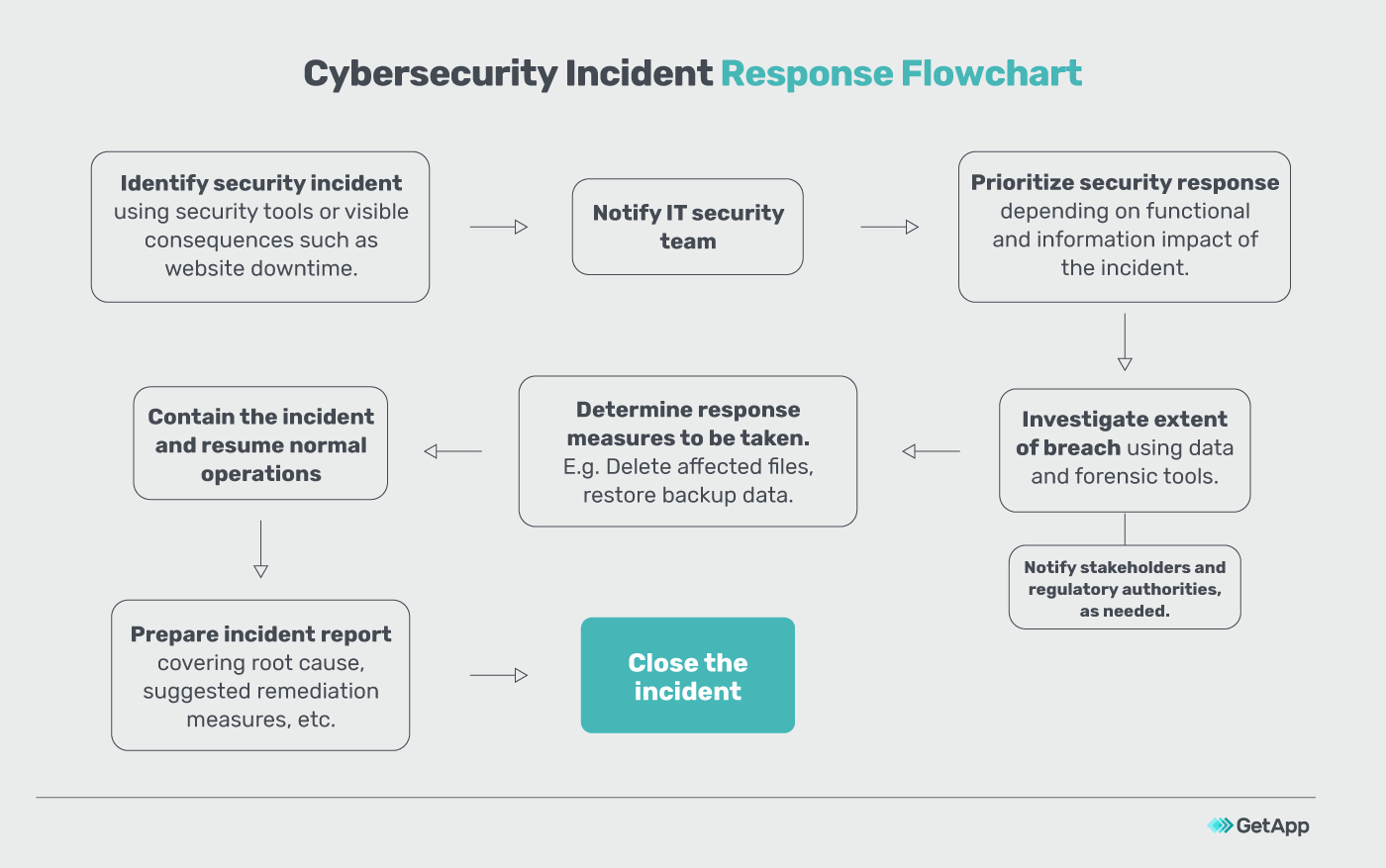
In this phase, the school identifies that something is wrong. An incident response example for schools might begin when an automated alert is triggered by an Endpoint Detection and Response (EDR) system, or when a teacher reports they cannot access their grading portal.
Analyzing the Scope
The SIRT must quickly determine the "Patient Zero" (the source of the infection) and the scope of the impact.
- Technical Identification: Is the issue localized to one school building or the entire district?
- Data Sensitivity: Does the affected system contain student health records, Social Security numbers, or financial data?
- Persistence: Is the attacker still active in the network, or was this a "smash and grab" data exfiltration?
In 2026, schools often use AI-driven security operations centers (SOCs) that provide real-time analysis, helping IT teams distinguish between a minor malware infection on a student laptop and a sophisticated network-wide intrusion.
Phase 3: Containment, Eradication, and Recovery
Once an incident is confirmed, the SIRT must move to contain the damage. This is often the most stressful period for school administrators, as it may involve taking critical systems offline during a school day.
Short-Term Containment
The immediate goal is to stop the "bleeding." This might involve:
- Isolating affected VLANs (Virtual Local Area Networks) to prevent the spread of malware.
- Disabling compromised user accounts, particularly administrative accounts.
- Shutting down external-facing servers that are under active attack.
Eradication
After containment, the IT team must remove every trace of the threat. This involves scanning all devices for "backdoors" the attacker might have left behind. In a school setting, this can be a massive undertaking if the district manages thousands of student Chromebooks or iPads. Eradication often requires a complete wipe and re-imaging of affected servers to ensure no dormant malware remains.
Recovery
Recovery is the process of returning to normal operations. The school prioritizes systems based on their importance to student safety and learning.
- Safety Systems: Fire alarms, security cameras, and VoIP phone systems.
- Administrative Systems: Payroll, attendance, and student record databases.
- Instructional Systems: Learning Management Systems (Canvas, Google Classroom) and student Wi-Fi.
Case Study Example: A Ransomware Attack on "Central District"
To illustrate these steps, consider this hypothetical 2026 scenario for a mid-sized school district.
| Phase | Action Taken | Stakeholders Involved |
|---|---|---|
| Detection | EDR identifies unusual encryption activity on the district’s main file server at 2:00 AM on a Tuesday. | IT Director, SOC Provider |
| Analysis | The team confirms that the payroll system and student health records have been accessed. | SIRT, Forensic Experts |
| Containment | The IT Director shuts down the district's external internet gateway and isolates the data center. | IT Team |
| Notification | A pre-scripted "System Outage" email is sent to staff. No mention of ransomware is made until the scope is fully understood. | Communications Officer |
| Eradication | The forensic team identifies a phishing email sent to a cafeteria manager as the entry point. Malware is purged. | SIRT, External Counsel |
| Recovery | Systems are restored from immutable cloud backups. Operations return to 80% by Thursday morning. | IT Team, Staff |
Legal and Regulatory Obligations
Schools in 2026 face a complex web of legal requirements. If student data is compromised, the school must navigate several regulatory frameworks:
- FERPA (Family Educational Rights and Privacy Act): Protects the privacy of student education records. A breach may require notifying the Department of Education.
- State Breach Notification Laws: Most states now require schools to notify affected individuals within a specific timeframe (often 30 to 72 hours) if PII is leaked.
- Cyber Insurance Requirements: To receive a payout, schools must prove they followed their documented incident response plan and maintained "reasonable" security standards, such as Multi-Factor Authentication (MFA).
Phase 4: Post-Incident Activity (Lessons Learned)
The final phase is often overlooked but is the most important for long-term resilience. Within two weeks of the incident, the SIRT should hold a "Lessons Learned" meeting.
Key questions to address include:
- How did the attacker get in, and what specific control failed?
- Was the communication to parents clear, or did it cause unnecessary panic?
- Did the SIRT have the resources they needed, or were they hampered by a lack of budget or personnel?
- How can the school improve its "Human Firewall" through better staff and student training?
The findings from this meeting should lead to a formal update of the Incident Response Plan. According to CISA (Cybersecurity & Infrastructure Security Agency), continuous improvement is the only way to stay ahead of evolving threats in the education sector.
Managing the Human Element: Communication Strategies
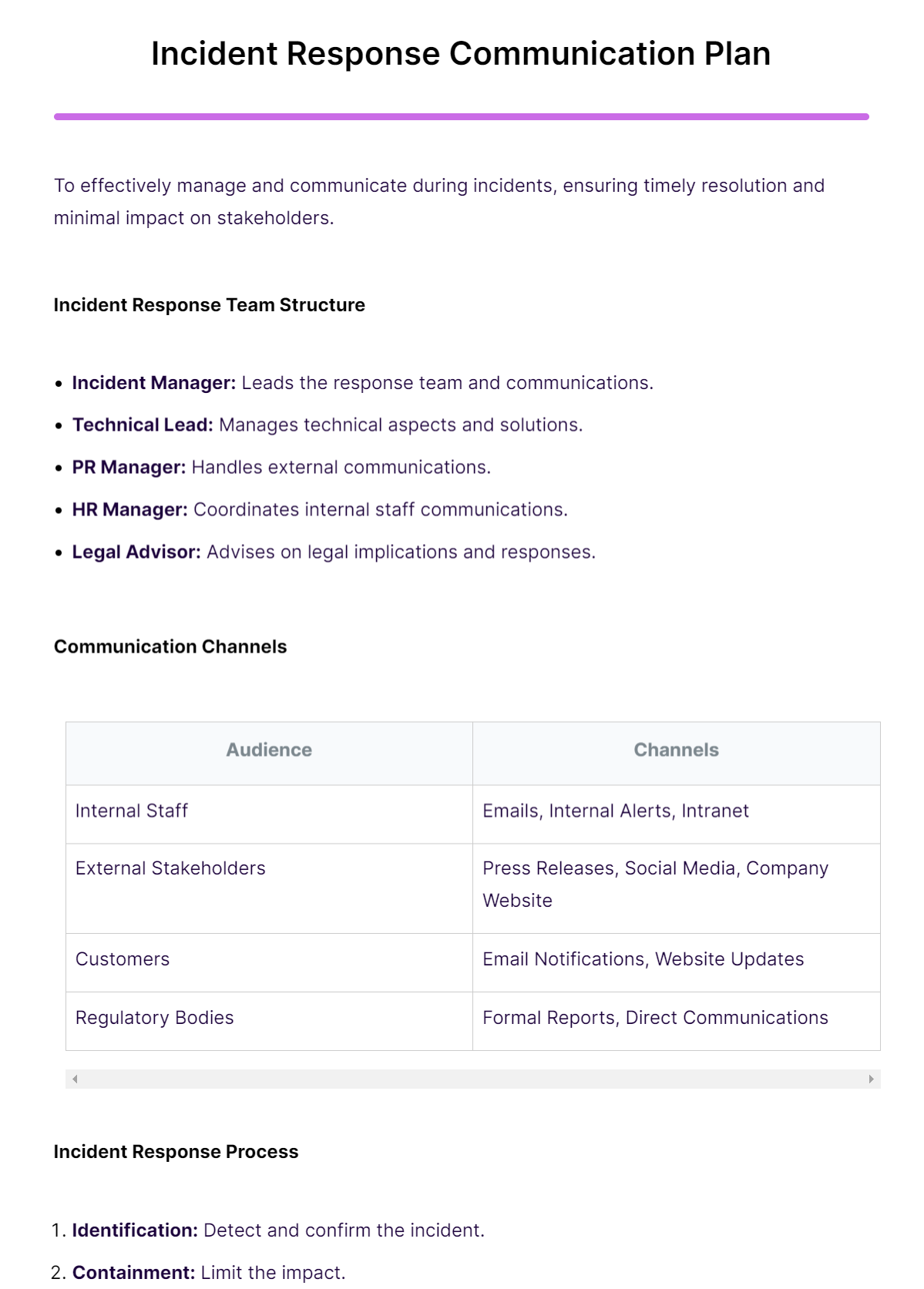
In a school incident, the technical recovery is only half the battle. Managing the concerns of parents and the local community is equally vital. An incident response example for schools must include a communication matrix.
- Internal Communication: Keep teachers and staff informed via alternative channels (e.g., a dedicated SMS alert system) so they know how to handle students in the classroom when technology is down.
- Parental Notification: Be transparent but cautious. Avoid technical jargon. Instead of saying "Our SQL server was hit by an SQL injection," say "We are investigating a technical issue affecting our student records and are working with experts to ensure data safety."
- Media Relations: Designate a single spokesperson. Inconsistent messaging can lead to rumors that damage the school’s reputation and trust with the community.
Common Pitfalls in School Incident Response
Even with a plan in place, schools often stumble during execution. Recognizing these common mistakes can help a district refine its approach:
- Waiting too long to engage experts: Many school IT directors try to "fix it" themselves for 48 hours before calling their insurance provider or a forensic firm. This often results in the destruction of digital evidence.
- Poor Password Hygiene: If the administrative account for the entire district uses a weak password without MFA, the most expensive security software in the world cannot stop an intruder.
- Inadequate Backups: Relying on backups that are connected to the main network is a recipe for disaster. If the network is encrypted, the backups will be encrypted too.
- Ignoring IoT Devices: Security cameras and smart thermostats are often the weakest links in school networks. They must be included in the incident response monitoring scope.
Recommended Next Actions for School Administrators
If your school or district does not have a current, tested incident response plan, the following steps are recommended:
- Conduct a Risk Assessment: Identify where your most sensitive student data lives.
- Draft a Formal IRP: Use templates from NIST or the MS-ISAC (Multi-State Information Sharing and Analysis Center) tailored for local governments and schools.
- Implement MFA District-Wide: This remains the single most effective way to prevent unauthorized access in 2026.
- Schedule a Tabletop Exercise: Gather your SIRT once a year to run through a simulated breach scenario.
- Review Insurance Coverage: Ensure your policy covers ransomware negotiation, data recovery, and legal fees.
Frequently Asked Questions
What is the first thing a school should do when they suspect a data breach?
The first step is to activate the Incident Response Team and begin containment. This usually involves isolating the suspected device or network segment to prevent the threat from spreading to other parts of the school's infrastructure.
Does FERPA require schools to report every cybersecurity incident?
No, FERPA specifically relates to the unauthorized release of "personally identifiable information" from education records. If an incident does not involve student records—such as a website defacement that doesn't touch the database—it may not trigger a FERPA notification requirement, though state laws may still apply.
How long does it typically take for a school to recover from ransomware?
In 2026, the average recovery time for a school district is 10 to 14 days. While basic operations might resume sooner, full forensic cleaning and data restoration often take weeks of intensive work by both internal IT staff and external consultants.
Should a school ever pay a ransom to cybercriminals?
Most federal agencies, including the FBI, strongly discourage paying ransoms. Paying does not guarantee data recovery and often marks the school as a "willing payer," leading to future attacks. Having robust, immutable backups is the best defense against the pressure to pay.
How often should an incident response plan for schools be updated?
An IRP should be a living document. It should be reviewed and updated at least annually, or whenever there is a significant change in the school's technology stack, such as moving to a new student information system or changing cloud providers.
Who is responsible for notifying parents after an incident?
The designated Communications Officer, in coordination with the Superintendent and Legal Counsel, is responsible for parental notification. It is essential that this communication is centralized to ensure accuracy and compliance with state notification timelines.