An infrared (IR) sensor is an electronic device designed to detect or emit infrared radiation to monitor its surroundings. By sensing the heat emitted by objects or reflecting infrared light off surfaces, these sensors can measure temperature, detect motion, and identify proximity. IR sensors are foundational components in modern security systems, industrial automation, healthcare diagnostics, and consumer electronics.
The technology relies on the electromagnetic spectrum, specifically the infrared region, which sits between visible light and microwaves. Because every object with a temperature above absolute zero emits thermal radiation, IR sensors provide a non-intrusive way to "see" in the dark, measure heat from a distance, and automate environments based on human presence.
The Science of Infrared Radiation
To understand how an infrared sensor functions, one must first understand the nature of the infrared spectrum. In the electromagnetic spectrum, infrared radiation spans wavelengths from approximately 0.75 micrometers (µm) to 1,000 µm. This range is generally invisible to the human eye but can be felt as heat.
The infrared spectrum is typically divided into three primary regions based on their proximity to visible light and their specific applications:
- Near-Infrared (NIR): Ranging from 0.75 to 3 µm. This region is closest to visible light and is commonly used in fiber optic communications and remote control devices.
- Mid-Infrared (MIR): Ranging from 3 to 6 µm. This region is vital for heat sensing and is used by guided missiles and atmospheric studies to detect heat signatures.
- Far-Infrared (FIR): Ranging from 6 to 1,000 µm. This region is synonymous with thermal imaging and is used in medical devices and industrial thermal monitoring.
The core principle behind IR sensing is Planck’s Law and Wien’s Displacement Law, which describe how objects emit radiation based on their temperature. As an object gets hotter, it emits more radiation, and the peak wavelength of that radiation shifts. IR sensors are tuned to detect these specific shifts or the presence of these wavelengths to provide data to a processor.
Primary Categories of IR Sensors
Infrared sensors are broadly classified into two categories based on how they interact with radiation: Active and Passive.
Active Infrared Sensors
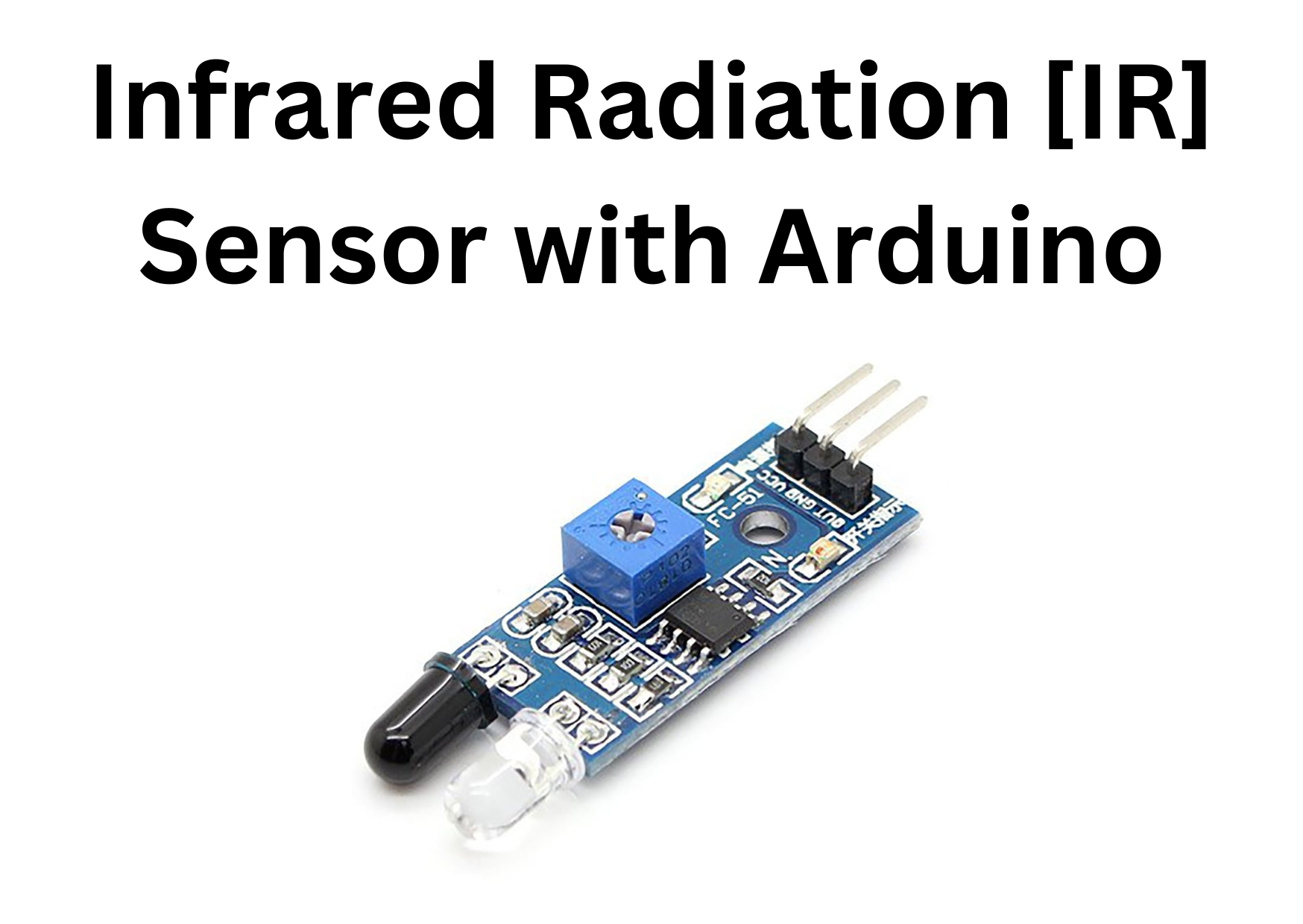
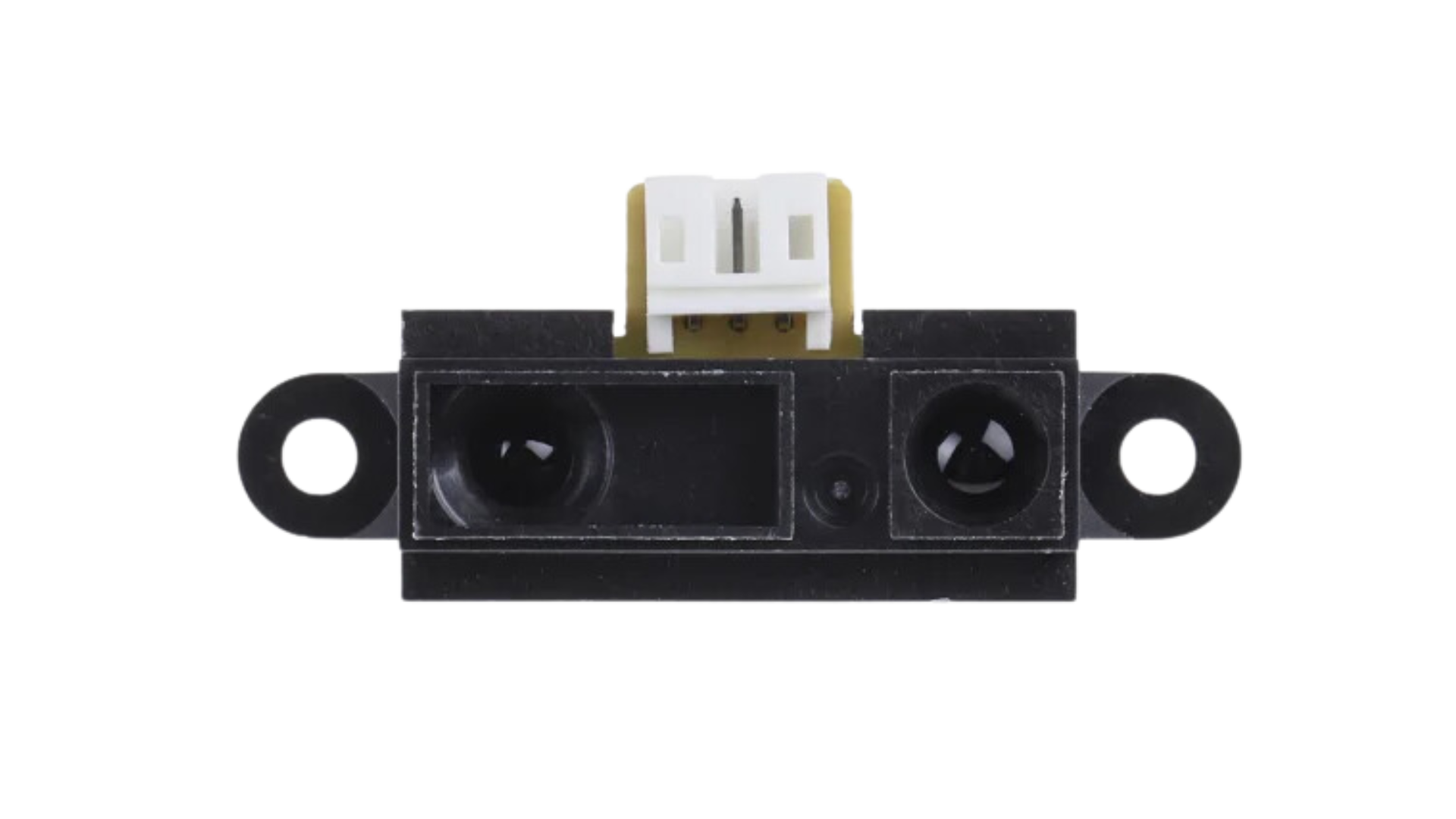
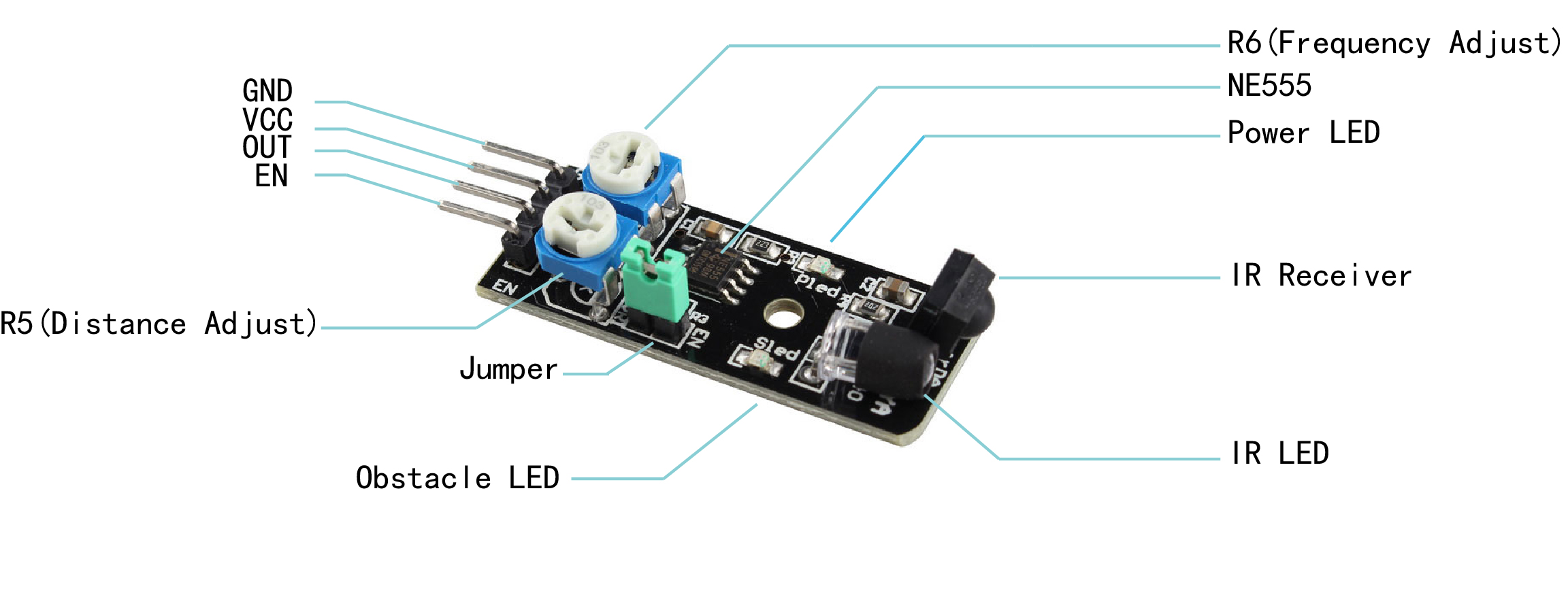
An active IR sensor consists of two parts: a light source (usually an Infrared Light Emitting Diode or IR LED) and a receiver (a photodiode or phototransistor). The LED emits infrared light into the environment. When an object comes within range, the light reflects off the object and returns to the receiver.
The sensor calculates the intensity of the reflected light or the time it took to return to determine proximity or presence. These are common in "break-beam" security systems or proximity sensors in smartphones that turn off the screen when the phone is held to the ear.
Passive Infrared (PIR) Sensors
Unlike active sensors, Passive Infrared (PIR) sensors do not emit any radiation themselves. Instead, they "listen" for infrared energy emitted by other objects. A PIR sensor is typically made of pyroelectric materials—crystalline substances that generate an electric charge when exposed to infrared radiation.
When a warm body (like a human or animal) moves across the field of view of a PIR sensor, it creates a "hot" spot on the sensor's surface. The sensor detects this change in the thermal profile and triggers an output. PIR sensors are the industry standard for motion-activated lighting and residential security alarms because they are energy-efficient and highly effective at detecting biological heat signatures.
Key Technical Components
A high-performance IR sensor system involves several layers of hardware to ensure accuracy and reduce "noise" from the environment.
- The IR Source: In active systems, this is typically a Gallium Arsenide (GaAs) LED. By 2026, many of these sources have been miniaturized to fit into sub-millimeter packages.
- Transmission Medium: This is the air or a specialized vacuum through which the IR waves travel. The efficiency of a sensor can be hampered by humidity, smoke, or dust, which scatter IR waves.
- Optical System: Lenses (often made of polyethylene or germanium) focus the incoming IR radiation onto the detector. Fresnel lenses are commonly used in PIR sensors to widen the field of view.
- Infrared Detector: This is the heart of the device. Detectors can be Thermal (responding to heat changes) or Quantum (responding to photon interactions). Quantum detectors are faster and more sensitive but often require cooling to function accurately.
- Signal Processor: Since the output from the detector is usually a very weak analog voltage, an operational amplifier (Op-Amp) boosts the signal. A comparator or an Analog-to-Digital Converter (ADC) then translates this into a signal that a microcontroller can understand.
Widespread Uses and Applications
The versatility of IR sensors allows them to be deployed across virtually every sector of modern technology.
1. Security and Surveillance
The most recognizable use of IR sensors is in motion detection. PIR sensors are used to trigger sirens or floodlights. However, advanced IR sensors are also used in Thermal Imaging Cameras. These cameras create a visual representation of an area based on heat rather than visible light, allowing security personnel to track intruders in total darkness or through thick smoke.
2. Healthcare and Medical Diagnostics
Infrared technology is critical for non-invasive medical procedures.
- Non-contact Thermometers: Use IR sensors to measure the thermal radiation from the forehead or ear, providing an instant temperature reading without physical contact.
- Pulse Oximetry: Uses NIR sensors to measure blood oxygen levels by analyzing how much light is absorbed by hemoglobin in the blood.
- Imaging: IR thermography is used to identify areas of inflammation or poor circulation by mapping heat variations across the skin.
3. Industrial and Manufacturing
In industrial settings, IR sensors are used for Non-Destructive Testing (NDT).
- Gas Leak Detection: Many gases, such as methane and carbon dioxide, absorb specific wavelengths of infrared light. By shining an IR beam through a pipe and measuring the absorption, sensors can detect leaks that are invisible to the eye.
- Pyrometry: IR sensors act as high-temperature thermometers for molten metals or glass, where a physical probe would melt.
- Quality Control: On assembly lines, IR sensors verify the presence of components or the seal integrity of packaging by detecting heat signatures or reflections.
4. Consumer Electronics
The smartphone in your pocket likely contains multiple IR sensors.
- Proximity Sensing: To prevent "face-dialing," an active IR sensor detects when your cheek is near the screen.
- Biometrics: Advanced facial recognition (like Face ID) uses a dot projector to cast thousands of invisible IR dots onto a face, which an IR camera then reads to create a 3D map.
- Remote Controls: Almost all television remotes use an IR LED to send binary-coded pulses to the TV receiver.
5. Automotive Technology
Modern vehicles utilize IR sensors for both safety and convenience.
- Night Vision Assistants: Some luxury vehicles use FIR cameras to display pedestrians or animals on the dashboard before they are visible in the headlights.
- Cabin Monitoring: IR sensors monitor the driver’s eye movements to detect fatigue or distraction.
- Rain Sensing Wipers: An IR sensor mounted on the windshield detects moisture by measuring changes in light reflection across the glass surface.
Comparative Analysis: PIR vs. Active IR Sensors
When designing a system, choosing the right type of sensor is critical. The following table compares the two most common types used in 2026 applications.
| Feature | Passive Infrared (PIR) | Active Infrared (AIR) |
|---|---|---|
| Detection Method | Detects emitted body heat | Detects reflected IR light |
| Power Consumption | Very Low | Moderate |
| Ideal Environment | Indoor/Controlled outdoor | Short-range proximity/Industrial |
| Common Use | Security motion sensors | Proximity, line-break alarms |
| Cost | Low to Moderate | Moderate to High |
| Interference Risk | High (Heat sources/sunlight) | Low (Specific to wavelength) |
| Range | Up to 10–12 meters | Varies (Centimeters to 100+ meters) |
Technical Limitations and Challenges
Despite their utility, IR sensors are not infallible. The primary challenge is environmental interference. Since infrared is essentially heat, any significant heat source can cause a "false positive" in a PIR sensor. This includes sudden bursts of sunlight, heating vents, or even large pets.
Another limitation is line-of-sight. Unlike radio frequency (RF) sensors, infrared cannot pass through walls or solid obstacles. If the path between the emitter and detector is blocked by dust, steam, or physical barriers, the sensor will fail to operate. Furthermore, active IR sensors can struggle with "dark" surfaces that absorb infrared light rather than reflecting it, leading to missed detections in proximity applications.
Emerging Trends in 2026
As we move through 2026, the integration of Edge AI with IR sensors has significantly reduced false alarm rates. Instead of simply triggering a signal when heat is detected, modern sensors use localized machine learning to distinguish between the heat signature of a human and that of a household pet or a shifting shadow.
Additionally, the development of Quantum Dot Infrared Photodetectors (QDIPs) has allowed for much higher sensitivity at room temperature. Previously, high-sensitivity IR sensing required bulky cooling systems; now, these sensors are small enough to be integrated into wearable devices for continuous health monitoring and "smart fabrics" that adjust insulation based on the wearer's body heat.
Frequently Asked Questions
Can an infrared sensor see through walls?
No, standard infrared sensors cannot see through walls. Infrared radiation is absorbed or reflected by most solid materials, including wood, concrete, and metal. However, very sensitive thermal cameras can sometimes detect heat transferred to a wall from a source on the other side, but they are not "looking through" the material in the traditional sense.
Do infrared sensors work in total darkness?
Yes, this is one of their primary advantages. Because PIR sensors detect heat (emitted radiation) and active IR sensors provide their own light source, they do not require any visible ambient light to function perfectly.
Is infrared radiation from sensors dangerous to humans?
The infrared radiation used in consumer electronics and sensors is entirely safe. It is non-ionizing radiation, meaning it does not have enough energy to damage DNA or cells. The IR LEDs used in remotes and proximity sensors are generally low-power and pose no risk to the eyes or skin.
Why do IR sensors sometimes fail in direct sunlight?
Sunlight is a massive source of infrared radiation. When a sensor is exposed to direct sunlight, the "noise" from the sun can overwhelm the sensor's "signal." This is known as saturation. Many modern sensors use optical filters to block out everything except a very narrow band of IR to mitigate this issue.
What is the difference between an IR sensor and LiDAR?
While both can use infrared light, LiDAR (Light Detection and Ranging) uses pulsed lasers to create complex 3D maps of an environment. A standard IR sensor is typically used for simpler tasks like detecting "Is something there?" or "How hot is this?", whereas LiDAR provides high-resolution spatial data.
Practical Recommendation
When selecting an infrared sensor for a project or business application, first define the target signature. If you need to detect human movement for a lighting system, a Passive Infrared (PIR) sensor is the most cost-effective and energy-efficient choice. However, if you are designing a product that requires precise distance measurement or object counting on a fast-moving conveyor belt, an Active IR sensor or a Time-of-Flight (ToF) IR sensor will provide the necessary accuracy. Always ensure the sensor is shielded from direct thermal interference and check the "Field of View" (FoV) specifications to ensure total coverage of your target area.