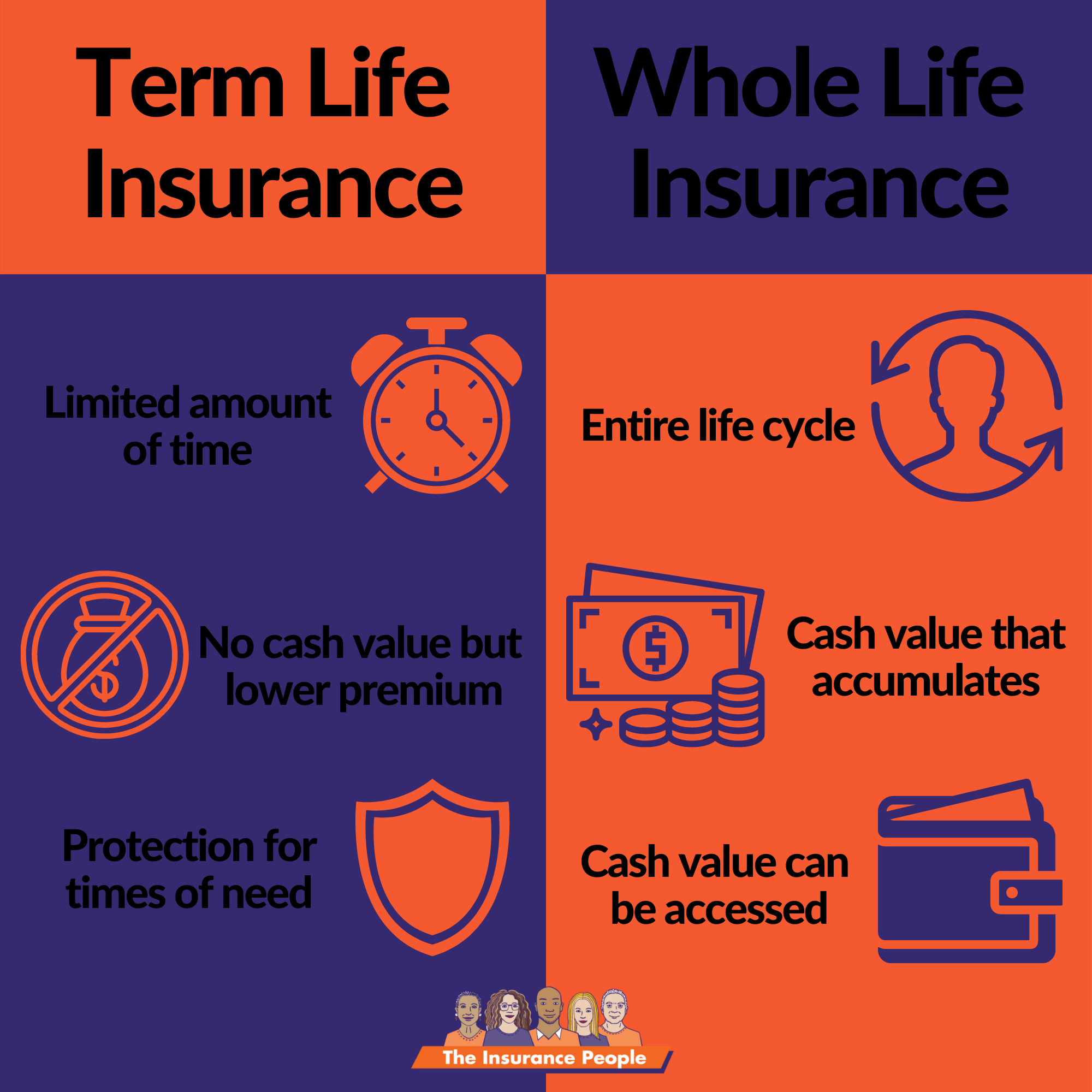
Permanent life insurance is a binding contract that provides a death benefit for the lifetime of the insured, provided premiums are paid according to the policy terms. Unlike term insurance, it includes a cash value component that grows over time on a tax-deferred basis, offering the policy owner a financial asset that can be accessed via loans or withdrawals during the insured's lifetime.
The relationship between "the insured" and a permanent life insurance policy is one of the most fundamental concepts in financial planning. While the term "the insured" refers specifically to the person whose life is the subject of the contract, the mechanics of how that individual (or the policy owner) interacts with the policy determines its long-term viability. By 2026, the landscape of permanent life insurance has evolved to offer more transparency and flexibility, yet the core legal and financial requirements remain stringent.
Defining the Roles: Policy Owner vs. Insured
In the context of life insurance, the "insured" is the person whose death triggers the payment of the death benefit. However, it is vital to distinguish the insured from the policy owner. While these are often the same person, they do not have to be.
The policy owner holds the "incidents of ownership," which include the right to change beneficiaries, take out policy loans, surrender the policy for cash, and assign the policy as collateral. When an insured "allows" a permanent life insurance policy to be taken out on their life by another party (such as a spouse or a business partner), they must provide written consent. This is a legal safeguard to ensure "insurable interest" exists—meaning the policy owner would suffer a genuine financial loss upon the insured's death.
In business settings, such as Key Person Insurance or Buy-Sell agreements, a company may own a permanent policy on an executive. The insured executive must be notified and agree to this arrangement, highlighting the collaborative nature of permanent coverage in complex financial structures.
The Structural Foundations of Permanent Coverage
Permanent life insurance is an umbrella term for several distinct product types. As of 2026, these products are generally categorized by how they handle the cash value accumulation and premium flexibility.
Whole Life Insurance
Whole life is the most traditional form of permanent coverage. It offers a guaranteed death benefit, guaranteed level premiums, and guaranteed cash value growth. Because the insurer assumes all the investment risk, premiums are typically higher than other forms of permanent insurance. Many whole life policies are "participating," meaning they may pay dividends to the policy owner based on the insurer's financial performance.
Universal Life (UL)
Universal life insurance provides more flexibility. The policy owner can adjust the premium payments and the death benefit amount within certain limits. The cash value in a standard UL policy earns interest based on current market rates. If interest rates are high, the cash value grows faster; if they drop, the policy owner may need to increase premium payments to keep the policy from lapsing.
Indexed Universal Life (IUL)
IUL policies link the cash value growth to a specific market index, such as the S&P 500, though the money is not actually invested in the stock market. These policies typically feature a "floor" (protecting against market losses) and a "cap" (limiting maximum gains). For an insured looking for growth potential with a safety net, IUL remains a popular choice in 2026.
Variable Universal Life (VUL)
VUL policies allow the policy owner to invest the cash value directly into sub-accounts that function like mutual funds. This offers the highest growth potential but carries significant market risk. If the underlying investments perform poorly, the cash value can decrease, potentially requiring higher premiums to maintain the death benefit.
Comparative Mechanics of Permanent Life Insurance
| Feature | Whole Life | Universal Life | Indexed Universal Life | Variable Universal Life |
|---|---|---|---|---|
| Premium Structure | Fixed/Guaranteed | Flexible | Flexible | Flexible |
| Cash Value Growth | Guaranteed Minimum | Current Interest Rates | Market Index Linked | Investment Performance |
| Risk Level | Low | Low to Moderate | Moderate | High |
| Death Benefit | Fixed | Adjustable | Adjustable | Adjustable |
| Suitability | Conservative Planning | Long-term Flexibility | Balanced Growth/Safety | Aggressive Investors |
The Role of Underwriting in Permanent Insurance
When an individual applies for permanent life insurance, the insurance company conducts an extensive evaluation known as underwriting. This process determines the risk of insuring that individual and sets the premium costs.
By 2026, underwriting has become increasingly data-driven. While traditional medical exams (blood work, physicals) are still common for high-coverage amounts, many insurers now utilize accelerated underwriting. This uses electronic health records, prescription histories, and motor vehicle reports to assess the insured's health in real-time.
The insured's age and health at the time of application are the primary drivers of cost. Because permanent insurance is intended to last for the duration of the insured's life, insurers must account for the long-term probability of mortality. This is why "locking in" a permanent policy at a younger age is a standard recommendation; the mortality charges (the internal cost of the insurance) are lower, allowing a larger portion of the premium to be directed toward the cash value.
Tax Advantages and the "Section 7702" Guidelines
One of the primary reasons an insured chooses permanent life insurance is its favorable tax treatment under the Internal Revenue Code.
- Tax-Deferred Growth: The interest or investment gains within the cash value component are not taxed as they accumulate.
- Tax-Free Death Benefit: In almost all cases, the proceeds paid to beneficiaries upon the death of the insured are free from federal income tax.
- Tax-Free Access to Cash: Through policy loans, the owner can access the cash value without triggering an immediate tax liability, provided the policy remains in force.
However, the policy must adhere to Section 7702 of the tax code, which defines what qualifies as "life insurance" versus an investment vehicle. If a policy is funded too aggressively (more money is put in than the law allows over a certain timeframe), it becomes a Modified Endowment Contract (MEC). Once a policy is classified as a MEC, withdrawals and loans are taxed on a "last-in, first-out" basis, and a 10% penalty may apply if the owner is under age 59½.
Accessing the Cash Value: Loans and Withdrawals
As the permanent policy matures, the cash value represents a liquid asset. The insured (or policy owner) can "allow" the policy to function as a source of emergency funds or supplemental retirement income.
Policy Loans: Unlike a bank loan, a policy loan does not require a credit check or an explanation of use. The insurer uses the cash value as collateral. While interest is charged on the loan, it often remains lower than commercial rates, and the unpaid balance is simply deducted from the death benefit if the insured passes away before repayment.
Partial Surrenders: The owner can withdraw a portion of the cash value. Generally, withdrawals are tax-free up to the "basis" (the total amount of premiums paid). Any amount withdrawn above the basis is considered taxable income.
Full Surrender: If the coverage is no longer needed, the owner can surrender the policy entirely for its net cash value. This is the total cash value minus any outstanding loans and "surrender charges"—fees applied by the insurer if the policy is cancelled within the first 10 to 15 years.
The Significance of Riders
To customize the policy to the insured's specific needs, companies offer "riders"—optional add-ons that provide additional benefits.
- Accelerated Death Benefit (ADB): This allows the insured to access a portion of the death benefit if they are diagnosed with a terminal or chronic illness. In 2026, this is often used to cover long-term care costs.
- Waiver of Premium: If the insured becomes totally disabled and unable to work, the insurance company "waives" the premiums, keeping the policy in force without further payment.
- Guaranteed Insurability Rider: This allows the insured to purchase additional coverage at specific intervals or life events (like marriage or the birth of a child) without undergoing a new medical exam.
- Long-Term Care (LTC) Rider: A more robust version of the ADB, this specifically allocates a portion of the death benefit to pay for professional care services, whether at home or in a facility.
Ongoing Maintenance and Policy Reviews
A common mistake is treating a permanent life insurance policy as a "set it and forget it" instrument. For the insured to truly benefit, the policy requires periodic reviews.
For Universal Life and Variable policies, the Internal Cost of Insurance (COI) increases as the insured ages. If the cash value is not performing well or if interest rates are lower than projected when the policy was issued, the policy may become "underfunded." Without intervention—such as increasing premium payments—the policy could eventually lapse, leaving the insured without coverage and potentially creating a significant tax bill on any outstanding loans.
Annual statements should be reviewed to check the current cash value against the original projections (the "illustration"). If the policy is a participating whole life policy, the owner should decide whether to take dividends in cash, use them to reduce premiums, or—most commonly—use them to purchase Paid-Up Additions (PUAs), which increase both the death benefit and the cash value over time.
Why an Insured Might Choose Permanent Over Term
While term insurance is significantly cheaper in the short term, permanent insurance serves specific strategic goals:
- Estate Liquidity: For individuals with high net worth, permanent life insurance provides the cash necessary to pay estate taxes, ensuring that heirs do not have to sell off assets like real estate or family businesses.
- Lifetime Protection: Some needs never go away, such as providing for a special-needs child or ensuring a spouse has a permanent income floor.
- Forced Savings: The premium structure "forces" the owner to build equity in a way that term insurance does not.
- Supplemental Retirement: IUL and VUL policies are frequently used by high-earning individuals who have already maximized their contributions to 401(k)s and IRAs.
Common Pitfalls to Avoid
- Over-estimating Returns: Especially with Variable or Indexed policies, relying on overly optimistic growth projections can lead to a shortfall in the later years of the policy.
- Ignoring Surrender Charges: In the first decade of a policy, the "cash surrender value" is often much lower than the "account value" due to heavy back-end fees.
- Failing to Update Beneficiaries: If the insured’s family situation changes (divorce, death of a spouse) and the beneficiary designations are not updated, the death benefit could end up in probate or go to an unintended party.
- Borrowing Too Much: Excessive policy loans can deplete the cash value to the point where the policy can no longer sustain the cost of insurance, leading to a lapse.
Frequently Asked Questions
Can an insured change the type of permanent policy they have?
Generally, you cannot switch from a Whole Life policy to a Universal Life policy directly. However, many policies allow for "1035 Exchanges." This is a provision in the tax code that allows a policy owner to transfer the cash value from one life insurance policy to another without being taxed on the gains, provided the exchange meets specific IRS requirements.
What happens if the insured stops paying premiums on a permanent policy?
Permanent policies usually have non-forfeiture options. If you stop paying, you can use the existing cash value to buy a "Reduced Paid-Up" policy (a smaller death benefit with no more premiums due) or "Extended Term" insurance (the full death benefit for a specific number of years). Alternatively, the policy may have an "Automatic Premium Loan" feature that uses the cash value to pay the premiums until the money runs out.
Is the cash value the same as the death benefit?
No. In most permanent policies (specifically Option A or Level Death Benefit), the death benefit is a fixed amount. As the cash value grows, the insurer’s "net amount at risk" decreases. When the insured dies, the beneficiary receives the death benefit, and the insurance company keeps the cash value. However, some policies (Option B) pay the death benefit plus the accumulated cash value, though these policies have higher internal costs.
Can a policy be taken out on an insured without their knowledge?
No. In the United States, an insured must sign the application and consent to the coverage. This prevents "stranger-owned life insurance" (STOLI) and ensures that there is a legitimate insurable interest. The only common exception is for minor children, where a parent or guardian signs on their behalf.
How does the year 2026 affect my permanent life insurance?
By 2026, many older policies issued in high-interest-rate environments may be performing differently than originally projected. Additionally, newer policies benefit from the 2017 CSO Mortality Tables and the 2020 updates to Section 7702, which allow for more efficient cash value accumulation. It is an ideal time to perform a "policy audit" with a financial professional to ensure the contract is still meeting its intended goals.
Strategic Recommendation
If you are an insured individual or a policy owner managing a permanent life insurance contract in 2026, the most critical next step is to request an In-Force Illustration. This document provides a projection of how your policy will perform for the remainder of your life based on current interest rates and costs. If the projection shows the policy is at risk of lapsing in your 80s or 90s, you should discuss adjusting your premium or reallocating your cash value assets with a qualified insurance advisor to ensure the death benefit remains secure for your beneficiaries.